
Does the quote assume I will empty the room?
Do not assume either full clearance or none. Explain constraints so preparation responsibilities can be agreed with the actual surface scope.
BRIXTON / PRACTICAL PREPARATION
An empty-room assumption can create an unworkable appointment.
If belongings cannot readily leave the affected Brixton room, say so before a visit is proposed. Show the surface and list the practical limits around it. Preparation should follow the agreed work and occupants, not a generic instruction to clear everything or an assumption that nothing needs to move.
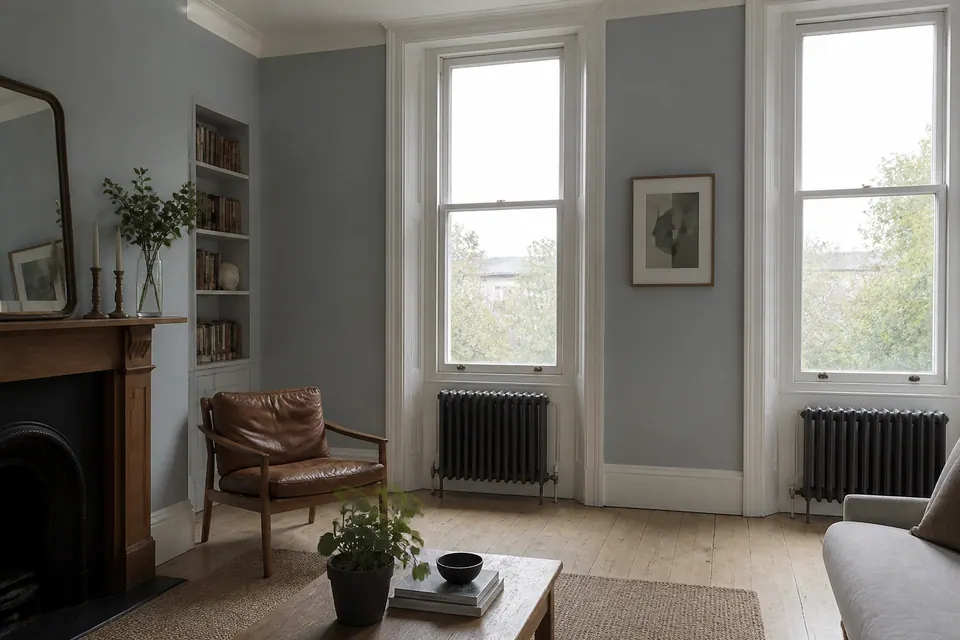
Fixed items · available space · room use
Brixton / BATHROOM RECURRENCE
A useful preparation plan starts with what is genuinely possible.
List fixed furniture, heavy items and belongings that cannot simply be placed elsewhere. If anything near the affected finish also appears changed, identify it as a separate contents question. Do not disturb growth or carry items through the home merely to satisfy an imagined checklist. Ask what preparation is required for the proposed method and who will provide any agreed assistance.
02 / DIRECT ANSWERS
Do not assume either full clearance or none. Explain constraints so preparation responsibilities can be agreed with the actual surface scope.
Ask for guidance first. Do not disturb growth or cover it with paint to make the room appear ready.
They may affect access or context, but their presence alone does not diagnose moisture. Keep the condition history separate.
Clarify who does what before booking. A visit estimate should not depend on unplanned movement or contents handling.
Identify them and ask about the selected method. There is no universal answer based only on the size of the patch.
Raise that constraint early so facility use and preparation can be discussed explicitly.
Describe their position and any handling difficulty. Do not assume removal is required or included.
Not automatically. Any separate visible condition on contents needs its own discussion and agreed scope.
Brixton / ACCESS & PEOPLE
Clarify any movement requiring assistance and who provides it. Do not leave heavy handling as a surprise at the appointment.
Ensure relevant preparation and return instructions reach them, even if another person books.
Keep belongings and the wall as distinct subjects. Report separate visible changes without assuming one method covers both.
Show the room honestly and follow the booking arrangement. Do not disturb contents or growth to prove responsibility for the condition.
Check that proposed preparation is practical for the occupant. Supply relevant maintenance history separately from the clearance plan.
Separate surface treatment from optional movement, repair or contents care. Agree the boundaries before rescheduling the household.
04 / A CONTROLLED APPROACH
Assess material and extent while identifying access constraints. Do not equate a tidy room with a suitable finish.
Explain who arranges clearance and how difficult items are handled. Wait for guidance before moving apparently affected belongings.
Carry out suitable surface work within the named scope. Contents or newly exposed damage require a separate discussion.
Provide applicable room guidance and distinguish remaining condition or follow-on work from the completed treatment.
Preparation is not a promise that every object or surface in the room is included.
Record fixed items and available working space.
Treat suitable accessible finishes as specified.
Use the applicable room and contents instructions.
The stages are illustrative rather than customer evidence. Continuing moisture may permit recurrence.
05 / QUOTATION, NOT GUESSWORK
For Brixton enquiries, show the affected finish and explain contents or access limits. Small suitable accessible areas may use photo quotations; recurrence, uncertain reach or damage can require assessment or specialist quotation.
Review the main service information ↗| Proposed condition | Quotation route | Preparation detail |
|---|---|---|
| A limited suitable accessible surface | Photographs may support quotation | Confirm practical clearance to the finish |
| Restricted or recurring areas | Assessment of scope and access | Explain contents and earlier work |
| Damage or complex moisture concern | Specialist quotation where appropriate | Current condition and known repairs |
Confirm responsibilities before arranging help or moving belongings. The wall quotation does not automatically include every preparation or contents task.
06 / ROOM-BY-ROOM CONTEXT
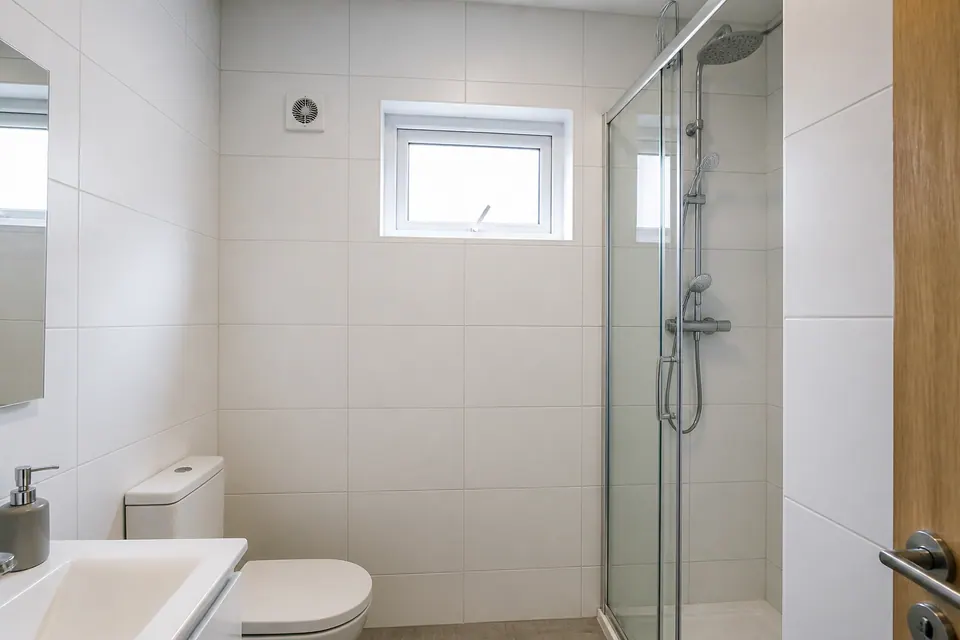
Describe storage and essential use. Obtain instructions rather than applying a generic clearance rule.
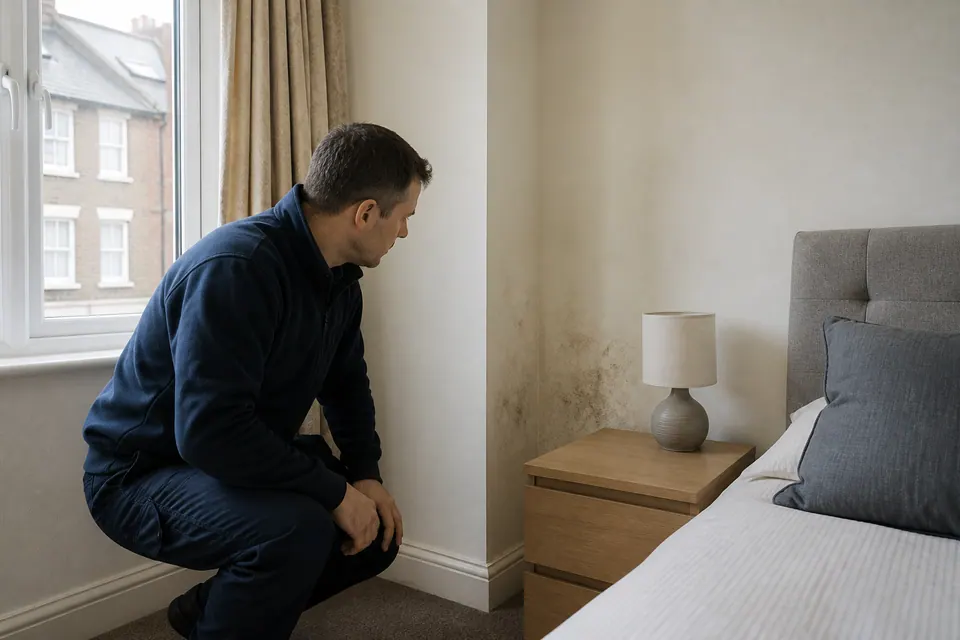
Identify bedding and furniture beside the patch. Ask how handling and return arrangements should work.
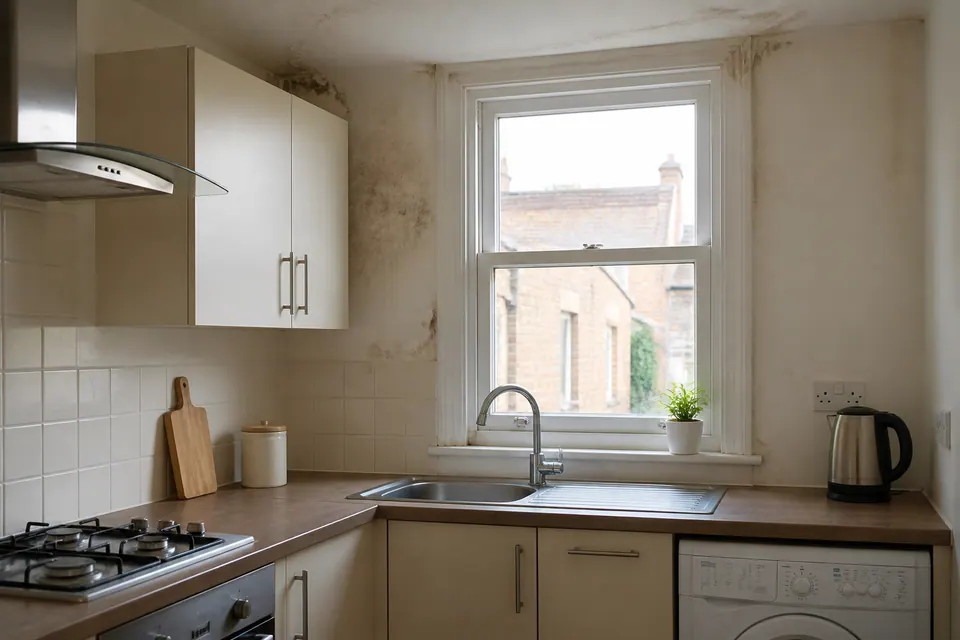
Explain food and utensil storage near the finish. Contents preparation should match the agreed method.
Show bulky items and routes through the space. Do not assume an empty room can be provided.
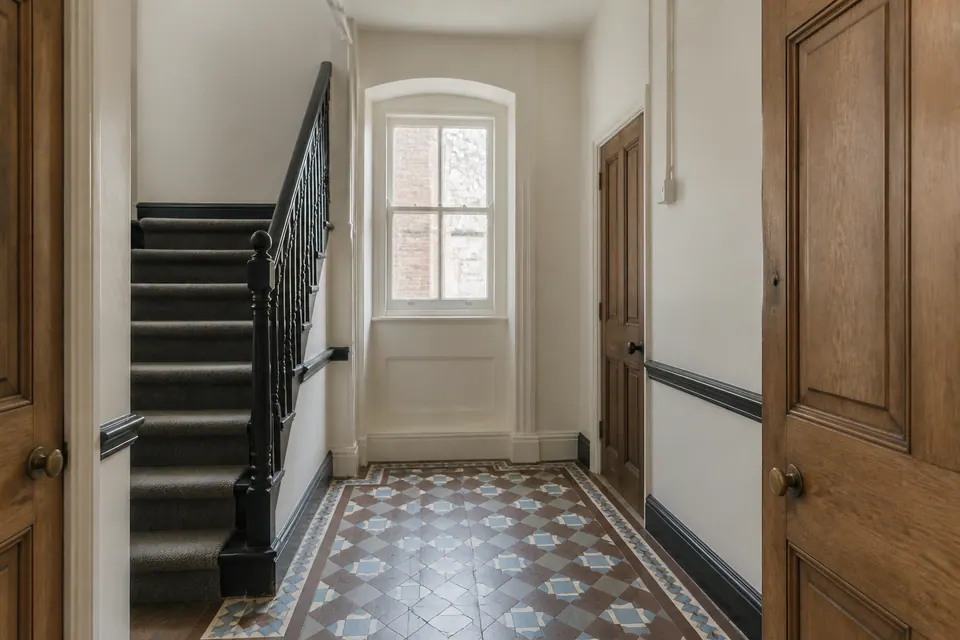
Clarify users and access requirements before proposing restrictions or movement of stored items.
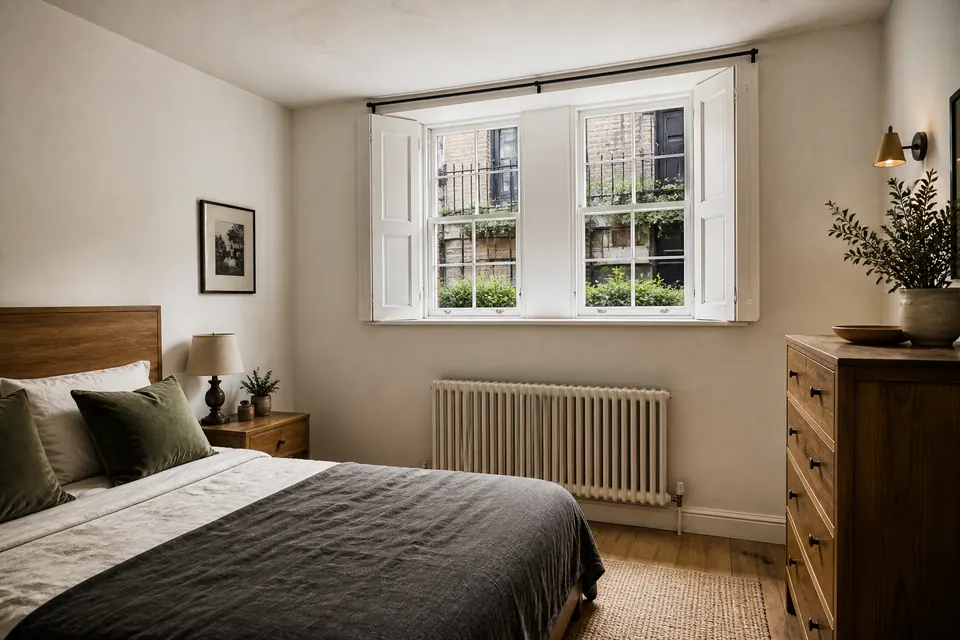
State material condition and known water history as well as practical access. Clearance does not diagnose damp.
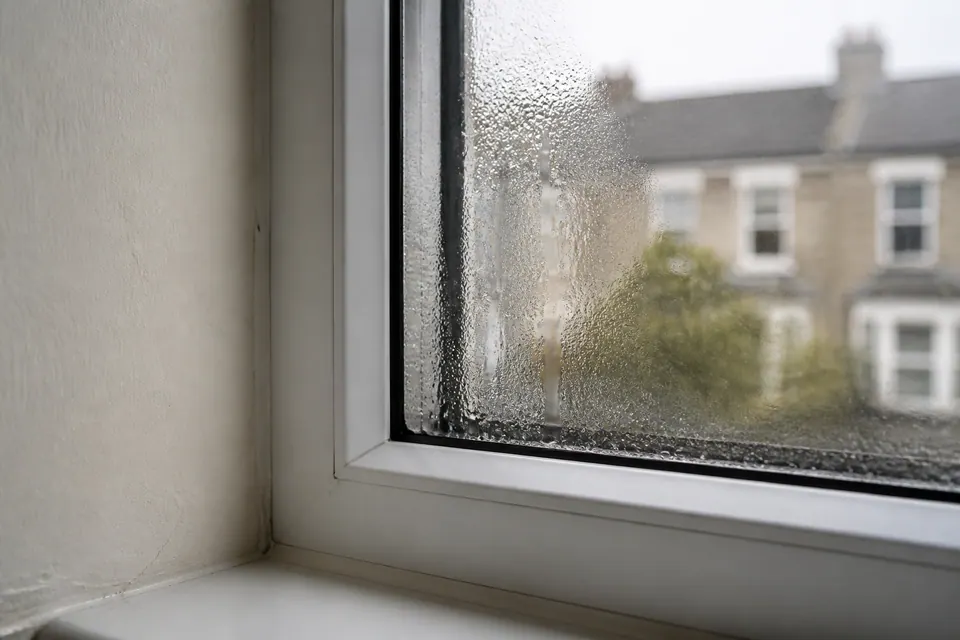
07 / WHEN IT COMES BACK
Keep the earlier surface scope and note what became newly visible. A changed layout can reveal an untreated area rather than prove recurrence within the same boundary.
Report actual later observations and known water events without assuming belongings caused the change. A renewed assessment should keep access and moisture questions separate.
Save the agreed instructions and a wider room image so later discussion can identify what was accessible and treated.
08 / SEPARATE THE QUESTIONS
The practical arrangement and the assessment of the affected finish are separate parts of the enquiry.
| Visible issue | Possible context | Information to provide |
|---|---|---|
| Marks beside a furnished window wall | Moisture near the opening | Actual observations and available clearance |
| Bathroom spotting behind storage | Repeated wetting or drying limitations | Affected material and fixed objects |
| A wall changed after a known leak | Water exposure or material deterioration | Repair status and current contents position |
| Growth returning around the same furniture | A continuing condition at the surface | Earlier work and whether access changed |
Contents handling, furniture movement, repair and investigation need explicit arrangements where relevant. The surface-treatment scope should not silently include every task needed around the room.
A well-prepared room can still contain unresolved material or water questions.
| Question | Mould | Damp / moisture |
|---|---|---|
| Condition described | Fungal growth on the affected finish | Excess moisture relevant to that material |
| Useful evidence | Visible extent and material condition | Known events and observed wetness |
| Why distinguish them? | Treatment suitability is not established by clearance alone | Persistent moisture may require separate work |
| Next decision | Suitable accessible treatment and preparation | Any separate investigation or repair |
09 / LOCATE THE ISSUE
Use the room selector to explain the setting and the contents that shape preparation. The material and visible extent still need their own assessment.
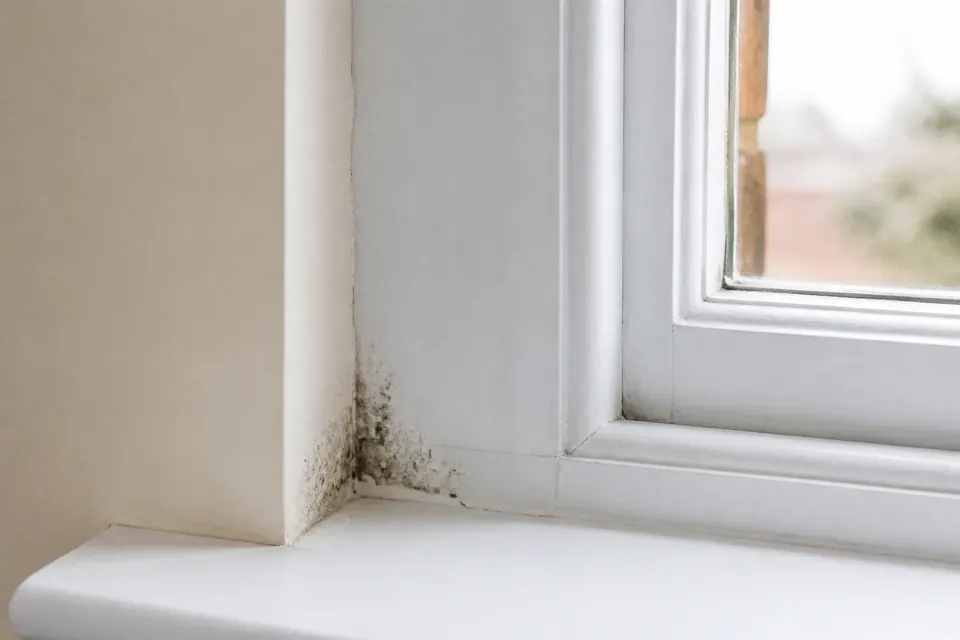
Show the fittings and available approach. Ask about handling rather than assuming curtains must come down or can remain without consideration.
Describe storage and essential facility use. Do not apply a general room-clearance rule to toiletries, fittings and different bathroom surfaces.
Identify what can realistically move and what needs another arrangement. Preparation should not depend on shifting apparently affected bedding without guidance.
Show their relationship to the proposed area and request method-specific instructions. A short visit does not mean contents preparation is unnecessary.
List bulky seating, equipment or storage restricting the finish. A realistic room photograph is more useful than an empty-space assumption.
Show what sits beneath the wall or ceiling area. Do not use furniture as an access platform or move objects into loose material.
Describe the visible wall and contents separately. Emptying the cupboard is not automatically the first step, particularly where items appear affected.
These limits inform planning. They do not establish the moisture cause or make contents care part of the surface quotation.
Brixton / PLAN THE APPOINTMENT
Send the Brixton postcode, room view and practical constraints before choosing a date. Confirm availability once the preparation arrangement is realistic.
Mention any separate assistance needed without assuming it is provided as part of the treatment visit.
The map offers area context for arranging the enquiry.
Brixton / BEFORE BOOKING
The best plan fits the actual space rather than an imagined empty room.
No. Show the current layout and explain constraints so requirements can be discussed before movement.
Identify it and ask how access can be arranged. Do not make the appointment depend on unplanned lifting.
Seek handling guidance first rather than relocating them simply to clear the wall.
Not automatically. Belongings need their own explicit discussion and scope where relevant.
Clarify the practical arrangement during booking rather than assuming the occupant or team will do every task.
Ask for instructions first and never mix cleaning products. Do not obscure the condition to make the room look prepared.
Follow guidance for the agreed method and circumstances, not a generic assumption based on visit length.
They can restrict reach and preparation even where the visible patch is limited.
Keep the surface scope and applicable instructions so later rearrangement or observations can be described accurately.
PLAN FOR THE ROOM YOU ACTUALLY HAVE
Send the postcode, affected-surface images and practical limits. Ask what needs arranging so the visit can be planned without improvised clearance.
The interiors illustrate planning situations rather than documented customer contents handling.
