
The occupant below
Provide current visible observations and practical room access. Do not infer unseen conditions from the ceiling alone.
BATTERSEA / CEILING HISTORY
The room above is context, not proof of where moisture began.
If a Battersea ceiling sits beneath a bathroom or another dwelling, describe the events you actually know. Locate the patch within the ceiling and state who holds relevant repair information. Treatment of the visible finish should remain separate from assumptions about access, investigation or work elsewhere.
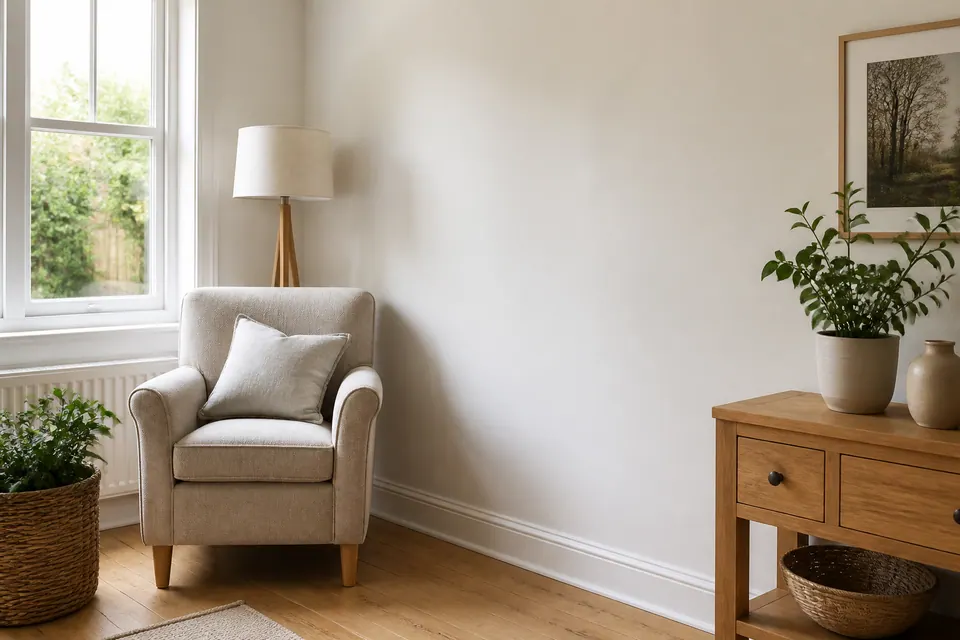
Location · event · repair status
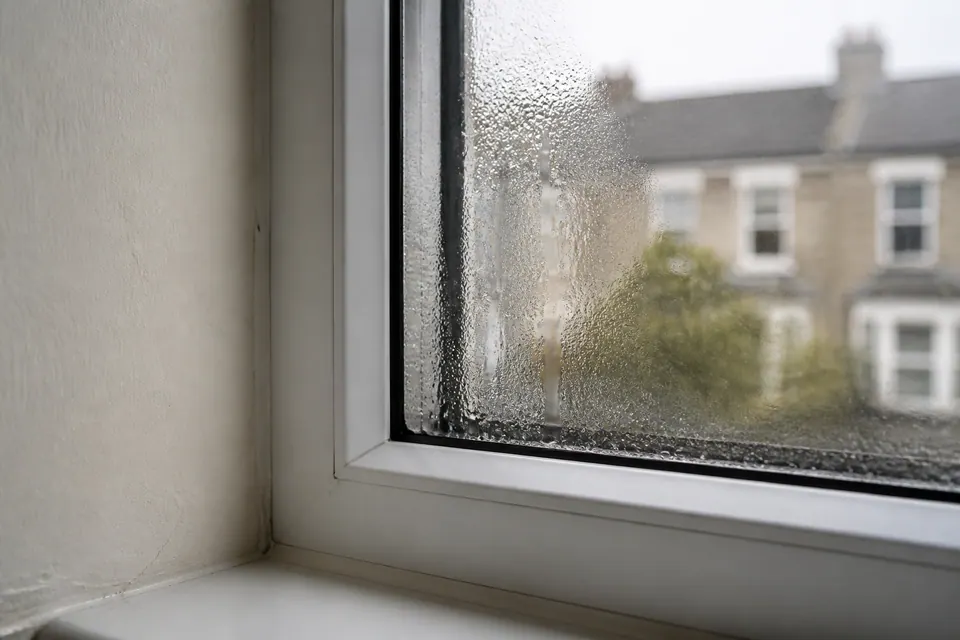
01 / WHEN IT COMES BACK
Keep the repair description and the treatment scope as separate records. State when the new change was noticed and whether it occupies the same ceiling area.
Do not infer a new leak or failed repair from appearance alone. Provide current material evidence and ask for the appropriate assessment of unresolved questions.
Record who supplied repair information and what was actually stated, without presenting uncertain completion as fact.
Battersea / ACCESS & PEOPLE
Provide current visible observations and practical room access. Do not infer unseen conditions from the ceiling alone.
Supply the actual event and work description where available. A vague statement that it was fixed leaves important uncertainty.
Keep investigation in another room or property separately arranged. The treatment enquiry does not authorise entry elsewhere.
Record the condition safely and follow booking arrangements. This page does not decide liability between occupants or properties.
Collect relevant confirmed maintenance details and keep repair status explicit. Do not assume the surface appointment resolves all upstream questions.
Separate ceiling treatment from investigation and material reinstatement. Agree a sequence based on actual condition and confirmed work.
03 / DIRECT ANSWERS
Explain the uncertainty. Photographs can start the enquiry, but unresolved water or material questions may require assessment before a useful scope is agreed.
Do not assume readiness from a report alone. Current material condition and any growth need assessment before decoration.
No. Describe the arrangement as context and provide confirmed events where available rather than naming a source from position.
Not automatically. Access and work elsewhere require a separately agreed arrangement.
Explain its use and obtain instructions for the agreed method. Ceiling position does not establish a generic return timetable.
Keep ordinary wet-use observations distinct from confirmed events above. Identify the actual ceiling material and condition.
Name it separately with its finish and history. A continuous-looking mark does not automatically make the scope identical.
No. Surface work is not a repair certificate. Supply confirmed information from the relevant repair contact.
04 / A CONTROLLED APPROACH
Assess visible extent and condition alongside qualified water history. Identify information gaps rather than filling them with assumptions.
Plan access within the affected room. Any investigation elsewhere remains a separate arrangement.
Carry out the named surface work. Damage or unresolved conditions may require another scope rather than unplanned repair.
Explain remaining condition and any separate repair question. Do not present treatment as proof of the source or repair completion.
The sequence does not certify concealed conditions or authorise access beyond the agreed room.
Record the current ceiling and known event details.
Treat suitable accessible material as agreed.
Identify repair or investigation needs outside treatment.
The stages are illustrative rather than customer leak-investigation evidence. Continuing moisture may permit recurrence.
Battersea / FITTED-BEDROOM ACCESS
“There is a bathroom above” is not a repair record.
Show the marked section in a wider ceiling view and describe its paint or material condition. If a leak or overflow was confirmed, include its date and available repair status. If no event is known, say so. Another room or property may require its own contact and access arrangement; the surface enquiry should not imply that those steps have already been authorised or completed.
Battersea / PLAN THE APPOINTMENT
Send the Battersea postcode with current images and available water-event information. Confirm availability after the surface and practical access are understood.
Mention any separate upper-room or other-property arrangement without assuming it is part of this appointment.
The map provides area context for arranging the enquiry.
07 / QUOTATION, NOT GUESSWORK
For Battersea ceiling enquiries, send current photographs, affected dimensions and known event details. Small suitable accessible areas may use photo quotations; recurrence, damage or complex moisture concerns can require assessment or specialist quotation.
Review the service scope ↗| Reported condition | Quotation route | Information needed |
|---|---|---|
| A limited suitable accessible finish | Photographs may support quotation | Current extent and material |
| Recurring or uncertain moisture concerns | Assessment of the proposed work | Earlier scope and confirmed events |
| Damaged ceiling or complex damp | Specialist quotation where needed | Repair information and current deterioration |
Confirm exclusions before booking. Treatment below does not automatically include opening-up, plumbing or access to another property.
08 / SEPARATE THE QUESTIONS
Use confirmed history to frame assessment without turning an upstairs layout into a diagnosis.
| Observed condition | Possible context | What to confirm |
|---|---|---|
| Marks near an opening | Moisture around the edge or another condition | Actual water observations at that location |
| Spotting in a bathroom below another room | Wet-room use or a separate event | Known incident history and current finish |
| Staining after a confirmed overflow | Water exposure or remaining damage | Repair status from the relevant contact |
| A patch returning after earlier work | A continuing condition or residual material issue | What the earlier work actually addressed |
Access to another room or property, plumbing work and concealed investigation need their own arrangements. A surface quotation should not imply that the source has been located or repaired.
The visible ceiling does not establish the condition of every concealed or adjoining component.
| Assessment point | Mould | Damp / moisture |
|---|---|---|
| What is described? | Fungal growth on the exposed ceiling finish | Excess moisture relevant to the ceiling material |
| Useful evidence | Current extent and coating condition | Confirmed events and repair information |
| Why distinguish them? | Removal does not identify every source beyond the finish | Unresolved moisture may require separate action |
| Next decision | Suitability for accessible treatment | Any independently arranged investigation or repair |
09 / LOCATE THE ISSUE
Use the setting to identify the affected finish. The apparent relationship to another room should not replace current material evidence.
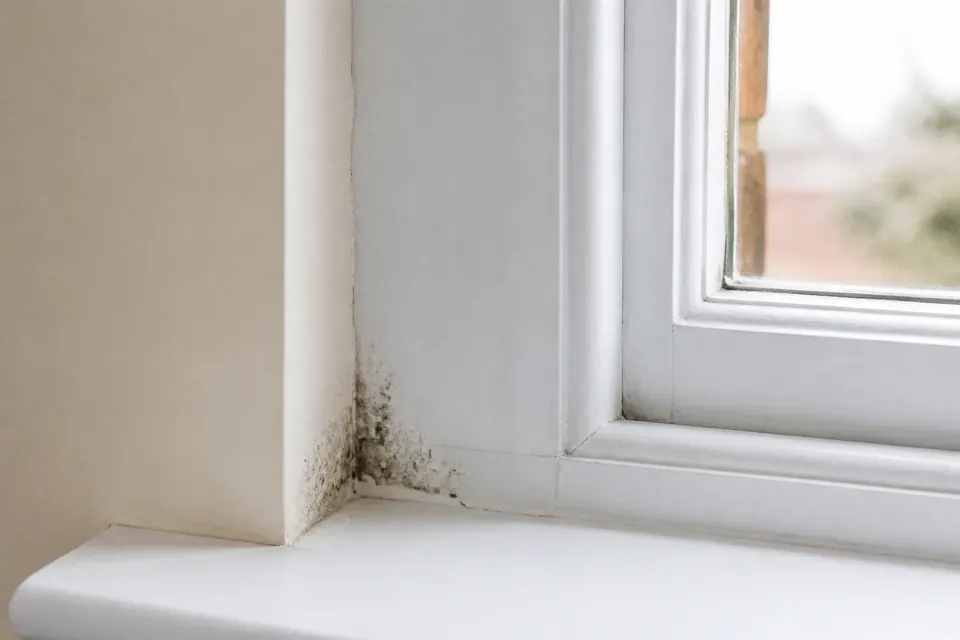
Show the opening and affected edge separately. A nearby reveal may have its own moisture history rather than sharing an assumed source above.
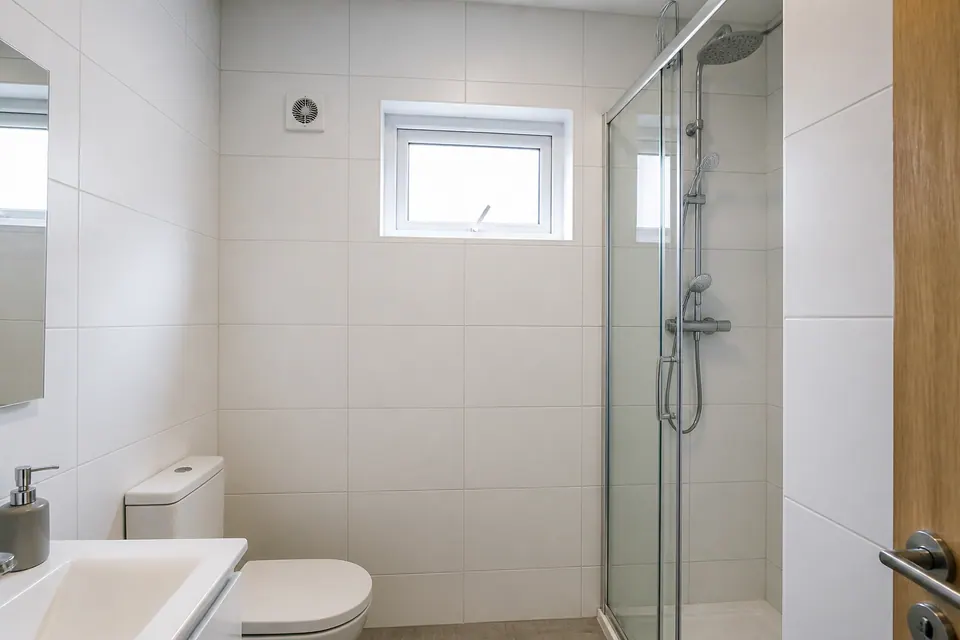
Distinguish ordinary bathroom wetting from a confirmed incident upstairs. Both may be relevant, but neither should be guessed from the room arrangement.
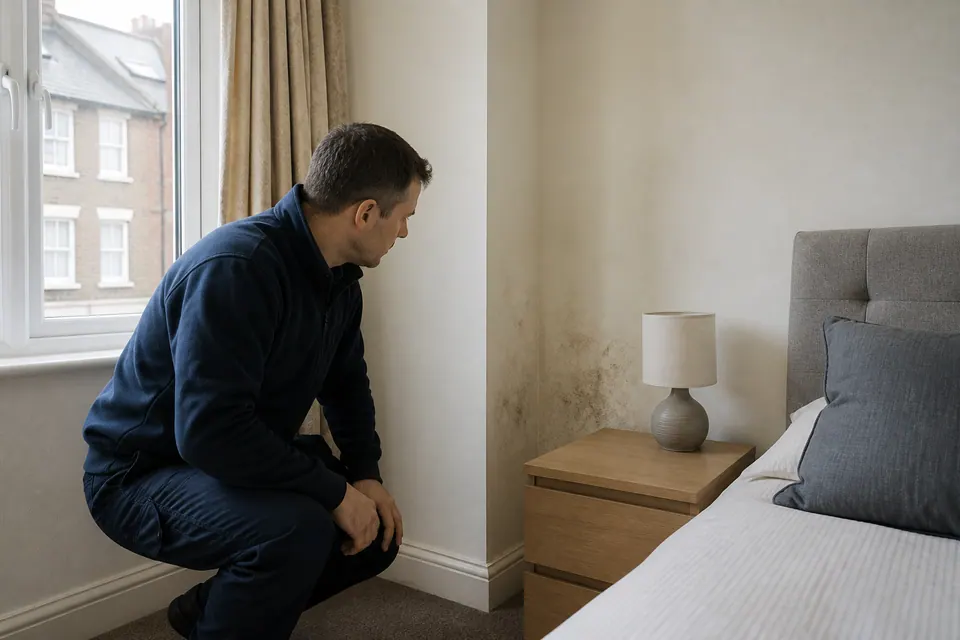
Take a safe floor-level image and show furnishings below. Ask about preparation and room use without assuming the upper room will be accessed.
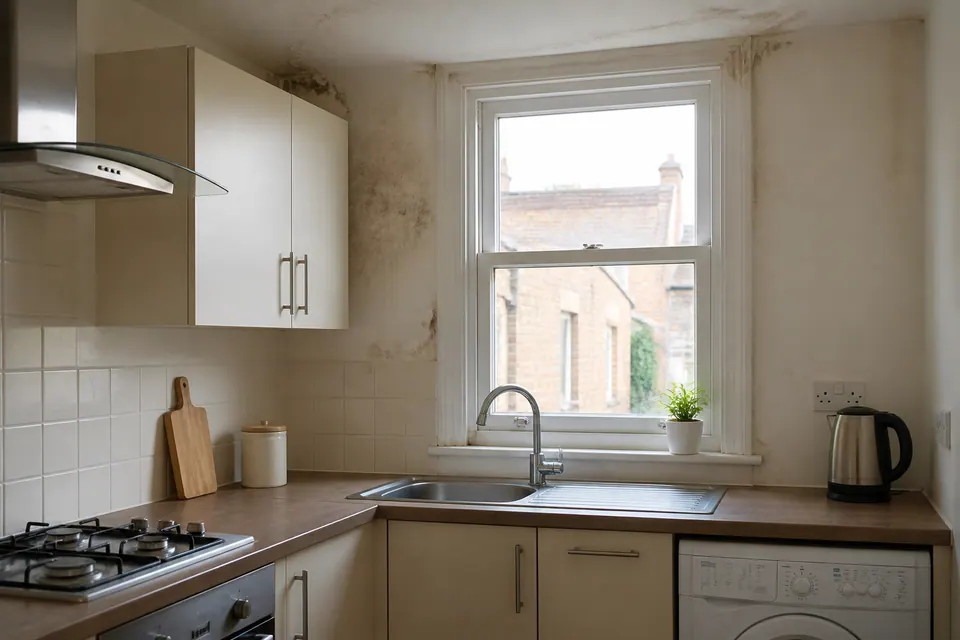
Record confirmed pipework events separately from cooking observations. The location of appliances upstairs does not establish the source.
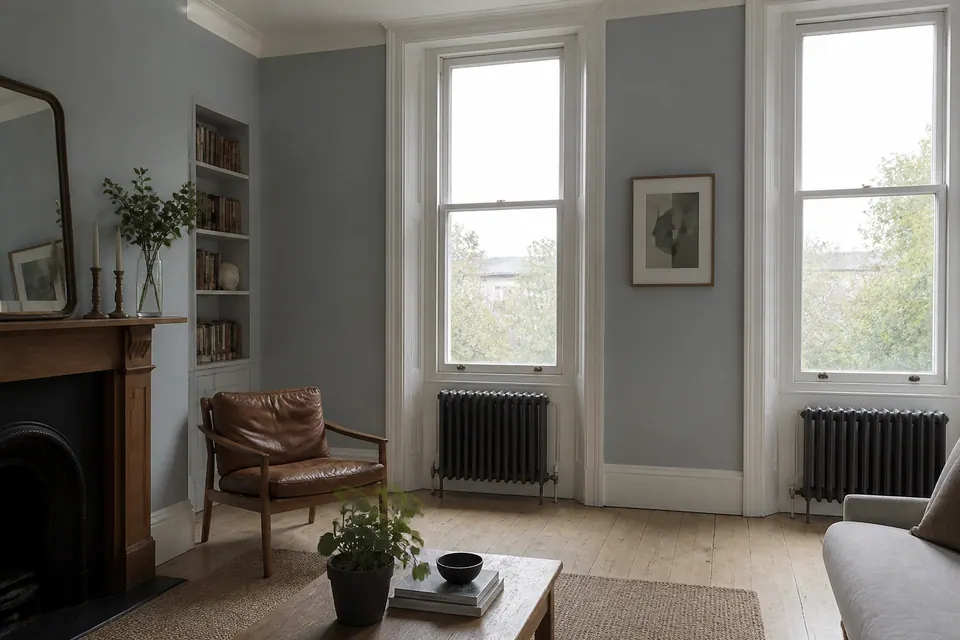
Use a wider view to locate the change and state what is known about earlier work. Do not treat its position as a diagnosis.
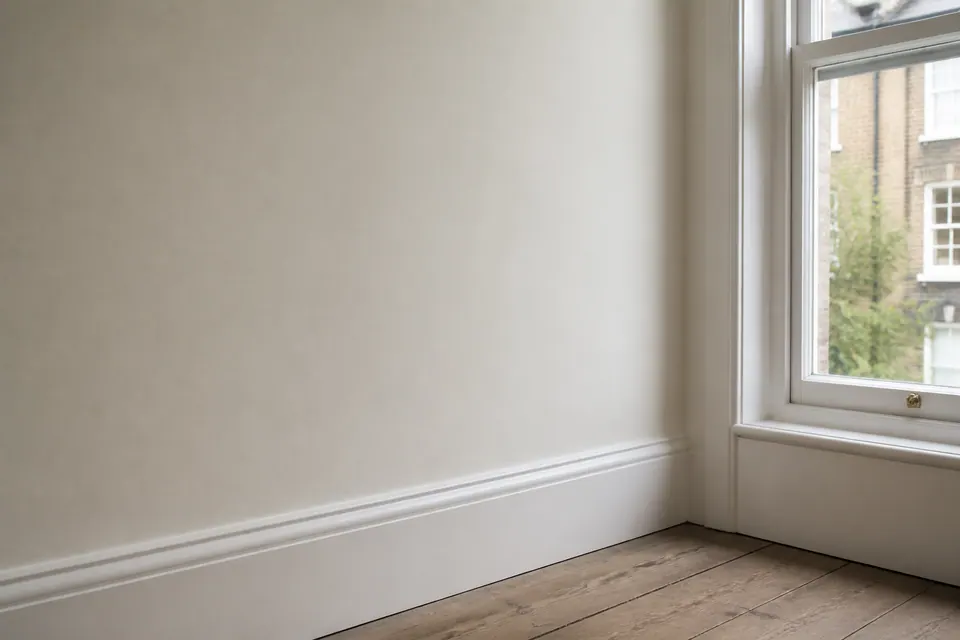
Report visible deterioration without pressing or scraping. Suitable surface treatment and replacement of weakened material are different decisions.
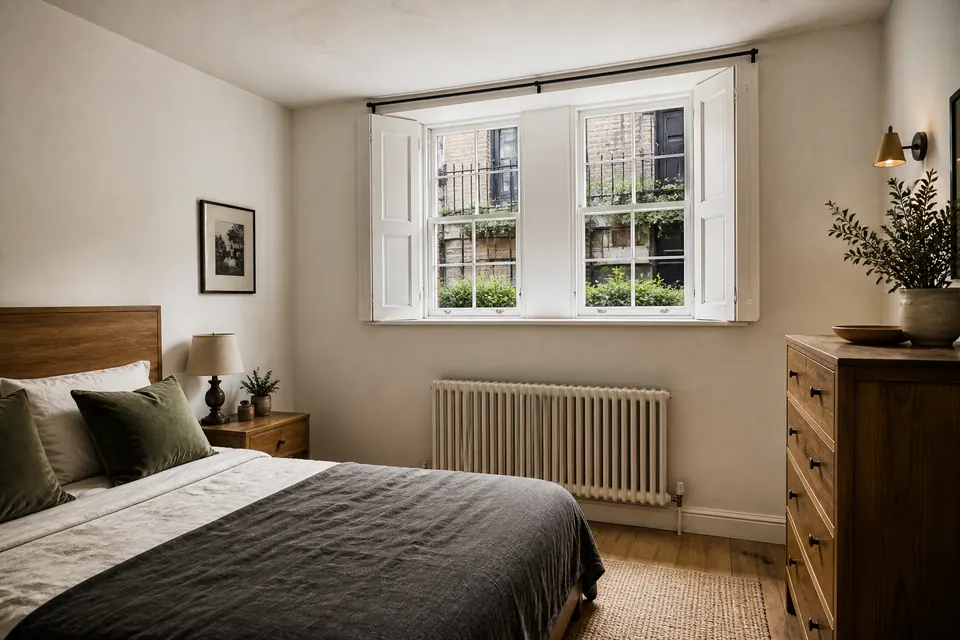
Identify the visible limit. Opening a concealed area or investigating above the ceiling requires a separate scope rather than an assumed part of treatment.
Room position can guide questions, but does not confirm the source, responsibility or completion of repair.
10 / ROOM-BY-ROOM CONTEXT
Keep local wetting observations distinct from a known incident elsewhere. Identify coating condition.
Show furnishings and essential room use. Ask for guidance without assuming any upper-room access.
Separate confirmed water events from ordinary cooking context. Position does not identify a source.
Locate the patch using a fixed feature and retain actual earlier work details.
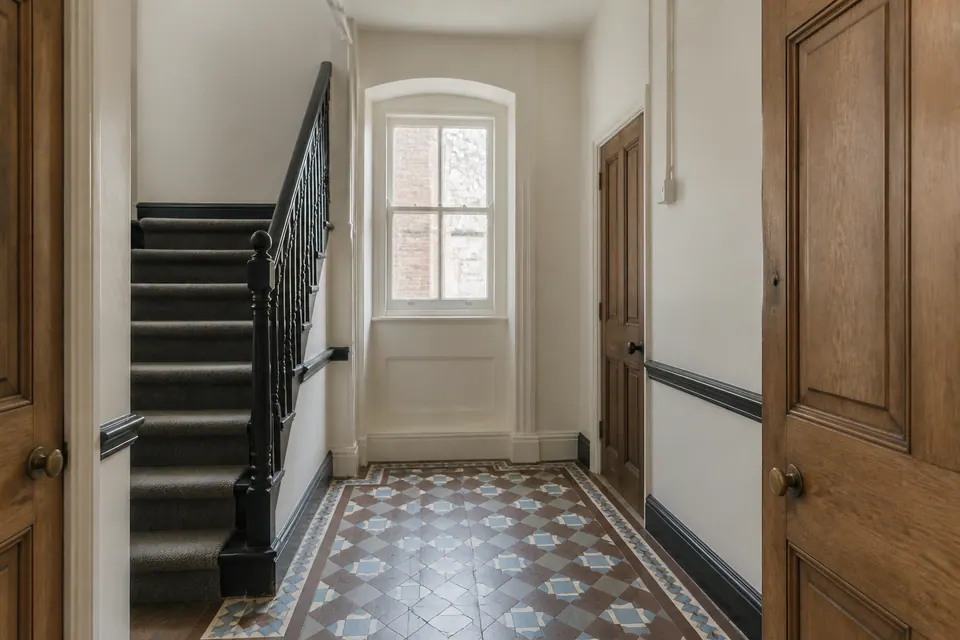
Identify who can arrange work and obtain relevant history. A common-area finish needs explicit inclusion.
State level and known events without assigning a damp mechanism from the rooms above.
Battersea / BEFORE BOOKING
Use confirmed information without turning room position into a diagnosis.
No. Describe it as context and report only known events or repair information.
Say so explicitly. Do not treat a reported visit as proof that the water issue is resolved.
Relevant confirmed information can help. Keep it separate from current surface observations and any unverified explanation.
Do not disturb material for the enquiry. Describe visible condition and seek assessment.
No access elsewhere should be assumed. It needs a separate appropriate arrangement.
Keep the current evidence visible and ask for preparation guidance before cosmetic work.
Follow instructions for the agreed method and circumstances rather than a generic timetable.
Damage or unresolved moisture questions can make it different from a suitable small accessible surface.
Give the same location, date and current image with separate treatment and repair records, without declaring a source from appearance alone.
KEEP THE CEILING EVIDENCE FACTUAL
Send the postcode, current ceiling photographs and confirmed event or repair details. Identify any separate access question before agreeing the surface visit.
The interiors illustrate context and are not customer evidence of a leak source or repair.
