
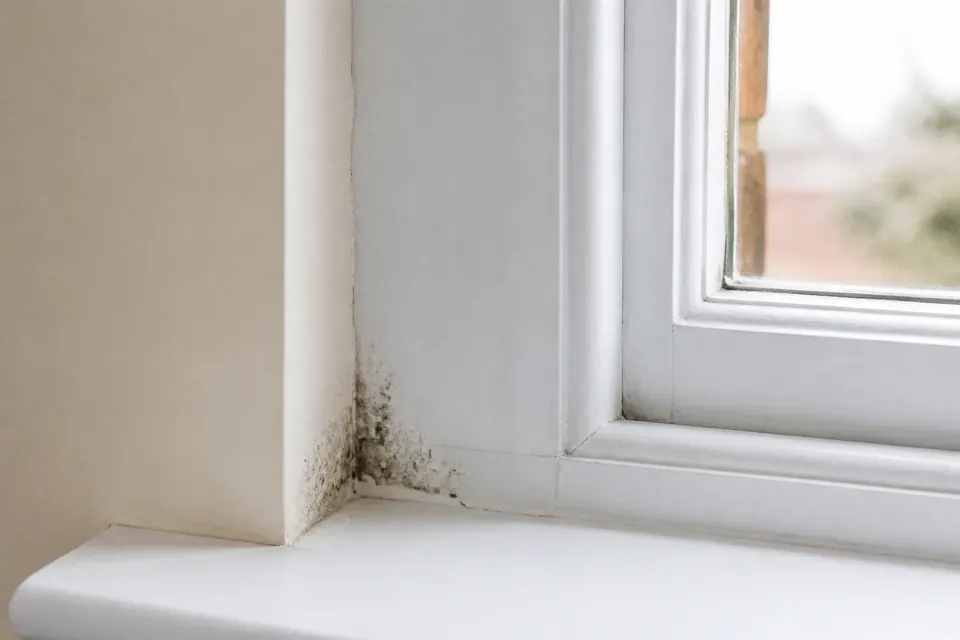
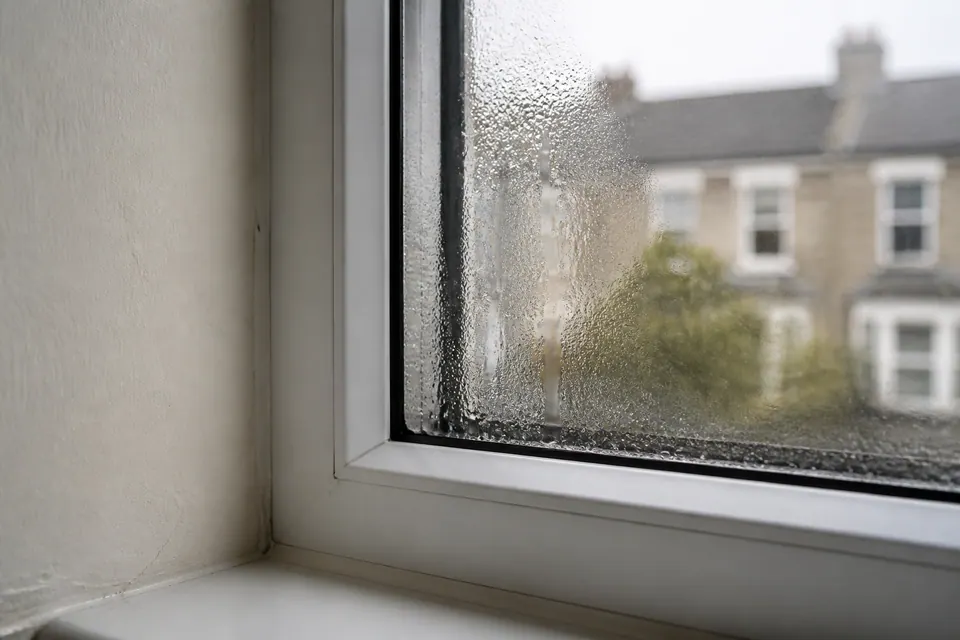
A painted reveal beside the frame
Name the wall coating separately from the frame or seal. Surface treatment should not silently include repair of the opening.
CLAPHAM / TREATMENT VERSUS REPAIR
A marked wall and a deteriorated shower edge are different work items.
When several bathroom finishes are affected in Clapham, describe them individually before asking for one overall price. The enquiry should establish what is suitable for mould treatment and what may need replacement or repair. A clear agreement avoids treating a surface visit as an unspecified bathroom refurbishment.
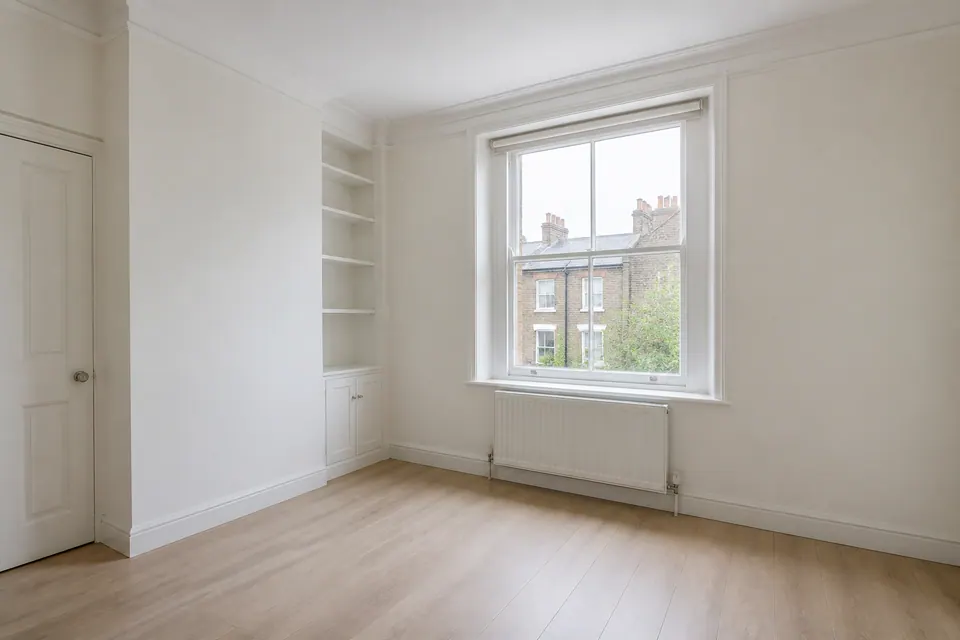
Wall finish · shower edge · named items
01 / SEPARATE THE QUESTIONS
Deciding between treatment and repair does not by itself establish why the condition developed.
| Visible issue | Possible context | Question to clarify |
|---|---|---|
| Marked paint beside a window | Moisture near the opening | Is the coating suitable and is repair separately needed? |
| Wall spotting beside a failed shower edge | Repeated wetting or material deterioration | Which material needs treatment and which needs another task? |
| Damage after a known water event | Residual moisture or weakened material | What is confirmed about repair status? |
| Marks returning after resealing | A continuing condition or different affected item | What did the earlier work actually cover? |
Resealing, replacing damaged material, fixing leaks and redecorating must be explicitly agreed where required. None should be inferred merely because it sits beside the surface proposed for mould removal.
A repair request and a treatment request do not automatically answer the moisture question.
| Question | Mould | Damp / moisture |
|---|---|---|
| Condition described | Fungal growth on an affected exposed material | Excess moisture relevant to the material or assembly |
| Evidence needed | Current extent and finish condition | Observed wetting and known repair history |
| Why distinguish them? | Treatment may not restore a failed component | Persistent moisture may require another repair decision |
| What follows? | Suitable accessible treatment items | Separate investigation or repair items |
02 / LOCATE THE ISSUE
Use the room setting for context, then keep the actual finishes and intended work distinct. A broad room description should not replace an agreed scope.
Name the wall coating separately from the frame or seal. Surface treatment should not silently include repair of the opening.
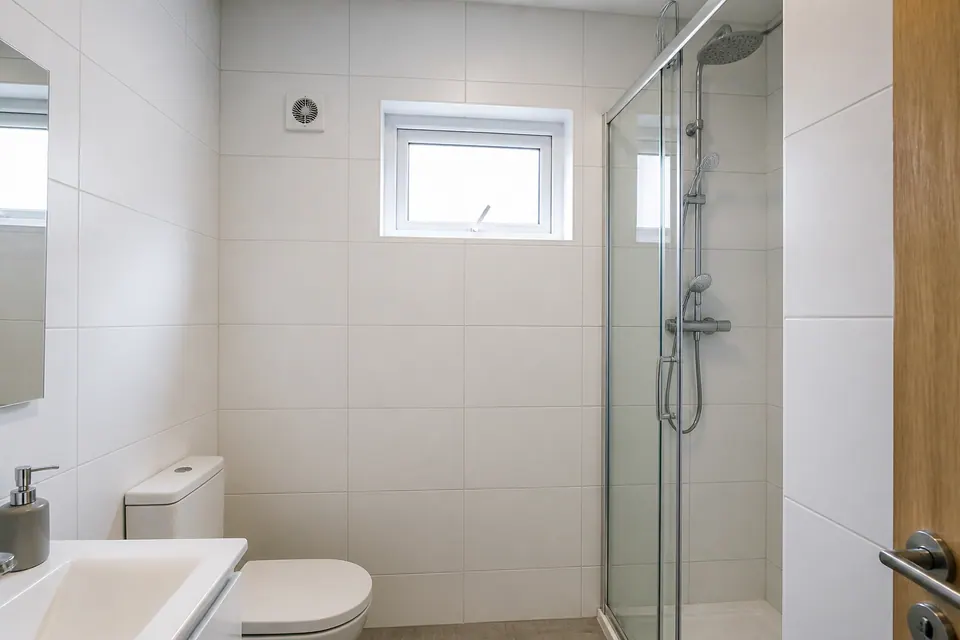
Show each material individually. An intact coating and failed flexible seal may need different decisions rather than one blanket cleaning method.
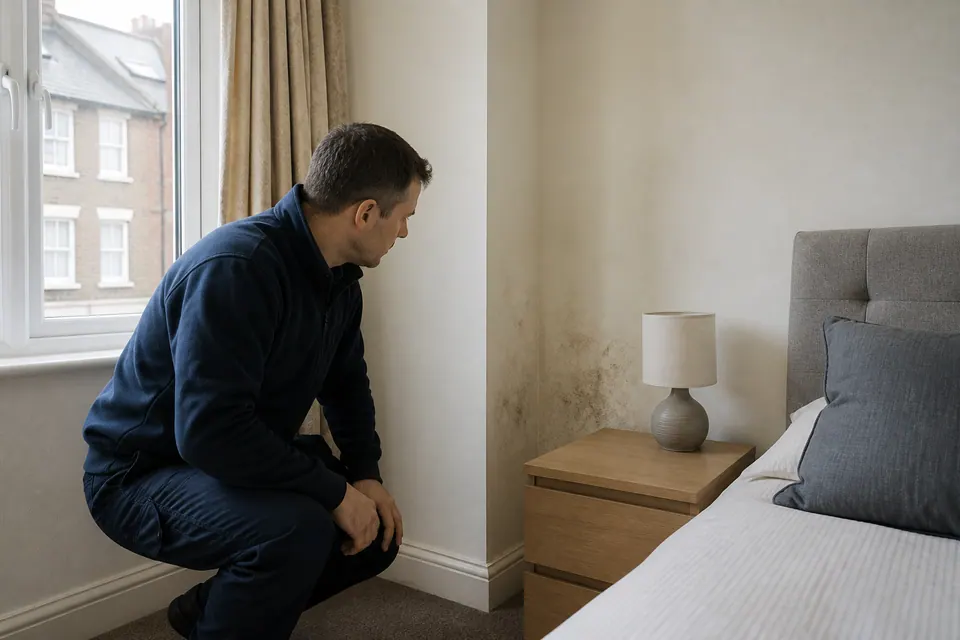
Give it a separate finish and history. A bathroom repair discussion should not define treatment for another room.
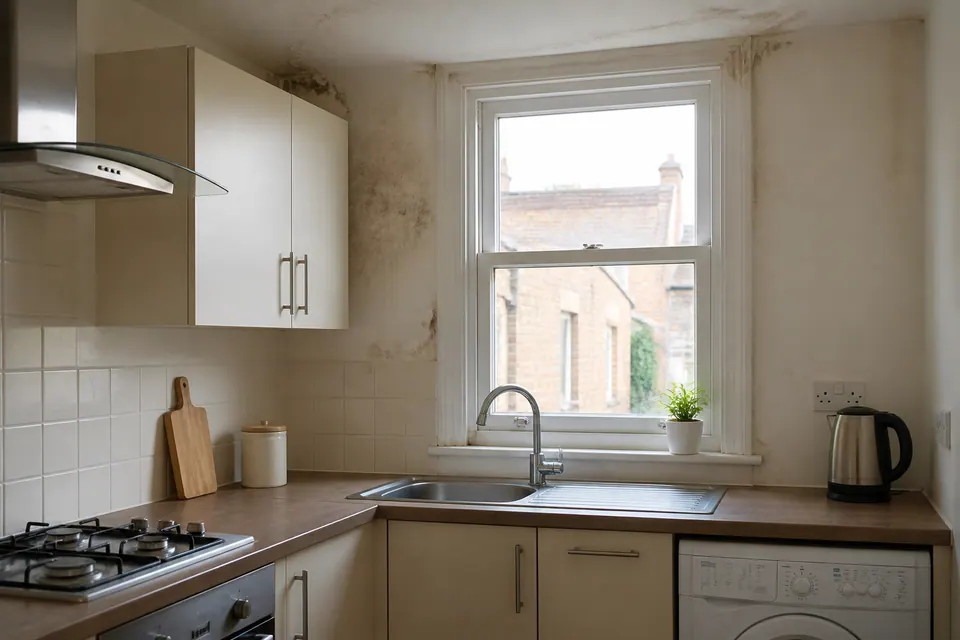
Describe its own material and condition. Similar colour does not make it the same repair item as a shower edge.
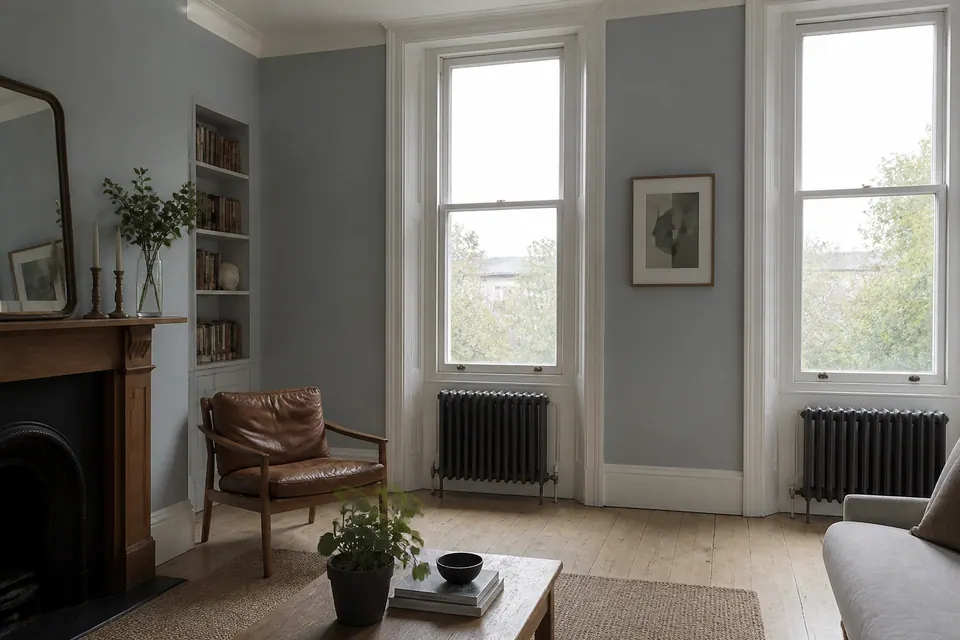
Identify the visible layer and any damage. A desired cosmetic result should be separated from the suitability of growth treatment.
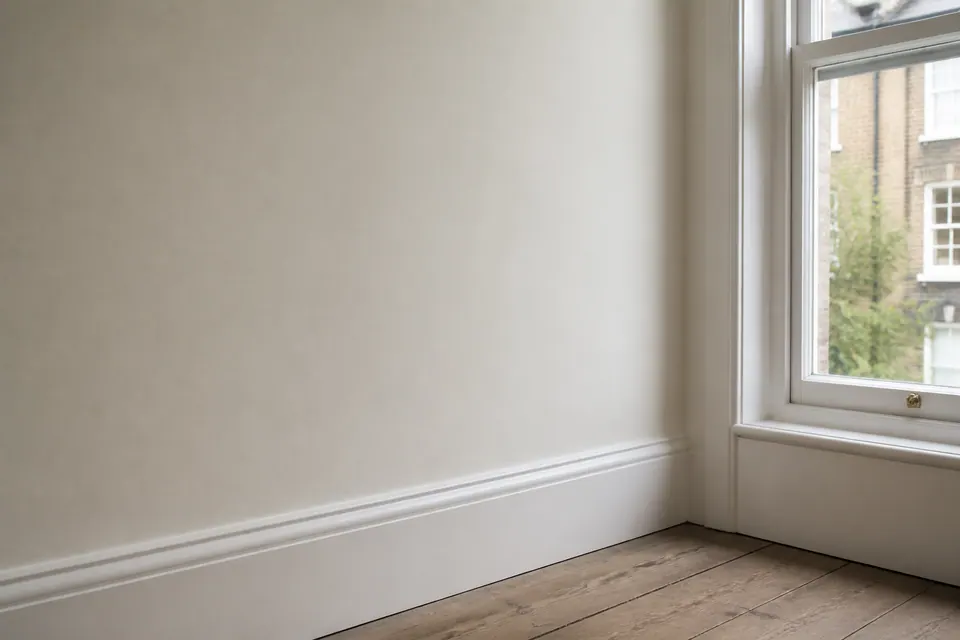
Report deterioration without disturbing it. Repair of failed material and removal of suitable growth are different scopes.
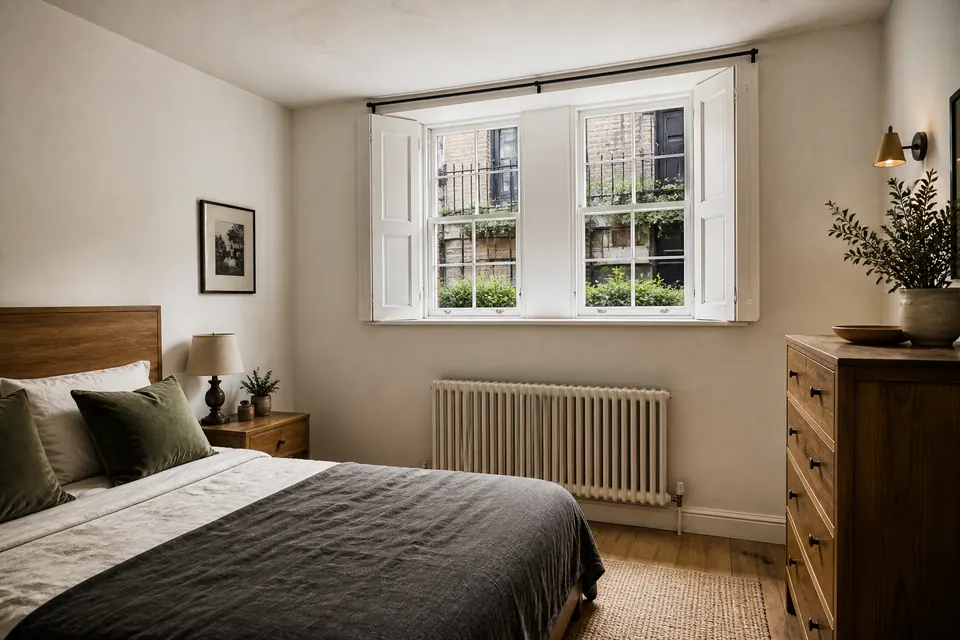
Explain what is visible and what remains concealed. Do not assume opening-up or reinstatement is included in the bathroom request.
The aim is a precise agreement, not a diagnosis from appearance or a promise that every material can be restored.
Clapham / ROOM-RETURN ARRANGEMENTS
“Sort out the bathroom” leaves too much unconfirmed.
Identify the marked painted surface and describe any deteriorated shower-edge material separately. Show each in its room context and state what you hope the appointment will address. Ask which items can be considered for treatment and which require another repair or replacement decision. Do not assume that one quotation includes removing failed material, resealing and restoring decoration.
04 / A CONTROLLED APPROACH
Review suitable surface condition and identify any component requiring a different decision.
Clarify access and facility use for the actual work. Do not scrape or remove damaged material as an improvised first step.
Work within the agreed suitable-surface scope. Additional repair requires explicit discussion.
Distinguish growth addressed, residual marks and uncompleted repair or decorative tasks.
The sequence does not promise a fully refurbished bathroom from a treatment booking.
Keep painted surface and shower edge separately identifiable.
Treat suitable accessible items explicitly included.
Record any separate repair or replacement decision.
The stages are illustrative rather than customer refurbishment evidence. Continued moisture may permit recurrence.
05 / QUOTATION, NOT GUESSWORK
For a Clapham bathroom enquiry, send separate wall and shower-edge images with dimensions and current condition. Small suitable accessible areas may use photo quotations; multiple, recurring or damaged items can require assessment or specialist quotation.
Review the main service scope ↗| Reported item | Quotation approach | Boundary to confirm |
|---|---|---|
| A suitable accessible marked finish | Photographs may support treatment quotation | The named surface and affected extent |
| Several materials or recurring areas | Assessment before agreeing scope | Different histories and conditions |
| Damage or complex moisture concerns | Specialist quotation where needed | Repair, replacement and investigation exclusions |
Confirm the total against the actual items. A bathroom quotation should not leave resealing, replacement or reinstatement to assumption.
06 / WHEN IT COMES BACK
Identify whether the earlier work was treatment, resealing or decoration. A completed repair item does not mean every affected surface was treated.
Report current material and known wetting without assuming the previous item failed or caused the new mark. Reassessment should start from the actual work list.
Retain the agreed scope so later observations can be compared with what was included, not with a broad expectation of bathroom repair.
Clapham / ACCESS & PEOPLE
Name the finish and extent so suitable growth removal is not described only as sorting out the room.
State what is requested separately and seek confirmation rather than treating proximity as inclusion.
Keep it outside claims of completed assessment. Opening-up may need another scope before repair can be defined.
Provide visible evidence and arrange appropriate booking permissions. Do not test failed material or allocate repair responsibility from the page.
Share relevant earlier work and clarify requested repairs. A general bathroom instruction may obscure what has actually been agreed.
Separate priorities into treatment, repair and decoration. Ask about the practical sequence before assuming one attendance covers everything.
08 / ROOM-BY-ROOM CONTEXT
Identify suitable coating and any failed shower-edge material as different items.
Describe its own condition rather than applying a bathroom repair assumption.
Name the actual material and water history. Similar appearance does not define the same work.
Separate desired appearance from treatment and any damaged-coating repair.
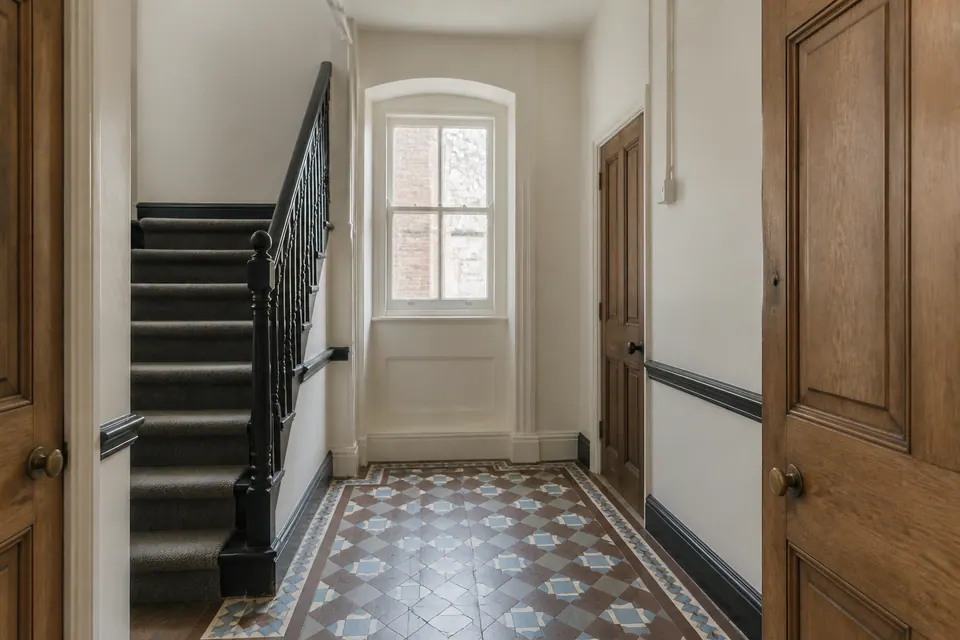
Confirm who can agree the proposed items and practical access. Shared use does not broaden the scope.
Report condition and known water events without assuming a particular repair from level alone.
09 / DIRECT ANSWERS
Yes, but each proposed item should be explicit. Do not assume the surface quotation includes another task unless it is agreed.
No. Decoration is not a substitute for assessing and treating suitable growth or considering the moisture context.
Not automatically. Keep the observations and known water history separate rather than assigning one cause by proximity.
Any extra item needs its own agreement and practical timing. A treatment duration should not be treated as an unlimited bathroom-work allowance.
Ask for instructions for the actual sequence. Do not infer facility use from an assumed repair or treatment timetable.
No. Deteriorated material may require replacement, but that item must be separately confirmed.
Only if expressly agreed. Name the affected reveal and any separate component work clearly.
No hidden investigation or reinstatement should be assumed. Explain concealed limits and ask what further scope may be needed.
Clapham / PLAN THE APPOINTMENT
Send the Clapham postcode and separate images of each affected item. Confirm availability after the treatment and any repair boundaries are clear.
Mention another trade already scheduled without assuming its task is included in the mould appointment.
The map supplies area context for planning the enquiry.
Clapham / BEFORE BOOKING
A clear item list prevents different expectations of the same appointment.
Yes. Identify each material and current condition so the proposed work can distinguish them.
Yes, but request explicit confirmation of any separate item rather than assuming it is included.
No. Proximity is context, not a completed diagnosis of the wall condition.
Do not disturb it for the enquiry. Describe visible deterioration and provide safe images.
No. It must be expressly agreed as a separate item where appropriate.
Ask for preparation guidance. Unplanned removal can change the condition and scope that need assessment.
Obtain guidance for the actual agreed sequence rather than relying on a generic timetable.
Compare the named treatment surfaces, any explicit additional items and exclusions before confirming.
Identify the material and actual earlier work. Do not assume resealing was treatment of every nearby surface.
AGREE THE ITEMS BEFORE THE APPOINTMENT
Send the postcode, material-specific photographs and the requested items. Ask for clear inclusions so the visit matches the actual condition and agreement.
The illustrations do not document a customer bathroom repair or replacement project.
