
Occupant observations
Dates and room-context photographs can show what changed during ordinary use.
STREATHAM / A PATCH THAT RETURNS
A recurring mark needs a history, not just another close-up.
For a Streatham living room, show exactly where the patch returns and what happened between appearances. The previous treatment, decoration and furniture arrangement may be useful context, but none identifies the cause by itself. Keep the current exposed area and practical access clear when requesting assessment.
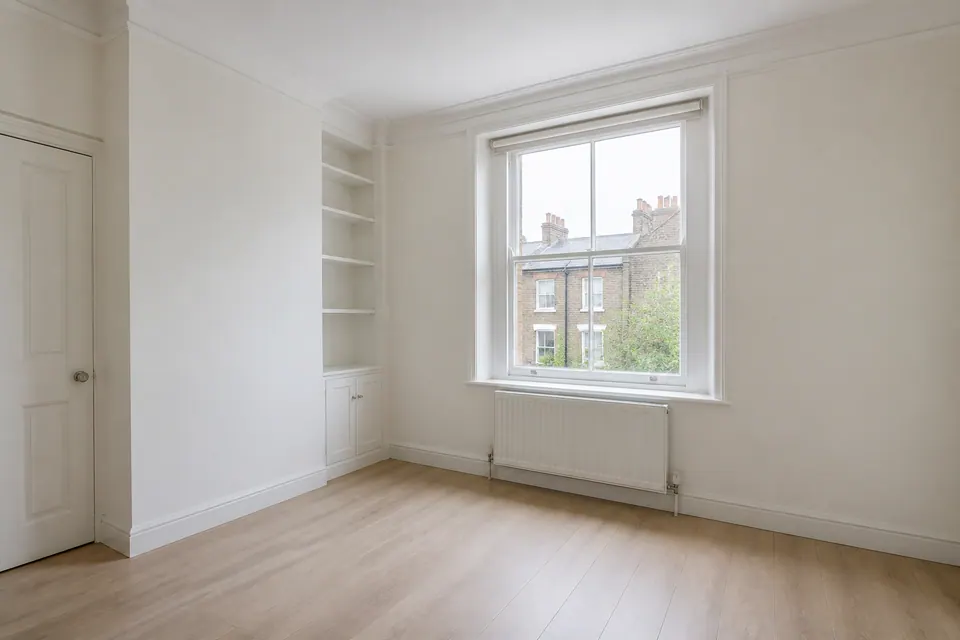
Earlier work · present extent · daily use
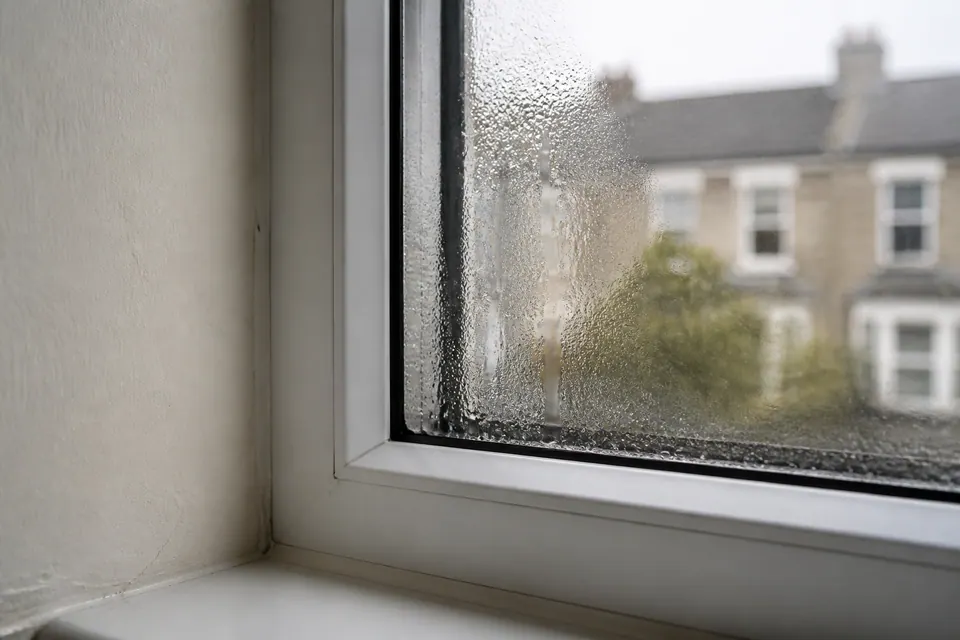
01 / WHEN IT COMES BACK
Compare the exact area, not just the colour. State whether it followed treatment, decoration, a water incident or no known change.
Continuing moisture can allow further growth. A useful follow-up leaves unknown causes open and includes any deterioration of the finish that might change its suitability.
Keep previous photographs and the agreed scope so the next enquiry can distinguish recurrence from a newly affected location.
Streatham / ACCESS & PEOPLE
Dates and room-context photographs can show what changed during ordinary use.
The actual scope helps distinguish a treated area from nearby surfaces that were never included.
A changed furniture arrangement may affect the appointment even if the patch is familiar.
Describe the present condition to the booking contact without needing to settle responsibility or diagnose the source.
Share treatment and decoration records accurately so a new visit is not based on assumptions about the old one.
Keep any moisture or material investigation separate from a request simply to improve the visible finish.
03 / DIRECT ANSWERS
Describe the recurrence and earlier work first. Assessment may identify a different scope or an unresolved issue.
A short sequence of dates, locations and actual work is more useful than a long unverified explanation.
Explain its position and size; request clearance instructions before moving heavy or affected items.
Yes, but identify it separately so it is not mistaken for the original location.
Do not assume so. Describe the work accurately and keep decoration distinct.
Discuss the method-related arrangements and return guidance before booking.
Only an agreed accessible scope can be established; concealed conditions should remain unconfirmed.
No permanent result should be assumed while moisture or other relevant conditions remain unresolved.
04 / A CONTROLLED APPROACH
Review dated views and the current visible condition before defining the affected area.
Agree clearance and protection with the person using the living space.
Treat the confirmed appropriate surfaces without silently extending the scope to concealed wall or furnishings.
Explain the relevant return guidance and any unresolved moisture or repair decision.
The purpose is a clear sequence of observations and work, not a guaranteed before-and-after result.
Retain the original location and dates alongside the current photographs.
Keep separate patches and excluded surfaces identifiable.
Report a new change with context rather than assuming every mark is the same recurrence.
Illustrations describe stages and are not verified customer outcome photographs.
Streatham / LIVING-ROOM RECURRENCE
“It came back” is a starting point; the position and sequence make it useful.
Explain whether the same patch reappeared, expanded or was joined by another mark. Give approximate dates and describe any work actually undertaken between them. Show the sofa, shelves or other obstructions in the room view without assuming they caused the condition. This gives the assessment a defined area and avoids treating every wall as if it had the same history.
Streatham / PLAN THE APPOINTMENT
Confirm availability using the Streatham postcode before relying on a visit date.
Explain entry, floor level and furniture restrictions that affect reaching the living-room wall.
Load the area map.
07 / QUOTATION, NOT GUESSWORK
Repeat growth and multiple patches need assessment. Send the current extent and earlier work details so the quotation reflects the work now required.
Review the mould-removal service ↗| Present situation | How it is reviewed | Evidence to supply |
|---|---|---|
| Small new suitable exposed patch | Photos may support a quotation | Finish and visible extent |
| Returning or multiple patches | Assessment to define the work | Dated comparisons and previous scope |
| Damaged surface or complex damp | Specialist quotation may be necessary | Material changes and unresolved water history |
Agree the total and exclusions for the current work; a previous quotation does not automatically cover a later recurrence.
08 / SEPARATE THE QUESTIONS
Returning growth may require more than repeating earlier surface work. Distinguish evidence from the explanation you suspect.
| Observation | Useful detail | Avoid assuming |
|---|---|---|
| Same location | A room-context comparison | That the previous cause was correctly identified |
| Different outline | Dates and extent of the change | That all discolouration is active growth |
| After repainting | What work preceded the new mark | That decoration treated the underlying condition |
| Beside furniture | The exposed wall and clearance | That furniture position alone explains moisture |
Any unresolved damp, material damage or repair question needs to remain visible in the plan.
Both can be useful, but one should not be presented as proof of the other.
| Record | Affected-surface question | Moisture question |
|---|---|---|
| Location | Where suspected growth is visible now | Where water or wetness was observed |
| Timing | When the patch changed after earlier work | When wetting occurred or persisted |
| Limit | Appearance alone does not define suitable treatment | A repeated season does not identify a source |
| Agreement | Accessible area and appropriate work | Further investigation or repair if required |
09 / LOCATE THE ISSUE
The room and surface must stay identifiable when photographs are compared.
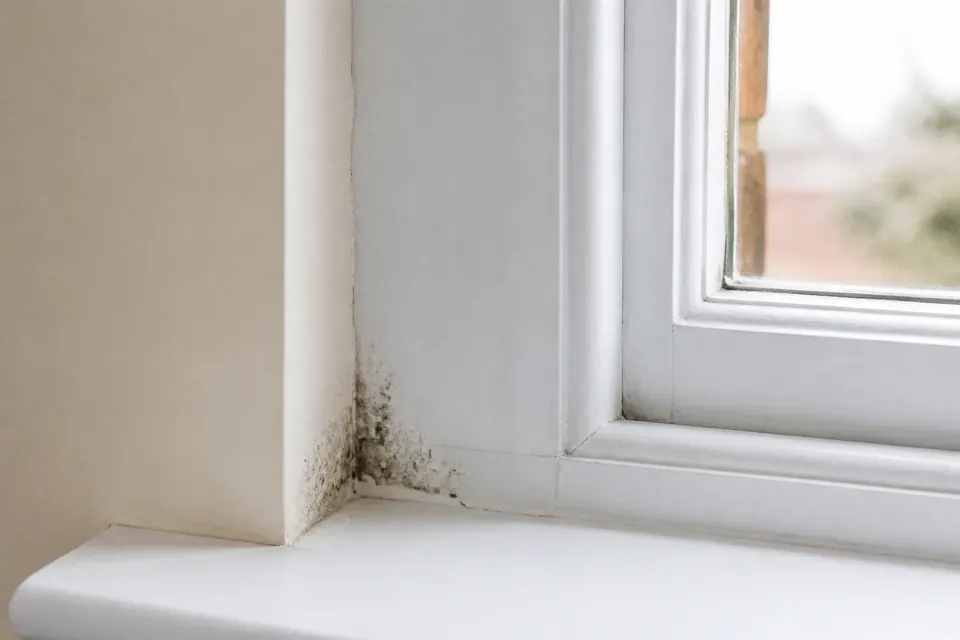
Include the opening and adjoining wall. Record observed water separately from the history of the mark.
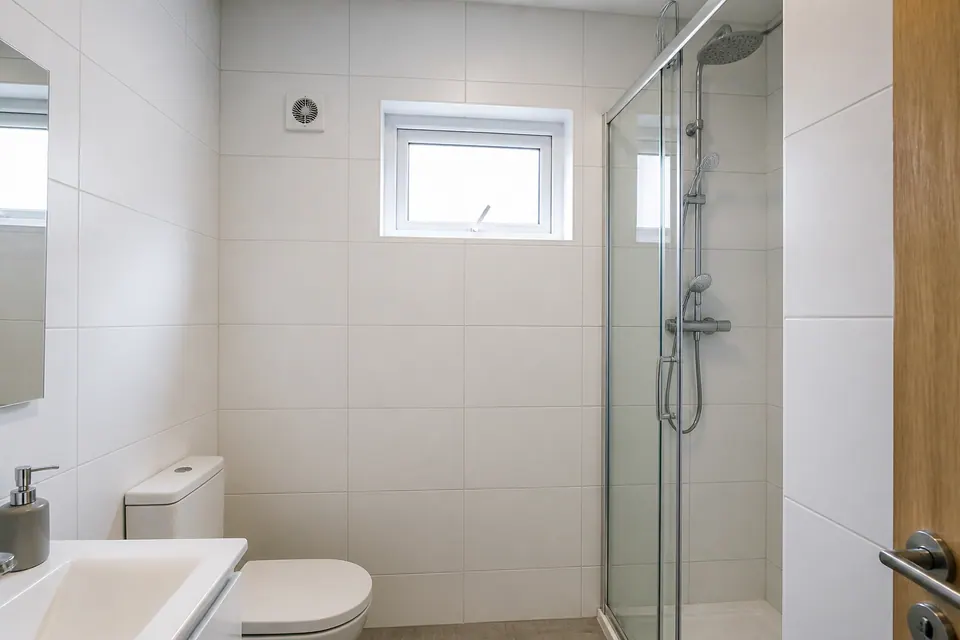
If another room is affected, give it a separate timeline and name its finish. It may need a different scope.
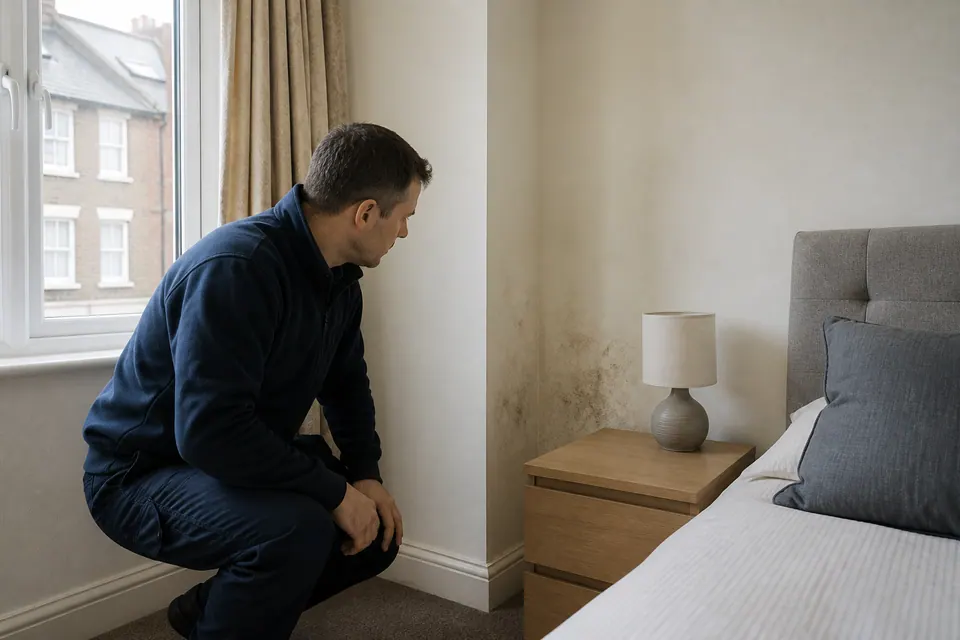
Describe sleeping arrangements and the reachable wall. Do not assume the living-room preparation plan suits the bedroom.
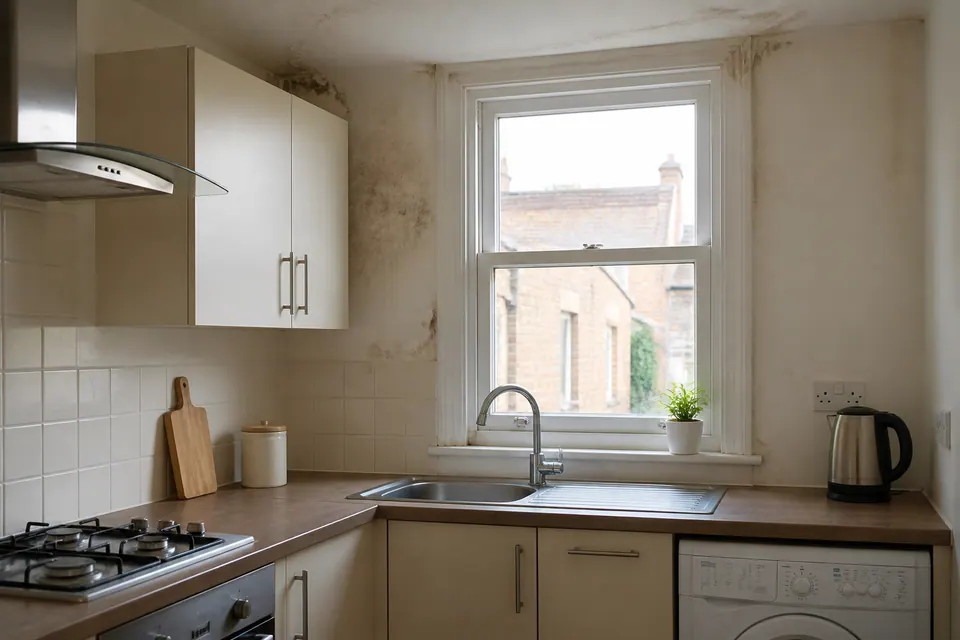
Keep nearby fittings and any documented water incident in context without diagnosing a source from position.
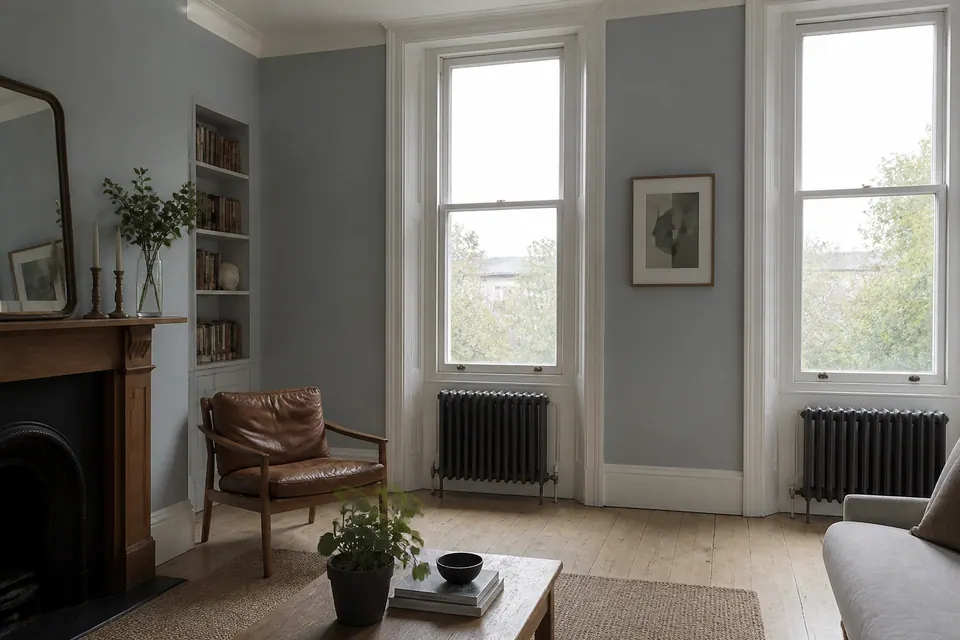
Show where furniture meets or obscures the wall. Ask about moving substantial items before promising full access.
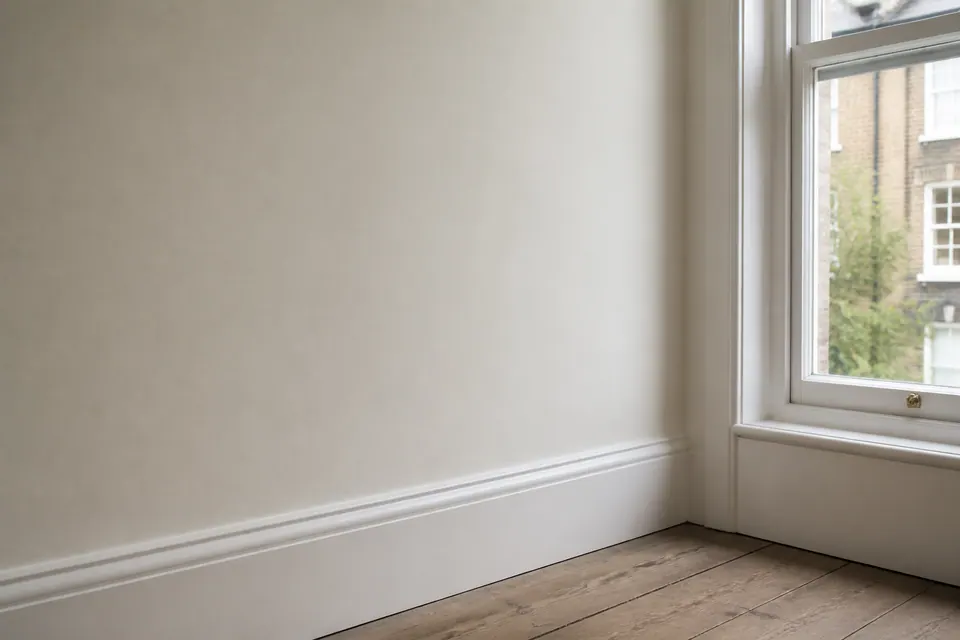
Say whether the patch returned on the same paint or after redecoration. Do not scrape the finish to compare hidden layers.
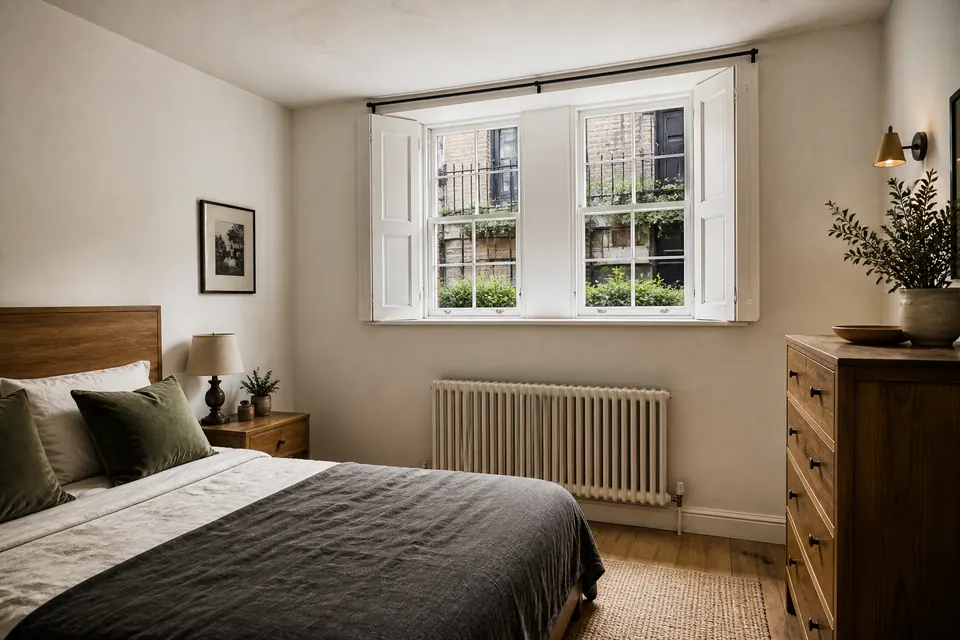
State which areas remain concealed. A visible strip cannot establish the condition behind a fixed unit.
A recurrence record supports assessment; it does not prove why growth returned.
10 / ROOM-BY-ROOM CONTEXT
Record its own surface and timing rather than merging it with the sitting-room patch.
Include room-use restrictions and any earlier treatment specific to that sleeping space.
Mention documented incidents separately from marks that merely sit near plumbing.
Keep the wall location visible in photographs even when the furniture arrangement changes.
Identify whether a new mark is actually in another area and whether access is shared.
Give its known water history independently; matching colour is not evidence of a shared source.
Streatham / BEFORE BOOKING
A few precise details make the earlier and present condition easier to compare.
Describe the previous position and approximate dates honestly, keeping uncertain details clearly uncertain.
Choose clear dated views that identify the location and meaningful changes rather than many indistinguishable close-ups.
It may be newly visible rather than newly developed. Explain when it was first seen and what was previously concealed.
No. Include it as a separate event and state whether any other treatment was undertaken.
Their materials and suitability need consideration; similar appearance is not enough to decide.
The current extent, access, material and unresolved conditions may differ from the earlier scope.
Do not use a general clean as a substitute for reviewing returning suspected mould.
The location, dates, named treatment surfaces and any moisture or repair question still open.
No. Continued moisture or other unresolved conditions can allow growth to return.
STREATHAM / COMPARE THE CURRENT PATCH
Send the postcode, current views and a short account of earlier work. Identify what returned, what is new and what remains concealed.
Living-room scenes are illustrative and do not show completed customer treatments.
