
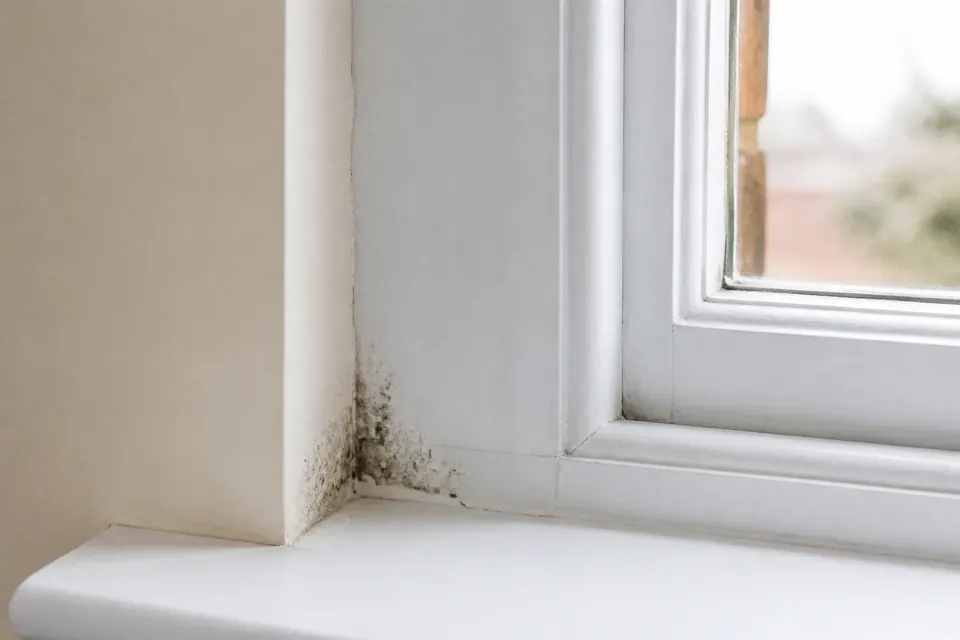
A window with a separate maintenance contact
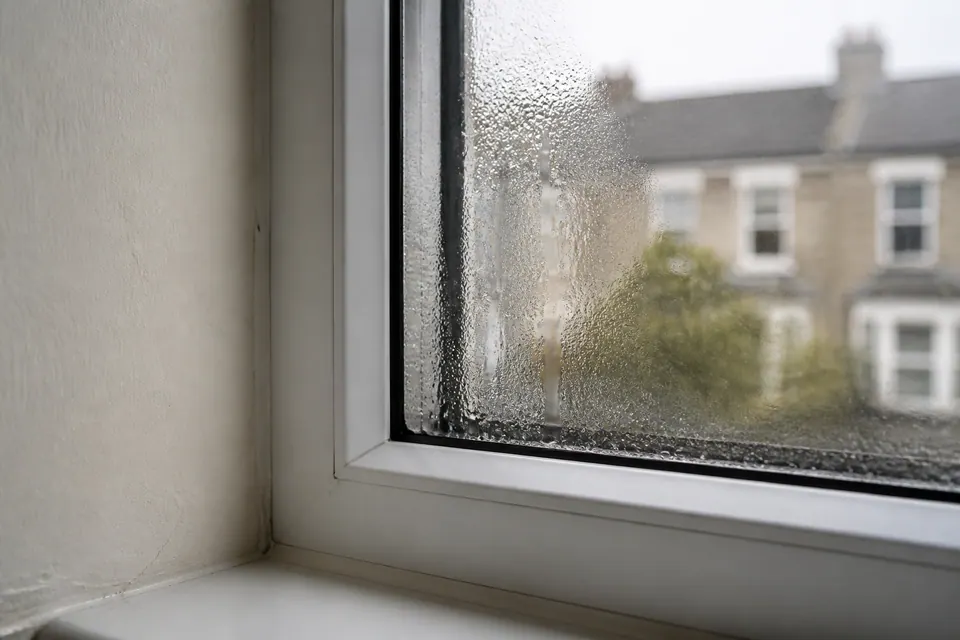
Show the internal reveal and provide the actual frame-work description where available. Do not expand a record about one component into confirmation of the condition of every adjacent finish.
Poplar / PROPERTY CONDITION
Keep the room evidence and the building record in the same brief, not the same assumption.
For a Poplar property, useful maintenance information may be held by a manager rather than the occupant. Send current surface photographs and identify the source of any confirmed repair details. A building report should not be treated as a diagnosis of the room or an automatic extension of its treatment scope.
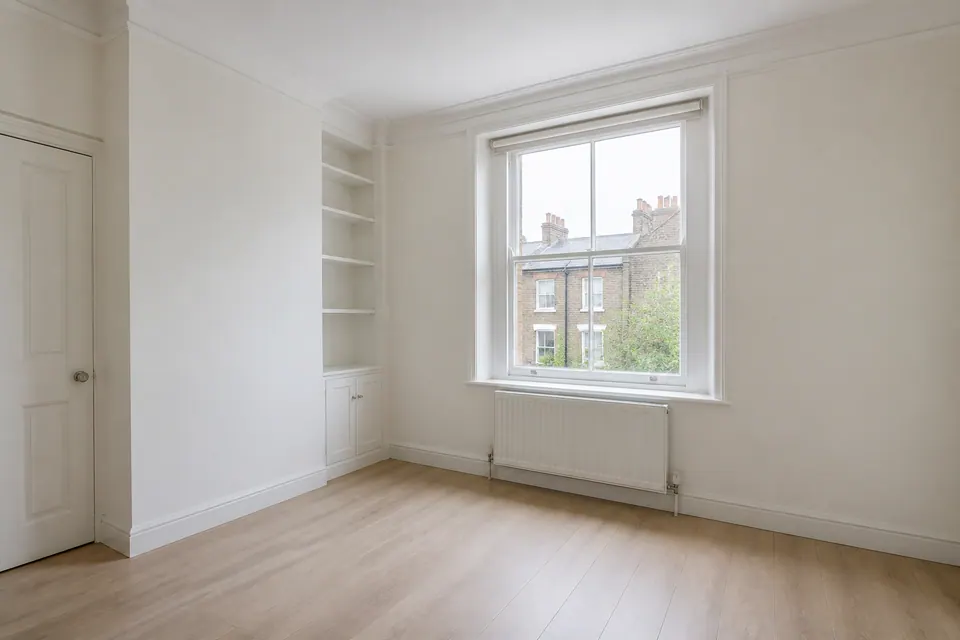
Current room · maintenance record · open question
01 / LOCATE THE ISSUE
Use the setting selector to locate the current finish, then match any maintenance information to the area it concerns. A broad building note should not replace room-specific evidence.
Show the internal reveal and provide the actual frame-work description where available. Do not expand a record about one component into confirmation of the condition of every adjacent finish.
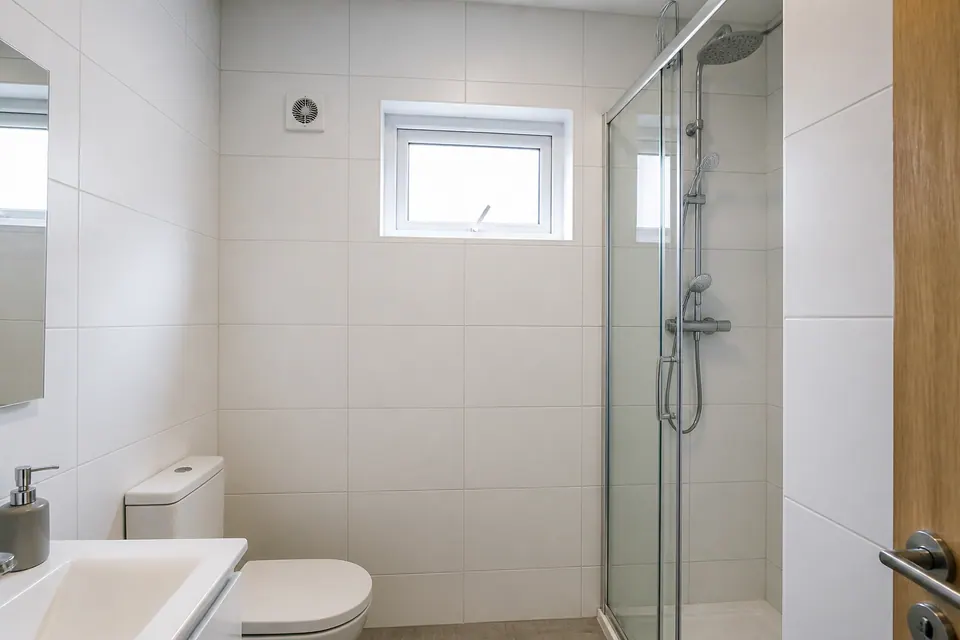
Identify the coating and current observations separately from any report about equipment. A scheduled check should not be described as completed maintenance or proof of performance.
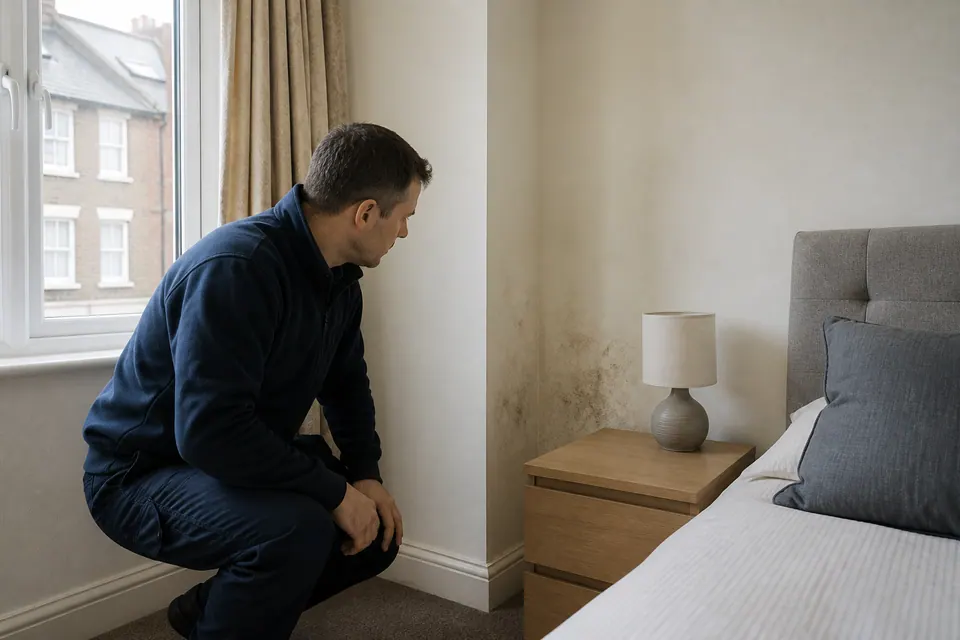
Keep the room label and dates attached to the current images. Older messages may describe a different layout or extent, so clarify what has changed since they were written.
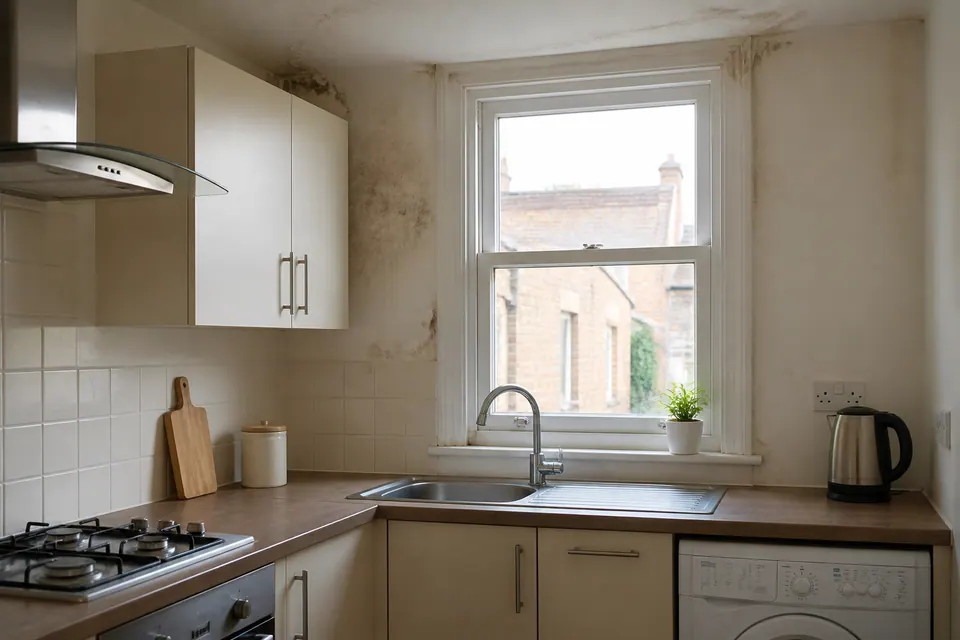
Provide confirmed information about the relevant component without assigning a source from its proximity alone. The visible wall and the system record answer different questions.
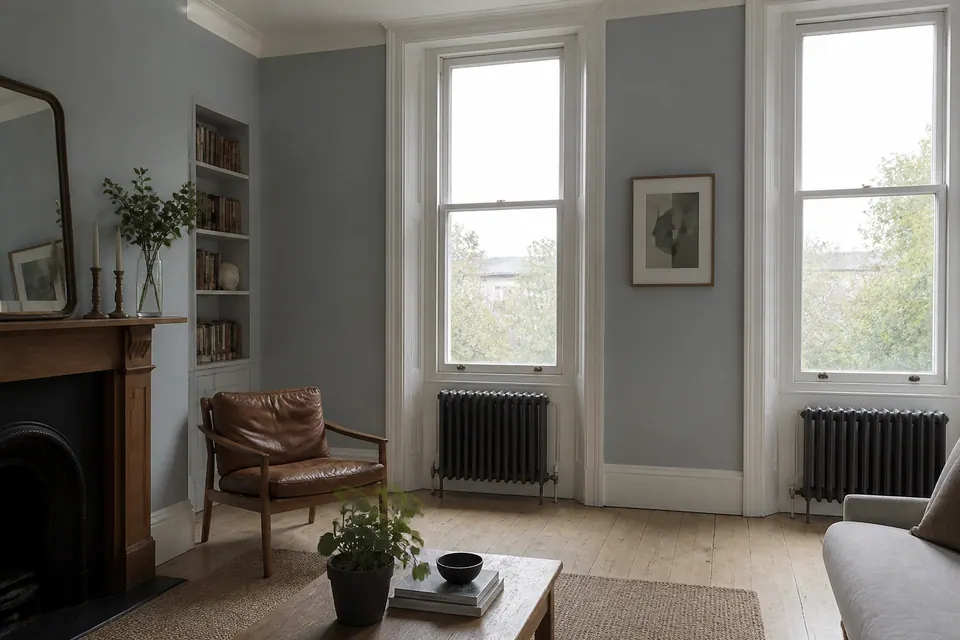
State when reliable information is unavailable. A current photograph remains useful without filling gaps with an assumed building explanation.
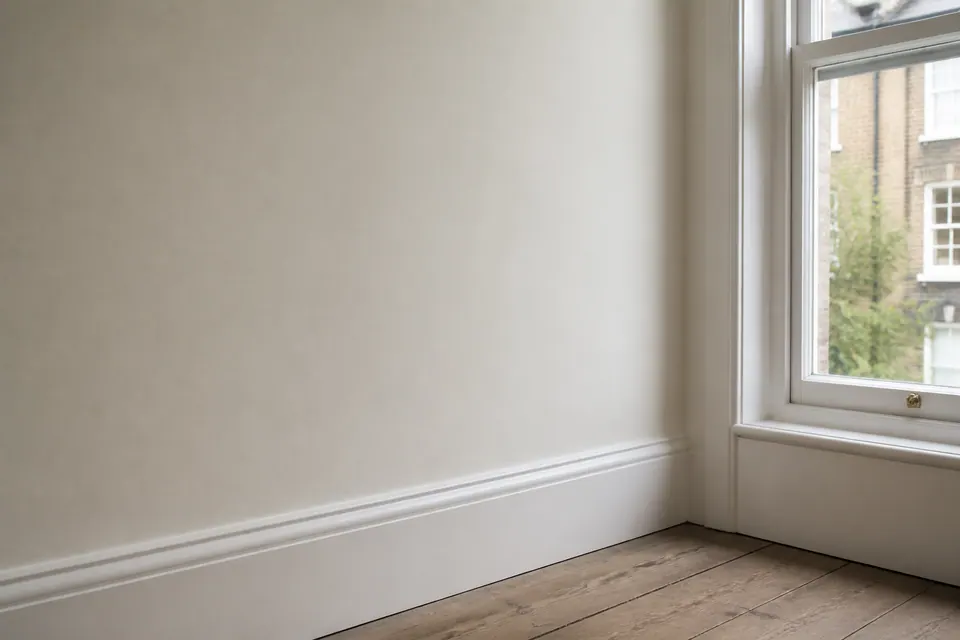
Identify the material and present damage in ordinary words. A general record using the term damp does not establish the suitability of a particular coating for surface treatment.
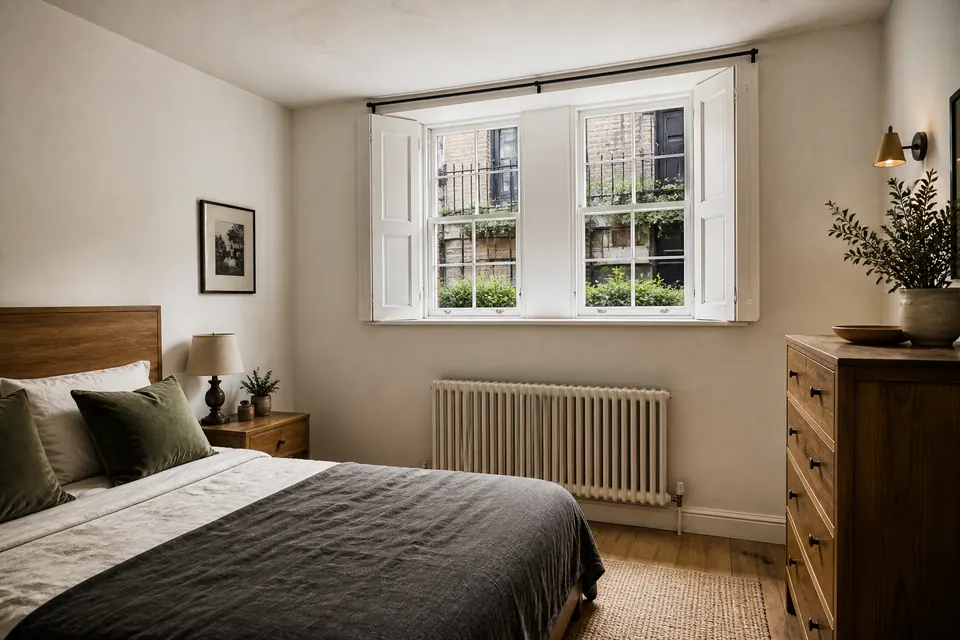
Share the report’s wording and limits, keeping it separate from what is visible now. Do not present a secondhand concern as a direct observation of the whole hidden space.
A record is useful because of what it actually establishes. Keep its date, location and scope intact instead of turning it into a broader conclusion about the property.
Poplar / ACCESS & PEOPLE
They can describe current layout, visible condition and everyday observations. Their account should remain identifiable rather than be replaced by a general management summary.
They may provide records about a component or shared system. Keep those records within their stated location and scope instead of applying them to every room.
Bring the relevant material together and identify gaps clearly. Coordinating information does not make an unconfirmed report a verified cause or authorise additional building work.
Tenants can provide dated room evidence and pass on records with attribution. The enquiry does not require them to determine fault or legal responsibility.
Landlords should distinguish proposed checks, arranged visits and completed repairs. A surface proposal should not rely on a maintenance task being finished if that has not been confirmed.
Homeowners should identify unanswered component or source questions while defining the accessible finish. A record from another party should not silently expand the treatment scope.
Poplar / THE PROPERTY BRIEF
Information can come from different contacts without losing its meaning.
Identify the person who can supply confirmed maintenance history and the occupant who can describe the current room. Keep proposed investigations, completed repairs and present observations separately labelled. Ask what the surface enquiry can address and which building question still needs another response.
04 / WHEN IT COMES BACK
Keep current recurrence dates beside the actual maintenance sequence. If a report covers only one visit or component, do not use it to fill an unrecorded interval or explain every later change.
Continuing moisture can remain relevant even where some work has been recorded. The present finish needs review without assuming that a general building update proves all possible contributors have been resolved.
Note what the occupant saw and what a separate record states. That makes later review clearer than a combined narrative that no longer shows which facts are confirmed.
05 / A CONTROLLED APPROACH
Consider the room evidence and relevant records together, identifying their limits. Do not treat a proposed or unrelated task as confirmation of the current condition.
Agree preparation and entry with the actual occupant while keeping building-information requests separate. Missing records should be stated rather than replaced by assumptions.
Carry out suitable work within the agreed accessible scope. Shared-system investigation or repair should not be implied merely because a management report was supplied.
Explain the surface result and identify questions still awaiting another contact or assessment. Keep occupant return guidance distinct from the building follow-up list.
The illustration is not a building maintenance certificate or proof that every issue in the records has been addressed.
Label the present room and finish.
Use the scope agreed from the available evidence.
Record remaining questions with their relevant contact.
These stages are illustrative, not customer building-report evidence. A treated room finish does not close an unassessed shared-system concern.
06 / QUOTATION, NOT GUESSWORK
The quotation should identify the suitable finish, current extent and preparation. Records can inform that enquiry but do not automatically add system work or prove suitability. Photographs may support a defined area, while recurring or complex concerns can require assessment.
See the main mould-removal service ↗| Scope | Quotation basis | Information boundary to retain |
|---|---|---|
| Suitable accessible finish with clear extent | Photographs may support pricing | Confirm current material and reach independently of old records |
| Recurrence with relevant maintenance history | Assessment may inform the proposal | Distinguish completed work from planned checks |
| Unresolved shared or concealed concern | Specialist quotation may be needed | Keep system investigation or repair separately agreed |
Confirm inclusions and exclusions against the named finish. Supplying a building report should not imply that every task mentioned in it forms part of the surface-treatment price.
07 / SEPARATE THE QUESTIONS
Use each record for the finding it actually contains. A shared-system note, an occupant observation and a current wall image can be relevant together without proving a single source.
| Visible issue | Possible contributing factor | What may need checking |
|---|---|---|
| A marked reveal with a frame record | Moisture near the window may be relevant | Keep the component work and current coating evidence distinct |
| Bathroom spotting with a maintenance note | Repeated wetness may contribute | Clarify what equipment work is confirmed and what remains proposed |
| A wall change near a reported system issue | A moisture question may need consideration | Attribute the report and avoid extending its finding beyond its scope |
| The room mark returns after a general update | An ongoing contributor may remain | Review the actual work sequence and current condition |
Shared-system repairs, ventilation work, concealed investigation and material replacement require their own agreement where needed. Mentioning them in a brief does not make them part of the removal proposal.
Mould describes fungal growth and damp describes excess moisture. A record using either term should remain tied to the location and evidence it actually concerns.
| Question | Mould | Damp |
|---|---|---|
| The condition described | Growth on a particular finish | Excess moisture affecting material or surroundings |
| Evidence to match | Current room photographs and outline | Reliable water observations and attributed findings |
| A possible relationship | Growth can recur where moisture persists | Moisture may remain relevant despite a recorded task |
| The next decision | What suitable finish work can be agreed? | Which source question still needs another assessment? |
08 / ROOM-BY-ROOM CONTEXT
A bathroom maintenance note should identify the component or work it concerns. Do not assume it establishes the present condition of every coating in the room.
A bedroom image should remain dated and labelled even when an agent forwards it. Current access and extent may differ from earlier correspondence.
A kitchen wall beside shared pipework needs its own finish evidence. A system record should not stand in for that material description.
A living-room concern can be described honestly even when history is missing. State the gap rather than supplying a guessed building narrative.
Common-area records may involve different permission and responsibility contacts. Keep those arrangements distinct from the private-room surface proposal.
For a lower-ground room, supply reliable water history with the current finish. A broad building description does not settle its material suitability or source question.
09 / DIRECT ANSWERS
Relevant records can inform the enquiry, but the current finish, extent and access still need definition. The report should not automatically expand the priced scope.
Ask what is confirmed about the present material and moisture question. A general update is not a substitute for reviewing the finish before a cosmetic step.
No conclusion should be drawn from the sequence alone. Keep the actual repair description and current observations separate for assessment.
Label it as planned, not completed. Explain the timing so the proposed surface work does not rely on an unconfirmed outcome.
The people using the room need the relevant preparation and return guidance. A building contact may need a separate list of unresolved maintenance questions.
Only the actual finding should be relied on. Do not add a broader conclusion to a brief note or assume a proposed check has already been carried out.
Identify that distinction. Do not apply a finding from one component automatically to the marked reveal in another room.
Not by implication. Surface work and system investigation or repair are different scopes requiring explicit agreement.
Poplar / PLAN THE APPOINTMENT
Send the postcode and the contact who can arrange actual room access. Identify a separate person for building records where relevant, keeping current observations and maintenance information clearly attributed.
Tell us which questions remain unanswered rather than presenting a general update as confirmation that all work is complete.
View the Poplar area map.
Poplar / BEFORE BOOKING
Keep the source, date and work status clear so the enquiry remains grounded in what is actually known.
A relevant original record can be useful with its date and context. Avoid rewriting it into a broader conclusion than it states.
Keep both accounts attributed and identify the difference. Do not merge them into a single confirmed explanation without clarification.
No. State its actual status so the proposed treatment sequence does not depend on an outcome that has not been confirmed.
Yes. The present finish, extent and layout may differ from the condition described when the report was written.
Keep that scope clear and identify the relevant contact. A room-treatment booking should not imply work on the shared component.
No. It identifies evidence and a proposed work boundary, not legal fault or payment responsibility.
The current occupant or another person with direct knowledge should provide that information rather than relying on an old management description.
State that the information is missing. A plausible assumption should not be presented as a confirmed cause or repair finding.
The treated surface, occupant instructions and unresolved questions with their relevant contacts. Do not present a room visit as closure of every item in the building record.
A PROPERTY-SPECIFIC NEXT STEP
Send the Poplar postcode, current finish photographs and relevant maintenance information with its source. Ask what can be agreed now and which building question remains open.
The illustrations depict property settings, not customer maintenance findings or verification of a shared building system.
