
Does a short preferred slot mean a smaller quotation?
Not automatically. The suitable scope, preparation and material determine the work. Explain the constraint, but do not assume it changes what is required or included.
St John’s Wood / PROPERTY CONDITION
The room’s everyday use belongs in the plan.
A room used for sleeping and working needs more than an appointment time. For a St John’s Wood mould-removal enquiry, describe the affected finish, the furniture around it and when the space is essential. Agree preparation and return instructions before assuming normal use can continue around the visit.
Daily use · preparation · return guidance
St John’s Wood / THE PROPERTY BRIEF
Departure time is not the same as return-to-use guidance.
Explain if the affected room is used for sleep, remote work or another essential daily activity. Ask about preparation and applicable restrictions before arranging alternatives. A proposed duration should not be interpreted as a promise that every activity can resume the moment the treatment visit ends.
02 / DIRECT ANSWERS
Not automatically. The suitable scope, preparation and material determine the work. Explain the constraint, but do not assume it changes what is required or included.
A cosmetic step is not a substitute for reviewing growth and moisture. Discuss the current finish before covering evidence or planning a decorative result.
The routine is context, not a confirmed cause. Provide observations and the history without assuming an activity alone explains recurrence.
Do not rely on a generic promise. Ask about the proposed method and instructions before planning essential use around a fixed deadline.
No automatic cue should be assumed. Follow the applicable return instructions and ask for clarification before resuming sleeping, working or other activities.
Explain that limitation before booking. The practical arrangement needs to be discussed alongside the suitable approach rather than left until arrival.
Show its position and ask about preparation. Do not presume equipment can stay in place or that handling it is included in the wall-treatment scope.
Changing layout may affect access, but it does not establish that a moisture source has been repaired. Keep any further investigation or work separate.
St John’s Wood / ACCESS & PEOPLE
Explain both uses so preparation is not based only on the bed or only on the desk. Keep any equipment and fabric questions distinct from the affected wall finish.
Identify who needs the instructions and how they will be passed on. A booking contact’s availability does not mean every occupant understands the preparation or return arrangement.
Say if the household has little flexibility to relocate activities. Discuss the method-specific guidance before treating another room as a suitable substitute or promising a fixed return time.
Tenants can describe essential use and agree permissions without making a medical or legal claim about the room. Practical information helps define a workable appointment and communication plan.
Landlords should not arrange a time based only on contractor availability. The person using the room needs the agreed preparation and return information before the visit is confirmed.
Homeowners can state a preferred window while recognising that the material and selected approach determine the work. A convenient time does not make a particular treatment or immediate room return appropriate.
04 / A CONTROLLED APPROACH
Review the material, visible extent and history alongside essential room use. Identify the suitable scope before estimating how the visit fits the household’s day.
Agree preparation for furniture and nearby belongings, and make sure the occupants know the applicable arrangements before the technician arrives.
Carry out the selected work within the confirmed surface scope. A request for rapid return should not expand or override the limits of the method or material.
Give the relevant return instructions and identify any separate repair or moisture question. The handover should be understood by the person resuming use of the room.
The illustrated sequence is not a countdown to sleeping or working in the space. The actual instructions depend on the agreed approach and circumstances.
Record the condition and the current room layout.
Use the agreed work and access arrangement.
Clarify instructions before normal activities resume.
The diagram is illustrative, not a customer timetable or a universal room-return promise. Continuing moisture can remain a separate concern after treatment.
05 / QUOTATION, NOT GUESSWORK
The surface, extent and preparation inform the proposed work; a preferred time slot does not establish the price or suitability. Provide the room-use constraints with the photographs and ask whether assessment is needed before a quotation can be agreed.
See the main mould-removal service ↗| Scope | Quotation basis | Practical point to confirm |
|---|---|---|
| Suitable accessible surface with clear reach | Photographs may support a quotation | Confirm the actual layout and preparation requirements |
| Several areas or recurring changes | Assessment may be needed | Explain which room uses and surfaces are involved |
| Damaged material or complex moisture concern | Specialist quotation may be required | Keep separate work visible rather than fitting it into an assumed short visit |
Ask for the total, included area and exclusions. Alternative accommodation, equipment handling and separate repair tasks should not be assumed part of the surface-treatment quote.
06 / ROOM-BY-ROOM CONTEXT
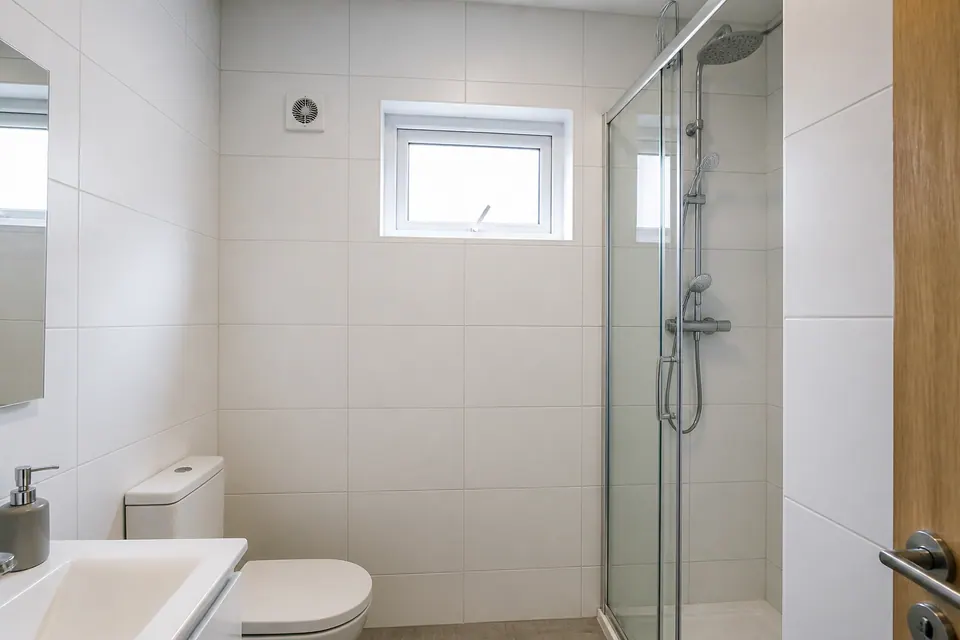
For a household’s only bathroom, explain the constraint early and ask for applicable use instructions. Do not assume ordinary washing can resume at a fixed generic interval.
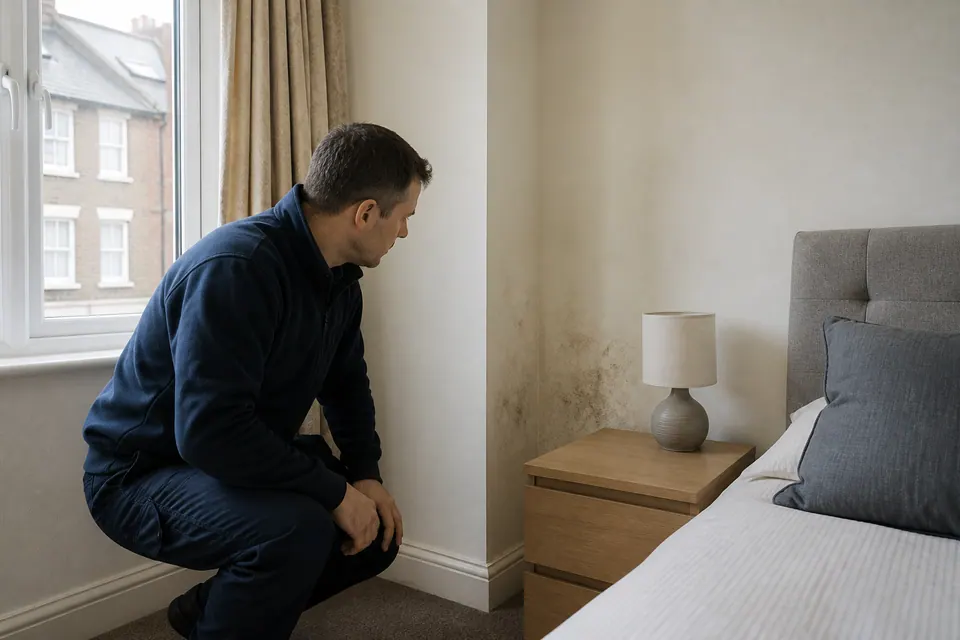
For a bedroom, clarify the bed position and sleeping-space arrangements before treatment. The return decision should follow the agreed guidance, not appearance alone.
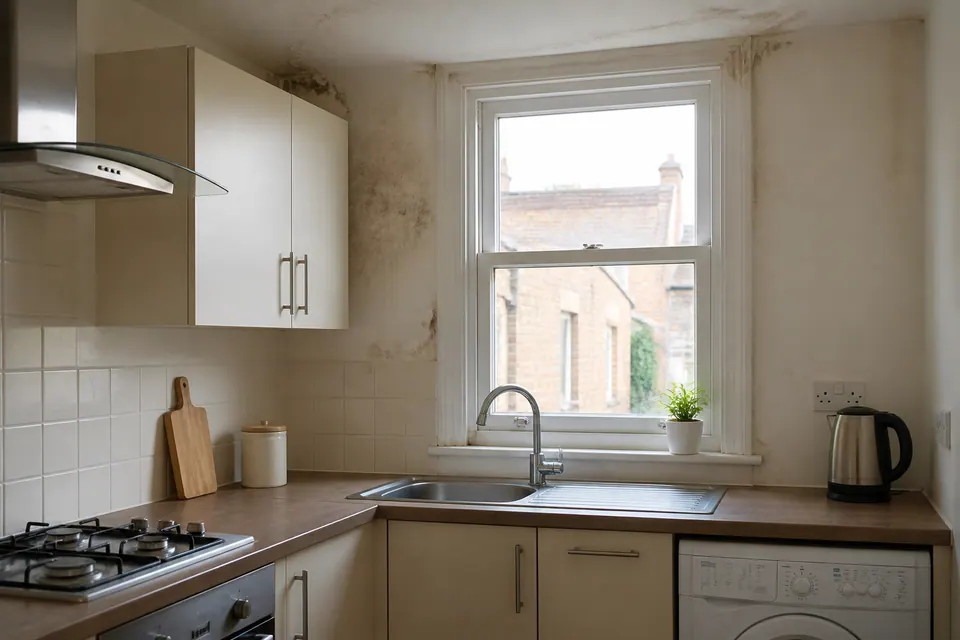
For a kitchen, identify equipment and daily access needs separately from the wall scope. An ordinary cleaning routine is not a preparation plan for every treatment approach.
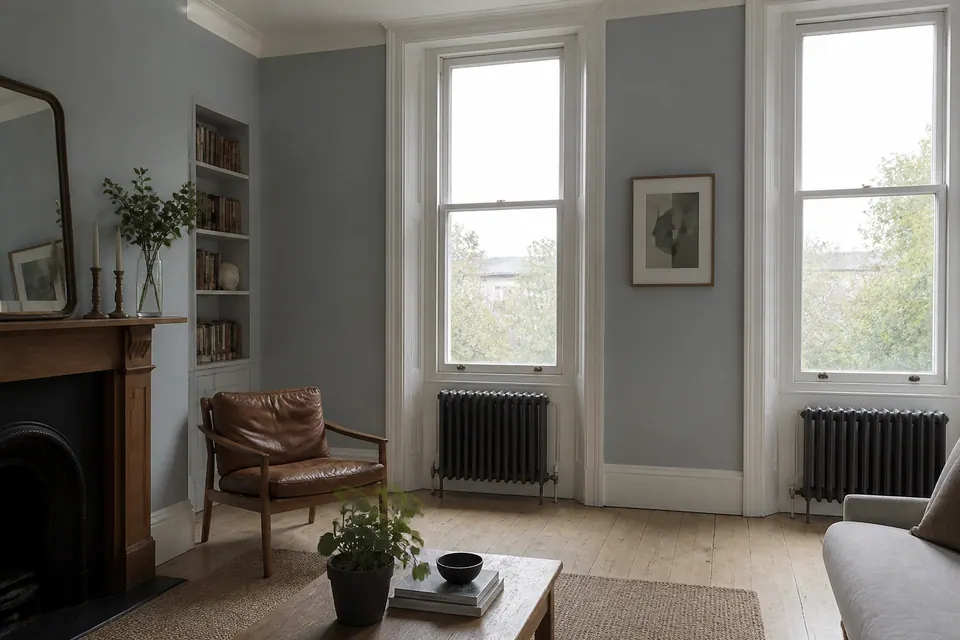
For a living room used as an office, explain both activities and the available clearance. Preparation should reflect the combined layout rather than an idealised empty space.
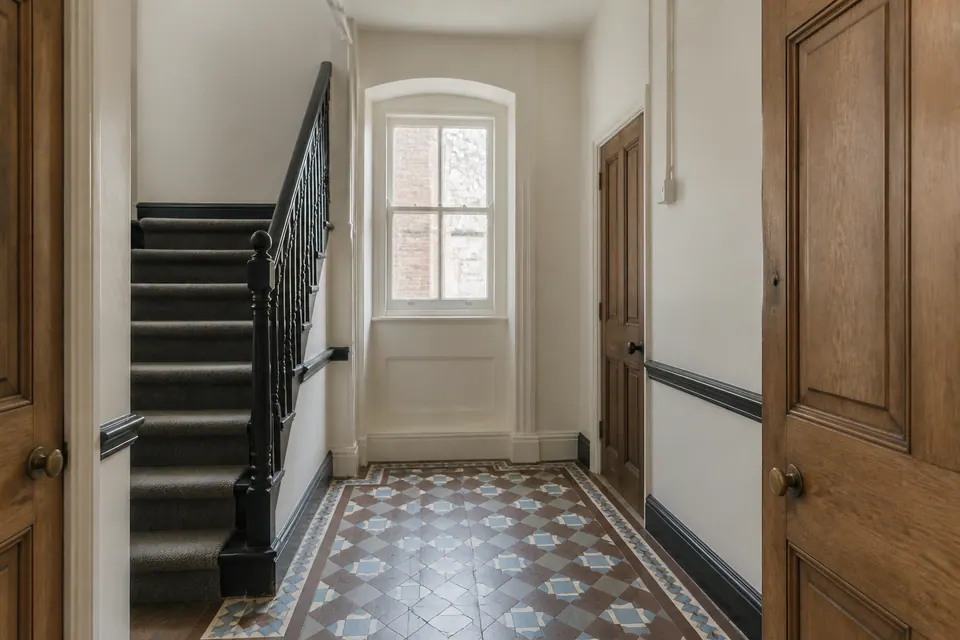
For a shared hallway, identify who uses the route and who can agree the work. Common-area permissions and communication need separate attention from an in-room appointment.
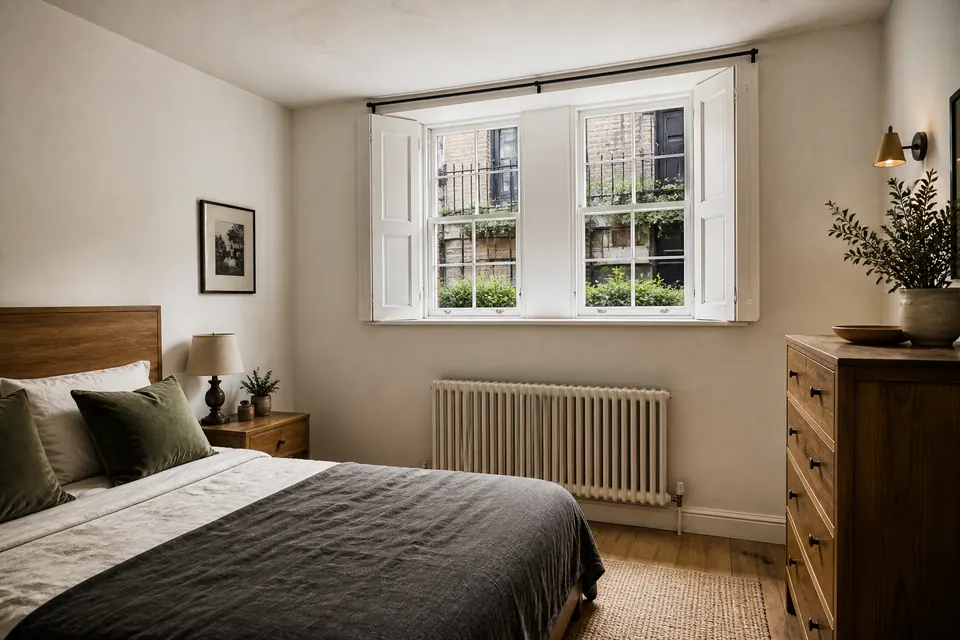
For a lower-ground room used daily, provide its floor level and known water history. Essential use does not remove the need to consider damaged or persistently wet material.
07 / WHEN IT COMES BACK
Note changes such as a desk being added or the room being used more often, where known. That context may help the enquiry, but it should not replace a dated record of the finish or become an assumed explanation.
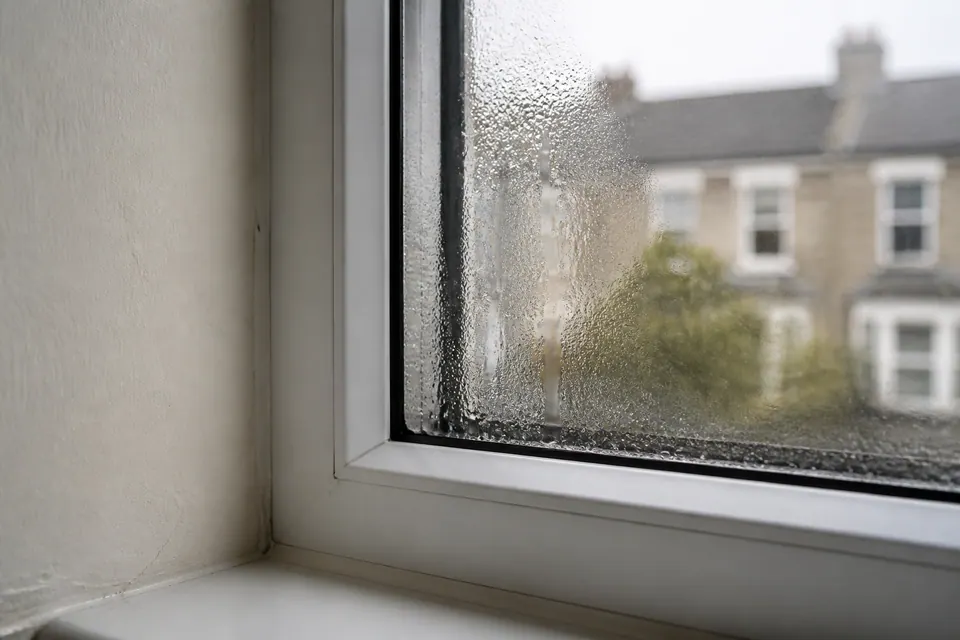
If moisture remains relevant, growth can return after surface work. Condensation, leakage or other conditions need consideration without attributing the issue automatically to the household’s working or sleeping arrangements.
Keep dates, photographs and known work together. Describe when moisture or a mark is seen, leaving the cause open rather than interpreting an everyday activity as a confirmed diagnosis.
08 / SEPARATE THE QUESTIONS
Describe the routines and observations without assigning blame or assuming one activity explains the mark. The visible finish and moisture context need review on their own evidence.
| Visible issue | Possible contributing factor | What may need checking |
|---|---|---|
| Marks beside a desk-side window | Moisture near the reveal may be relevant | Separate glass observations, frame concerns and the affected finish |
| Spotting in a frequently used bathroom | Repeated wetness may contribute | Describe what is observed between uses without assuming equipment performance |
| A mark near the sleeping area | A continuing moisture condition may be involved | Provide the finish history and layout without diagnosing from furniture position |
| Growth returns after a change in routine | A contributor may remain unresolved | Record the sequence without treating timing as proof of cause |
Surface treatment, leak repair, ventilation changes and material replacement have different scopes. Rearranging daily activities around a visit does not establish that those separate conditions have been addressed.
Mould describes fungal growth; damp describes excess moisture. Neither term alone establishes the room-use instructions for a particular treatment method.
| Question | Mould | Damp |
|---|---|---|
| What is described? | Growth affecting the identified finish | Excess moisture in the material or setting |
| Useful observations | The location and outline beside everyday furnishings | Known water history and observed wetness |
| How may they relate? | Growth can return where contributing moisture persists | Moisture may support growth despite a completed surface visit |
| What needs agreement? | Suitable treatment and preparation for the finish | Any separate investigation of the moisture contributor |
09 / LOCATE THE ISSUE
Select the setting, then describe both the finish and the room’s ordinary use. A treatment area can be small while the surrounding preparation has a practical effect on the household.
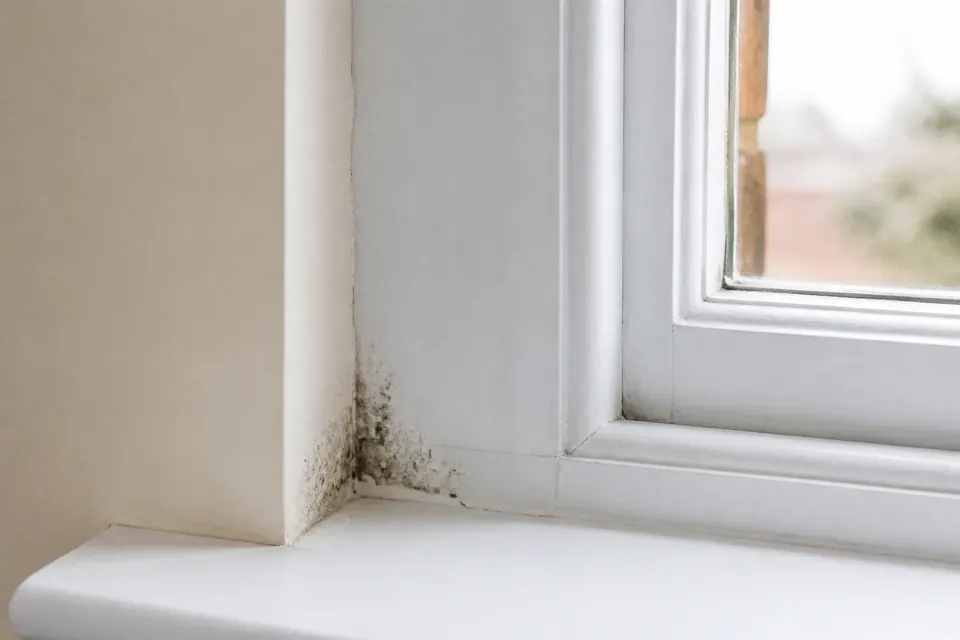
Include the desk or other everyday furniture in the wider image. Explain the reach to the reveal and keep electrical equipment outside an assumed wall-treatment scope.
Say whether it is the only washing space and show the affected coating beside fixed fittings. Ask how the agreed method affects room use rather than building a routine around an assumed short interruption.
Show the bed’s position without pushing it against the mark to create clearance elsewhere. Agree any movement and return guidance before deciding where sleeping arrangements will be made.
Identify the finish and the equipment nearby, with any known water event separately described. Preparation for a treatment should not be inferred from ordinary kitchen cleaning routines.
Explain the competing uses and available space rather than treating the room as empty between activities. A wider photograph can show why rearrangement needs a practical plan.
Describe the coating and its condition where visible, and say which objects restrict the view. The need to use an item every day does not establish how it should be handled during preparation.
Identify what can be reached and any concern about the stored contents. Do not move affected belongings into another occupied area before appropriate handling guidance is agreed.
Describe use patterns as context, not as proof of a cause. The assessment should distinguish what is observed from an assumption about why the room developed a problem.
St John’s Wood / PLAN THE APPOINTMENT
Send the postcode and realistic access times, with the room’s essential uses clearly described. Make sure the person arranging the appointment can pass the preparation and return guidance to those using the space.
Keep a preferred timetable distinct from confirmed instructions; ask before committing to alternative sleeping or working arrangements.
View the St John’s Wood area map.
St John’s Wood / BEFORE BOOKING
Resolve the practical instructions before making arrangements that depend on the room being available at a particular time.
Yes. Show the combined layout and explain essential use times so preparation is not based on only one function of the room.
State the preferred window, but ask about the proposed approach and instructions before relying on that arrangement. A visit duration is not necessarily the complete period affecting room use.
Ask for the preparation plan first and explain what can safely be arranged. Do not assume movement is required, included or appropriate without guidance.
Show its position and ask what preparation applies. Electrical equipment and other contents are not automatically part of treatment of the adjacent finish.
The people who will use the room need the relevant guidance, even if an agent or landlord made the booking. Agree how that information will reach them.
Ask for guidance applicable to the current method and circumstances. Earlier instructions should not silently replace a new agreed arrangement.
Explain that constraint before confirming work. Do not assume a universal answer about use or make arrangements based solely on how quickly a surface appears clean.
Suitability and the agreed scope need to lead that decision. A convenient schedule does not establish that a particular approach is appropriate for the finish.
Clarify the instructions for resuming activities and returning furnishings, plus any unresolved repair or moisture question. Keep those decisions separate from the technician’s departure time.
A PROPERTY-SPECIFIC NEXT STEP
Send the St John’s Wood postcode, the affected finish and the room’s essential daily uses. Ask for a practical preparation and return plan before committing to a timetable.
These room illustrations do not document a customer treatment schedule or establish when a particular occupied space can be reused.
