
An intact accessible coating
Describe the marked portion and surrounding material. A suitable surface decision should be based on condition rather than a general basement description.
HAMPSTEAD / LOWER-GROUND CONTEXT
Being below the entrance level is context, not a diagnosis.
For a Hampstead lower-ground enquiry, show the affected finish and describe the room level, window arrangement and known water history. Persistent wetness or deteriorated material may change the appropriate next step. Do not assume that a surface-treatment visit also investigates or repairs the building below ground.
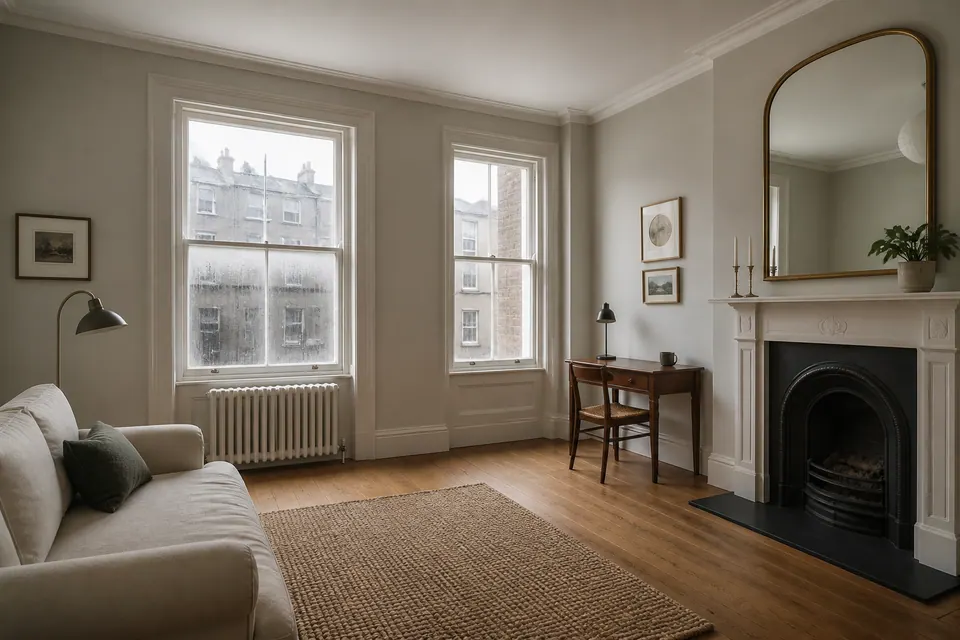
Position · wetness · suitability
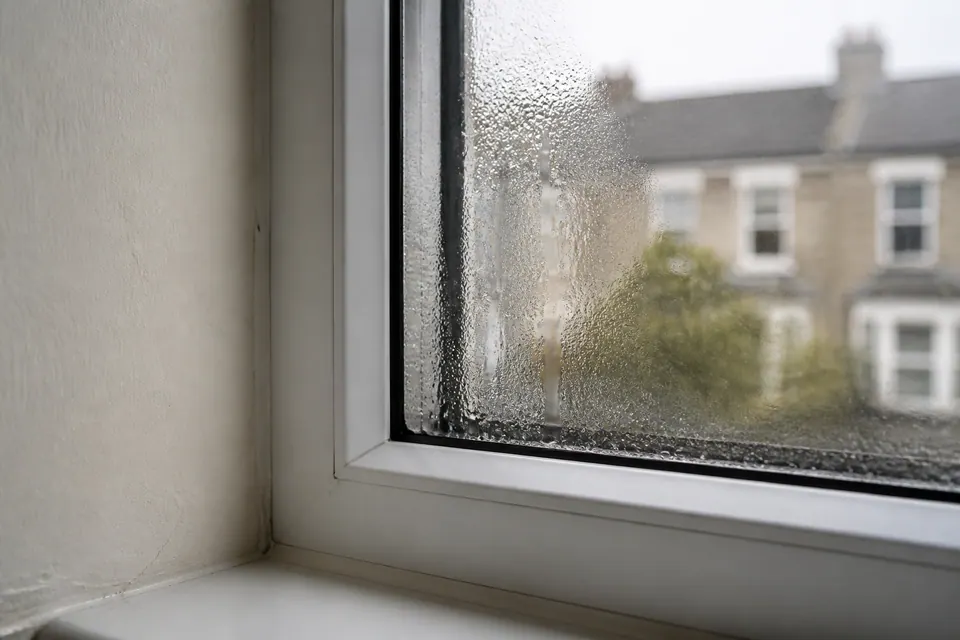
01 / WHEN IT COMES BACK
Record the specific location and interval after previous work. Include whether visible wetness persisted, but do not infer a named damp mechanism from the floor level.
Keep actual repair or investigation records with the treatment scope. A renewed enquiry should distinguish a returning treated area from material that was damaged or outside the earlier agreement.
Use the same window or floor feature in later photographs. It makes comparison clearer without requiring probing or opening the wall.
Hampstead / ACCESS & PEOPLE
Describe the marked portion and surrounding material. A suitable surface decision should be based on condition rather than a general basement description.
Report visible damage without testing it yourself. Treatment may not be the only or first appropriate work for unsound material.
Explain steps, narrow approaches and fitted obstacles. Confirm practical entry before assuming equipment can reach the surface.
Provide the room-level facts and visible evidence through the booking arrangement. Do not diagnose structural damp or infer legal responsibility.
Supply known water incidents and actual repair scopes. A previous repaint is not evidence of waterproofing or completed moisture investigation.
Separate the desired appearance from any unresolved material or building question. Ask whether another assessment is needed before surface work.
03 / DIRECT ANSWERS
No fixed rate should be inferred from the floor level. Small suitable accessible areas may use photo quotations; recurrence, damage or complex damp can require assessment or specialist quotation.
Paint is not a substitute for assessing growth and moisture. A weakened or wet material may need another decision before decoration.
No. Report the location, timing and known events. A specific damp mechanism cannot be diagnosed from recurrence or level alone.
Access can affect planning, but material, extent and method determine the proposed work. Describe stairs and restrictions rather than assuming a duration.
Explain its use and ask for applicable instructions. Occupancy does not establish suitability or a universal return time.
Identify suitable accessible surfaces and their condition separately. Bathroom sealant or damaged boards may require different work.
Show the visible interior evidence and known water observations. Repairs outside the assessed finish are not automatically included.
Not unless separately agreed. Unsound materials may require specialist repair or replacement rather than an assumed surface method.
04 / A CONTROLLED APPROACH
Consider the accessible finish, known water events and visible deterioration. Identify any issue that needs another scope before treatment.
Confirm access and room preparation around the actual level and layout. Do not disturb weakened material to make it appear ready.
Carry out the agreed work on appropriate accessible material. Damaged or newly exposed conditions require discussion rather than automatic repair.
Distinguish addressed growth from unresolved wetness, staining or material damage. Clarify any separate investigation or reinstatement need.
A completed surface visit does not certify the lower-ground building condition.
Show the patch and any visible deterioration.
Work only on the suitable accessible finishes named.
Keep repair and moisture questions explicit.
The stages are schematic, not customer outcome photographs. Continued moisture can allow growth to return.
Hampstead / LOWER-GROUND ENQUIRIES
A basement label does not tell us what the wall needs.
Describe the floor level relative to the main entrance and include the opening or lightwell arrangement where visible from the room. Note whether the affected coating appears intact, loose or persistently wet. Provide confirmed water incidents rather than an assumed explanation about the building. The enquiry should distinguish an accessible finish suitable for treatment from conditions requiring another investigation or repair.
Hampstead / PLAN THE APPOINTMENT
Send the Hampstead postcode and describe steps, entrances and the affected room level. Confirm availability after the material condition and access are understood.
Mention any separate investigation or building repair already proposed so the appointment does not depend on an assumption that those questions are resolved.
Open the map for area context when discussing the visit.
07 / QUOTATION, NOT GUESSWORK
For a Hampstead lower-room quotation, provide present photographs, affected dimensions and confirmed water history. Report deterioration early so a photo-based small-area assumption does not conceal a need for assessment or specialist work.
Read the main service limitations ↗| Reported condition | Quotation approach | Evidence needed |
|---|---|---|
| A suitable accessible limited patch | Photographic quotation may be appropriate | Present finish and visible dimensions |
| Recurring growth or several areas | Assessment of the proposed scope | History for each affected surface |
| Wet, damaged or complex material concerns | Specialist quotation as required | Confirmed events and current deterioration |
Clarify exclusions before booking. Waterproofing, drainage, structural investigation and reinstatement are not implied by mould removal.
08 / SEPARATE THE QUESTIONS
Assessment should distinguish the visible finish from unanswered questions about moisture and the building.
| Visible condition | Possible context | What to clarify |
|---|---|---|
| A marked reveal beside a low window | Moisture around the opening | Where water is observed and which finish changes |
| Bathroom spotting on the lower level | Repeated wetting and room drying | The ordinary use and coating condition |
| Damaged material after water entry | Residual moisture or deterioration | The confirmed event and repair status |
| Growth returning on a lower wall | A persistent moisture condition | Previous work and whether material remains wet |
Damp surveys, waterproofing, drainage work and replacement of damaged materials need their own agreed scope. A mould-removal quotation should not imply that the lower-ground building condition has been diagnosed or repaired.
The room position does not make these interchangeable findings.
| Question | Mould | Damp / moisture |
|---|---|---|
| Meaning | Fungal growth affecting an exposed material | Excess moisture involving the material or its surroundings |
| Evidence to supply | The visible extent and present finish | Persistent wetness and known water history |
| Relationship | Growth may develop while moisture remains suitable | Wet material can require attention beyond growth removal |
| Next step | Assess suitability for accessible treatment | Consider any separate investigation or repair |
09 / LOCATE THE ISSUE
Choose the setting and describe its material. Ground level does not make every finish or moisture question the same.
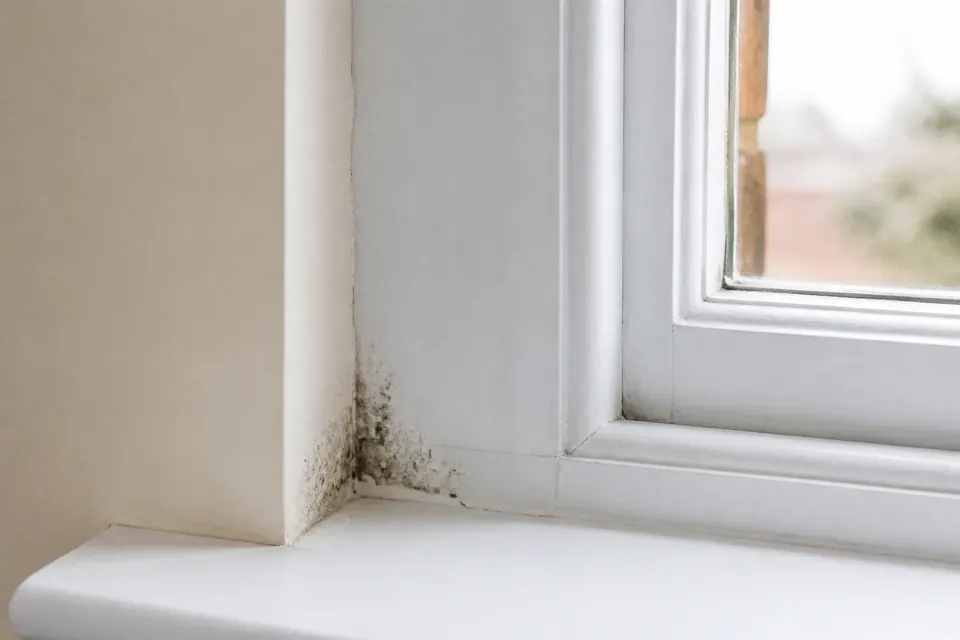
Show the interior frame and adjoining wall clearly. Report water actually seen without assuming the external arrangement proves a leak or waterproofing defect.
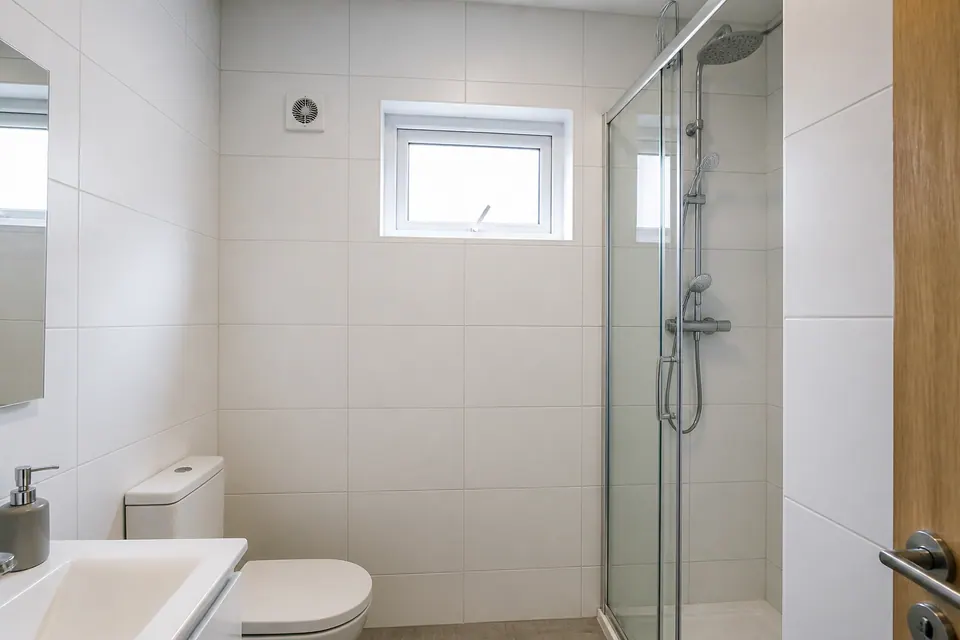
Include ordinary bathroom use as well as level and finish. Repeated wetting in the room is a separate observation from concerns about surrounding ground.
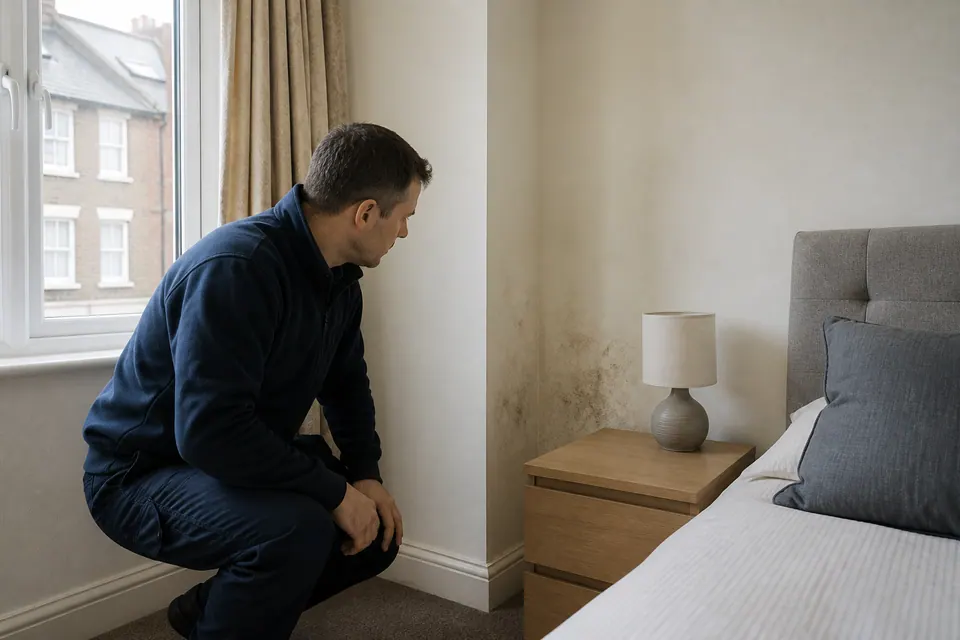
Describe the wall, furniture clearance and room-use needs. Sleeping use does not establish that the material is suitable for immediate treatment.
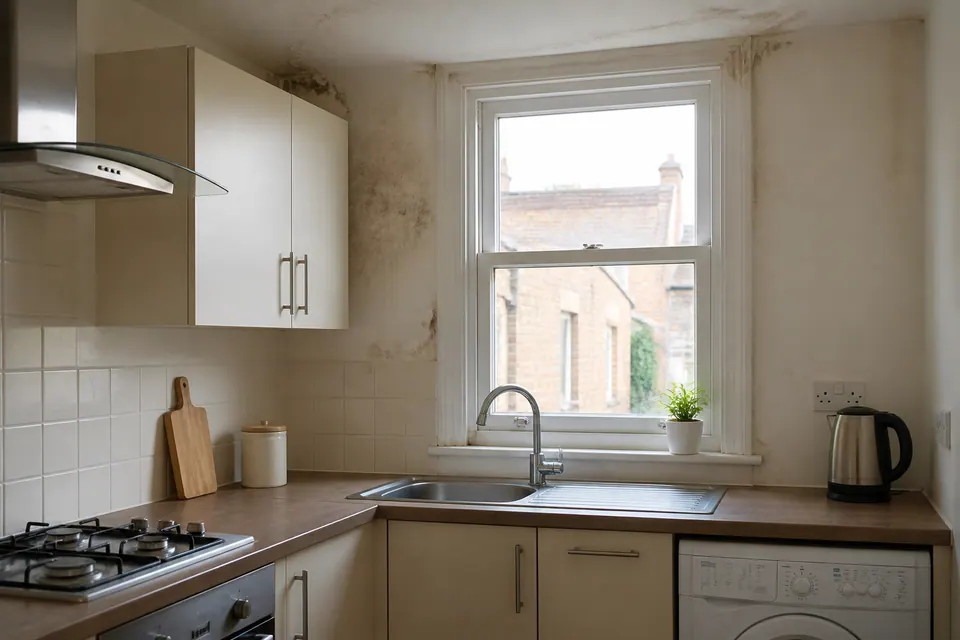
Keep confirmed pipework events distinct from general damp concerns. Fixed units may restrict access and should be identified before the scope is agreed.
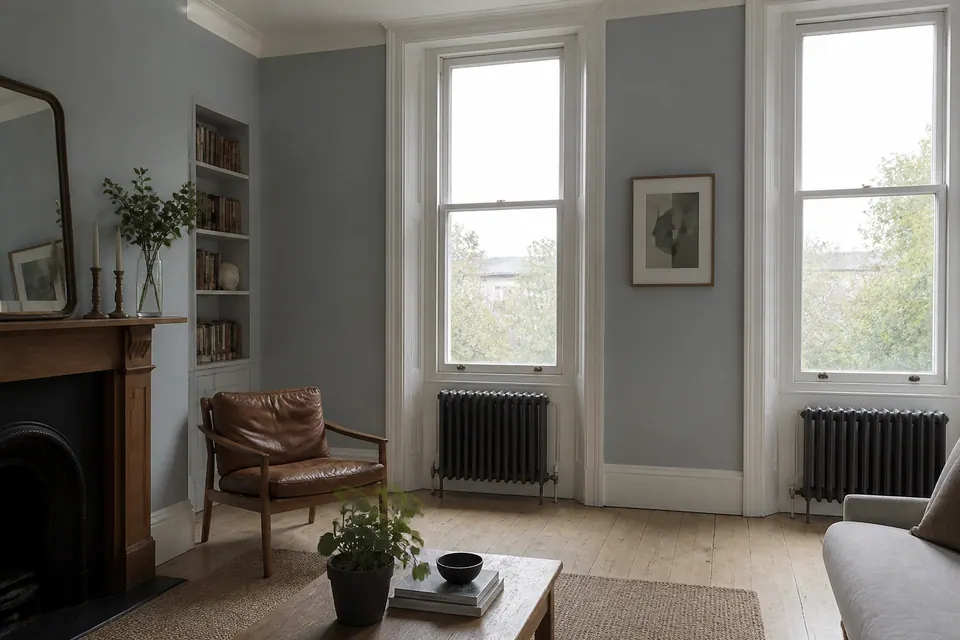
Show the patch in relation to windows and adjoining finishes. An older property or lower level is not proof of a particular moisture source.
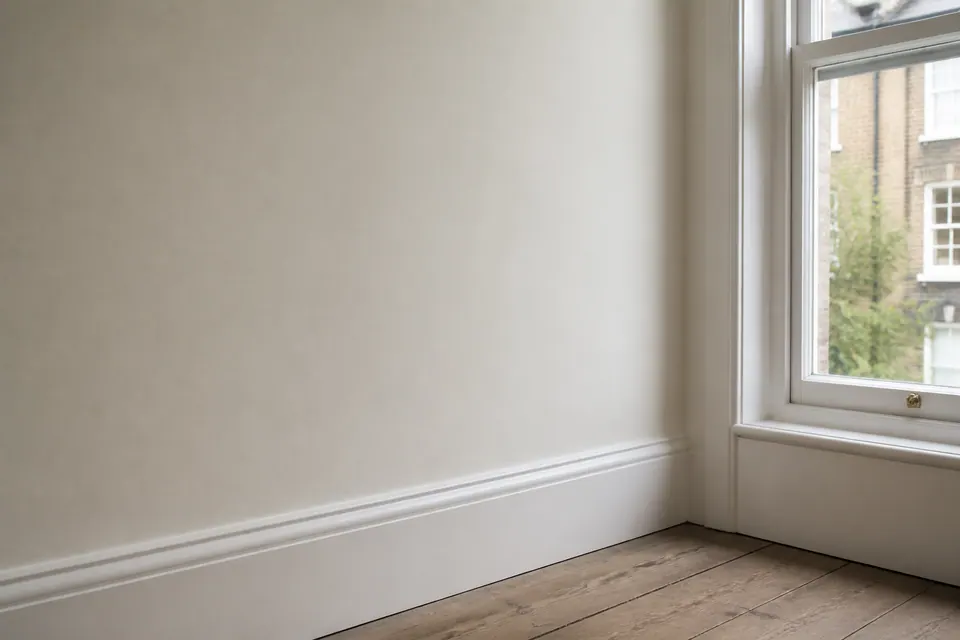
Do not press or scrape deteriorated plaster. Its condition may require specialist work beyond removal of growth from a suitable intact surface.
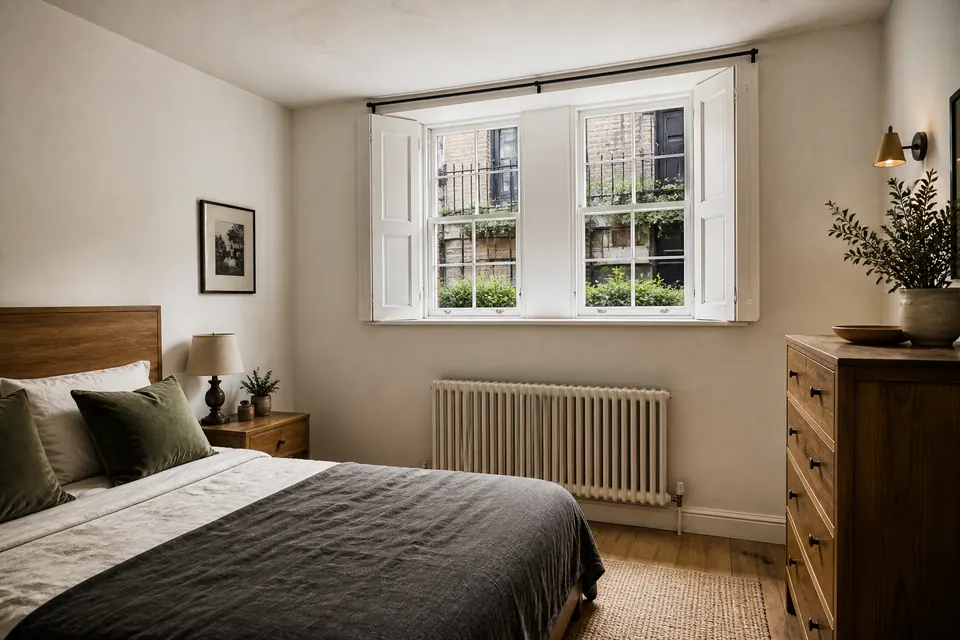
Identify accessible edges and concealed portions. Odour or floor position cannot confirm hidden growth behind fittings or wall coverings.
Describe these as observations. Lower-ground location alone does not establish rising damp, leakage or the required building remedy.
10 / ROOM-BY-ROOM CONTEXT
Include repeated wetting and material condition rather than attributing everything to the level below ground.
Show furnishings and explain essential sleeping use. Obtain method-specific preparation and return guidance.
Identify fixed units and confirmed pipework events separately from general concerns about damp.
Locate the patch relative to the opening and floor line. Position is context, not proof of a cause.
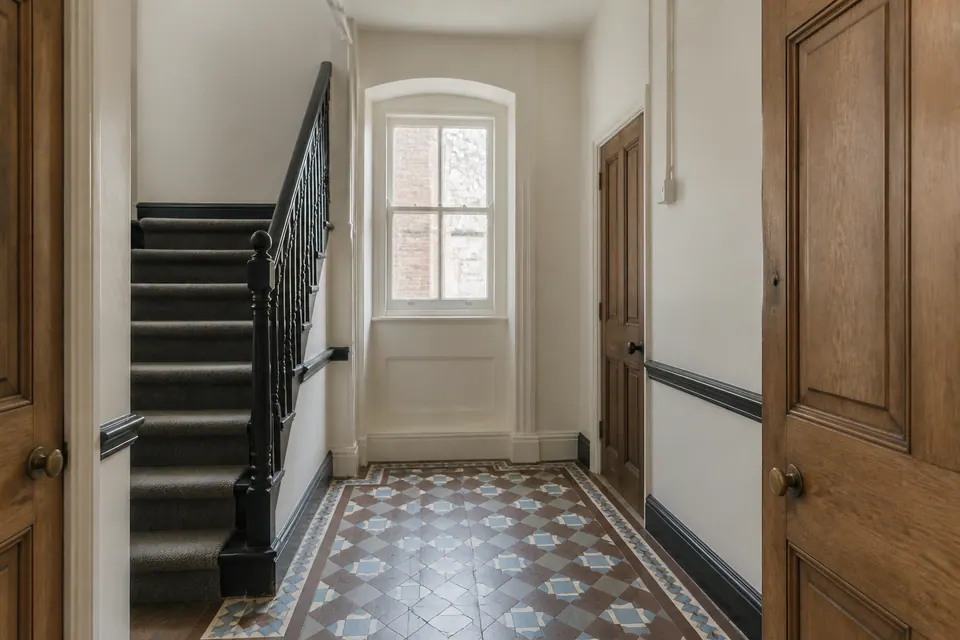
Clarify who controls entry and any proposed work. A route to the room is not automatically a treatment area.
Keep visible evidence distinct from concealed or persistently wet material that may require further investigation.
Hampstead / BEFORE BOOKING
Location helps describe the room; condition determines the next discussion.
No. State the level as context and provide visible condition and known water history without assigning a diagnosis.
Do not disturb deteriorated material for the enquiry. Describe what is already visible and ask about assessment.
No. Surface appearance alone does not establish the condition beneath it or confirm readiness for a particular method.
No such work should be assumed. Waterproofing and structural moisture repairs require a separately defined scope.
Give the date, confirmed repair status and current visible condition. Keep facts distinct from a general concern about the room level.
Show access and request preparation guidance. Avoid disturbing affected contents or material simply to expose more wall.
Discuss the occupied-room requirement before booking and follow applicable instructions for the agreed work. No generic return promise applies.
Damage, persistent wetness or complex moisture questions may make it different from a suitable accessible surface patch.
Name the same location, provide a current image and retain the previous scope and repair records. Do not diagnose the cause from recurrence alone.
START WITH CONDITION, NOT A DAMP LABEL
Send the postcode, room-level information and safe photographs. Report known wetness or deterioration so treatment and any separate investigation can be distinguished.
Room illustrations are not evidence of a completed lower-ground customer treatment.
