
A flat with shared elements
The booking may concern an internal finish while another contact controls a shared component. Explain the distinction and who can arrange the necessary access.
Uxbridge / DEFINE THE JOB
One problem can involve more than one job.
A marked ceiling may need treatment, while damaged material raises a separate question. For an Uxbridge enquiry, describe both so the proposed visit is not confused with opening up, replacement or redecoration.
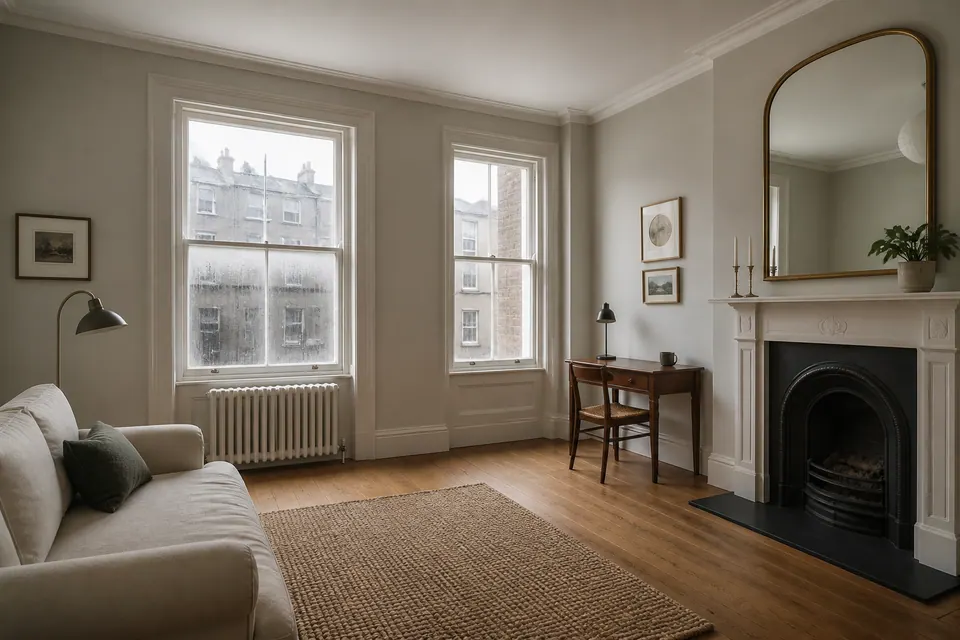
Included surfaces · exclusions · next tasks
Uxbridge / ACCESS & PEOPLE
The booking may concern an internal finish while another contact controls a shared component. Explain the distinction and who can arrange the necessary access.
Provide the intended work sequence and identify what is already exposed. A future renovation plan does not make opening-up part of the current treatment enquiry.
Distinguish the resident’s observations from the owner’s proposed works. The person attending should know which task has actually been agreed.
Describe the marks and access constraints in ordinary language. Confirm the booking permissions without relying on this page to assign legal repair responsibility.
Share the known maintenance history and keep each contractor’s proposed work identifiable. Ensure preparation messages reach the person providing entry.
Ask what visual outcome is realistic for the assessed finish. If replacing, decorating or investigating is required, obtain clarity on those separate tasks before combining schedules.
02 / LOCATE THE ISSUE
Use the closest setting to describe the affected finish. Then identify any additional work you are considering; proximity does not make a fitting, concealed layer or adjoining repair part of the same booking.
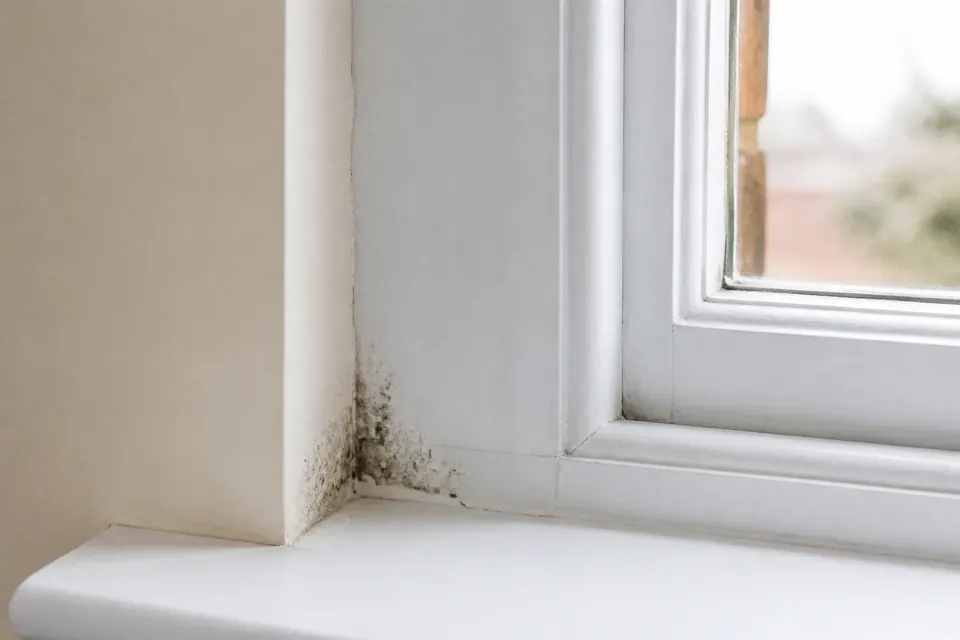
Indicate which component carries the visible mark. An enquiry about the painted reveal does not automatically include repairing timber, resealing glazing or changing the window.
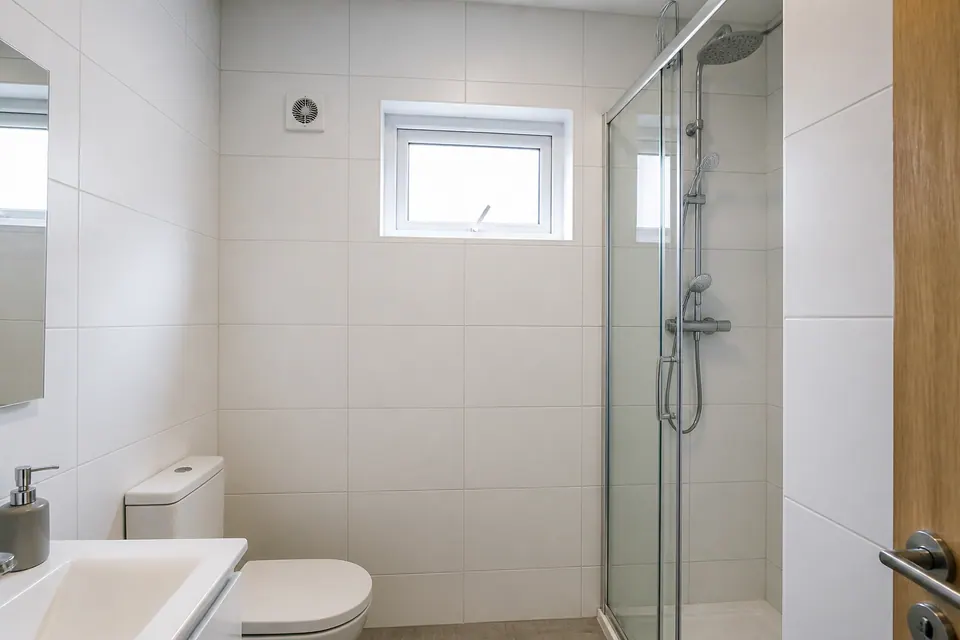
Show the ceiling, wall or flexible joint separately. A failed seal can require replacement rather than the same approach as a suitable painted finish; establish the requested work before combining it in a price.
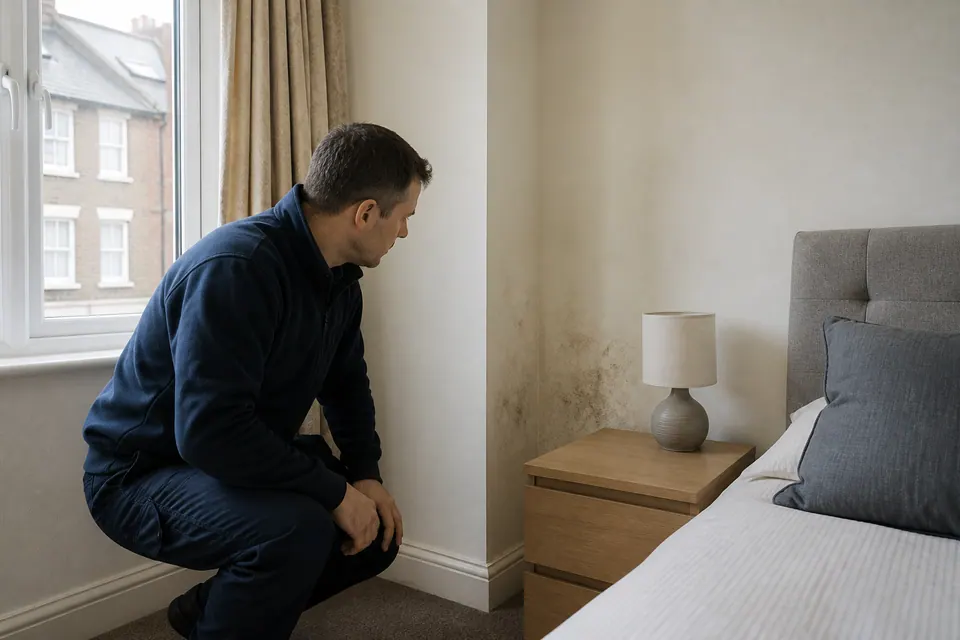
Mention both concerns, but distinguish the wall from furniture, bedding or other contents. The assessment of an accessible finish should not be taken as an agreement to treat everything nearby.
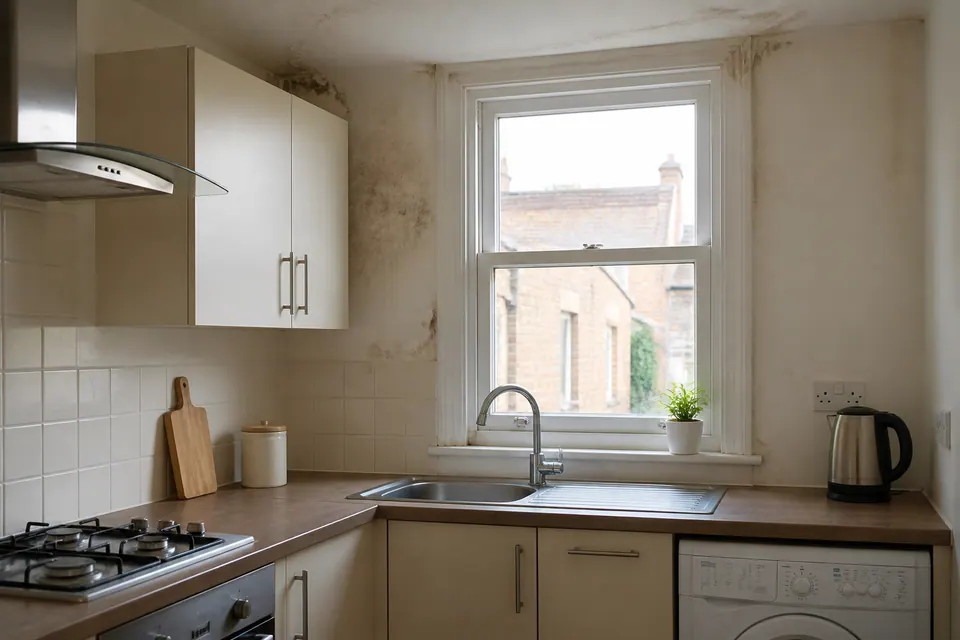
Identify the part visible without dismantling the kitchen. Removing units, opening service panels and repairing plumbing should never be assumed just because they would improve the view.
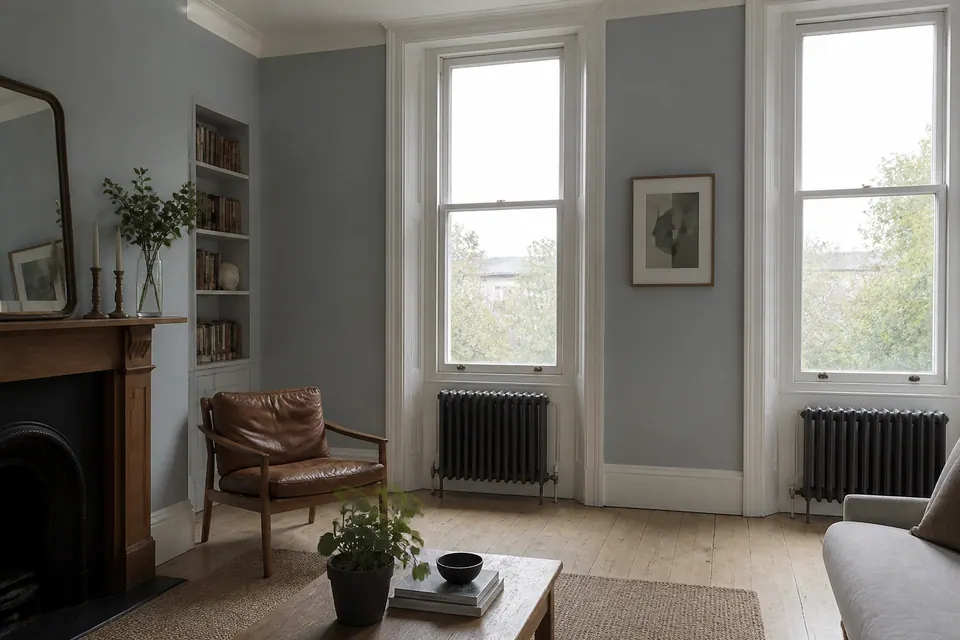
Report peeling, cracking or other visible deterioration as well as the patch itself. Treatment does not promise to reinstate an unstable coating or match a decorative finish afterwards.
A photograph from below shows the exposed face, not the void above it. If opening-up has been proposed, name that as separate work requiring its own arrangements.
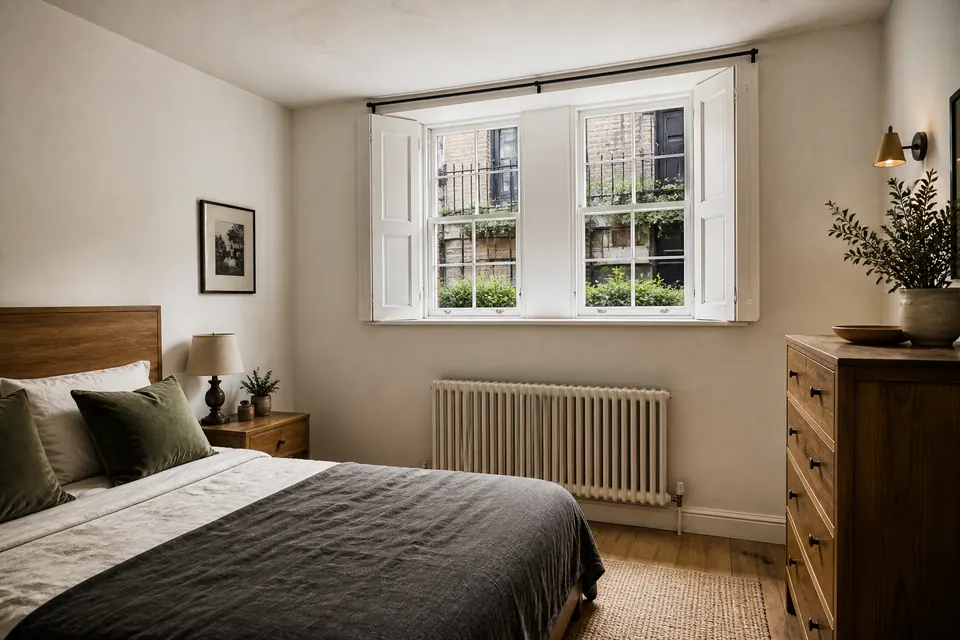
Explain what can be seen with ordinary access and what remains enclosed. An assumed hidden area is not a measured treatment quantity, and removing fixed parts is a different decision.
A detailed description does not diagnose the cause. It helps identify which questions belong in the mould-removal enquiry and which need another service.
03 / SEPARATE THE QUESTIONS
The location of a mark can suggest useful questions, but it does not specify a building defect or authorise remedial work. Keep observation, assessment and proposed repairs distinct.
| Visible condition | Possible issue to explore | Scope clarification |
|---|---|---|
| Spots on a window reveal | Moisture collecting or entering nearby | Is the request for the finish or the window component? |
| Bathroom marks beside a worn joint | Repeated wetting or deterioration | Does the joint need a separately agreed replacement? |
| Staining below a damaged ceiling area | Previous or continuing water exposure | Is unstable material outside the proposed treatment? |
| A patch behind fixed cabinetry | Unknown extent beyond the visible opening | Would access require another separately arranged task? |
No structural investigation, opening-up or replacement should be inferred from a surface quotation. Ask for clarification if the requested result appears to depend on one of those tasks.
The words describe related conditions, not identical services.
| Question | Mould | Damp |
|---|---|---|
| What the term describes | Fungal growth affecting a suitable finish | An excessive-moisture condition in the property |
| What a photograph may show | The position and visible extent of a patch | Wet-looking material or an associated stain |
| Why both need consideration | Removing growth does not perform a building repair | Moisture may continue independently of the visible treatment |
| What to request next | An agreed boundary for accessible treatment | Clarification of any separate investigation or repair need |
Uxbridge / THE PROPERTY BRIEF
A broad phrase such as “sort out the wall” leaves too much uncertain.
If another contractor has suggested work at your Uxbridge property, include a short description of that proposal when contacting Alesta. Clarify whether it is already arranged or only being considered. This avoids treating a possible replacement, survey or decorative job as an agreed part of the mould visit.
05 / QUOTATION, NOT GUESSWORK
A request for mould removal and a request to restore an entire wall can involve different work. Start with the accessible affected area, then list additional expectations separately so the quotation is understood before it is accepted.
Check the published assessment and treatment scope ↗| Enquiry type | How it can be considered | What not to assume |
|---|---|---|
| Small suitable exposed area | A photographic quotation may be possible | That the price includes nearby damaged components |
| Several locations or repeated growth | Assessment is needed to define the work | That one room label describes every affected finish |
| Complex damp or deteriorated material | Specialist quotation required | That surface treatment includes opening-up or rebuilding |
Clarify the total, included surfaces and exclusions together. A low or high figure alone does not explain whether two quotations refer to the same work.
06 / DIRECT ANSWERS
Do not assume that. Alesta’s surface mould-removal scope is distinct from structural work, plumbing, ventilation upgrades, material replacement and decoration unless particular work is expressly agreed.
The present affected extent, material and access matter. A small suitable accessible area may be quoted from photographs; recurring, multiple or complex concerns can need assessment or a specialist quotation.
You can explain the intended outcome, but decoration is a separate requirement. Establish suitability and any remaining damage first rather than treating painting as the mould-removal method.
It raises questions about continuing moisture, but does not specify a particular repair. Describe the recurrence and let the appropriate assessment determine what further investigation may be needed.
Opening construction should not be assumed within accessible surface treatment. Say that concealed damage is suspected and ask which separate arrangements would be needed.
Discuss dependencies with the people doing the work. There is no universal interval: access, material condition and the treatment instructions determine which activity can follow.
Ask about the actual proposed method and work area. A scope discussion should include applicable preparation and return instructions rather than an automatic occupancy promise.
Ask which area was treated, whether marks or damage remain and which issues were outside the agreed work. That is more useful than interpreting a completed visit as complete property reinstatement.
07 / A CONTROLLED APPROACH
Review the photographs and material condition, identify the suitable accessible finish and record any uncertainty about concealed or damaged parts.
Clarify preparation and access. Where another task is needed first, discuss that dependency rather than assuming the treatment team will undertake it.
Work within the agreed suitable area and method. A newly identified concern should be clarified rather than silently treated as an unlimited extension of the booking.
Distinguish completed surface work from staining, damaged material or a separate moisture question. Ask what information is useful for any follow-on enquiry.
The diagram shows stages of a treatment enquiry, not an expansion into every associated repair.
Identify the visible concern and material.
Treat the suitable accessible area named beforehand.
Clarify what remains outside that work.
This is a schematic sequence. It is not evidence of a particular customer’s result or a promise against future growth.
08 / ROOM-BY-ROOM CONTEXT
Ceiling paint, tiled areas and flexible seals are not one interchangeable material. Identify the affected part before asking for a combined result.
Show the wall and explain nearby furniture. Contents handling or treatment of possessions should not be implied by a quotation for the finish.
Name accessible surfaces without assuming units or appliances will be removed. Existing plumbing concerns need separate clarification.
Include any decorative covering or fragile coating in the description. A treatment result is not automatically a colour-matched reinstatement.
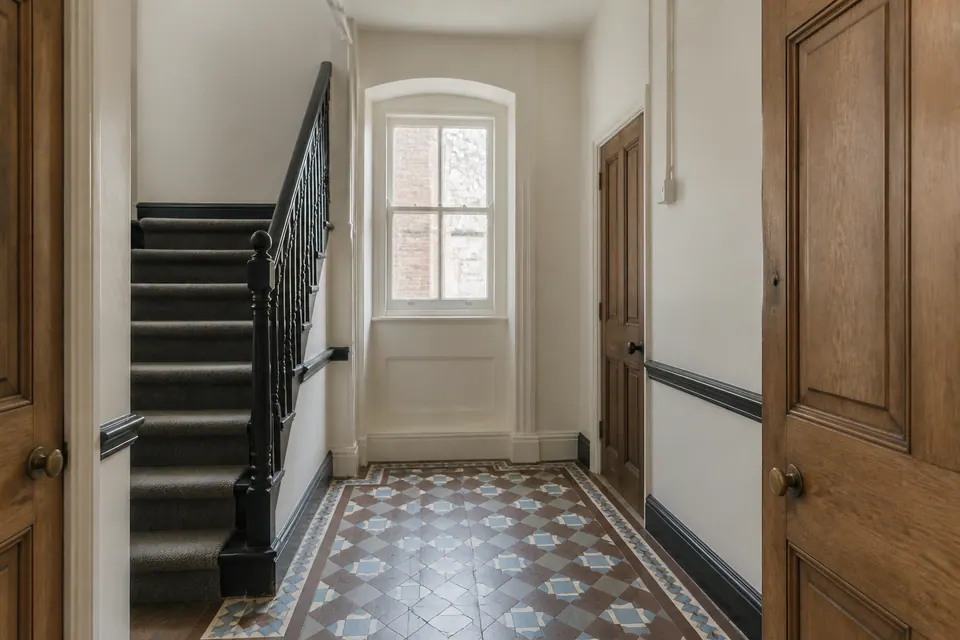
Confirm exactly which section is being considered and who can approve access. A private-room booking does not include every common area.
Report the visible condition and known water history. The location of the room is not enough to specify damp-proofing or another structural intervention.
09 / WHEN IT COMES BACK
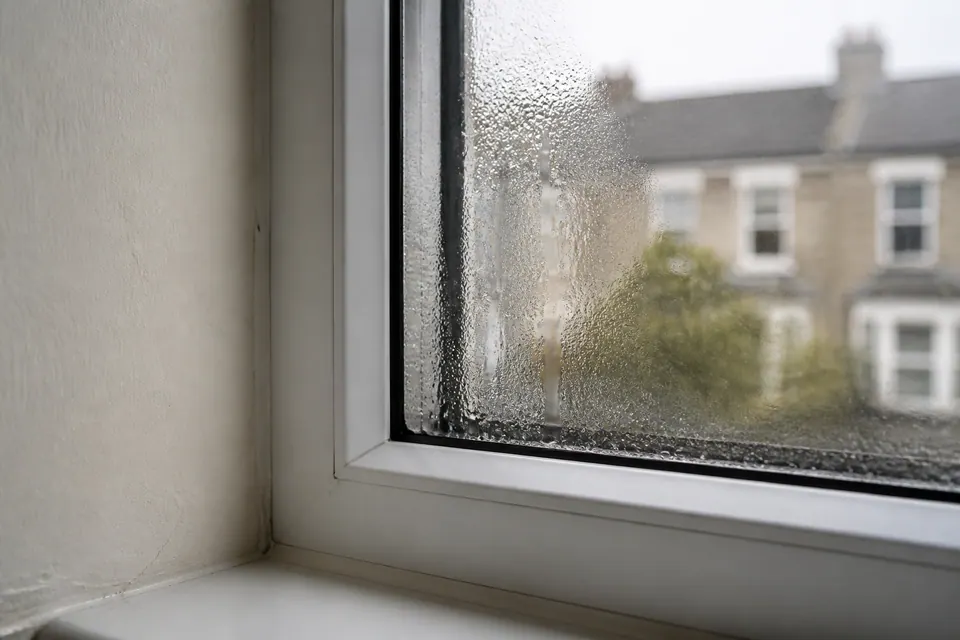
If marks return, record their position and the interval since earlier work. That information can support a new assessment, but it does not by itself establish that a certain product, component or building defect is responsible.
Continuing condensation, leakage or other moisture conditions may be relevant. The next enquiry should explain what changed rather than simply request the same visit on the assumption that surface work addresses every contributor.
Say whether the patch is in the same place, whether fresh wetness has been seen and whether any separate repairs occurred in between. Keep confirmed work distinct from suggestions that were never carried out.
Uxbridge / PLAN THE APPOINTMENT
Send the Uxbridge postcode and explain any dependency on another contractor’s visit. Confirm Alesta’s availability and the actual accessible area before arranging several appointments around an assumed treatment slot.
Mention who can answer questions about proposed repairs if that person will not be present at the property.
Load the area map.
Uxbridge / BEFORE BOOKING
Use these questions to distinguish the requested treatment from additional property work.
Explain that recommendation and whether it has been accepted. Do not assume removal or replacement is included in a surface-treatment visit; the condition and proposed sequence need clarification.
Describe it, but separate the window defect from the visible growth on the surrounding finish. Repairing a component is not automatically the same task as treating an accessible surface.
Yes. Understanding which areas and tasks are outside the proposed work helps avoid assumptions about hidden damage, decoration or another trade’s attendance.
Only rely on the scope actually agreed. Explain the restricted access and any suspected concealed extent rather than interpreting a visible-area quotation as an inspection behind fixed units.
Describe new information as soon as it is known and seek clarification. A revised area or material may affect suitability, preparation and quotation; do not assume it fits the original booking.
State that expectation before agreeing the work. Residual staining or damaged decoration can remain a separate issue even where suitable mould growth has been treated.
Provide a contact who knows what has been suggested or arranged. Clear information is more useful than passing on an uncertain description of work by another contractor.
Discuss the actual dependency, current material condition and access. A general timetable cannot establish that the finish is ready or reachable.
No. This page describes booking information and service scope, not legal responsibility or payment liability between occupants, owners and contractors.
Uxbridge / A DEFINED REQUEST
Send photographs and a short list separating the marked finish from proposed repairs. Clarify inclusions before arranging a visit or coordinating other trades.
The images are illustrative property settings, not customer case evidence or proof of completed building work.
