
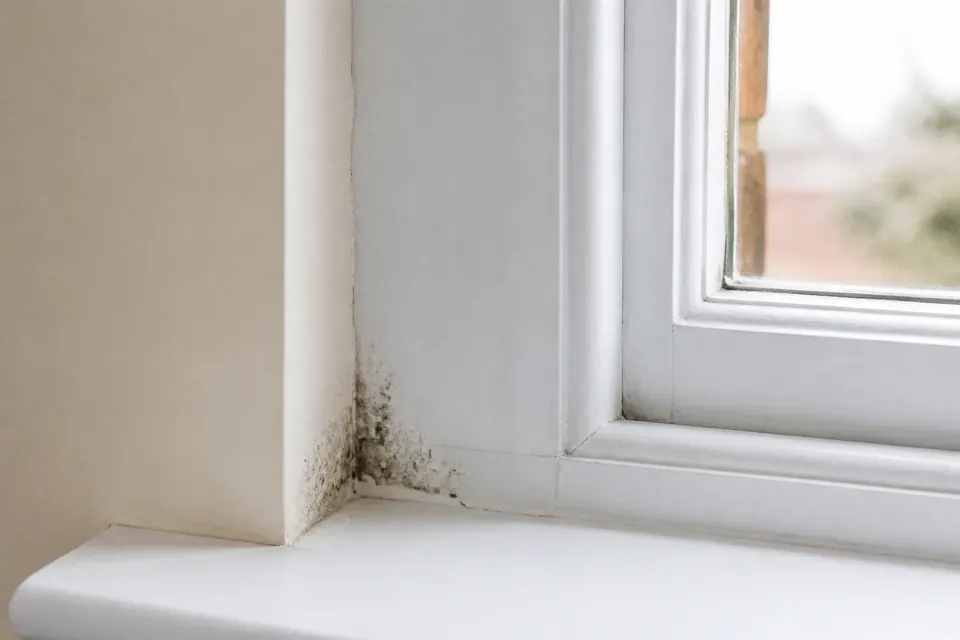
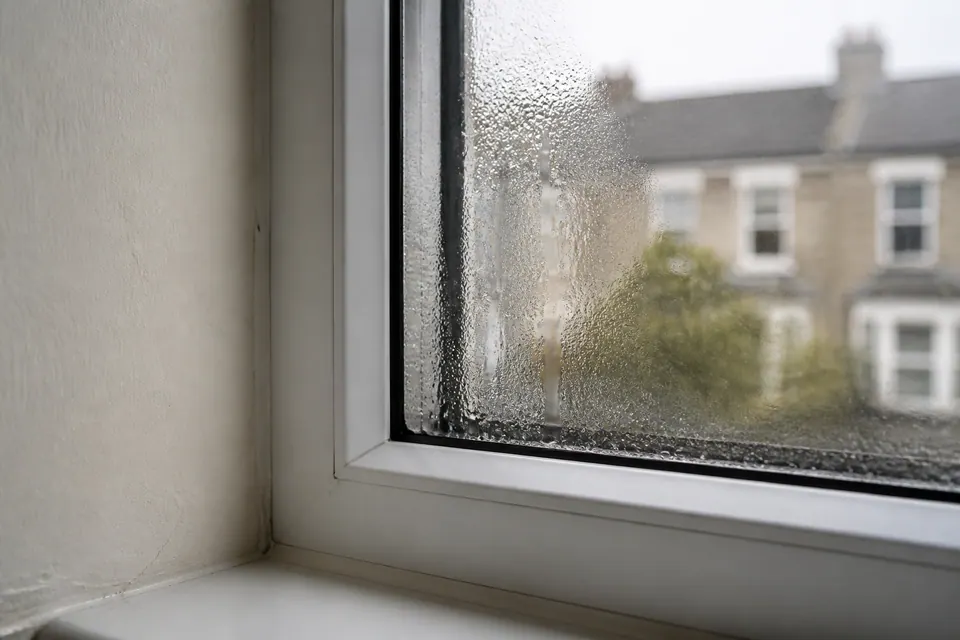
A window in a private room
Identify the room containing the affected reveal and who can make it available. Do not rely on access to the flat alone if that room is separately occupied or locked.
Wembley / ACCESS COORDINATION
A working entry plan needs to reach the right room.
Being admitted to a building is not the same as having access to every affected space. Tell Alesta which Wembley rooms are included, who can provide entry and what restrictions need to be discussed before a date is agreed.
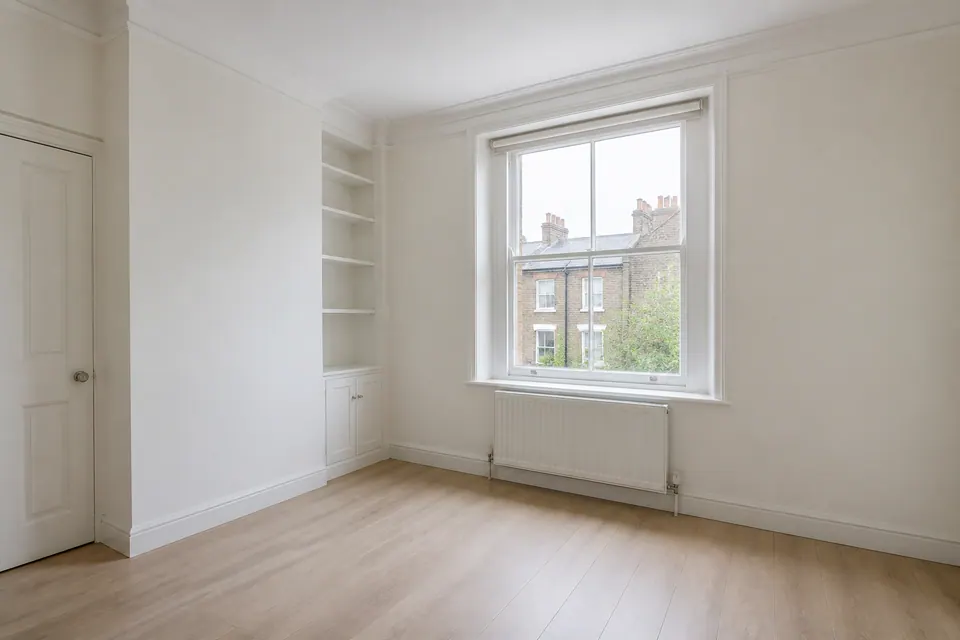
Contact · availability · agreed area
01 / LOCATE THE ISSUE
Use the selector to locate the concern, then say whether the space will actually be available. A clear photograph does not establish permission or a practical approach on the appointment day.
Identify the room containing the affected reveal and who can make it available. Do not rely on access to the flat alone if that room is separately occupied or locked.
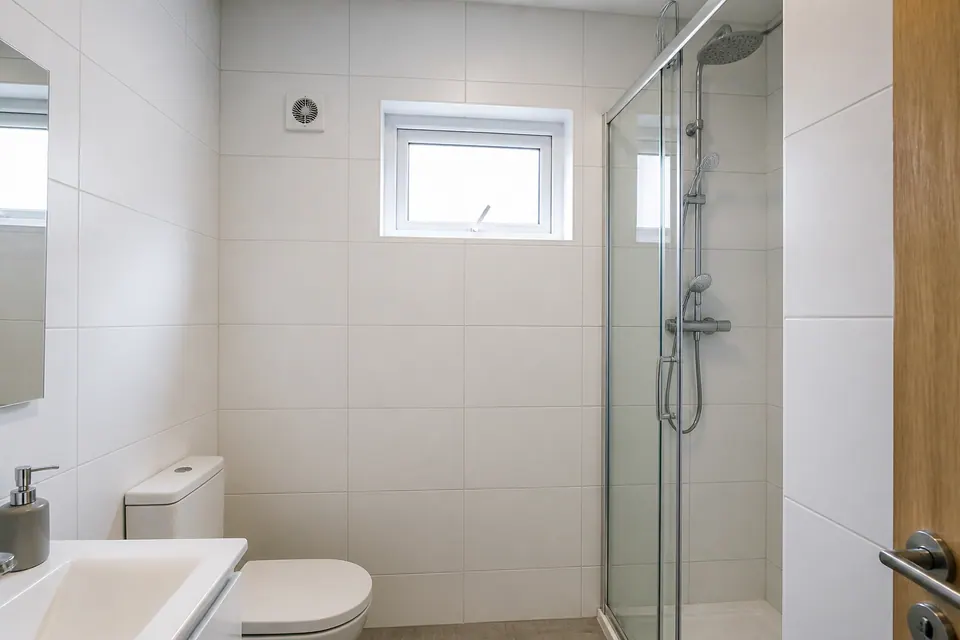
Explain how the bathroom is used and any limits on availability. Preparation and return arrangements should reach the people who depend on it, not only the booking contact.
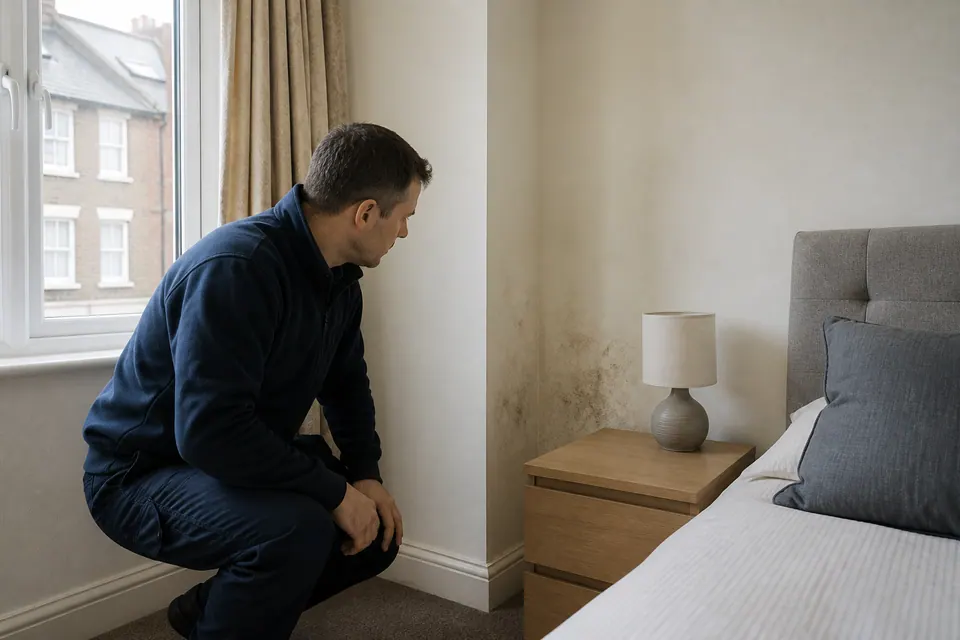
Keep its photographs and access details identifiable. Confirm the arrangements through the appropriate contact rather than assuming another occupant can provide unrestricted entry.
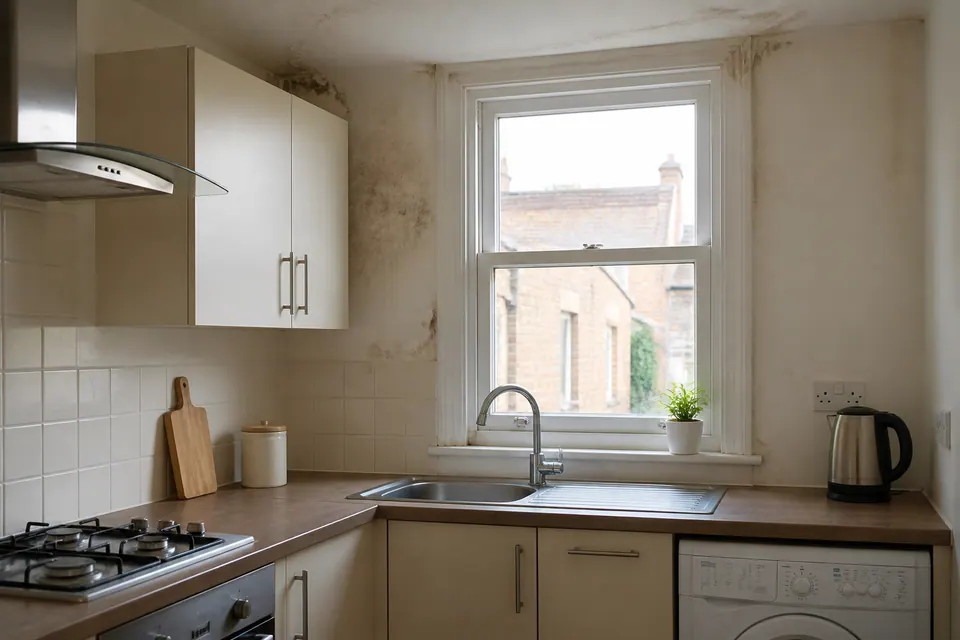
Discuss the proposed work area and how instructions will be communicated. A brief gap in ordinary use may not meet the requirements of the assessed treatment.
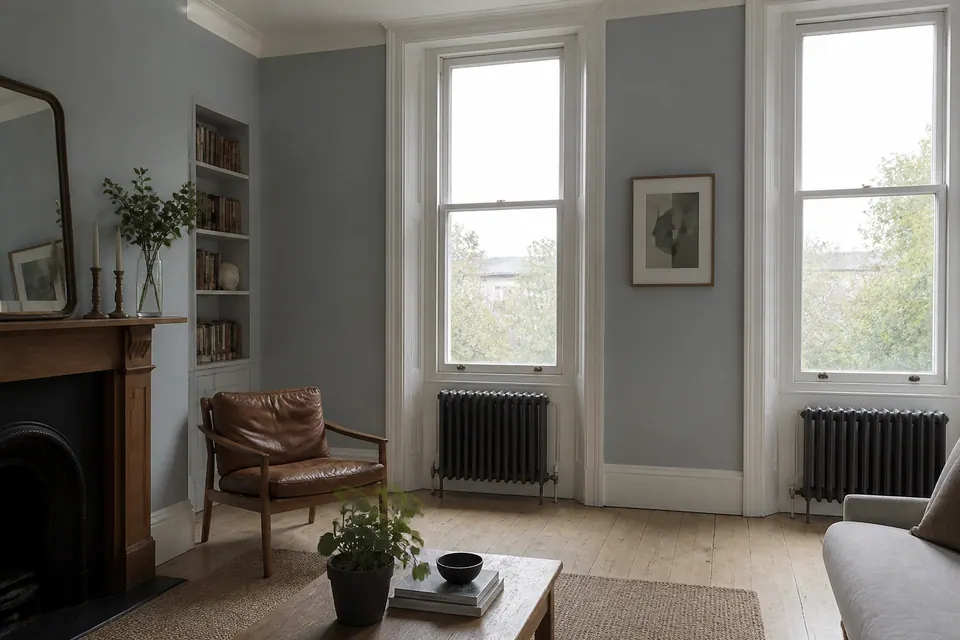
Explain the normal route through the area and whether other occupants need adjacent rooms. Access restrictions depend on the proposed work, not just the room label.
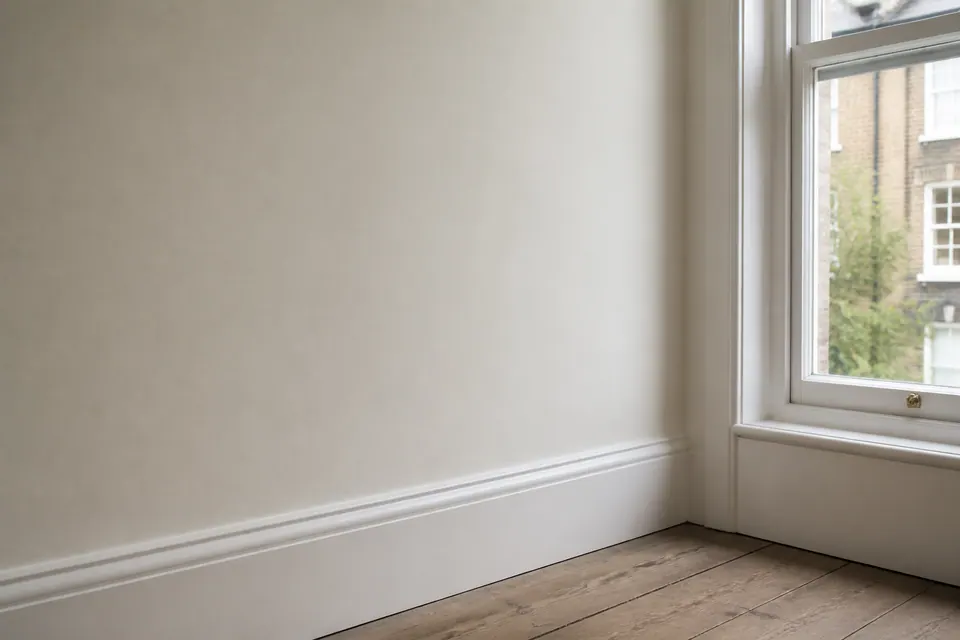
Being able to enter does not establish a suitable working position. Describe furnishings or height restrictions beneath the marked finish.
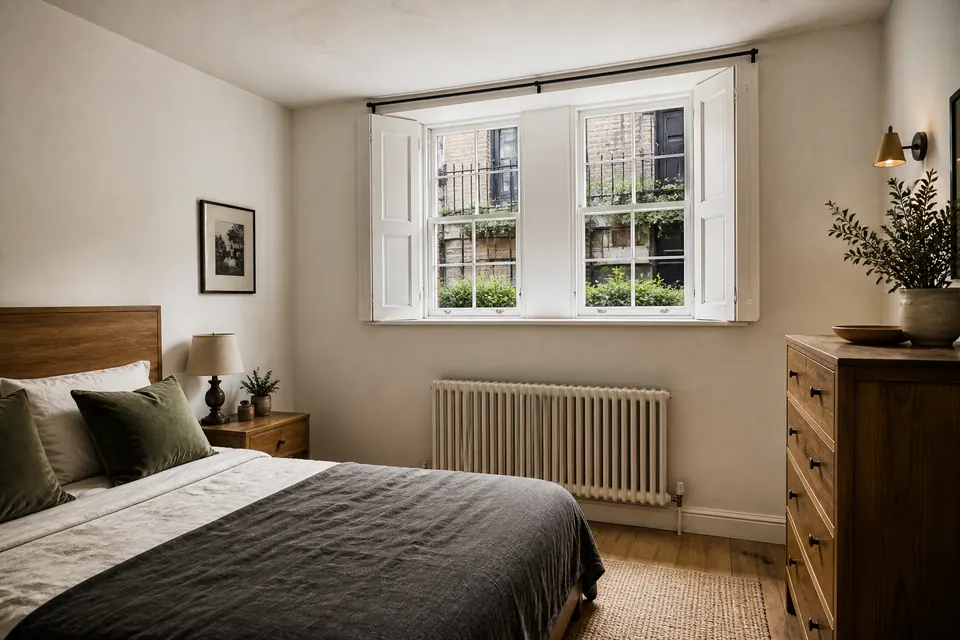
Identify who controls the normal opening and what can be seen. Do not assume that keys to the dwelling provide access to every enclosed part.
Access information supports planning, but the visible condition and material still need assessment. It does not establish the cause or suitable treatment by itself.
Wembley / THE PROPERTY BRIEF
The booking contact should know where the access plan stops.
If several people occupy your Wembley property, identify the spaces included in the enquiry and who can arrange each one. Mention controlled building entry separately from in-flat restrictions. Do not include a locked or unavailable room in the assumed scope simply because it appears in the photograph folder.
03 / SEPARATE THE QUESTIONS
The entry arrangements and the moisture question serve different purposes. Record both without treating an easily reached patch as automatically simple or a restricted one as more severe.
| Visible concern | Relevant history | Practical clarification |
|---|---|---|
| Window-surround spots | When water is noticed nearby | Which room and contact provide access? |
| Bathroom ceiling marks | Recurrence and known finish | When can the shared facility be released? |
| Staining after a water event | Confirmed incident or repair | Who holds that information for assessment? |
| A patch in a restricted room | Its current date and extent | Will the assessed position be available? |
Surface treatment remains separate from building repairs, ventilation changes and material replacement. Shared-building involvement should be described without assuming those tasks are included.
A coordinated visit still needs a clear description of the affected finish and its history.
| Question | Mould | Damp |
|---|---|---|
| What is described | Growth on an accessible material | An excessive-moisture condition |
| What occupants can record | Position, visible extent and changes | Actual water observations or known events |
| Why both matter | Removal does not repair every contributing condition | Continuing moisture may support recurrence |
| What should be agreed | Suitable treatment in the available area | Any separate investigation or repair need |
04 / DIRECT ANSWERS
Explain the restriction before agreeing a date. The proposed work should be aligned with the access that can actually be provided, rather than an assumed future arrangement.
No additional work area should be assumed. Identify any shared section separately and clarify the relevant access and booking arrangements.
The people coordinating entry and using the affected spaces need the applicable information. Do not rely on a booking message reaching every occupant automatically.
Dimensions, finish and access matter. Small suitable areas may be quoted from photographs; multiple, recurring or complex concerns can require assessment or a specialist quotation.
Painting is not a substitute for mould treatment. Clarify the condition and appropriate work once access is arranged instead of treating decoration as the default answer.
Report the change with its date and position. Recurrence can raise moisture questions and may alter the information needed to assess the proposed work.
Ask after the suitable area and method are discussed. Neither the number of keys nor the number of occupants establishes a standard visit or return timetable.
Describe the layout and ask about the actual work arrangements. Do not assume unrestricted use or a whole-property exclusion without method-specific guidance.
05 / QUOTATION, NOT GUESSWORK
A proposal should identify the suitable affected areas, not imply unlimited access throughout the building. Explain restrictions early so the visit and quotation refer to the same realistic scope.
Read the treatment and quotation scope ↗| Present concern | How it may be considered | Access detail to include |
|---|---|---|
| Small suitable visible area | Photographic quotation where appropriate | The route and working position |
| Several rooms or recurring marks | Assessment to define the work | Which spaces are actually included and available |
| Complex moisture or damaged material | Specialist quotation required | Restrictions and unresolved condition |
Clarify the included rooms, total and exclusions together. A quotation for one accessible bedroom should not be interpreted as covering every flat or common part in the building.
06 / A CONTROLLED APPROACH
Match the photographs and history to the rooms requested. Identify any restricted or shared section before defining the suitable work.
Confirm the relevant contacts and preparation information. Any unresolved entry or room-availability issue should be clarified before relying on the appointment.
Carry out the suitable accessible surface work within the confirmed areas. A newly available room is not automatically part of the original request.
Communicate applicable return instructions and any remaining marks or separate concerns to the people who need them.
These stages describe the proposed work, not unrestricted access or a guarantee for the whole building.
Identify the room and affected finish.
Provide the route and preparation discussed.
Pass on the applicable instructions and limits.
The sequence is illustrative and does not represent a customer treatment record or promise against recurrence.
07 / WHEN IT COMES BACK
In a property with several occupants, different people may report similar-looking marks. Match each new observation to the correct room and position before describing it as the same recurrence.
Include the date, any known work since the earlier photograph and actual moisture observations. A change in occupant or access arrangement does not establish a cause for the patch.
Identify who observed the change and who can arrange the next enquiry. Keep confirmed facts separate from messages passed on without a clear date or room label.
08 / ROOM-BY-ROOM CONTEXT
Explain shared use and communicate applicable restrictions before the facility is needed again.
Identify the specific occupant contact and the room’s actual availability.
Describe how preparation and return information will reach the people using the work area.
Explain adjacent-room access without assuming passage through the treatment position remains unrestricted.
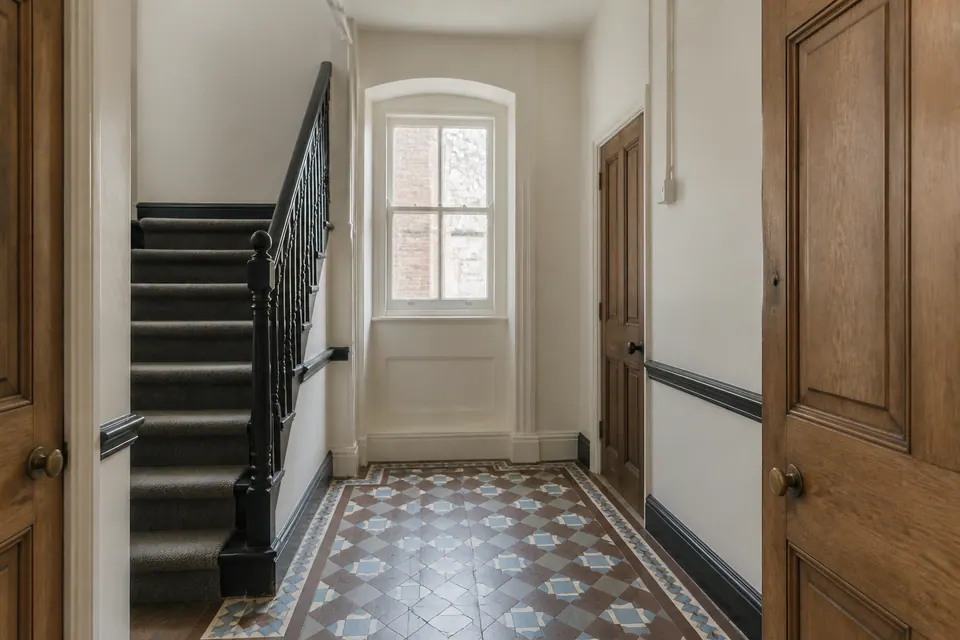
Name the section and clarify whether it belongs in this enquiry at all.
Provide the entrance route and known condition, without inferring a diagnosis from its level.
Wembley / ACCESS & PEOPLE
Describe the usual authorised admission arrangements and the person meeting the team. Entry rules do not determine the treatment’s material suitability.
Identify the rooms included and make preparation messages available to those using them. Do not assume a single resident can answer every room-history question.
The coordinator may hold records while occupants know the current condition. Bring both together without confusing old information with a fresh observation.
Provide the actual condition and availability of the space. Confirm arrangements without treating this page as legal advice about responsibility.
Share relevant maintenance information and ensure the proposed work area is understood. Shared sections require separate clarity rather than a broad building-wide assumption.
Ask which finishes and rooms form the quotation. Coordinate expectations about remaining decoration or repairs outside the treatment scope.
Wembley / PLAN THE APPOINTMENT
Send the Wembley postcode, flat identifier and practical entry details through the normal booking contact. Confirm availability and ensure the included rooms can be provided before relying on the visit date.
Mention if a different person holds the condition history or will receive the preparation instructions.
Load the area map.
Wembley / BEFORE BOOKING
Confirm the route and the included spaces rather than relying on one general promise of entry.
The team also needs the agreed access to the dwelling, room and suitable working position. Explain any restriction at each stage before confirming arrangements.
State that it is not currently available and arrange access through the appropriate authorised contact. Do not assume it can be included in work planned for accessible rooms.
Clarify the proposed arrangement with the booking contact and ensure the person can provide the agreed access and information. Do not rely on an informal assumption.
The people who will use or coordinate the treated spaces need the applicable guidance. Ask how that information will be passed on if the booking contact is elsewhere.
Identify them separately and clarify access and scope. A visit inside one flat does not automatically include shared walls or corridors.
Explain the actual availability of each room before agreeing the work. A timetable must fit the assessed scope, not simply combine short gaps by assumption.
Report changes in access, contents or visible condition so the arrangements can be clarified. The earlier photographs may no longer represent the practical situation.
No. These are booking details, not a legal decision about who is responsible for the condition or associated repairs.
Raise an additional property as a separate request. It may involve different assessment, access and quotation requirements rather than an automatic extension.
Wembley / A WORKABLE ENTRY PLAN
Send the room-labelled photographs and identify the contacts coordinating entry and preparation. Clarify restrictions before assuming the whole property is included.
The property illustrations show possible settings, not customer access arrangements or completed treatments.
