
A private sink cupboard
Identify visible findings and fixed obstructions.
PEST CONTROL / CHESHUNT
A visible hole is a
question, not a confirmed route.
If signs appear near pipework, describe the opening and the evidence separately. Mention recent plumbing work and discuss assessment before deciding whether repair or proofing is appropriate.
04 / AT A GLANCE
05 / PROPERTY BRIEF
Identify visible findings and fixed obstructions.
The owner may need to approve separate repairs.
Access requires the responsible management contact.
Exterior observation does not automatically establish permission or inclusion.
Commercial suitability and requirements need separate confirmation.
Check the premises requirements01 / START WITH THE EVIDENCE
The gap does not identify the pest; these links cover the confirmed specialist options.
Droppings or damaged packets nearby.
Mice controlPossible rodent evidence in a named area.
Rats controlPhysical traces at sleeping furniture.
Bed bug treatmentRecurring insects near kitchen equipment.
Cockroaches controlMouse enquiries should include actual droppings, damage or sightings rather than only the size of an opening.
For rats, describe relevant indoor and exterior signs without entering voids or opening drainage covers.
A pipework gap cannot establish bed bugs. Physical bedroom evidence is a separate question.
Repeated kitchen insects need their own dates and appliance reference, including earlier products used.
CHESHUNT / PROPERTY CONTEXT
Check postcode coverage first. Then identify the pipe location and visible signs without claiming that an unexamined opening is in use.
Describe any known plumbing repair or alteration with its timing. Background work can be useful without proving the cause of current activity.
Do not enlarge the gap, remove fittings or seal it to test a theory. The appropriate sequence depends on the supported findings.
Where a repair is recommended, clarify its scope and responsible person separately from the pest programme.
07 / SCOPE BEFORE A QUOTE
Ask the quote to identify the pest work and any separately proposed repair or proofing. A starting treatment figure is not a plumbing contract.
from £120
See published service pricingfrom £150
See published service pricing| Service | Pricing basis | Price |
|---|---|---|
| Mice control | Activity, access and programme | Quote after assessment |
| Rat control | Internal / external routes and visits | Quote after assessment |
| Proofing / repairs | Surveyed openings and separate work | Quoted separately |
Guides checked 27 August 2026. Confirm postcode coverage, total scope and who arranges separate repairs.
03 / OBSERVATION CHECKLIST
A nearby sign needs its own description and date.
Avoid handling suspect waste or disturbing concealed spaces for inspection.
Droppings or tracks should be located on the visible surface.
Scratching needs a time and room reference, not a certain species.
Gnawed material should retain its original storage position.
Spotting or shed material at a bed differs from irritation alone.
Recurring appliance insects need dates and previous-product details.
Outside movement or nesting material needs safe observation and suitability checked when unknown.
06 / SIGNS → LOCATION → NEXT STEP
| Pest problem | Signs to describe | Areas to mention | Next step |
|---|---|---|---|
| Mice | Droppings beside storage | Visible surface near the pipe | Discuss supported identification |
| Rats | Possible rodent signs | Independent indoor or exterior reference | Avoid a gap-based diagnosis |
| Bed bugs | Spotting near a bed | Sleeping furniture | Describe physical evidence |
| Cockroaches | Recurring kitchen insects | Appliance or cupboard location | Supply dates and prior products |
MAKE THE ENQUIRY SPECIFIC
Give the timing without assuming the work caused activity.
Say so; the gap alone does not confirm a pest problem.
Identify the contact authorised to grant access.
Discuss the sequence so separate work is coordinated appropriately.
08 / THE CONTROL PLAN
Do not let a visible gap predetermine the programme.
Accessible findings are assessed alongside the opening and known work history.
The selected method addresses the supported problem within agreed areas.
Review informs prevention, with separate repairs appropriately authorised and sequenced.
09 / FROM FIRST CONTACT
Keep observation and repair decisions separate initially.
Provide the postcode and exact pipe location.
Record nearby physical signs independently.
Disclose recent work and access limitations.
Follow the agreed preparation and method.
Report later signs with their dates and positions.
Arrange separately recommended repairs through the responsible contact.
10 / PROBLEM → TREATMENT → CONTROL
The review should consider activity and relevant findings, not simply whether the opening looks repaired.
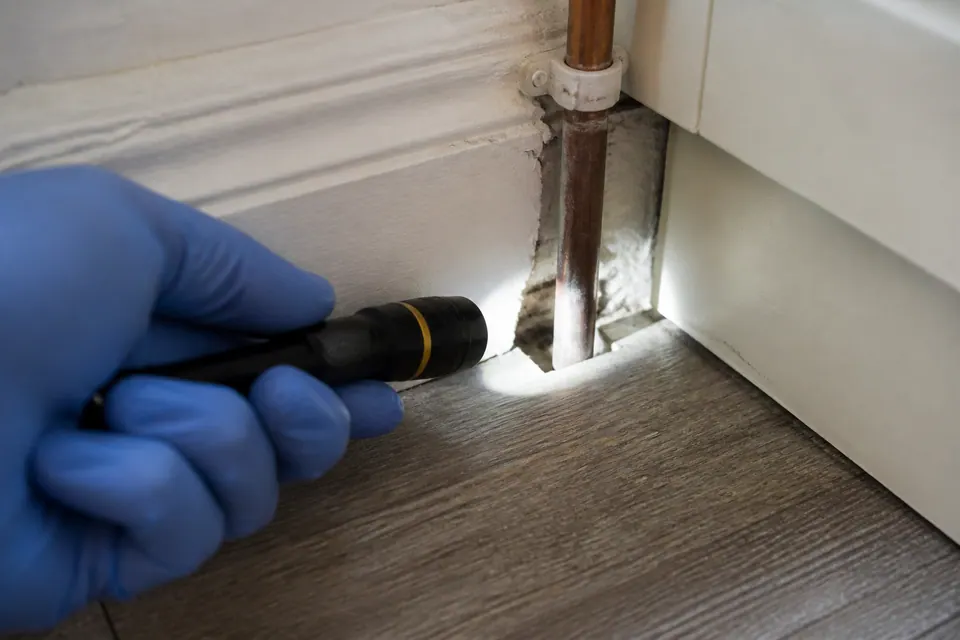
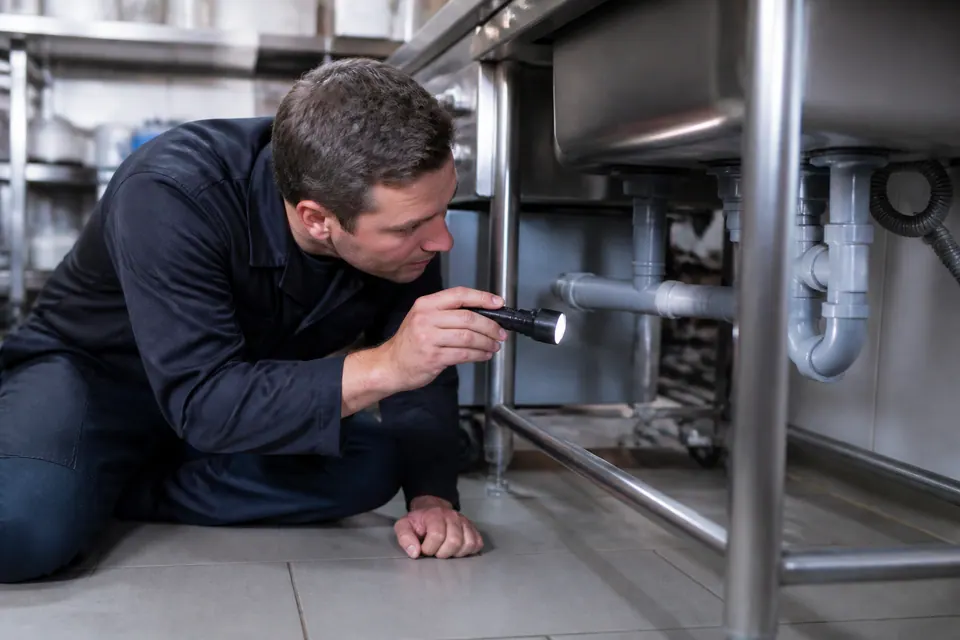
The scenes illustrate a process, not a Cheshunt repair or verified customer result.
13 / CLEAR EXPECTATIONS
Its presence does not establish use.
Actual signs support the assessment.
Separate work needs explicit scope and authority.
ADDRESS AND AVAILABILITY
Send the full postcode and the room containing the pipework.
Coverage and attendance require confirmation. Include any separate authority needed for shared access.
Open Cheshunt in Google Maps ↗CHESHUNT / QUESTIONS
No. Identification needs supporting evidence.
Do not enlarge or dismantle it on assumption.
Discuss findings and sequence before speculative sealing.
Known work and timing can be useful background.
Repairs are separate unless expressly agreed.
The responsible owner or building manager.
A safely taken image can explain the location, not guarantee identification.
State that uncertainty and describe the concern accurately.
Yes, include available names, dates and areas.
Give their date and exact surface independently of the opening.
15 / TAKE THE NEXT STEP
Check coverage with the postcode, pipe location and actual findings. Agree the appropriate control and any separate repair sequence.
