
Visible marks on the frame
Identify the bed and part of the frame. A wide photograph of the whole room may not show the detail being discussed.
PEST CONTROL / ST JOHN’S WOOD
Fixed bedroom furniture and inspection.
Start with a clear account.
Signs around a bed can be harder to assess when a headboard or surrounding storage is fixed in place. Describe those restrictions and the evidence without dismantling furniture before receiving advice.
03 / OBSERVATION CHECKLIST
Keep the observation close to what is actually visible, and mention where furniture prevents a better view.
Avoid dismantling, scraping or disturbing suspect material to produce a more detailed picture.
Identify the bed and part of the frame. A wide photograph of the whole room may not show the detail being discussed.
Describe the position and appearance without claiming a confirmed pest. Do not spread bedding through other rooms to investigate.
Explain whether it is attached to the wall or integrated with other units. The concealed face remains unknown until suitable access is considered.
Give the timing and listening position. Fitted furniture can obscure where a sound originates, so keep the suspected direction qualified.
Record the earlier and current position. An uncovered mark may have been hidden for some time rather than newly created.
Mention the concern without treating it as a diagnosis. Pest identification should be based on appropriate evidence, not the skin reaction alone.
ST JOHN’S WOOD / PROPERTY CONTEXT
A wall-mounted headboard and a freestanding bed create different access questions. Explain what is fixed before asking whether the relevant edges can be examined.
Check the address and required service with Alesta. Availability for a St John’s Wood enquiry must be confirmed rather than inferred from this guide.
Mention bedside units, storage bases or attached panels where they limit visibility. The inspection proposal should distinguish reachable areas from surfaces that would need other arrangements.
If the furniture belongs to a landlord or owner, identify who can approve any proposed alteration. A pest-control enquiry is not permission to remove fittings or a promise of joinery work.
04 / AT A GLANCE
08 / THE CONTROL PLAN
A careful bedroom enquiry can remain practical without making the household dismantle furnishings before the problem is understood.
Physical observations help clarify whether the concern fits a particular pest service. A skin reaction or room name cannot settle that alone.
The proposal needs the construction and limitations of relevant furniture. Unreachable surfaces should remain a stated limitation in the conversation.
An appropriate approach follows the findings and household requirements. Any alteration or additional trade work needs separate agreement rather than being assumed part of treatment.
10 / PROBLEM → TREATMENT → CONTROL
Repositioning furnishings can alter what is visible. Progress needs the actual findings and review guidance, not the appearance of a newly arranged room.
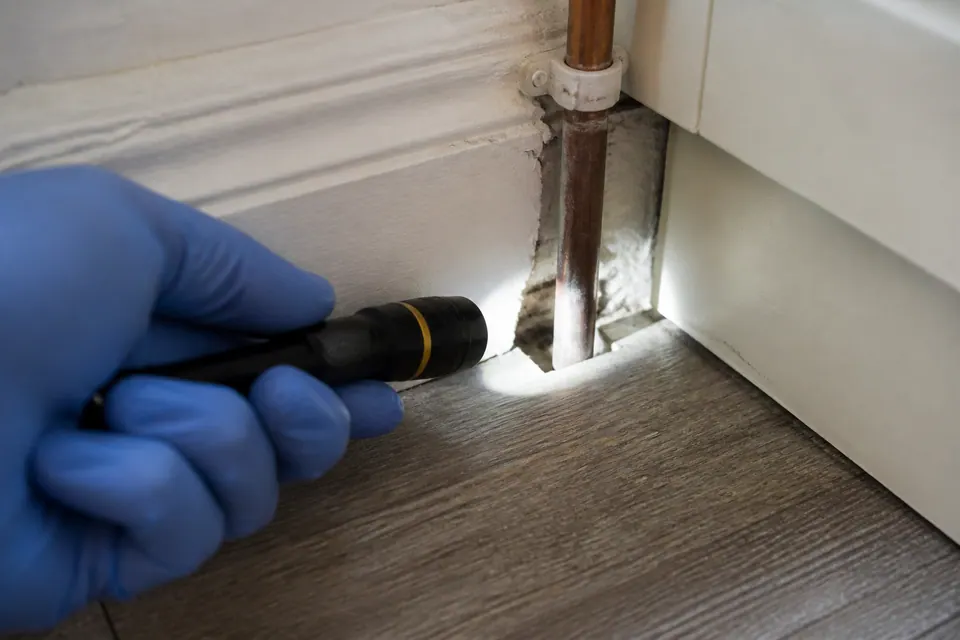

These illustrations are not St John’s Wood bedroom records or proof of a customer treatment outcome.
07 / SCOPE BEFORE A QUOTE
A St John’s Wood proposal should account for the relevant furniture and accessible evidence. The starting guides below do not include dismantling or joinery by assumption.
from £120
See published service pricingfrom £150
See published service pricing| Service | Pricing basis | Price |
|---|---|---|
| Mice control | Activity, access and programme | Quote after assessment |
| Rat control | Internal / external routes and visits | Quote after assessment |
| Proofing / repairs | Surveyed openings and separate work | Quoted separately |
Confirm the selected service, preparation and attendance included in the price. Rodents and inspection need assessment-based proposals; furniture alteration is a separate question. Guides checked 27 August 2026.
01 / START WITH THE EVIDENCE
The room name is not a diagnosis. Separate marks on furnishings, unexplained sounds and an actual insect sighting when describing the concern.
Damage to stored material or other suspected rodent signs.
Mice controlScratching perceived behind a fitted unit or wall.
Rats controlVisible spotting or shed material around a bed.
Bed bug treatmentAn insect found in a bedroom with uncertain identification.
Cockroaches controlName the damaged item and position. Finding it in bedroom storage does not establish the animal or mean a bed bug service is appropriate.
State where the sound is audible without removing panels to locate it. Noise alone cannot distinguish a rat from another possible cause.
Describe the exact visible bed-frame or headboard detail. Irritation alone does not identify bed bugs, and hidden fittings should not be declared inspected.
Describe the insect and any photograph accurately. The location does not rule a species in or out, so ask about assessment rather than selecting a service by room.
05 / PROPERTY BRIEF
State how it is attached if known and which edges are visible. Do not promise access behind it without an appropriate arrangement.
Describe the storage and any restrictions without emptying it pre-emptively. The relevant preparation depends on the suspected problem and proposal.
Tell the person responsible for the furnishings about access questions. Treatment and consent for alterations to their furniture are different matters.
Identify both positions if relevant evidence exists. A bedroom count does not necessarily describe the resting places involved.
Explain who uses the room and any requirements affecting preparation. The people following the instructions need accurate guidance for that space.
Discuss your homeClarify the premises use and request suitability confirmation. A residential guide does not establish commercial accommodation treatment or documentation.
Check the premises requirements06 / SIGNS → LOCATION → NEXT STEP
| Pest problem | Signs to describe | Areas to mention | Next step |
|---|---|---|---|
| Mice | Damage to material stored beside the bed | Named storage compartment and accessible edge | Discuss the evidence before choosing a rodent service |
| Rats | Repeated sound perceived behind a fitted unit | Room position and approximate direction | Request assessment without opening the structure |
| Bed bugs | Physical marks near a fixed headboard | Visible frame edge and attachment restrictions | Explain access limits before any preparation |
| Cockroaches | An unidentified insect in bedroom furniture | Actual sighting point and available photograph | Check identification rather than assuming a bedroom species |
MAKE THE ENQUIRY SPECIFIC
Describe the attachment and reachable edges. Removing it should not be assumed a preparation step or included trade task.
Involve them in any question about alteration. Authority to occupy the bedroom does not automatically answer every furniture-access issue.
Date the discovery and describe the former position. Hidden marks cannot automatically be described as fresh activity.
Explain what prevents access and wait for specific guidance. Do not transfer the contents around the home merely to make inspection seem easier.
09 / FROM FIRST CONTACT
These steps concern assessment and practical arrangements. They do not prescribe a treatment method or a guaranteed completion time.

Name the bed, frame edge or storage position. Keep the concern distinct from an unconfirmed pest label.
Tell the team what is attached and what can be viewed. Do not remove wall-mounted parts to answer that question.
Describe furniture or belongings moved before discovery and any later transfers. This is context, not proof of the cause.
Ask what can be assessed and how limitations affect the proposed work. Clarify tasks requiring other permission or a separate arrangement.
Use the preparation and return guidance for the selected service. If a requirement cannot be met, ask before substituting a different action.
Keep the same place and date with subsequent observations. Do not treat a changed furniture arrangement as evidence that the problem is resolved.
13 / CLEAR EXPECTATIONS
The concern is tied to what can be seen rather than a conclusion drawn from irritation or the fact that it is a bedroom.
The account should state where a fitting prevents observation instead of implying every relevant surface has been checked.
Inspection and control should not be confused with joinery, removal or repairs that require a separate decision.
ADDRESS AND AVAILABILITY
Confirm the residential service and postcode directly, then describe the floor and route to the affected room.
Mention relevant fixed fittings in the enquiry, not just at arrival. The map identifies the area but cannot establish appointment availability or furniture access.
Open St John’s Wood in Google Maps ↗ST JOHN’S WOOD / QUESTIONS
No such preparation should be assumed. Describe how it is fitted and ask what access the proposed assessment needs.
It can limit visibility or access. Explain the construction so the proposal does not imply that concealed surfaces have already been examined.
No. Physical evidence and appropriate assessment are needed; irritation alone does not identify the pest.
Explain its construction, contents and access limits without emptying it automatically. Preparation depends on the actual concern and agreed service.
Seek relevant instructions before transferring items. The movement itself can complicate the account of where evidence was first noticed.
Do not assume that. Furniture alterations, removal and other trade work must be identified and agreed separately if they are relevant.
Raise any alteration question with the responsible owner. A treatment enquiry does not settle permission for dismantling someone else’s fittings.
Yes, where relevant. The number and position of resting places may be more informative than simply stating one bedroom.
Give the discovery date and earlier position. Explain that the surface was previously hidden rather than claiming the mark appeared that day.
Follow the booking’s specific aftercare and occupancy instructions. There is no universal timetable for rearranging furniture or using the room again.
15 / TAKE THE NEXT STEP
Send the St John’s Wood postcode with the visible finding and furniture restrictions. Ask what assessment is appropriate before planning removal, treatment or rearrangement.
