
The product name is unknown
Say so rather than guessing the method.
PEST CONTROL / SUTTON
The previous visit may not
have used the method you assume.
Paperwork, dates and instructions can make an earlier programme clearer. Supply what is known, say what is missing and include products used afterwards before discussing whether further assessment or treatment is appropriate.
MAKE THE ENQUIRY SPECIFIC
Say so rather than guessing the method.
Label it as an estimate.
Include available details and timing.
Do not assume every other area was treated.
06 / SIGNS → LOCATION → NEXT STEP
| Pest problem | Signs to describe | Areas to mention | Next step |
|---|---|---|---|
| Mice | Current cupboard signs | Named storage | Add prior records separately |
| Rats | Possible rodent evidence | Current indoor or exterior location | Date old and new reports distinctly |
| Bed bugs | Physical bed traces | Relevant sleeping room | Supply evidence and earlier documentation |
| Cockroaches | Recurring kitchen insects | Specific appliance | List intervening products |
09 / FROM FIRST CONTACT
Known and unknown details should stay distinguishable.

Supply postcode and current signs.
Gather previous dates and documents.
Disclose later products and agree reassessment scope.
Follow the current method’s preparation.
Use the new handover and review guidance.
Keep separate property recommendations explicit.
08 / THE CONTROL PLAN
The earlier method and current evidence need separate consideration.
Accessible findings are assessed alongside available records and gaps.
The new programme reflects the supported current problem.
Review guidance should clarify what later observations to report.
05 / PROPERTY BRIEF
Separate the flat’s history from communal reports.
Name rooms and floors where work was previously included.
Ask the authorising contact for available documents.
Shared programmes may have a different responsible manager.
The residential enquiry should include current occupants and access.
Discuss your homeCommercial history requires suitability assessed separately.
Check the premises requirementsADDRESS AND AVAILABILITY
Supply the complete postcode and present affected areas.
Coverage and availability need confirmation even where earlier work was arranged.
Open Sutton in Google Maps ↗07 / SCOPE BEFORE A QUOTE
An earlier price does not establish today’s programme. Confirm coverage, reassessment needs and included review before accepting further work.
from £120
See published service pricingfrom £150
See published service pricing| Service | Pricing basis | Price |
|---|---|---|
| Mice control | Activity, access and programme | Quote after assessment |
| Rat control | Internal / external routes and visits | Quote after assessment |
| Proofing / repairs | Surveyed openings and separate work | Quoted separately |
Guides checked 27 August 2026. Clarify the current total and separate tasks directly.
SUTTON / PROPERTY CONTEXT
Check coverage using the postcode. Then separate the previous programme from the current observation.
Keep invoices, notes or instructions available where they exist. They may explain included areas and review arrangements better than memory.
If the method or date is unknown, state that. Different pest visits should not be treated as identical.
Products applied afterwards belong in the history even when they were household attempts rather than professional work.
03 / OBSERVATION CHECKLIST
Old paperwork and fresh evidence serve different purposes.
Do not disturb suspect material or unknown nests to recreate an earlier report.
Droppings or tracks need a current discovery location.
Scratching needs time and position without species certainty.
Damaged packets retain their storage reference.
Bed spotting or shed material differs from skin irritation.
Repeated insects need recent dates and product details.
Exterior or nesting activity needs safe description and suitability checked if unknown.
01 / START WITH THE EVIDENCE
A previous service label does not automatically identify today’s concern.
Droppings or damage in storage.
Mice controlPossible rodent evidence in a named location.
Rats controlPhysical traces around sleeping furniture.
Bed bug treatmentRecurring kitchen insects.
Cockroaches controlMouse enquiries should include current signs as well as the earlier programme’s details.
Rat reports need present observations, keeping historic exterior findings separately dated.
Bed bug concerns require relevant physical evidence; symptoms and an old diagnosis do not alone establish current activity.
Recurring appliance insects need recent dates and every known product used since the previous visit.
04 / AT A GLANCE
10 / PROBLEM → TREATMENT → CONTROL
Progress now should follow current findings and the agreed review, not assumptions about the earlier visit.
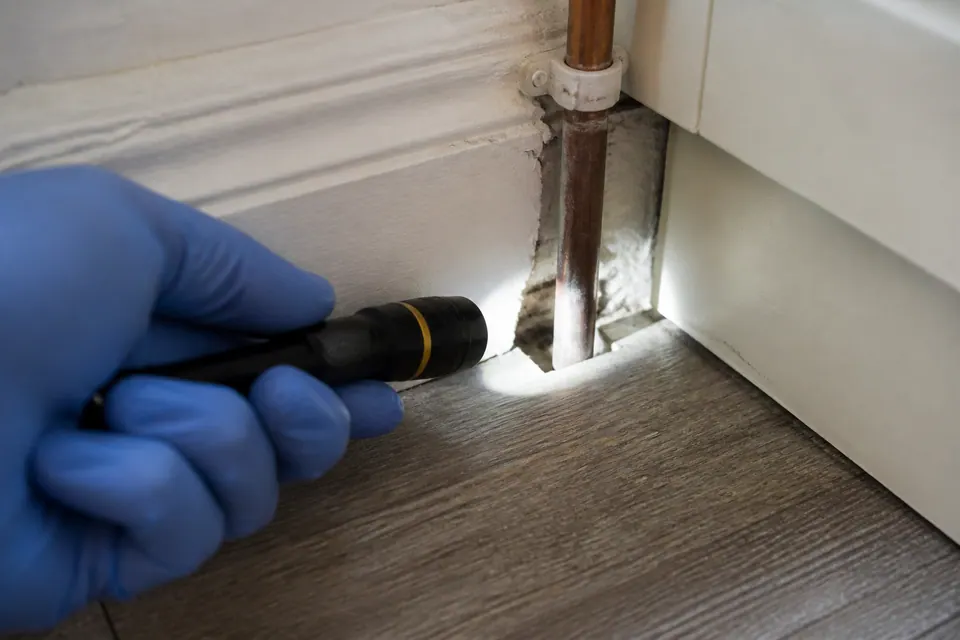

Illustrations do not document a Sutton repeat-treatment case or verified outcome.
13 / CLEAR EXPECTATIONS
Unknown details should remain acknowledged.
Current signs need their own evidence.
Instructions should match the current booking.
SUTTON / QUESTIONS
Provide it if known; otherwise state the gap.
It may clarify scope and dates.
Label estimates explicitly.
Yes, disclose names and timing where available.
Current evidence still needs consideration.
Use guidance for the current method.
The new scope and total require agreement.
No; explain what is available and missing.
Give their separate locations and dates.
The instructions for the actual current booking.
15 / TAKE THE NEXT STEP
Check coverage with the postcode, available records and today’s observations. Keep uncertainty explicit before further work is agreed.
