
Mice
Droppings or damaged food packaging.
Mice controlPEST CONTROL / WALTHAM CROSS
Lead with the finding,
not every possible explanation.
A short account of what was seen, where and when helps establish the next discussion. Add any access barrier and the full postcode, then confirm coverage and availability before treating a preferred appointment as booked.
01 / START WITH THE EVIDENCE
Choose the relevant evidence category; the enquiry itself is not a diagnosis.
Droppings or damaged food packaging.
Mice controlPossible rodent signs in a defined area.
Rats controlPhysical traces by sleeping furniture.
Bed bug treatmentRecurring kitchen insect sightings.
Cockroaches controlFor possible mice, describe the actual cupboard finding rather than only saying “pests”.
Rat concerns need their observed location and any separate exterior account without unsafe investigation.
Bed bug enquiries should include physical evidence where available; skin irritation alone is insufficient.
Recurring appliance insects need dates and prior product details so the report remains useful.
09 / FROM FIRST CONTACT
Keep the essential information together.

Give the full postcode and actual finding.
Clarify the room, date and any uncertainty.
Discuss access, scope, pricing and availability.
Follow the specific preparation provided.
Record later signs under the review guidance.
Arrange separate recommendations with the responsible person.
08 / THE CONTROL PLAN
The initial account should leave uncertainty visible.
Accessible findings are assessed alongside the history and any limitations.
The chosen method and included work are agreed for the supported problem.
Later evidence informs review and any separately identified prevention tasks.
05 / PROPERTY BRIEF
Include the flat number and relevant rooms.
Identify the floor or entrance involved.
Clarify approval and access responsibilities.
Separate permission is needed for communal facilities.
Check commercial suitability independently rather than assuming a domestic service applies.
Check the premises requirementsWALTHAM CROSS / PROPERTY CONTEXT
Supply the complete postcode for a coverage check. A town reference alone does not define the property or requested work.
A sentence such as “small marks found in the lower kitchen cupboard yesterday” preserves more useful detail than an unconfirmed species label.
State whether a photograph is available and taken safely. Do not disturb suspect material just to make the enquiry more complete.
Include a locked room, fixed unit or other access limit at the outset. The proposed assessment can then acknowledge what is not readily reachable.
07 / SCOPE BEFORE A QUOTE
A starting guide is not a fixed price for every concern. Confirm coverage, identification and included work before accepting a quotation.
from £120
See published service pricingfrom £150
See published service pricing| Service | Pricing basis | Price |
|---|---|---|
| Mice control | Activity, access and programme | Quote after assessment |
| Rat control | Internal / external routes and visits | Quote after assessment |
| Proofing / repairs | Surveyed openings and separate work | Quoted separately |
Guides checked 27 August 2026. Clarify the total, monitoring and any separately required work directly.
06 / SIGNS → LOCATION → NEXT STEP
| Pest problem | Signs to describe | Areas to mention | Next step |
|---|---|---|---|
| Mice | Cupboard droppings | Named storage area | Describe direct findings |
| Rats | Possible rodent evidence | Specific internal or outside location | Keep observation and theory separate |
| Bed bugs | Spotting near a bed | Sleeping furniture | Request physical assessment |
| Cockroaches | Repeated appliance insects | Named kitchen equipment | Give dates and product history |
04 / AT A GLANCE
03 / OBSERVATION CHECKLIST
Keep the wording plain and the location precise.
Avoid disturbing unknown nests or suspected contamination.
Droppings or tracks need the room and surface.
Scratching needs the position and approximate time.
Damaged packets need their storage reference.
Bed-frame spotting or shed material differs from irritation alone.
Recurring insects need their appliance location and dates.
Outside movement or nesting material needs suitability checked if the animal is unidentified.
10 / PROBLEM → TREATMENT → CONTROL
The programme’s progress needs relevant findings and review. Neither a neat photograph nor one completed appointment establishes a universal result.
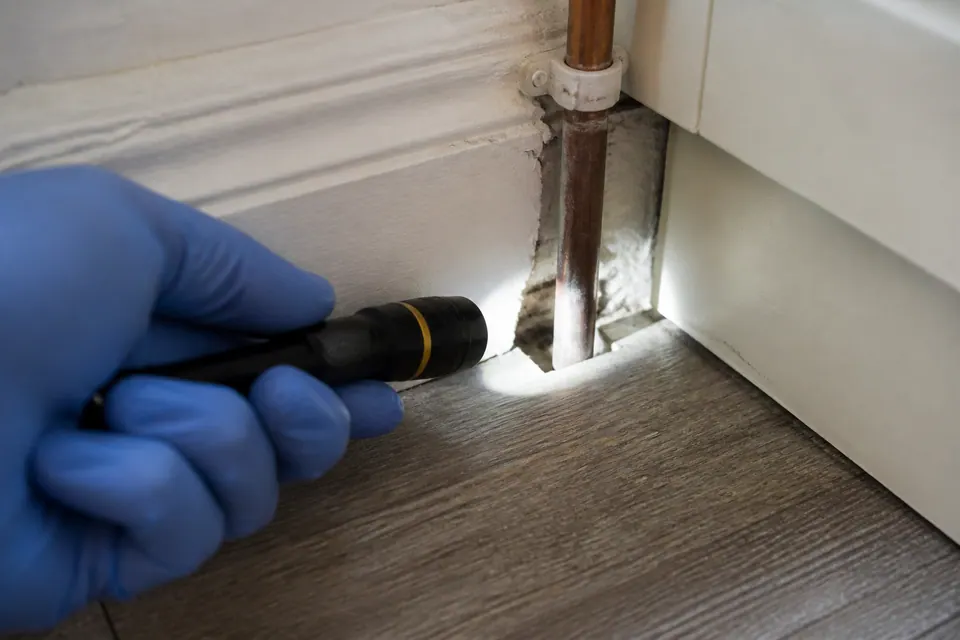
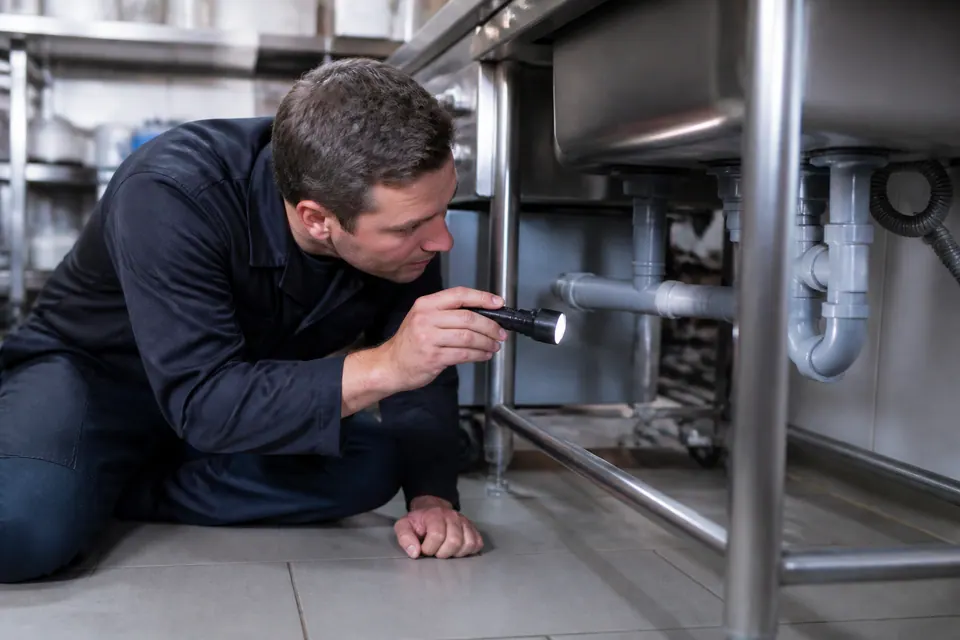
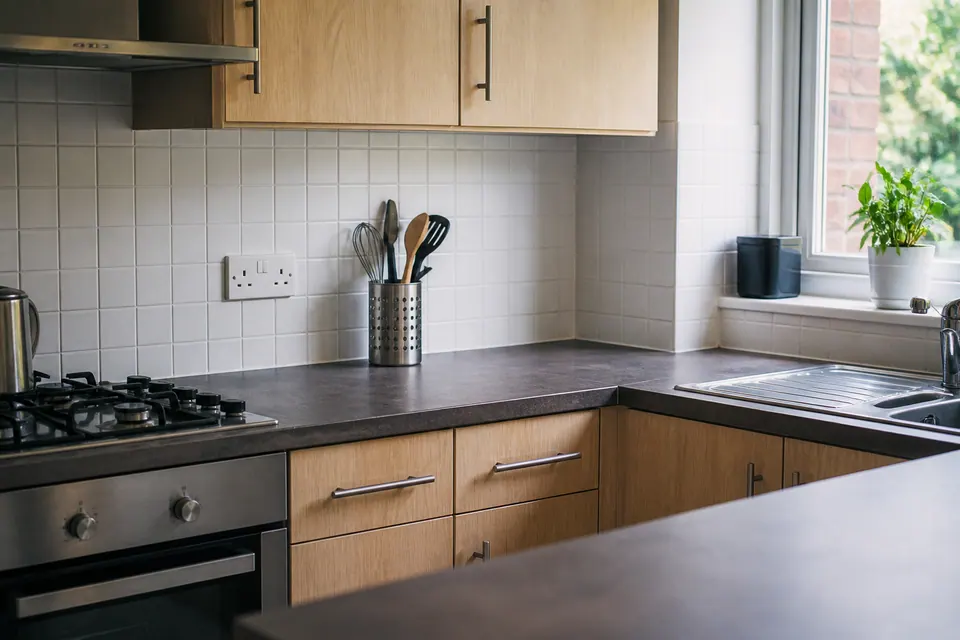
These are illustrative scenes, not a Waltham Cross customer case or outcome.
MAKE THE ENQUIRY SPECIFIC
Say so rather than supplying a confident guess.
Disclose the access limitation before scope is agreed.
Give the available name and timing.
Treat it as a preference until confirmed.
ADDRESS AND AVAILABILITY
Send the postcode and correct entrance details.
Coverage and appointment availability require confirmation; the map locates the area only.
Open Waltham Cross in Google Maps ↗13 / CLEAR EXPECTATIONS
The observed sign matters more than a speculative diagnosis.
Access restrictions should be known early.
The scope and appointment need confirmation.
WALTHAM CROSS / QUESTIONS
No. Describe the actual observation and uncertainty.
Start with the relevant room, finding and date.
A factual description can still start the discussion.
Avoid unsafe investigation or disturbing the structure.
No. Coverage and availability must be agreed.
The full postcode, dwelling and entrance.
Yes, provide available names and dates.
Keep its source and location separate from your own findings.
No. The actual scope needs assessment and agreement.
Provide the new room, date and sign so the enquiry can be reviewed.
15 / TAKE THE NEXT STEP
Start with the postcode and observed signs. Add access limits, then discuss coverage and the appropriate next step.
