
Mice
Possible chewing with other storage-area signs.
Mice controlPEST CONTROL / TOOTING
Damaged food packaging.
A damaged packet is a finding, not a diagnosis.
A hole or damaged edge can prompt concern without showing what caused it. For a Tooting enquiry, record the shelf and visible condition, then describe any separate sightings or marks. Keep people and animals away from suspect contamination rather than opening the packet to investigate.
01 / START WITH THE EVIDENCE
Do not assign a species from packaging alone.
Possible chewing with other storage-area signs.
Mice controlA larger rodent directly observed.
Rats controlPhysical signs around sleeping furniture.
Bed bug treatmentRecurring insects at a kitchen fitting.
Cockroaches controlDescribe the packet and shelf, plus any independently observed signs. Avoid opening or handling suspect contents to make identification yourself.
Give its actual position and date. Do not assume every damaged packet is connected to that event.
Describe physical bed-area signs independently of food storage and symptoms.
Name the fitting and previous products. An insect nearby does not automatically establish the cause of packet damage.
09 / FROM FIRST CONTACT
Expand the stages without handling suspected contamination.
Give the original cupboard position.
Do not open contents to add detail.
Keep sightings and other marks individually dated.
Ask what the proposed assessment requires.
Avoid counting the original moved item as new damage.
Use fresh evidence to discuss any next action.
08 / THE CONTROL PLAN
Keep the damaged item and any separate events identifiable.
Accessible evidence and the location history can support assessment without disturbing suspect contents.
The method follows the established concern and household, with clear storage and preparation instructions.
New damage or sightings should be recorded separately from the original item.
05 / PROPERTY BRIEF
Identify the shelf and contents involved.
Attribute who discovered the damage and any products used by others.
Explain the earlier position where known.
Describe inaccessible edges without dismantling them.
Check suitability separately rather than assuming commercial requirements are included.
Check the premises requirementsTOOTING / PROPERTY CONTEXT
A damaged item may be moved quickly once noticed. Keep the shelf and discovery date in the record so assessment is not based only on where it was placed afterwards.
Do not open suspect packaging or disturb possible contamination to gather more detail. Describe visible marks from a safe position.
Note any accompanying signs separately: a direct sighting, marks elsewhere or repeated insect events. Their timing may differ from the packet discovery.
Explain recent cleaning, moved contents and known products. These can affect what remains visible without establishing the cause or age of the damage.
07 / SCOPE BEFORE A QUOTE
A damaged packet cannot determine the treatment or total on its own. Confirm identification, included areas and the proposed programme.
from £120
See published service pricingfrom £150
See published service pricing| Service | Pricing basis | Price |
|---|---|---|
| Mice control | Mouse-related storage evidence | Assessment-led quote |
| Rat control | Rat concern and agreed scope | Programme quotation |
| Proofing / repairs | Separate repairs or other tasks | Additional agreement |
Guides checked on 27 August 2026 are starting figures. Confirm Tooting coverage and the service supported by assessment rather than selecting from packaging damage alone.
06 / SIGNS → LOCATION → NEXT STEP
| Pest problem | Signs to describe | Areas to mention | Next step |
|---|---|---|---|
| Mice | Possible chewing | Original packet shelf | Ask for assessment without opening contents. |
| Rats | Larger rodent seen | Actual observation point | Keep it separate from packet assumptions. |
| Bed bugs | Physical bed marks | Sleeping area | Report independently of food damage. |
| Cockroaches | Recurring insects | Kitchen fitting and dates | Provide product history and separate evidence. |
04 / AT A GLANCE
03 / OBSERVATION CHECKLIST
A clear shelf reference and visible description can begin the enquiry.
Keep people and animals away from suspected contamination.
Name the cupboard and position before relocation.
Describe what can be seen without opening the packet.
Give their own positions instead of assuming one cause.
Record the actual event and uncertainty.
Say what changed after discovery.
Keep the earlier location in the account.
10 / PROBLEM → TREATMENT → CONTROL
Removing an affected item changes the scene, not necessarily the underlying concern. Assessment and later evidence inform review.
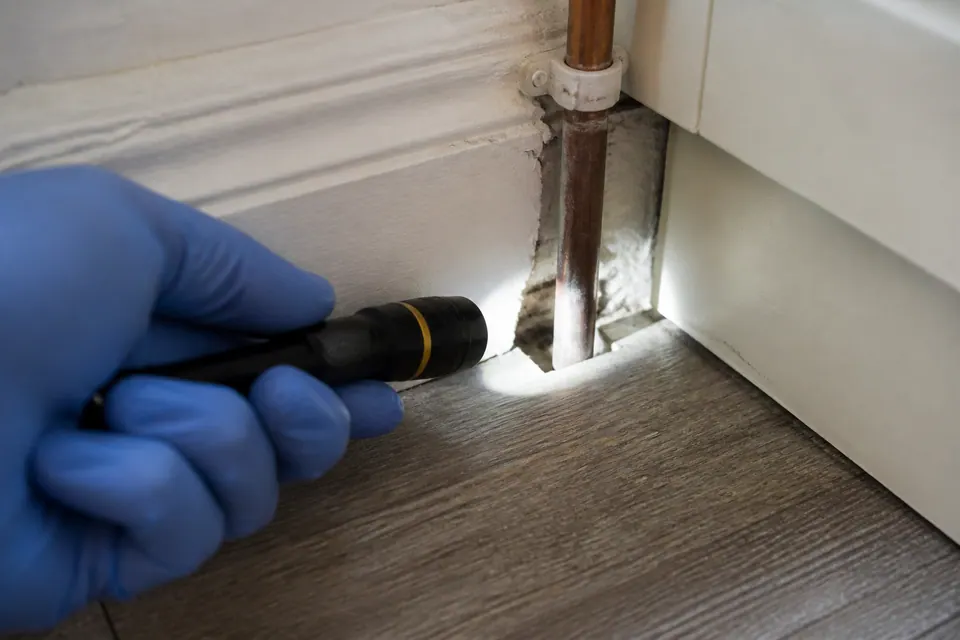

Generated scenes are not a Tooting food-storage investigation or proof of treatment success.
MAKE THE ENQUIRY SPECIFIC
Keep its original shelf in the account.
Describe what was done and when.
Give it a separate position and date.
Do not examine them to identify the pest; seek appropriate preparation advice.
ADDRESS AND AVAILABILITY
Give the postcode and the room where the item was originally kept.
Check availability before clearing the cupboard. The map is an area reference rather than a local Alesta premises marker.
Open Tooting in Google Maps ↗13 / CLEAR EXPECTATIONS
Where the item was kept.
What could be seen without disturbing contents.
What else was actually observed and when.
TOOTING / QUESTIONS
Not by itself. Describe the damage and any separate signs for assessment.
Do not open suspect contents merely to identify a pest. Keep people and animals away from possible contamination.
Name the cupboard and shelf where it was found.
Include the earlier storage position and when it moved if known.
Keep the direct event separately dated rather than assuming it caused the packet damage.
Provide the known product and application position.
Describe what changed after discovery without claiming the underlying concern ended.
No. Damage needs assessment before it can establish an appropriate service.
Follow the method-specific preparation and restocking instructions for the booking.
Record a new item and position separately from the original moved or unchanged packet.
15 / TAKE THE NEXT STEP
Call with the original shelf and accompanying signs. Confirm assessment before treating the damaged packet as a certain diagnosis.
