
Indoor droppings or tracks
Droppings or tracks within a cupboard need their exact position recorded.
PEST CONTROL / WALTHAMSTOW
Close to a boundary does
not establish where activity began.
A sound beside a party wall can be difficult to locate. Describe the position from your own room and keep neighbouring accounts separate; an assessment should follow available evidence rather than assigning responsibility across the boundary.
03 / OBSERVATION CHECKLIST
The observation should remain useful even if the suspected neighbouring source proves wrong.
Avoid disturbing unknown nests, contamination or shared structures to pursue a theory.
Droppings or tracks within a cupboard need their exact position recorded.
Scratching beside a wall needs timing and room context, not a definite claim about the other side.
Damaged packets or materials should be located where they were found.
Bed-frame spotting or shed material is different from a report of irritation or a neighbour’s diagnosis.
Recurring insects should be recorded by appliance or unit, including earlier products used.
Outdoor movement or nesting material needs a safely observed location and a suitability check for unknown animals.
WALTHAMSTOW / PROPERTY CONTEXT
Check service coverage for the postcode. Then separate what you have observed inside the home from anything reported by another household.
Use a clear reference such as the wall behind the sofa or the cupboard beside the dividing wall. That helps locate the account without claiming a hidden connection.
A shared side passage may have a different access arrangement from the home itself. Establish permission before including it in the expected inspection.
Where another occupant supplies information, retain their dates and words as a separate report. Similar experiences can be relevant without proving a common cause.
04 / AT A GLANCE
08 / THE CONTROL PLAN
The route hypothesis should remain open until findings support it.
Accessible observations in the agreed areas are considered without treating the shared boundary as a confirmed origin.
The method and scope address the supported problem, with any additional permissions clearly distinguished.
Further reports and prevention recommendations can inform next actions without implying that another property has already been inspected.
10 / PROBLEM → TREATMENT → CONTROL
Progress should be reviewed through the findings and agreed monitoring. Neither silence from a neighbour nor a photograph of a tidy room confirms that activity has ended.
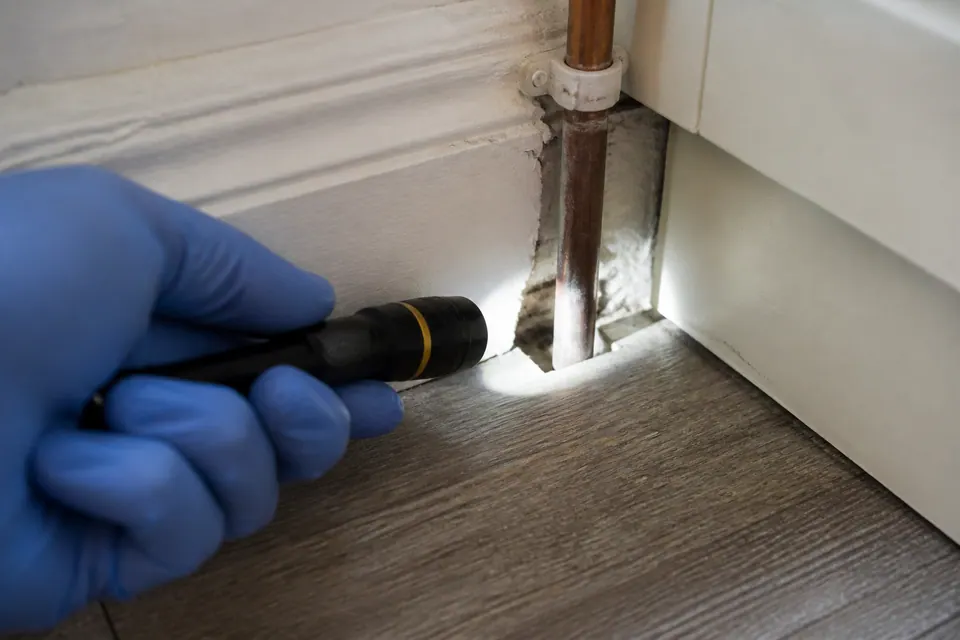
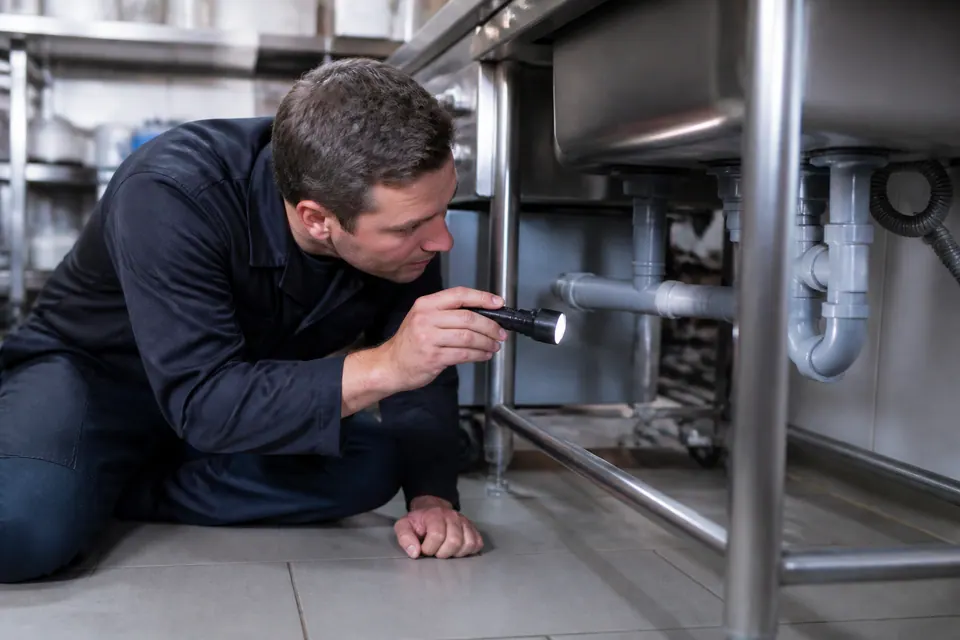
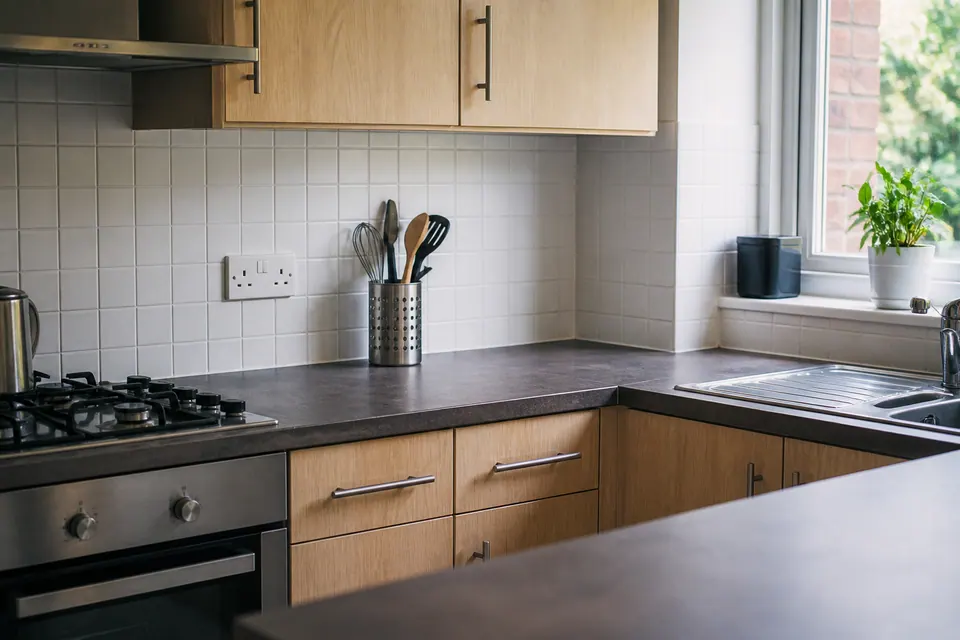
The staged images illustrate a process and do not document a Walthamstow household or neighbouring property.
07 / SCOPE BEFORE A QUOTE
A price for the occupied home does not automatically cover adjoining premises or communal land. The scope should show where permission and separate agreement would be needed.
from £120
See published service pricingfrom £150
See published service pricing| Service | Pricing basis | Price |
|---|---|---|
| Mice control | Activity, access and programme | Quote after assessment |
| Rat control | Internal / external routes and visits | Quote after assessment |
| Proofing / repairs | Surveyed openings and separate work | Quoted separately |
Published starting guides checked 27 August 2026. Confirm coverage, the included areas and any separately authorised follow-on work.
01 / START WITH THE EVIDENCE
These options organise the relevant signs. A shared wall does not identify a pest.
Droppings or packet damage inside storage.
Mice controlPossible larger-animal evidence near an exterior edge.
Rats controlPhysical traces associated with sleeping furniture.
Bed bug treatmentRepeated insects beside warm kitchen fittings.
Cockroaches controlFor possible mice, give the actual cupboard or floor location. Proximity to the adjoining home is context rather than proof of a route.
Suspected rat observations should distinguish your own outside space from shared land; access rights remain a separate issue.
A neighbour’s bed bug report does not identify the cause of your own symptoms. Physical findings within the relevant home still matter.
Recurring insects near a service wall merit assessment, but their origin should not be assigned from the wall position alone.
05 / PROPERTY BRIEF
An adjoining wall does not give access to the next home or establish the origin of activity.
The unit’s inspection boundary should be distinguished from communal or separately occupied spaces.
Clarify who may authorise entry and whether the requested scope includes the passage.
A responsible manager may need to arrange access even when the resident can open the home.
The first brief should identify the observations and accessible areas within the residence.
Discuss your homeCommercial suitability and permissions require a separate discussion; do not assume a residential booking includes adjoining business premises.
Check the premises requirements06 / SIGNS → LOCATION → NEXT STEP
| Pest problem | Signs to describe | Areas to mention | Next step |
|---|---|---|---|
| Mice | Droppings in private storage | The actual cupboard location | Report evidence before a boundary theory |
| Rats | Movement seen near an outside edge | Private or shared land identified | Clarify observation and access separately |
| Bed bugs | Physical marks around a bed | The relevant occupied room | Assess the evidence rather than a neighbour’s report |
| Cockroaches | Repeated appliance-side insects | Exact kitchen unit or wall position | Include the sighting history without assigning origin |
MAKE THE ENQUIRY SPECIFIC
Report where you heard it, while acknowledging that concealed sounds can be difficult to locate.
Keep their account attributed and dated; it does not replace assessment of your own evidence.
Confirm permission and access arrangements before including that area in a proposed visit.
Describe the opening without claiming it is used. Discuss any proofing separately and in the appropriate sequence.
09 / FROM FIRST CONTACT
The sequence keeps evidence and permission together without confusing them.

Supply the postcode and the position where your own observations occurred.
Attribute any neighbour’s account separately and state what you have not seen yourself.
Resolve access to shared spaces before expecting them to be examined.
Follow the chosen method’s preparation and keep the agreed working areas available.
Report subsequent findings by room and date, including any change in the accessible evidence.
Coordinate separate property work through the appropriate owner or manager.
13 / CLEAR EXPECTATIONS
The initial report should distinguish an actual sign from a theory about its source.
Private and communal areas should have a clear access arrangement.
Recommendations should reflect what could be assessed, not unexamined neighbouring spaces.
ADDRESS AND AVAILABILITY
Give the full postcode and the entrance to your home, not only the street or building name.
Coverage must be confirmed. Mention any shared route needed for access and the contact responsible for permission.
Open Walthamstow in Google Maps ↗WALTHAMSTOW / QUESTIONS
Only evidence could support that conclusion. Give the observable facts rather than assigning an origin that has not been established.
No. Sound location and species identification both remain uncertain without supporting findings.
Relevant images may help if shared appropriately; retain their source, date and location rather than presenting them as your own observations.
Not on your authority alone. The relevant occupant or responsible party must arrange permission and access.
No. Identify the space and confirm whether it belongs in the agreed inspection.
Avoid speculative alterations. Discuss the suspected route and any separately agreed proofing before changes are made.
A private instruction does not automatically authorise communal or other residents’ areas. Clarify the responsible management contact.
Describe what is available from your own property and acknowledge the limitation; missing information should not be replaced by speculation.
Building repairs are not automatically included in pest treatment. Ask how any separate recommendation would be arranged.
Give the room, position and date, together with any physical finding. The review should consider the new account against the original evidence.
15 / TAKE THE NEXT STEP
Check coverage and discuss the accessible evidence from your home. Keep shared-area permissions and neighbouring information clear so the proposed assessment has an honest boundary.
