
Household storage
Name the cupboard and contents involved in a visible finding.
PEST CONTROL / SHOREDITCH
Live-work boundaries.
Explain how the space is used.
A room used for both living and work can contain personal belongings, equipment and stored materials that affect access. For a Shoreditch enquiry, describe the residential areas and any separate business use. Do not assume a home appointment automatically includes a commercial programme or its documentation.
03 / OBSERVATION CHECKLIST
The same room can have different contents without every item being affected.
Avoid disturbing suspect material or moving powered equipment unsafely.
Name the cupboard and contents involved in a visible finding.
Describe the item and location without assuming a business programme is included.
Explain what is visible and where equipment blocks access.
Keep physical bed-area evidence distinct from work-related context.
Record the fitting and events, including previous products.
Identify a finding outside the dwelling as a different scope question.
SHOREDITCH / PROPERTY CONTEXT
Working at a desk in a dwelling is not the same as asking for treatment of a separately operated business. Explain the actual use so the service scope can be considered accurately.
Mention cables, fixed workstations or stored materials that block a relevant edge. Do not disconnect sensitive equipment or redistribute contents merely to create an apparently clear room.
If commercial documentation, stock protection or another business requirement is essential, raise it before booking. The residential service information here does not confirm those capabilities.
Discuss how proposed household restrictions affect the use of shared living and working areas. Do not assume work can continue in a corner that happens to be called an office.
04 / AT A GLANCE
08 / THE CONTROL PLAN
A living room used for work still needs a factual account of the findings.
The reported position and available access guide assessment, while business requirements remain a separate suitability question.
The method and instructions should account for how the household uses the space, not assume a workstation is outside the area.
Any further attendance, material handling or business requirement should be discussed rather than inferred from a residential treatment.
10 / PROBLEM → TREATMENT → CONTROL
Room use and treatment outcome are different matters. Follow the method instructions and the review plan rather than assuming normal work can resume because the space looks tidy.
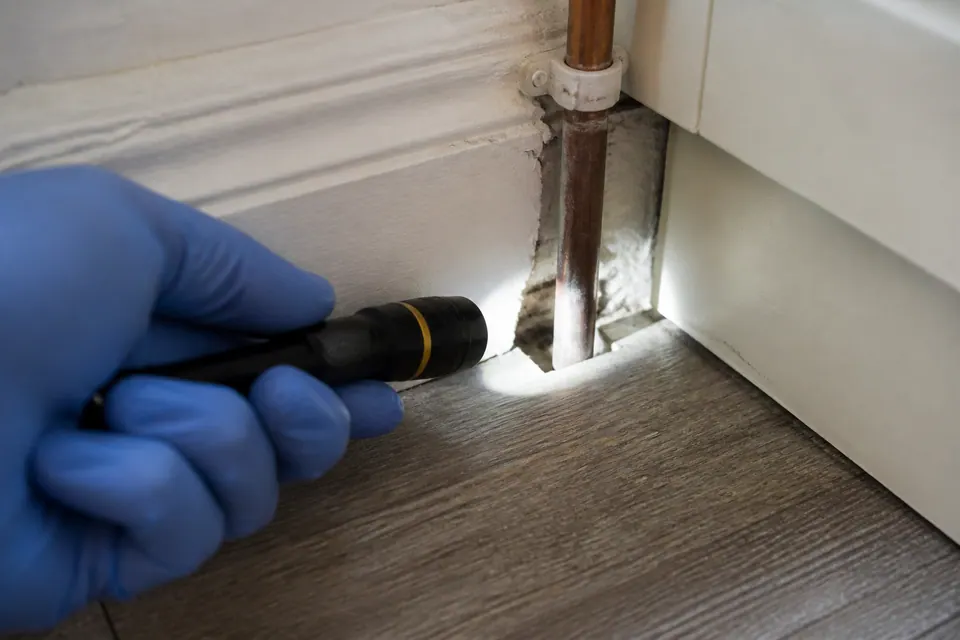
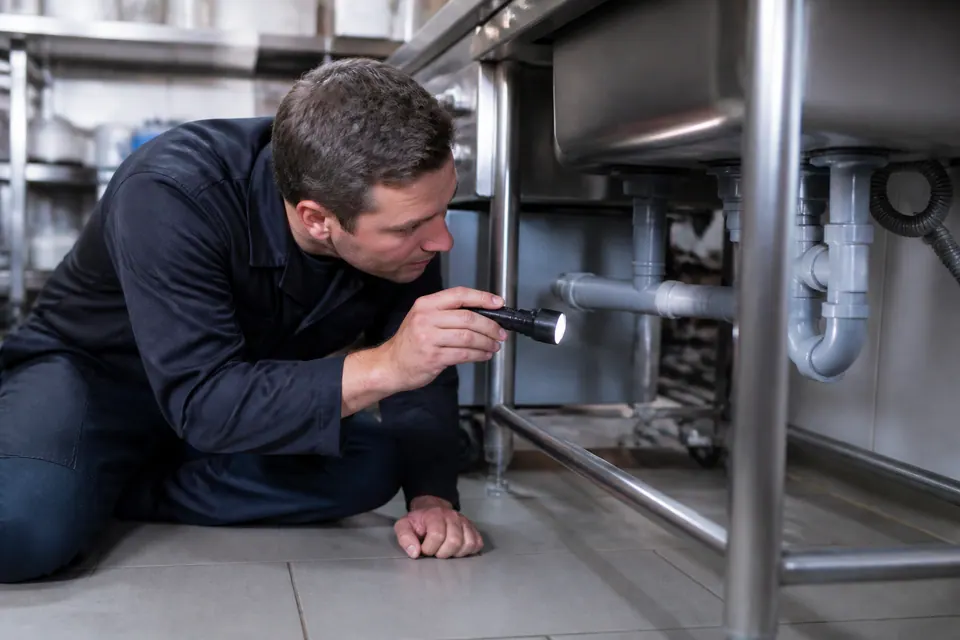
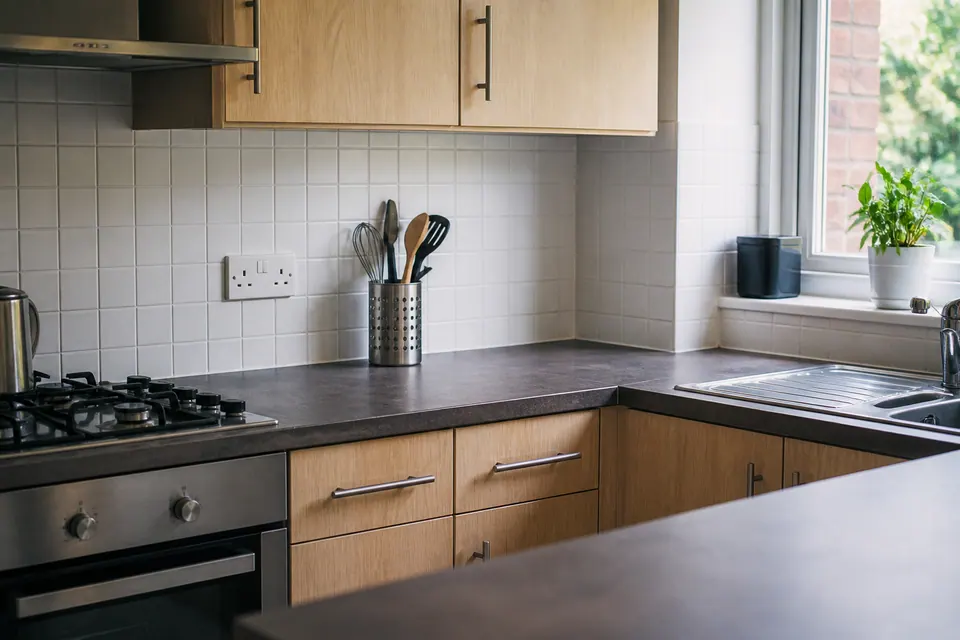
Generated scenes are not a Shoreditch commercial inspection or a live-work customer’s outcome.
07 / SCOPE BEFORE A QUOTE
Published home-service guides do not establish a commercial package. Describe the actual request and confirm suitability, accessible areas and inclusions before comparing totals.
from £120
See published service pricingfrom £150
See published service pricing| Service | Pricing basis | Price |
|---|---|---|
| Mice control | Mouse evidence in agreed areas | Assessed scope quote |
| Rat control | Rat concern and programme | Quotation after assessment |
| Proofing / repairs | Separate business or repair requirements | Explicit suitability and cost check |
The service guides checked on 27 August 2026 provide starting amounts. Confirm Shoreditch availability and whether every requested requirement can actually be supported.
01 / START WITH THE EVIDENCE
Select the concern and describe the use of the affected room.
Damage in household or workspace storage.
Mice controlA larger rodent observation with a precise location.
Rats controlPhysical signs around sleeping furniture.
Bed bug treatmentRecurring insects near kitchen or other equipment.
Cockroaches controlSay what was damaged and where it was stored. Distinguish household food from work stock without assuming both are included in the visit.
Give the actual location and relevant access. The property’s working use does not identify the route or establish commercial service suitability.
Describe physical signs at the bed or sleeping sofa, not merely the presence of visiting colleagues or clients.
Name the fitting and room use, with known moisture or prior products. Equipment warmth alone does not identify a cockroach concern.
05 / PROPERTY BRIEF
Explain the overlap so household restrictions are not assumed to stop at the workstation.
Describe findings in that room and what obstructs access, without assigning commercial scope automatically.
Identify their position and whether they limit the proposed inspection route.
Raise service suitability and documentation as explicit questions before booking.
The home enquiry should identify occupants and practical use of the rooms.
Discuss your homeDo not infer provision from the live-work address. Ask Alesta whether the specific request can be supported.
Check the premises requirements06 / SIGNS → LOCATION → NEXT STEP
| Pest problem | Signs to describe | Areas to mention | Next step |
|---|---|---|---|
| Mice | Damaged material in storage | Household contents or identified work item | Request assessment of the actual mouse-like finding. |
| Rats | Larger rodent observation | Defined residential or separate position | Clarify access and scope rather than property label. |
| Bed bugs | Physical sleeping-area marks | Bed or sleeping sofa | Seek identification from evidence, not room use. |
| Cockroaches | Recurring insects by equipment | Fitting, events and earlier products | Describe the concern before choosing service. |
MAKE THE ENQUIRY SPECIFIC
Describe the shared use so restrictions can be discussed for the actual space.
Explain the obstruction and ask what can safely remain or be prepared.
Confirm the requirement and suitability before a residential booking is accepted.
Report physical signs at the resting position rather than inferring a source from visitors.
09 / FROM FIRST CONTACT
Expand the stages before moving equipment or scheduling work around assumed restrictions.

Identify the household areas and any separately operated premises.
Name the finding and equipment or materials obstructing it.
Raise business documentation or other non-residential needs before accepting a scope.
Do not disconnect equipment or move suspect materials on a general assumption.
Keep the actual room and position clear, regardless of whether it is used for work.
A further business or remedial request needs its own discussion rather than automatic inclusion.
13 / CLEAR EXPECTATIONS
Explain which spaces are residential and which requirements belong to a business.
Equipment and stored materials should be described before preparation is planned.
Commercial documents or programmes require confirmation, not inference from a home-service page.
ADDRESS AND AVAILABILITY
Give the postcode and distinguish the dwelling from any separate business at the location.
Check suitability and appointment availability before coordinating work commitments. The area map is not confirmation of a commercial service or local office.
Open Shoreditch in Google Maps ↗SHOREDITCH / QUESTIONS
Describe the desk as part of the dwelling and explain any relevant findings or obstruction. Do not assume the label alone changes the service.
Explain that separately and ask whether the requested commercial service can be supported.
Raise the specific requirement before booking. Residential service information does not confirm commercial documentation.
Ask for the selected method’s restrictions for the actual room. A work corner is not automatically exempt.
Explain what blocks access and follow preparation advice. Do not disconnect equipment on assumption.
Describe the damaged item and location, while keeping business handling or protection requirements separate.
Give the physical findings at the sleeping position without treating visitors or meetings as a proven source.
No automatic whole-address coverage should be inferred. Confirm the areas and requirements included.
Include changes relevant to access, occupants or use when discussing another assessment or review.
Identify whether it remains within the residential scope or is a new business requirement, then confirm suitability and agreement.
15 / TAKE THE NEXT STEP
Call with the room findings, equipment restrictions and any separate business requirements. Confirm suitability and the actual scope before arranging attendance.
