
Spare room
Identify the stored contents and accessible route.
PEST CONTROL / DULWICH
Stored belongings and inspection space.
Access planning comes before a clear-out.
Boxes and spare furniture can conceal the position where signs were found. For a Dulwich enquiry, describe the storage arrangement before moving it. Ask what should be prepared and what should remain undisturbed so the assessment does not begin with belongings redistributed across the home.
04 / AT A GLANCE
05 / PROPERTY BRIEF
Identify the stored contents and accessible route.
Name the shelf and blocked edge rather than the whole floor.
Explain safe-movement limits before assuming they can be shifted.
Keep their previous position in the record.
Describe occupants and room use relevant to the chosen method.
Discuss your homeCheck suitability separately rather than assuming a residential service covers commercial materials.
Check the premises requirements01 / START WITH THE EVIDENCE
A cluttered position does not identify a pest or prove the contents are its source.
Damage to an item or signs at a storage edge.
Mice controlA larger rodent observation in a stated place.
Rats controlPhysical evidence on sleeping furniture or nearby items.
Bed bug treatmentRecurring insects at an accessible household fitting.
Cockroaches controlIdentify the item and where it was kept before discovery. Do not assume a moved box proves activity in every room it passed through.
Describe the actual observation and safe access. Avoid reaching into obscured spaces to confirm a guess.
Give physical signs and the item’s movement history without diagnosing from irritation or storage alone.
Name the fitting or item and recurrence. Include earlier products and any known moisture as context, not identification.
DULWICH / PROPERTY CONTEXT
A room name is not enough if the relevant wall edge is covered. Explain which parts can be viewed safely and which are obscured by contents.
Transferring boxes to another room may obscure where the evidence was found. Keep a record of the original position and ask for preparation advice first.
Mention heavy furniture, stacked items and any suspect material. Do not attempt an unsafe clearance to make every skirting edge visible.
If a proposed assessment cannot reach an area, ask how that limitation is recorded. A concealed position should not be assumed clear or automatically opened up.
07 / SCOPE BEFORE A QUOTE
Clarify the accessible areas and preparation assumptions. A treatment starting guide is not a promise to clear storage, move furniture or inspect every concealed edge.
from £120
See published service pricingfrom £150
See published service pricing| Service | Pricing basis | Price |
|---|---|---|
| Mice control | Mouse concern around stored contents | Assessment-led quotation |
| Rat control | Rat evidence and agreed areas | Scoped quote |
| Proofing / repairs | Clearance or separate repairs | Additional agreement |
Service guides checked on 27 August 2026 provide starting figures. Confirm Dulwich coverage, included areas and any preparation task not covered by the treatment proposal.
03 / OBSERVATION CHECKLIST
Record where an item was before it is moved.
Avoid handling suspect contamination or shifting unstable stacks to obtain evidence.
Identify the contents and original position.
Describe what blocks the view and whether it can be accessed safely.
Mention the earlier room so discovery is not mistaken for origin.
Describe physical findings separately from the fact it was stored.
Keep event dates and the fitting or item reference.
State that it remains unexamined rather than filling the gap with a theory.
06 / SIGNS → LOCATION → NEXT STEP
| Pest problem | Signs to describe | Areas to mention | Next step |
|---|---|---|---|
| Mice | Chewed stored contents | Item and original cupboard | Request assessment without moving it widely. |
| Rats | Larger rodent observation | Actual sighting and access route | Do not search obscured stacks unsafely. |
| Bed bugs | Physical furniture marks | Sleeping item and movement history | Seek identification from the finding. |
| Cockroaches | Recurring insects | Named stored item or fitting | Disclose earlier products and inaccessible edges. |
MAKE THE ENQUIRY SPECIFIC
Describe the arrangement before attempting a complete clearance.
Provide the earlier location so the discovery position is not treated as its source.
State the limitation and ask what preparation is appropriate.
Check service suitability and requirements rather than assuming a home booking covers it.
08 / THE CONTROL PLAN
The contents should not be moved simply to replace one inaccessible area with another.
Accessible signs and movement history can guide assessment while obscured areas remain identified.
Discuss which items need attention and how the household should prepare without improvising a general clear-out.
Fresh findings should retain their item and room reference so the record remains useful after preparation.
09 / FROM FIRST CONTACT
Expand the stages before moving boxes or furniture.
Name the room, item and position.
Explain covered edges and safe-access limitations.
Follow the proposed assessment or method rather than clearing everything by default.
If advised to relocate contents, preserve the original position in the account.
Do not count the same affected item in a new room as independent evidence automatically.
Clarify any separate clearance, repair or further assessment proposal.
10 / PROBLEM → TREATMENT → CONTROL
Better visibility can support assessment, but moving contents does not establish that activity has ended. Review the evidence and any stated limits.
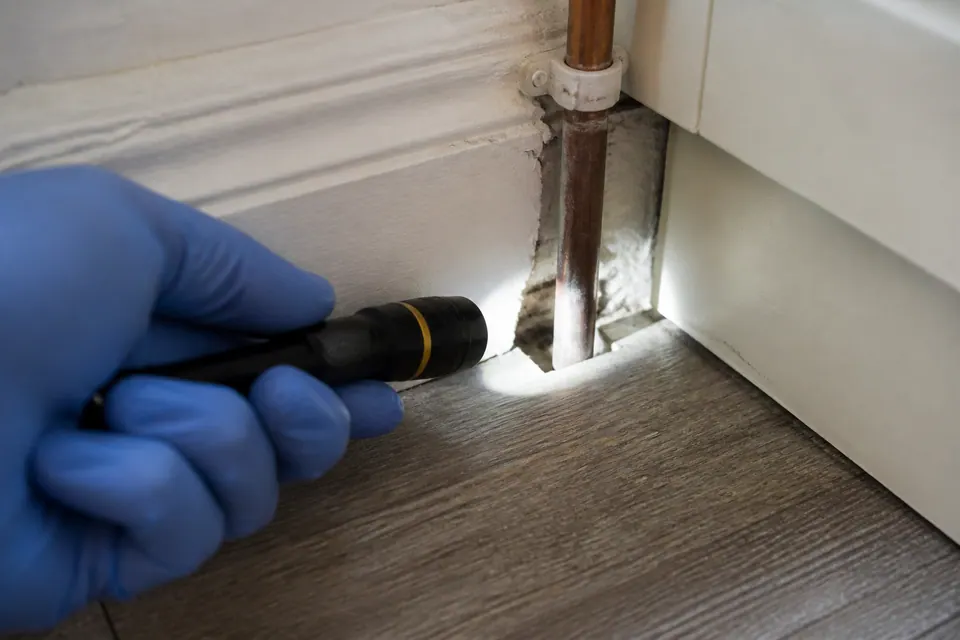
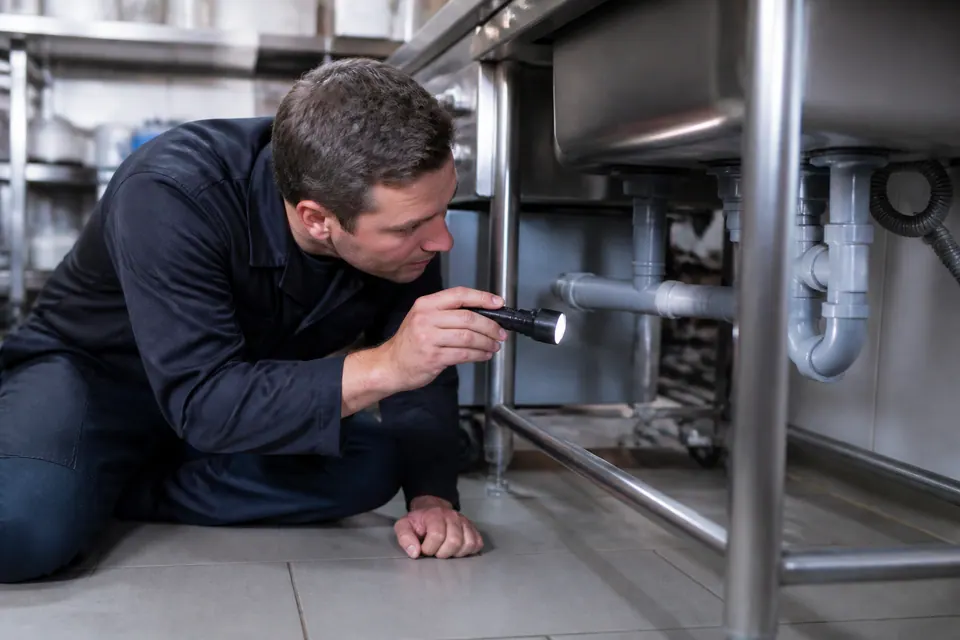
Generated scenes are not a Dulwich storage-clearance record or proof of pest outcomes.
13 / CLEAR EXPECTATIONS
Keep where the finding was first noticed.
Blocked edges can be described without unsafe clearance.
Moving contents and pest treatment are not automatically the same service.
ADDRESS AND AVAILABILITY
Give the postcode and explain how the affected room or cupboard is reached.
Check availability before arranging help to move contents. The map is an area reference, not a local Alesta storage or treatment premises.
Open Dulwich in Google Maps ↗DULWICH / QUESTIONS
Describe the obstruction and request preparation advice. Do not assume every box must be emptied before assessment.
Explain where it was previously stored and when it moved. The discovery room is not necessarily its origin.
Do not create a lifting risk. State the limitation when the proposed scope is discussed.
Keep the physical finding and item’s history separate from a diagnosis based only on storage or symptoms.
Ask for advice appropriate to the suspected concern before redistributing contents through the home.
No. Any such task needs explicit confirmation rather than being inferred from the treatment guide.
State that the position is obscured. An unexamined area should not be represented as clear.
Follow the specific method and household instructions rather than returning everything immediately on assumption.
Identify the previous and new positions so the same affected object is not mistaken for multiple independent findings.
Raise the actual use and any business requirements before relying on residential service information.
15 / TAKE THE NEXT STEP
Call with the original positions and access limitations. Confirm preparation and scope before relocating boxes or heavy furniture.
