
An item moved within one room
Describe both positions so the exposed surface and the item itself are not confused.
PEST CONTROL / FINSBURY PARK
Housemate reports after furniture moves.
Start with a clear account.
Moving furniture can reveal signs or change where they are noticed. Collect the observations from each occupant and explain the sequence of moves before deciding that activity has spread.
04 / AT A GLANCE
05 / PROPERTY BRIEF
Describe both positions so the exposed surface and the item itself are not confused.
Give the sequence and dates where known, while leaving any claimed spread unproven.
Ask for their account. Keep permission questions distinct from another resident’s observations.
Clarify authority before any proposed dismantling or disposal; pest work does not settle ownership decisions.
Explain who uses the relevant rooms and any restrictions affecting preparation.
Discuss your homeDescribe the origin and current use accurately, and check suitability rather than assuming residential provision covers commercial work.
Check the premises requirements01 / START WITH THE EVIDENCE
Describe what became visible and what has appeared since. Those are different parts of the account.
Damaged material discovered when a unit is shifted.
Mice controlSounds perceived near a newly accessible room edge.
Rats controlMarks revealed behind a bed or bedside furniture.
Bed bug treatmentInsects noticed after equipment or storage is moved.
Cockroaches controlState the former position and discovery date. Hidden damage may predate the move and cannot automatically be called fresh.
Keep the sound’s location and timing separate from the furniture change. Sequence alone does not establish cause.
Explain physical evidence and subsequent item movements. Irritation alone does not identify bed bugs.
Distinguish a discovery during the move from repeated sightings afterwards, and disclose products applied to the exposed area.
FINSBURY PARK / PROPERTY CONTEXT
A housemate may move a cabinet while another notices the marks later. Reconstruct that sequence without claiming either person knows when the underlying activity began.
Confirm the Finsbury Park address and appropriate service directly. A guide about furniture findings is not an accepted appointment.
List the relevant item’s original and current rooms. Avoid further unnecessary moves while seeking preparation advice for the suspected concern.
Keep each housemate’s observations attributable. A shared account should not turn one person’s guess about an item into a confirmed history.
07 / SCOPE BEFORE A QUOTE
A Finsbury Park proposal needs the actual findings and current layout. The number of moved items alone cannot determine pest treatment.
from £120
See published service pricingfrom £150
See published service pricing| Service | Pricing basis | Price |
|---|---|---|
| Mice control | Activity, access and programme | Quote after assessment |
| Rat control | Internal / external routes and visits | Quote after assessment |
| Proofing / repairs | Surveyed openings and separate work | Quoted separately |
Confirm the service, preparation and included attendance directly. Guides checked 27 August 2026; furniture removal or repairs are not automatic inclusions.
03 / OBSERVATION CHECKLIST
A useful timeline separates household actions from evidence rather than assuming that one explains the other.
Do not disturb suspect material or continue moving belongings merely to test a theory about the source.
Name the room and fixed reference where the item stood before it was moved.
Explain the practical change without claiming the move triggered the pest concern.
State where the mark or insect was actually seen, including whether it was on the item or the exposed surface.
Record any transfer after discovery so the enquiry reflects the current layout.
Give fresh sightings their own dates and locations instead of reusing the original finding as evidence of recurrence.
Tell the team what was applied and where, including actions by someone who is not making contact.
06 / SIGNS → LOCATION → NEXT STEP
| Pest problem | Signs to describe | Areas to mention | Next step |
|---|---|---|---|
| Mice | Material damage uncovered during a move | Original storage position and actual damaged item | Discuss a rodent concern without assigning its age |
| Rats | Sound noticed after the room layout changes | Listening position and timing independently recorded | Do not infer a species from the rearrangement |
| Bed bugs | Physical marks revealed beside a bed | Original furniture position and subsequent transfers | Seek advice before moving further bedding |
| Cockroaches | Insects seen at an exposed appliance edge | Visible fitting and later independent sightings | Disclose any product applied after discovery |
MAKE THE ENQUIRY SPECIFIC
Keep the age unknown unless there is evidence for it. Moving something can expose an older surface.
Sequence alone cannot establish cause. Describe the item’s route without treating it as proof of origin.
Identify which accounts are independent and which relay the same finding.
Explain whether it shows unchanged marks or fresh signs noticed later.
08 / THE CONTROL PLAN
The purpose of the timeline is clarity, not a claim that furniture caused or spread the problem.
Record who moved the relevant item and what changed, without assigning the age of hidden signs.
A mark on the wall and a mark on the cabinet are different findings and should not be merged.
Assessment considers what is now accessible and the history supplied. Further movement should follow appropriate guidance rather than speculation.
09 / FROM FIRST CONTACT
These steps organise the history; they do not guarantee a cause, method or completion in one visit.
Use a room and item description rather than a vague account that everything was moved.
Separate exposed-surface findings from anything attached to the furniture itself.
Retain who saw each sign and when. A guess about its age should stay qualified.
Tell the team the current location of relevant belongings so the proposal is based on the actual situation.
Do not substitute further clearing or transfer for instructions given for the selected service.
Date fresh observations separately, including changes to the layout that affect comparison.
10 / PROBLEM → TREATMENT → CONTROL
A review needs to distinguish old concealed marks from fresh evidence. The discovery date does not establish when the original activity occurred.
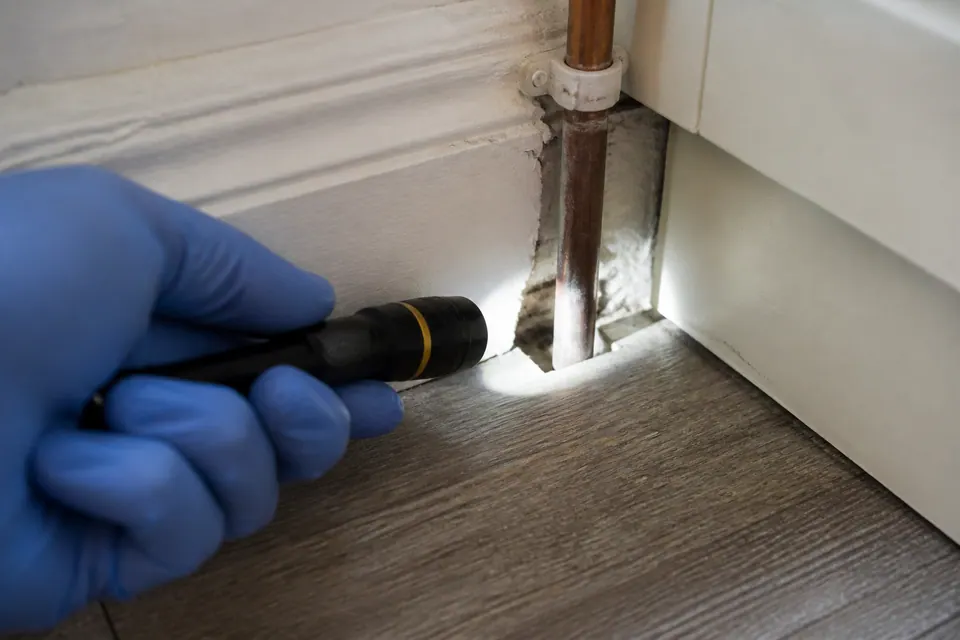

Illustrations are not Finsbury Park furniture records or proof that a move or treatment produced a customer outcome.
13 / CLEAR EXPECTATIONS
The account distinguishes when evidence was found from when it may have developed.
A transfer is recorded without treating it as proof that the problem originated or spread that way.
Each direct observation can still be traced after the household combines its messages.
ADDRESS AND AVAILABILITY
Check service availability with the postcode and describe the current position of relevant furniture.
The map provides local context only, not evidence of where an item acquired a pest or confirmation of a booking.
Open Finsbury Park in Google Maps ↗FINSBURY PARK / QUESTIONS
No. Newly uncovered material may have been hidden earlier; keep its age uncertain where evidence is absent.
Yes, using a room and fixed reference so the original surface can be understood.
Keep both events in the sequence and identify what each person directly knows.
Seek appropriate guidance rather than continuing movement to test a theory.
Not alone. It is useful history, not automatic proof of origin or spread.
Not unless it documents fresh evidence; distinguish repeated photographs from repeated activity.
Yes. They are different surfaces and may raise different assessment questions.
Provide product details, timing and position so the account includes that intervention.
Do not assume disposal, removal or repairs are included. Clarify any separate task.
Give each its own date, room and position instead of replacing the original timeline.
15 / TAKE THE NEXT STEP
Explain what moved, what was uncovered and where relevant items are now. Keep the account factual before making further changes.
