
Mice
Droppings or damaged packets in storage.
Mice controlPEST CONTROL / GRAYS
Give stored goods and
occupied rooms separate entries.
A concern spanning storage and daily living space needs a clear account of each. Explain whether the storage belongs to the dwelling, what was found there and who controls access before discussing the full scope.
01 / START WITH THE EVIDENCE
The contents of a room do not identify the pest; direct findings support the service discussion.
Droppings or damaged packets in storage.
Mice controlPossible rodent signs at a specified location.
Rats controlPhysical traces near resting furniture.
Bed bug treatmentRecurring kitchen insects.
Cockroaches controlMouse reports should distinguish stored-goods damage from sightings in occupied rooms.
Rat concerns need actual indoor or exterior observations without assuming that storage is the source.
Bed bug assessment needs bedroom evidence; a store containing furniture does not establish infestation.
Kitchen insect reports retain their appliance location and product history even where other rooms are also mentioned.
GRAYS / PROPERTY CONTEXT
Check postcode coverage with the complete requested scope. A separate store may require a different access or inclusion decision.
State whether the space holds household belongings, is shared or has another use. Do not assume its label alone explains the work.
Keep findings in occupied rooms separate from damage noticed among stored goods. Their relationship remains an assessment question.
If another person holds the key, arrange the appropriate authority before expecting examination.
03 / OBSERVATION CHECKLIST
A room list should preserve differences, not merge them.
Avoid moving suspect contents through living areas for investigation.
Droppings or tracks need the store or room reference.
Scratching needs its own location and timing.
Damaged packets should retain their storage position.
Bed-frame spotting or shed material differs from irritation alone.
Repeated appliance insects need dates and previous products.
Signs around an external store need their own building reference. Leave suspected nesting material untouched and check whether the available service fits the animal observed.
04 / AT A GLANCE
05 / PROPERTY BRIEF
Separate the flat’s living areas from any external store.
Name the room or floor containing storage.
Clarify who approves access and additional work.
Shared stores require the responsible contact’s permission.
Commercial storage or business use requires suitability confirmed separately.
Check the premises requirements06 / SIGNS → LOCATION → NEXT STEP
| Pest problem | Signs to describe | Areas to mention | Next step |
|---|---|---|---|
| Mice | Packet damage or droppings | Named storage zone | Describe direct evidence |
| Rats | Possible rodent observation | Specific indoor or exterior area | Avoid assuming a storage origin |
| Bed bugs | Bed-frame traces | Occupied sleeping room | Request physical assessment |
| Cockroaches | Recurring kitchen insect | Named appliance | Include dates and prior interventions |
07 / SCOPE BEFORE A QUOTE
A domestic starting guide is not automatic coverage for every store or associated area. Confirm the actual programme and separate tasks.
from £120
See published service pricingfrom £150
See published service pricing| Service | Pricing basis | Price |
|---|---|---|
| Mice control | Activity, access and programme | Quote after assessment |
| Rat control | Internal / external routes and visits | Quote after assessment |
| Proofing / repairs | Surveyed openings and separate work | Quoted separately |
Guides checked 27 August 2026. Confirm coverage, access and the complete quoted scope.
08 / THE CONTROL PLAN
A combined enquiry still needs separate observations.
Accessible findings in agreed areas are considered with their uses and limitations.
The selected method and working zones are clearly defined.
Later evidence and separate property recommendations follow the review process.
09 / FROM FIRST CONTACT
A clear list avoids additions being assumed on arrival.
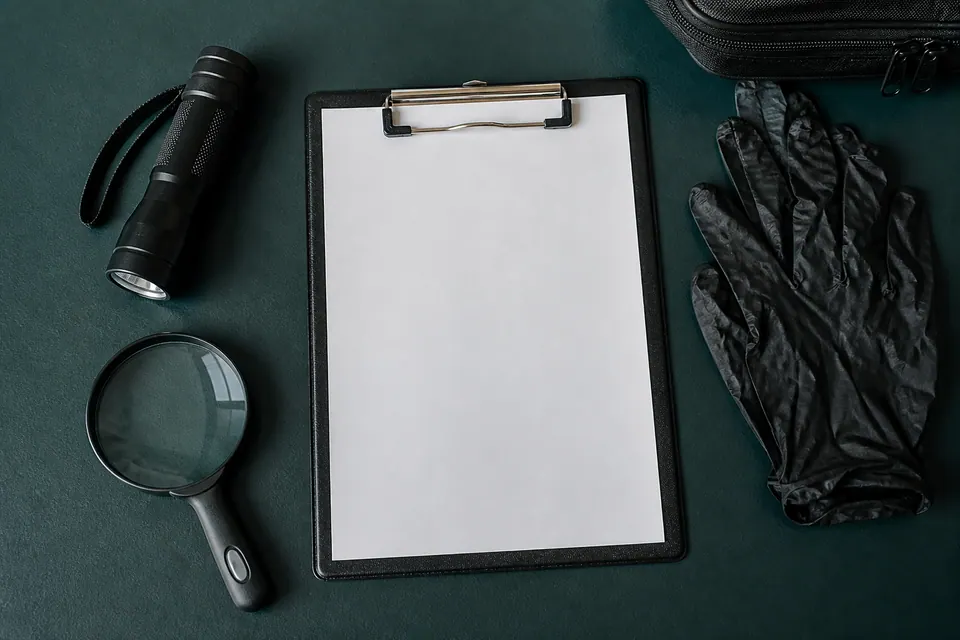
Supply postcode and requested spaces.
Record each finding against its original area.
Resolve keyholders and included scope.
Follow the preparation for the agreed method.
Report later observations by room or store.
Arrange separate recommendations with the responsible person.
10 / PROBLEM → TREATMENT → CONTROL
Review the relevant findings within the agreed programme rather than the appearance of one area.
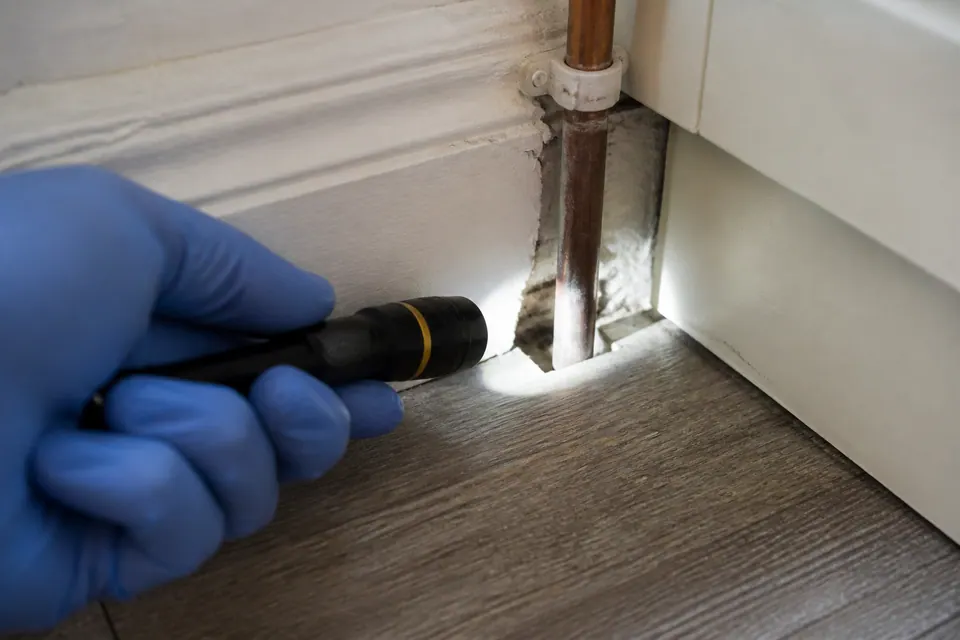
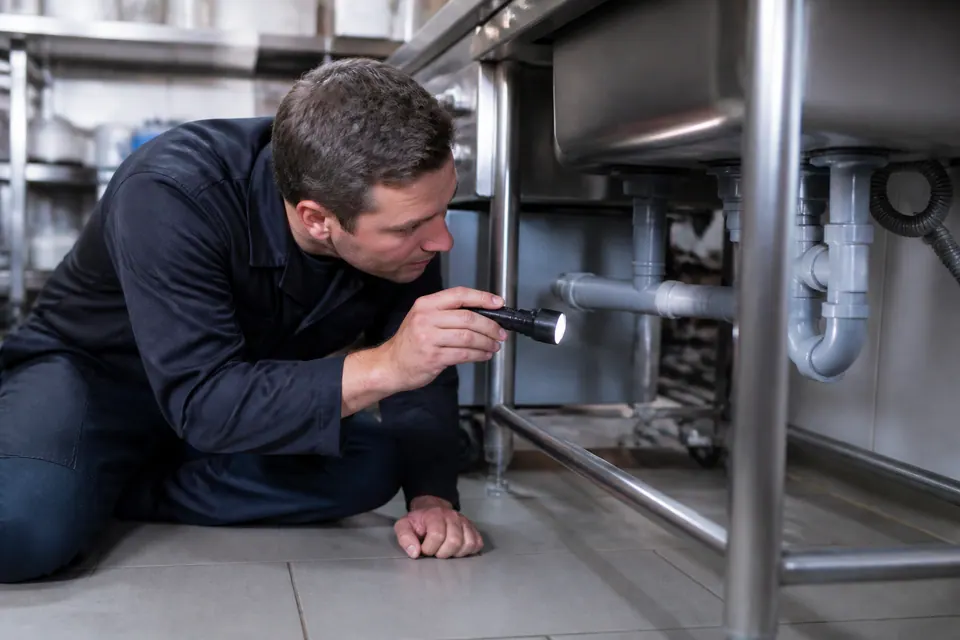
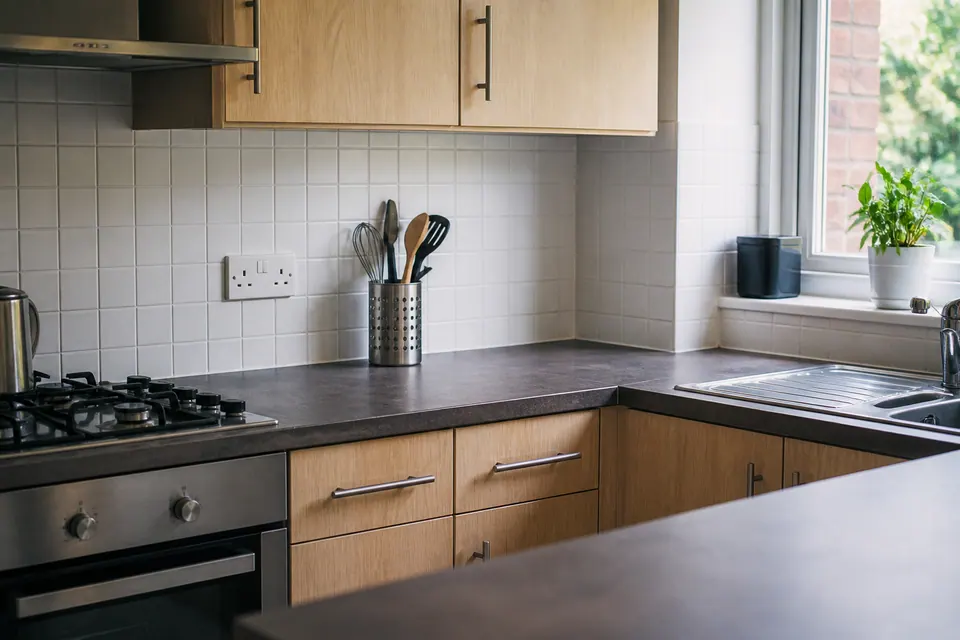
Illustrations are not records of Grays customer work or outcomes.
MAKE THE ENQUIRY SPECIFIC
Explain its use and requested inclusion.
Do not describe every occupied room as affected.
Arrange authorised access in advance.
Provide its separate date and location for scope review.
ADDRESS AND AVAILABILITY
Give the full postcode and locations of the relevant spaces.
Coverage and attendance need confirmation, including any separately controlled storage.
Open Grays in Google Maps ↗13 / CLEAR EXPECTATIONS
Storage and living areas should be identified separately.
Access must be possible and authorised.
Additional work should not be assumed included.
GRAYS / QUESTIONS
Only expressly agreed areas should be expected.
No. Keep the findings distinct.
Avoid speculative transfer and follow preparation advice.
Arrange appropriate permission and entry explicitly.
Clearance is separate unless agreed.
Yes; it helps define practical requirements.
Suitability must be checked separately.
Request scope review rather than assuming inclusion.
Available products, timing and treated locations.
Give the location, date and actual sign.
15 / TAKE THE NEXT STEP
Check coverage with each space’s use, observations and access contact. Agree the full scope before attendance.
