
Mice
Droppings or damage within storage.
Mice controlPEST CONTROL / LEATHERHEAD
An uncluttered room does not
guarantee access behind a fitted unit.
Identify the cupboard or built-in storage containing signs and the parts that cannot be viewed. Keep joinery intact unless separate work is agreed, and confirm coverage before assuming an inspection can reach every concealed edge.
01 / START WITH THE EVIDENCE
The presence of concealed space does not identify the pest.
Droppings or damage within storage.
Mice controlPossible rodent signs in a defined area.
Rats controlPhysical traces around sleeping furniture.
Bed bug treatmentRecurring kitchen insects.
Cockroaches controlMouse concerns should locate actual shelf findings rather than assuming the whole unit is affected.
Rat reports need supporting observations independent of the inaccessible back panel.
Bed bug assessment concerns physical sleeping-area evidence; a wardrobe alone is not a diagnosis.
Kitchen insects need appliance or cupboard positions, dates and previous-product details.
LEATHERHEAD / PROPERTY CONTEXT
Check postcode coverage and describe the particular storage arrangement. The assessment needs the real access limitation, not a generic claim that the room is clear.
A shelf, base panel and inaccessible rear edge should have distinct references. State where the sign was actually visible.
Do not remove joinery to make the enquiry easier. Any additional access task needs appropriate agreement.
Where another person owns or controls the fitting, identify who can authorise separate work.
03 / OBSERVATION CHECKLIST
Keep the description tied to visible surfaces.
Do not disturb suspect material or dismantle panels for photographs.
Droppings or tracks need a shelf or edge reference.
Scratching needs time and position, not species certainty.
Damaged packets retain their stored location.
Bed spotting or shed material differs from irritation alone.
Repeated insects need dates and prior products.
A garden sighting cannot identify what may be concealed behind joinery. Record that exterior observation separately without disturbing animals or nests.
04 / AT A GLANCE
05 / PROPERTY BRIEF
Locate the unit within the flat.
Name the floor and storage use.
Identify the owner or agent for alterations.
Communal storage needs responsible permission.
Commercial fixtures require separate suitability confirmation.
Check the premises requirements06 / SIGNS → LOCATION → NEXT STEP
| Pest problem | Signs to describe | Areas to mention | Next step |
|---|---|---|---|
| Mice | Shelf droppings | Named fitted cupboard | Describe actual findings |
| Rats | Possible rodent evidence | Accessible location | Keep panel assumptions separate |
| Bed bugs | Physical bed traces | Sleeping furniture | Request appropriate assessment |
| Cockroaches | Repeated insects | Kitchen unit or appliance | Give dates and product history |
07 / SCOPE BEFORE A QUOTE
A pest quotation does not automatically include joinery removal or repair. Confirm accessible work and any separate task before agreeing a total.
from £120
See published service pricingfrom £150
See published service pricing| Service | Pricing basis | Price |
|---|---|---|
| Mice control | Activity, access and programme | Quote after assessment |
| Rat control | Internal / external routes and visits | Quote after assessment |
| Proofing / repairs | Surveyed openings and separate work | Quoted separately |
Guides checked 27 August 2026. Confirm coverage and the precise proposed scope.
08 / THE CONTROL PLAN
The scope should not silently treat concealed storage as examined.
Accessible evidence is considered alongside the unit’s limits.
The selected method and work areas are agreed explicitly.
Review and separate access recommendations remain distinct.
09 / FROM FIRST CONTACT
Start with the unit reference and visible evidence.
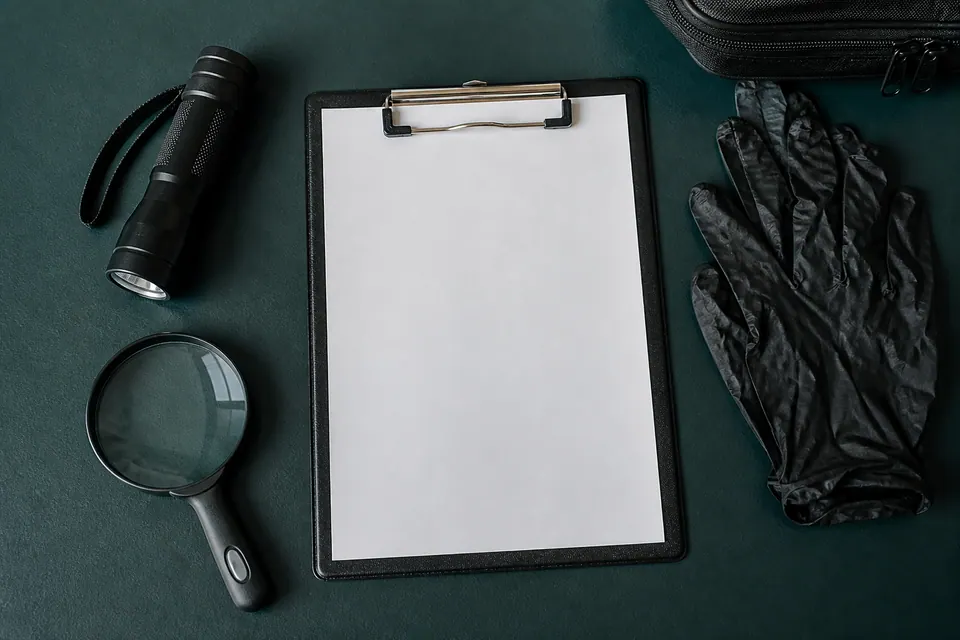
Supply postcode and cupboard location.
Identify inaccessible backs or base panels.
Agree scope and any separately required access.
Follow preparation for the selected method.
Record later findings at consistent surfaces.
Arrange separate alterations through the responsible person.
10 / PROBLEM → TREATMENT → CONTROL
Improved access changes what can be examined. Relevant findings and review still determine progress.
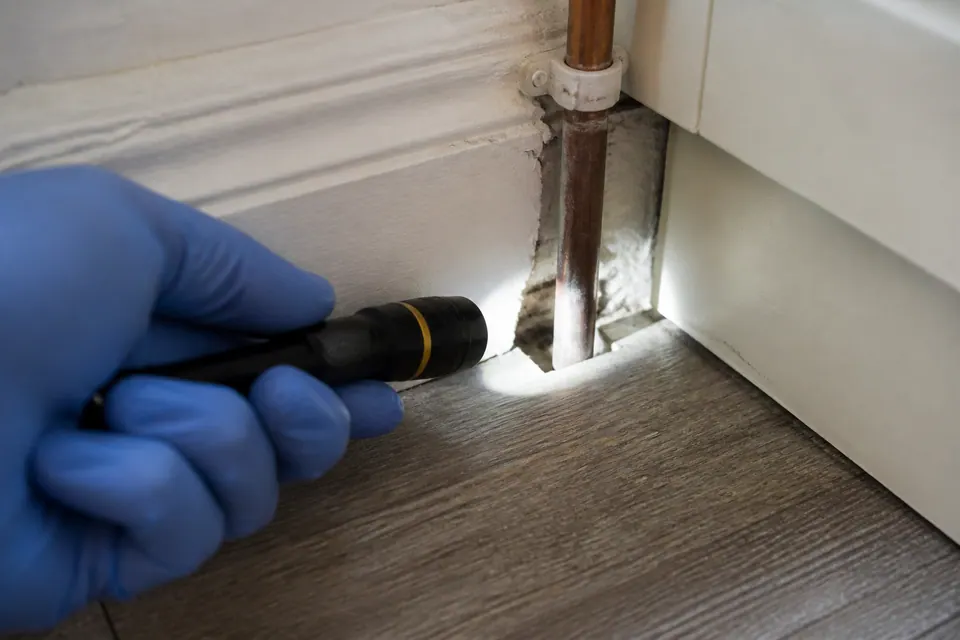
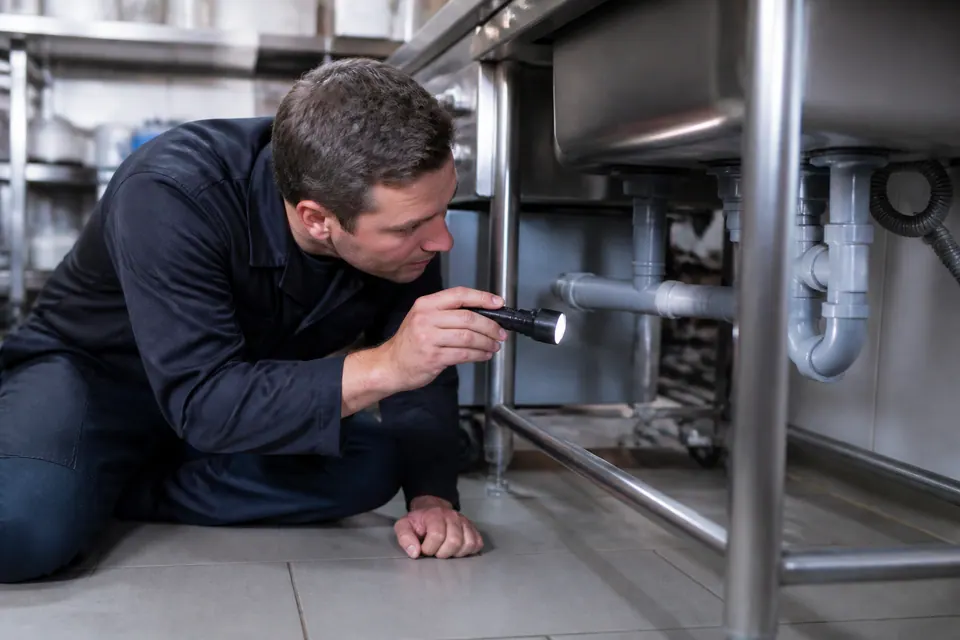
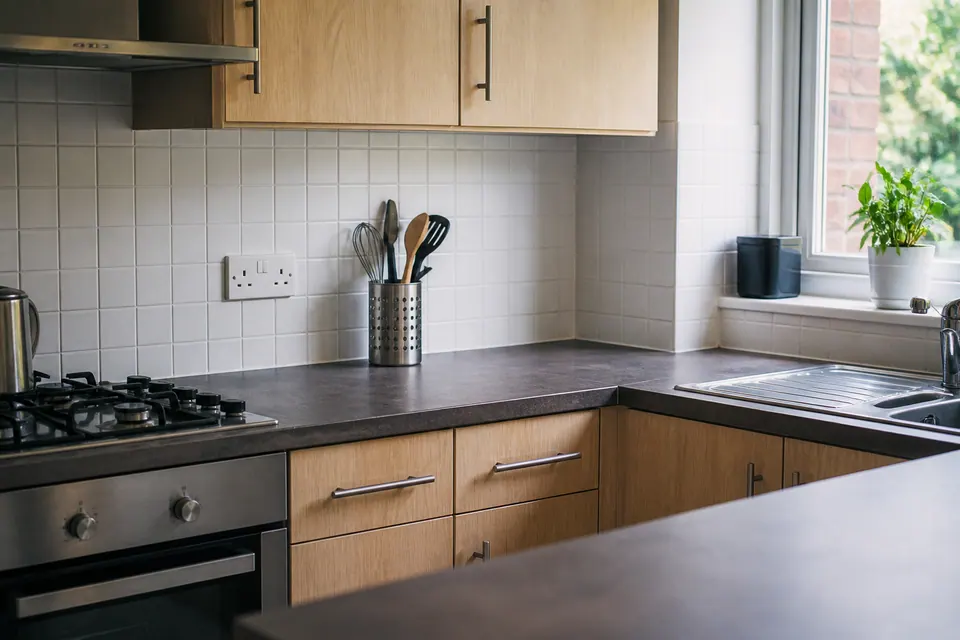
Illustrations are not a Leatherhead joinery case or verified treatment result.
MAKE THE ENQUIRY SPECIFIC
State that limit before the scope is agreed.
Keep its exact reference rather than describing the entire unit as affected.
Clarify authority for separate alterations.
Discuss the task separately from pest treatment.
ADDRESS AND AVAILABILITY
Provide the full postcode and storage location.
Coverage and attendance need confirmation with the practical access limits disclosed.
Open Leatherhead in Google Maps ↗13 / CLEAR EXPECTATIONS
Visible evidence should remain specific.
Unreachable backs should not be called examined.
Alterations require separate agreement.
LEATHERHEAD / QUESTIONS
No; fixed storage can remain concealed.
Avoid unagreed dismantling.
No. Supporting evidence is needed.
Not automatically; clarify separate work.
Describe both conditions accurately.
Identify the responsible owner or agent.
It can explain the visible surface and limitation.
Yes, with names and timing where available.
No. Findings and response still determine review.
Give the exact shelf, date and observation.
15 / TAKE THE NEXT STEP
Check coverage with the postcode and visible findings. Agree the inspection boundary and any separate access task.
