
Traces by the desk
Give the accessible position and when noticed.
PEST CONTROL / WOKING
Inspection around a home office.
A working desk can stay part of the brief without becoming a DIY inspection site.
A room used for work may contain cables and equipment that obstruct the edges needing inspection. Describe the signs and access limitations without moving connected equipment or assuming treatment includes technical work.
03 / OBSERVATION CHECKLIST
A short location-based account is better than speculative investigation behind equipment.
Do not touch damaged electrical items, suspect contamination or concealed fittings.
Give the accessible position and when noticed.
Distinguish damaged paper or belongings from suspected electrical faults.
Record timing without assigning a hidden animal.
Report physical furniture signs independently of symptoms.
Name the fitting and whether the same pattern recurs.
Keep this as a separate finding rather than assuming a route from the office.
WOKING / PROPERTY CONTEXT
Check postcode coverage and explain that the reported area is used for home working.
Describe visible evidence relative to the desk, storage or wall. Do not unplug, dismantle or reach around equipment just to confirm a suspected route.
If electrical damage is suspected, avoid handling it and seek an appropriate qualified professional. Pest work should not be presented as an electrical repair.
Mention whether the space also accommodates sleeping or other household use. Preparation and access should reflect the actual occupants and equipment.
04 / AT A GLANCE
08 / THE CONTROL PLAN
The proposed response should not require speculative handling of electrical items.
State what is known and which areas remain concealed.
Clarify preparation around the actual work setup.
Ask how later findings and room use should be managed.
10 / PROBLEM → TREATMENT → CONTROL
The pest response should respect equipment restrictions and any need for a different qualified professional.
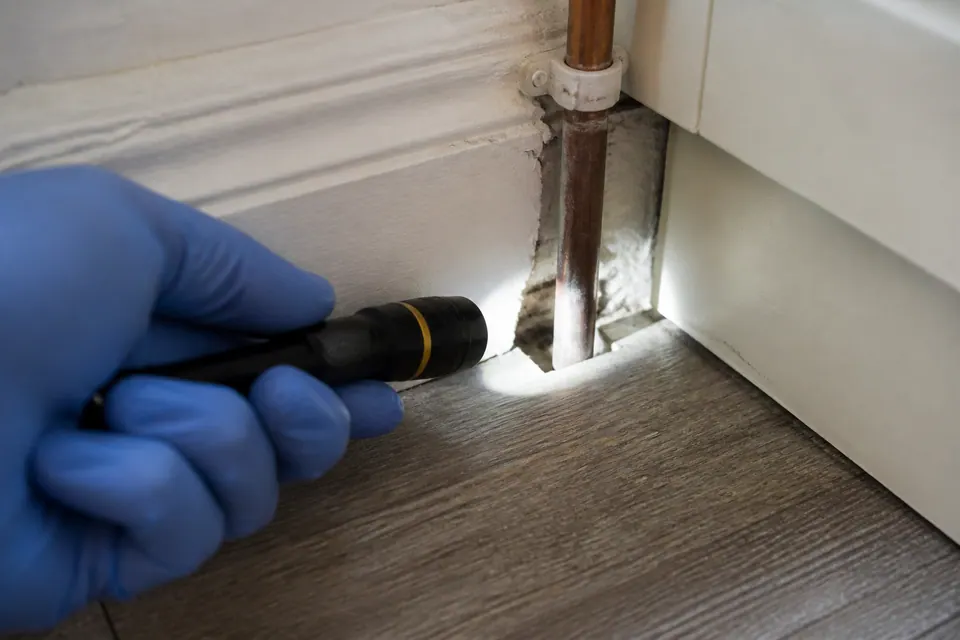
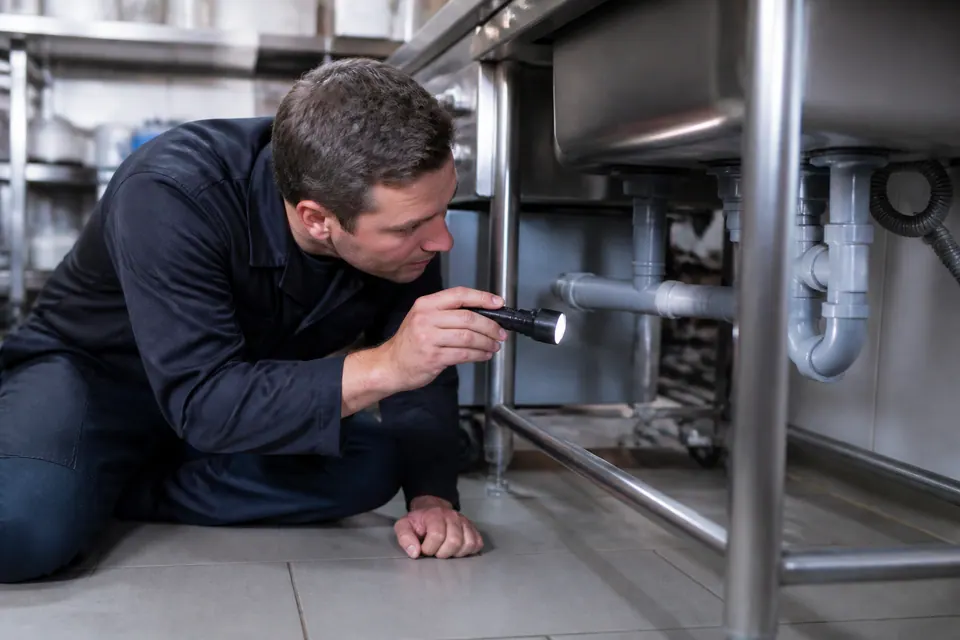
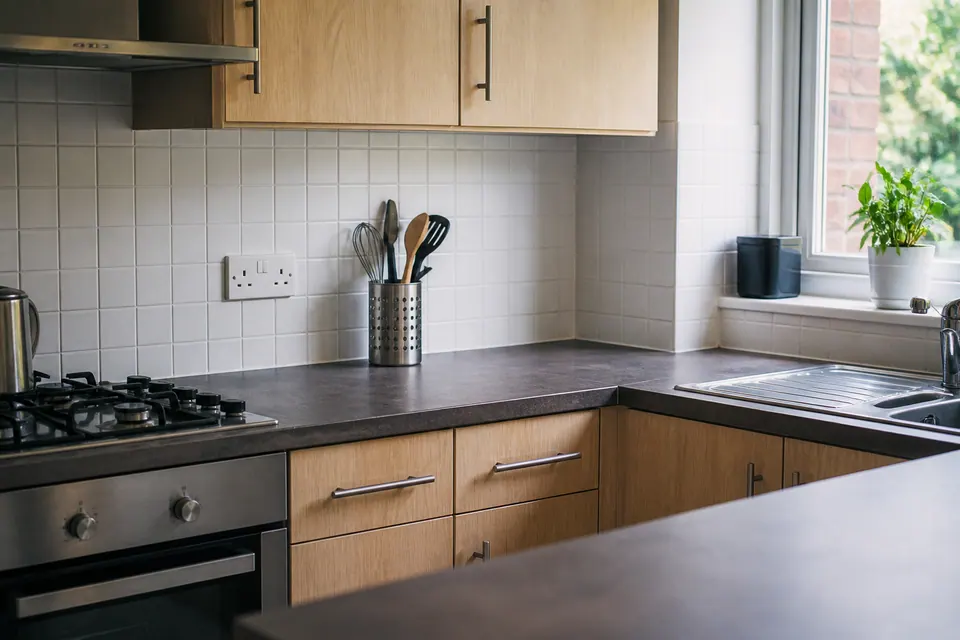
Illustrative stages are not evidence of a completed Woking home-office job.
07 / SCOPE BEFORE A QUOTE
Make the included areas and tasks clear before assuming equipment handling or repair is part of attendance.
from £120
See published service pricingfrom £150
See published service pricing| Service | Pricing basis | Price |
|---|---|---|
| Mice control | Activity, access and programme | Quote after assessment |
| Rat control | Internal / external routes and visits | Quote after assessment |
| Proofing / repairs | Surveyed openings and separate work | Quoted separately |
Guides checked 27 August 2026. Confirm coverage, current prices and exclusions. Electrical repair, IT work and furniture clearance are separate unless explicitly agreed.
01 / START WITH THE EVIDENCE
Cable damage or a noise does not establish a species on its own.
Possible small-rodent evidence near belongings.
Mice controlA directly seen animal or larger suspected traces.
Rats controlPhysical findings around a bed or adjacent furniture.
Bed bug treatmentRecurring insects at indoor equipment or fittings.
Cockroaches controlIdentify the visible spot without reaching into electrical areas.
Keep a sound distinct from an animal that was actually seen.
Explain whether the room also serves as a bedroom.
Describe repetition and previous products without opening equipment.
05 / PROPERTY BRIEF
Explain the other household use of the space.
Describe fixed equipment and accessible storage.
Include sleeping furniture in the evidence brief.
Check whether the separate structure is part of the proposal.
Mention occupants and relevant limitations before method selection.
Discuss your homeClarify commercial suitability if the use exceeds a private home-working arrangement.
Check the premises requirements06 / SIGNS → LOCATION → NEXT STEP
| Pest problem | Signs to describe | Areas to mention | Next step |
|---|---|---|---|
| Mice | Possible small-rodent traces | Accessible desk or storage edge | Report without reaching behind equipment |
| Rats | Larger sighting or traces | Exact observed point | Separate sounds from visible animals |
| Bed bugs | Physical bedroom evidence | Bed in a dual-use room | Explain both uses and furniture |
| Cockroaches | Recurring insects | Named indoor fitting | Disclose prior products and equipment limits |
MAKE THE ENQUIRY SPECIFIC
Describe what is visible without reaching into concealed areas.
Avoid handling it and seek appropriate professional advice.
Report physical bedroom evidence separately.
Explain the restriction before preparation is agreed.
09 / FROM FIRST CONTACT
A clear account can be supplied while keeping potentially unsafe equipment undisturbed.
Start with the exact Woking postcode.
Use the desk, shelf or room edge as a reference.
Mention any sleeping or shared household use.
Keep suspected faults distinct from pest observations.
Ask what access is needed for the agreed method.
Report fresh signs at named locations.
13 / CLEAR EXPECTATIONS
Do not infer a pest solely from a suspected fault.
Concealed areas can be reported as unknown.
Pest work does not replace electrical or technical repair.
ADDRESS AND AVAILABILITY
Check the precise postcode and requested service before arranging time away from work.
The map provides geographic context, not confirmation that equipment handling or a separate work building is included.
Open Woking in Google Maps ↗WOKING / QUESTIONS
Do not reach into unsafe or concealed equipment areas to investigate.
No. Describe the damage without assigning an unconfirmed cause.
Follow the specific method and occupancy instructions.
Do not assume so; suspected electrical faults require appropriate professional attention.
Describe both uses and any physical furniture findings.
Discuss the access limitation rather than undertaking unsafe lifting.
Yes, disclose what was used and where.
Its inclusion requires a separate scope discussion.
Explain the restriction before preparation and work are agreed.
The postcode, visible signs, exact room position and relevant equipment limits.
15 / TAKE THE NEXT STEP
Describe visible signs and equipment restrictions without disturbing the setup to prove a theory.
