
Kitchen opening to a patio
Identify kitchen findings independently of outside activity.
PEST CONTROL / BARNES
Back doors, patios and observations.
What happened outside may not explain what was found indoors.
A patio sighting can be useful context without explaining an indoor concern. Describe the evidence on each side of the back door and any accessible maintenance issues separately.
04 / AT A GLANCE
05 / PROPERTY BRIEF
Identify kitchen findings independently of outside activity.
Describe the actual room and visible signs.
Clarify access permission and responsibility.
Request its consideration explicitly rather than assuming inclusion.
Mention occupants and relevant limits before method selection.
Discuss your home01 / START WITH THE EVIDENCE
The back door is a useful reference point, not proof of a pest route.
Possible small-rodent signs inside a named room.
Mice controlA sighting or larger suspected traces outside.
Rats controlEvidence around sleeping furniture elsewhere in the home.
Bed bug treatmentRepeated insects beside kitchen fittings.
Cockroaches controlRecord the cupboard and its position without joining it to an outside sighting.
Describe what was visible and whether entry was actually observed.
Keep physical marks separate from symptoms or unrelated outside activity.
Explain the indoor pattern and any previous products.
BARNES / PROPERTY CONTEXT
Check the exact postcode and describe the room opening onto the outside space. That gives the enquiry a stable reference.
Record patio activity independently of indoor signs. If an animal disappeared beside the door, do not assume it passed through unless that movement was seen.
Mention visible threshold wear or other accessible defects as observations. A defect may need attention without being the confirmed cause of the pest concern.
Discuss assessment before deciding on door repairs or sealing. Any building work and its responsibility should be clarified separately from the pest proposal.
07 / SCOPE BEFORE A QUOTE
Inside findings, outdoor assessment and door repairs should not be bundled into an undefined promise.
from £120
See published service pricingfrom £150
See published service pricing| Service | Pricing basis | Price |
|---|---|---|
| Mice control | Activity, access and programme | Quote after assessment |
| Rat control | Internal / external routes and visits | Quote after assessment |
| Proofing / repairs | Surveyed openings and separate work | Quoted separately |
Guides checked 27 August 2026. Confirm current coverage and quoted terms. Door repairs, proofing and work on shared land require explicit clarification.
03 / OBSERVATION CHECKLIST
Keep the same inside/outside labels in later updates so the sequence remains understandable.
Do not follow animals into unsafe spaces or touch suspect material to test a route.
Give the visible position and last observed direction.
Name the actual indoor cupboard or room edge.
Describe the surface and marks without assigning a cause.
State where the item was stored.
Identify physical furniture evidence separately.
Report recurrence at the fitting rather than treating all insects as outdoor visitors.
06 / SIGNS → LOCATION → NEXT STEP
| Pest problem | Signs to describe | Areas to mention | Next step |
|---|---|---|---|
| Mice | Possible small-rodent traces | Indoor storage near the rear room | Do not infer an outside source |
| Rats | Larger sighting or traces | Patio or boundary reference | State whether entry was observed |
| Bed bugs | Physical bedroom signs | Named furnishing | Keep unrelated outdoor observations separate |
| Cockroaches | Repeated kitchen insects | Specific fitting | Describe the indoor recurrence |
MAKE THE ENQUIRY SPECIFIC
Report the last visible point, not an unseen passage.
Describe its condition without declaring it the entry route.
Keep the later finding separately located.
Clarify who can authorise access or work.
08 / THE CONTROL PLAN
A useful enquiry does not need a single explanation for every finding.
Describe evidence using fixed references on either side of the door.
Let the findings guide the proposed response.
Clarify how any separate maintenance work should be handled.
09 / FROM FIRST CONTACT
Keep the account factual instead of turning proximity into proof.

Check service availability at the postcode.
Identify the room opening outside.
State only the movement actually seen.
Give separate indoor locations.
Avoid dismantling or premature sealing.
Clarify areas, tasks and any repair exclusions.
10 / PROBLEM → TREATMENT → CONTROL
The plan should distinguish a possible route from one supported by observation.
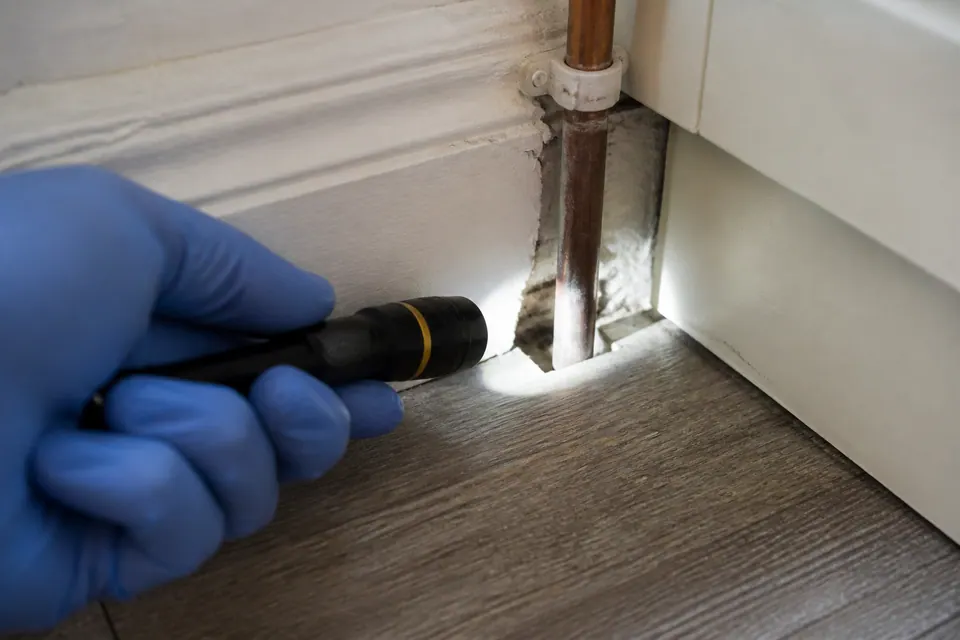
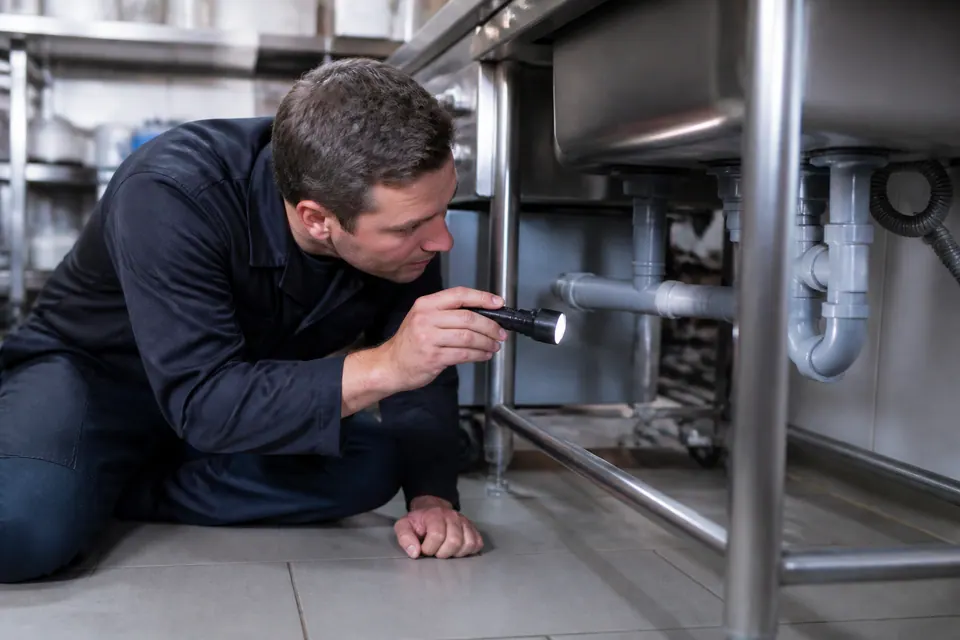
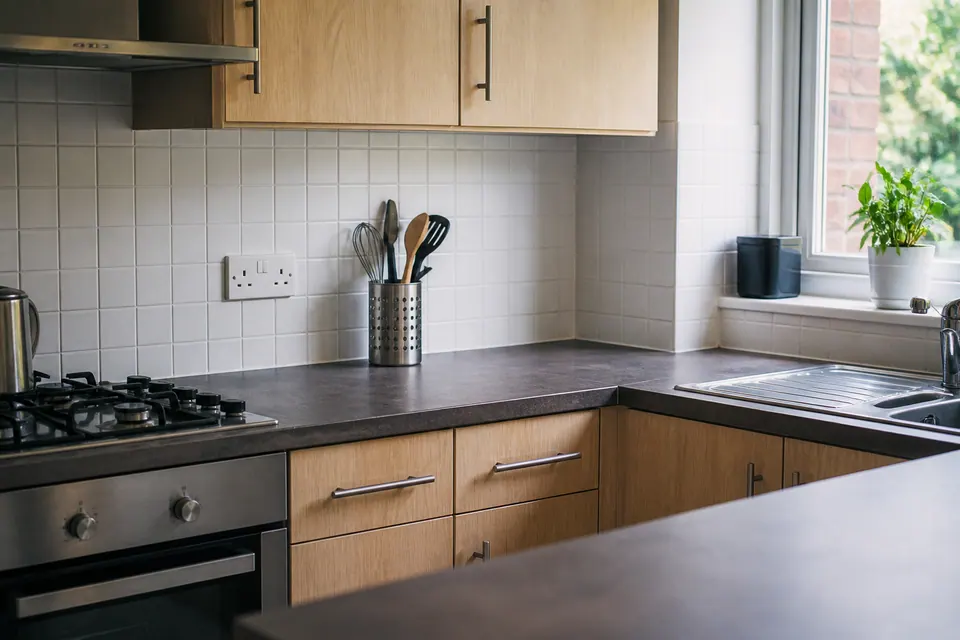
These illustrations do not show verified results from a Barnes patio or household job.
13 / CLEAR EXPECTATIONS
Indoor and outdoor observations can be related without that being established.
A maintenance issue should be described accurately.
Pest work and door repairs need clear boundaries.
ADDRESS AND AVAILABILITY
Confirm the complete postcode before relying on attendance.
Explain shared gates or rear access separately; the map does not establish permissions or a pest route.
Open Barnes in Google Maps ↗BARNES / QUESTIONS
No. Describe indoor evidence independently.
Yes, it gives the enquiry a clear reference.
No. Report the defect without assuming its role.
Ask for advice before deciding that sealing is appropriate.
Record them as a separate dated finding.
Do not assume so; clarify repair scope and responsibility.
Confirm permission and key arrangements.
Yes, with their own location and physical evidence.
State that the route was not observed.
Keep inside and outside references consistent and distinguish new activity from earlier reports.
15 / TAKE THE NEXT STEP
Describe patio activity, indoor signs and visible defects separately before choosing a response.
