
Furniture rearranged
Record what moved and where it previously stood, especially if signs were uncovered during the change.
PEST CONTROL / TEDDINGTON
A return visit based on fresh observations.
Report the change, not just the concern.
A follow-up decision is stronger when the new report describes what changed. Record fresh sightings, room use and any alterations since the earlier visit, then compare them with the supplied review instructions.
05 / PROPERTY BRIEF
Record what moved and where it previously stood, especially if signs were uncovered during the change.
Name the room and its evidence rather than treating it as automatically covered by the initial quote.
Explain changes affecting preparation or method restrictions without assuming instructions transfer unchanged.
Mention a cupboard or void that was previously inaccessible. New access may answer a different question from the first visit.
Keep the update tied to the property and scope originally discussed, while identifying any new circumstances.
Discuss your homeCheck commercial suitability separately if the later enquiry concerns business premises; residential arrangements do not confirm wider provision.
Check the premises requirements01 / START WITH THE EVIDENCE
A previous identification is useful history, but a new finding still needs its own description.
Newly noticed chewing or suspected traces.
Mice controlAn animal sighting or larger traces at a recorded location.
Rats controlPhysical spotting or insects around resting areas.
Bed bug treatmentRepeat sightings beside particular kitchen fittings.
Cockroaches controlSeparate fresh observations from material that remained visible throughout the earlier programme. Explain how you know when it appeared.
State whether the position matches the earlier report or concerns a different area. Do not assume an outside sighting proves activity inside.
Give the room and physical signs, together with any furniture or luggage changes. A skin reaction alone cannot establish continuing bed bug activity.
Record sightings and any cleaning or products used since attendance. Describe the observation without assuming what it means for the programme.
07 / SCOPE BEFORE A QUOTE
A fresh report may lead to advice, review or another proposed visit. The charging and scope depend on the actual arrangement, not a generic promise about follow-up.
from £120
See published service pricingfrom £150
See published service pricing| Service | Pricing basis | Price |
|---|---|---|
| Mice control | Activity, access and programme | Quote after assessment |
| Rat control | Internal / external routes and visits | Quote after assessment |
| Proofing / repairs | Surveyed openings and separate work | Quoted separately |
Service guides checked 27 August 2026. Confirm current terms, address coverage and the inclusions of the existing programme. No free-return or guarantee entitlement is asserted here.
TEDDINGTON / PROPERTY CONTEXT
When new evidence appears, add to the history rather than replacing it with an undated summary. The sequence helps explain what has changed.
Keep the original visit date and any instructions available. If another provider carried out the earlier work, identify that clearly rather than assuming Alesta has the record.
Mention alterations to storage, occupancy, furniture or access since the visit. These changes may affect the interpretation of findings without establishing their cause on their own.
Confirm coverage and the appropriate route for the enquiry. Further attendance, reassessment and any additional charge should be discussed under the actual programme rather than presumed.
08 / THE CONTROL PLAN
A later enquiry should improve the record rather than collapse every observation into a claim of success or failure.
The initial account and fresh observations are considered together, with uncertainty about old marks kept explicit.
The selected method and changes at the property may be relevant. An isolated description should not be treated as a complete outcome assessment.
If another step is proposed, clarify its purpose, preparation and inclusions. Further treatment and unrelated repairs remain distinct decisions.
09 / FROM FIRST CONTACT
The original booking guidance takes priority over assumptions made from a general page.

Keep the date, provider and agreed scope where available. State openly if paperwork is missing.
Name the room and sign, and whether its age is certain.
Include relevant movement of furniture, storage, occupants or access.
Clarify whether advice, reassessment or another attendance is being proposed and on what basis.
Obtain any updated preparation or access requirements rather than relying on an earlier recollection.
Continue recording observations as advised and keep old photographs labelled with their original dates.
06 / SIGNS → LOCATION → NEXT STEP
| Pest problem | Signs to describe | Areas to mention | Next step |
|---|---|---|---|
| Mice | Fresh-looking traces or newly noticed chewing | The exact cupboard and last known check | State whether freshness is certain or unknown |
| Rats | A later animal sighting or external mark | Position compared with the original report | Do not infer an indoor result from an outside observation |
| Bed bugs | Physical signs around a bed after attendance | Named resting area and any furniture changes | Share the evidence rather than a diagnosis from bites |
| Cockroaches | Recurring insects beside kitchen equipment | Dates, fittings and products used since the visit | Ask how the finding should be reviewed |
03 / OBSERVATION CHECKLIST
A precise account allows the new evidence to be considered alongside the earlier findings.
Follow the supplied monitoring guidance; do not handle contamination or reposition devices to investigate independently.
Give the date and the last time that spot was checked. If its freshness is uncertain, say so.
Explain when the object was last examined. A newly noticed hole is not automatically newly created damage.
Record the room and time. A different sound position does not by itself identify a new pest or a wider infestation.
Describe the exact fitting or room edge and whether the sighting was independent of earlier observations.
Mention moved furniture or changes in sleeping arrangements alongside physical evidence, rather than relying on irritation alone.
Identify a new room, outbuilding or exterior area separately so the original boundary is not silently expanded.
04 / AT A GLANCE
10 / PROBLEM → TREATMENT → CONTROL
An absence of noticed activity is not a universal proof of clearance, just as one uncertain mark does not establish the outcome of a programme.
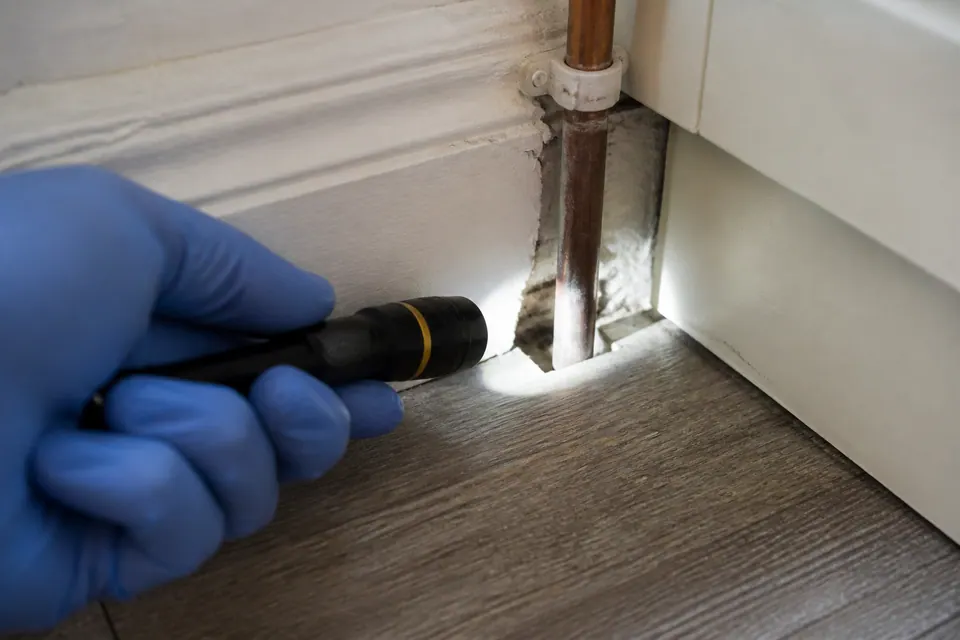

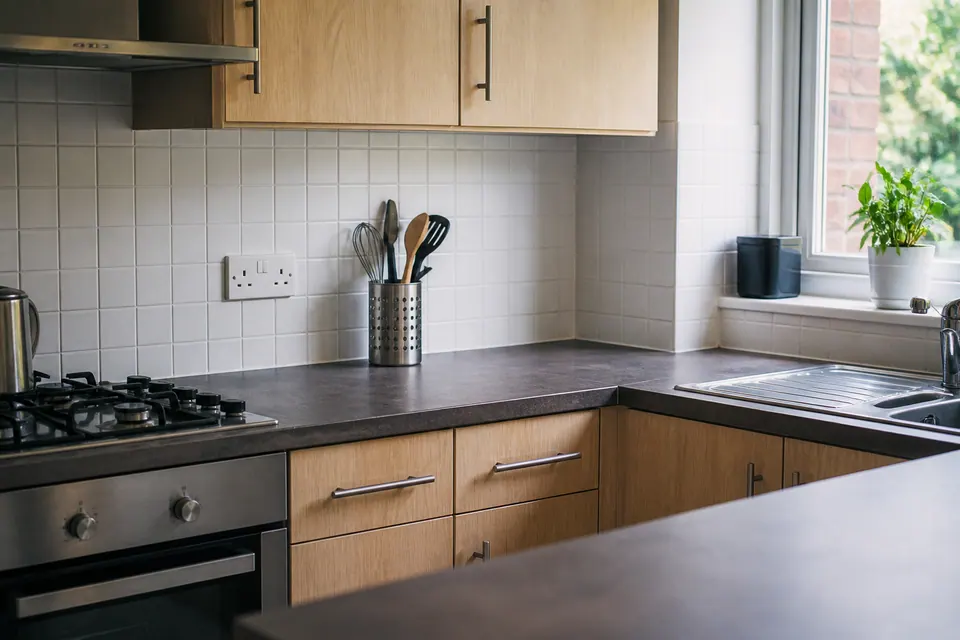
These illustrations are not a Teddington case history, treatment guarantee or before-and-after result.
MAKE THE ENQUIRY SPECIFIC
Keep the original date visible. Forwarding it today should not make it appear to be a fresh observation.
Identify the new location and any independent evidence. Ask how it relates to the agreed scope.
Disclose what was used and when. Do not assume it was compatible with the instructions or selected method.
Explain the changed access. It may allow an additional assessment question to be considered rather than confirm a previous conclusion.
ADDRESS AND AVAILABILITY
Give the full postcode and the earlier booking details where available.
If the enquiry concerns a different address, say so. Location coverage and attendance still require confirmation; an earlier appointment elsewhere does not reserve a visit here.
Open Teddington in Google Maps ↗13 / CLEAR EXPECTATIONS
Old findings and new observations should remain distinguishable.
A newly noticed mark may need assessment before it can be called current activity.
Ask what the actual programme provides rather than assuming a guarantee or free return.
TEDDINGTON / QUESTIONS
Not by itself. Describe the finding and use the review guidance so it can be considered in context.
Give the details you can substantiate, including approximate dates labelled as such. Do not invent the previous method or inclusions.
They can provide history if their dates are clear. Keep them separate from images of any fresh observations.
No. Not examined, not observed and assessed without findings are different descriptions.
Check the actual agreement. No automatic free-return arrangement should be inferred from a general service guide.
Identify the provider and any known work or products. Do not assume the current team has access to that record.
Follow the supplied instructions and ask before changing its position. Moving it independently can alter the monitoring arrangement.
Yes, disclose relevant changes to occupants, storage or furniture so the review has an accurate account.
Name the new area and ask how it affects the scope. It should not silently become part of the original proposal.
Give the last recorded activity, the interval and the new observation’s date and position. Avoid treating the gap alone as proof that the earlier concern had ended.
15 / TAKE THE NEXT STEP
Call with the earlier details and what has changed. Confirm the appropriate review route, availability and any proposed next step before assuming another attendance.
