
A home between workdays
When the visit falls during work hours, agree an actual access method. Then explain the kitchen, bathroom and living areas used outside those hours.
Maida Vale / A clean living room without disrupting the home office
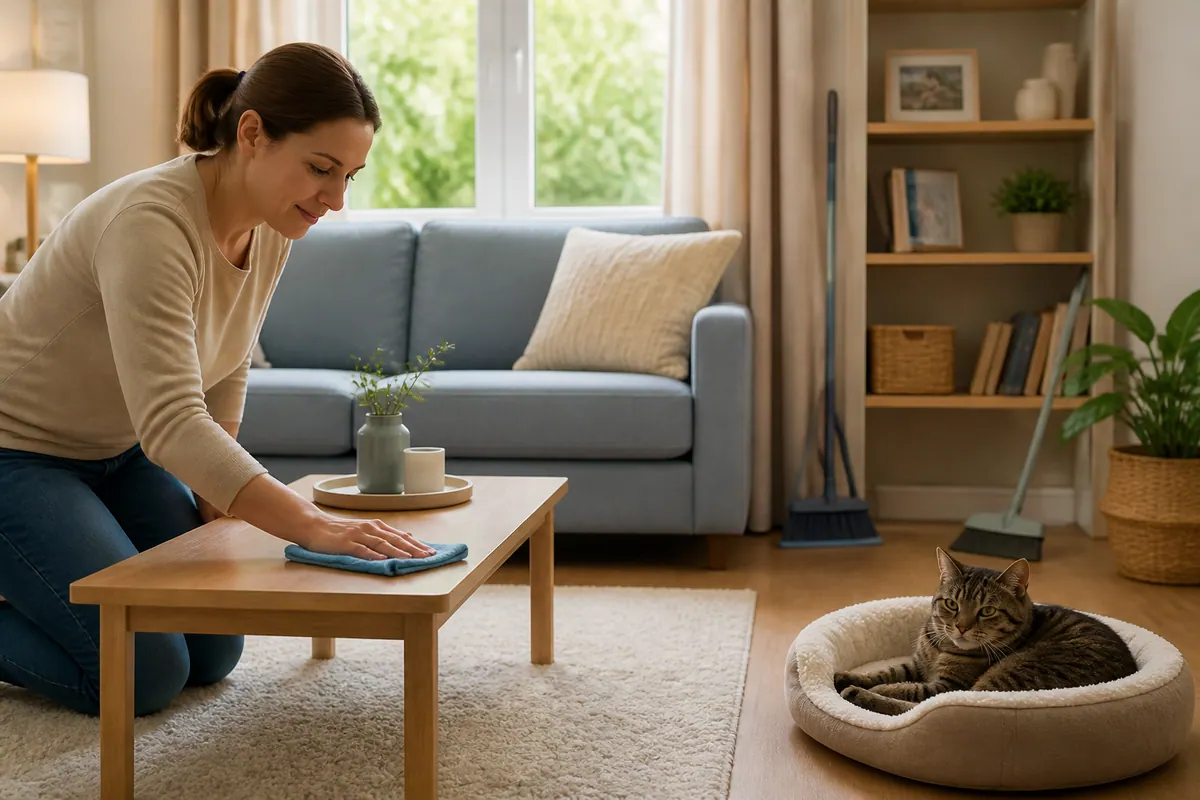
Give a dual-use room a clear handover time.
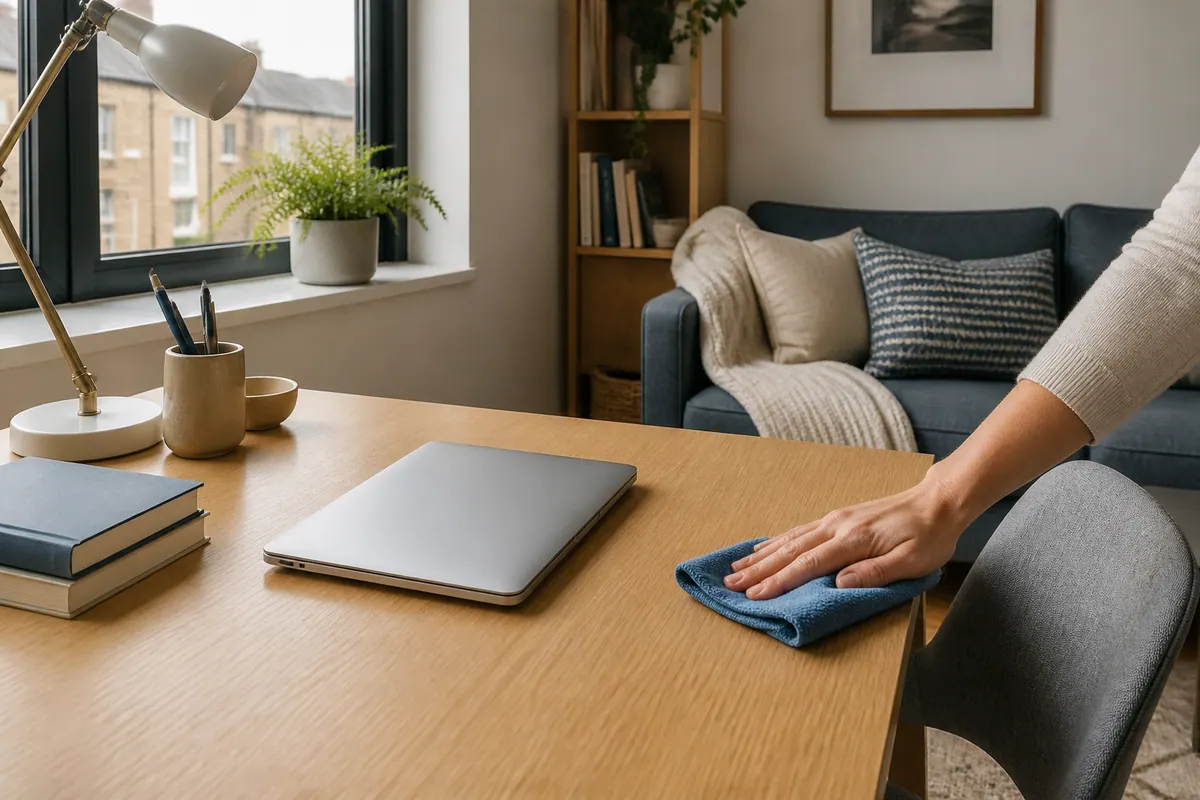
A laptop on the sofa table can keep the whole living area in use. Explain when work will pause, clear the equipment yourself, and agree another room to start in if the space is not ready.
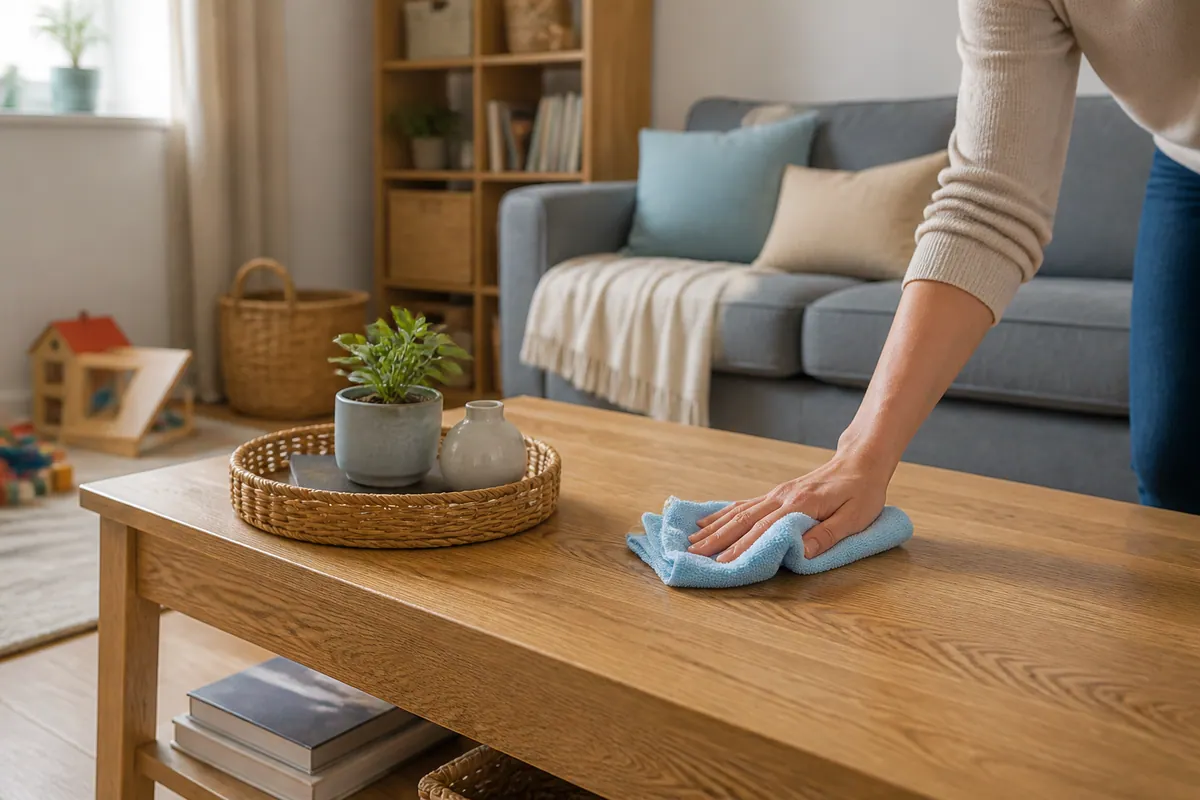
Kitchen · Bathroom
Living areas · Bedrooms
Everyday cleaning, explained
Occupation changes the brief
The room list becomes more useful when it includes who will be home and what must remain undisturbed. These are prompts rather than standard service bundles.
When the visit falls during work hours, agree an actual access method. Then explain the kitchen, bathroom and living areas used outside those hours.
Households with children should prepare personal items before cleaning. A clear worktop or floor route is more useful than an instruction to tidy everything.
Explain pet arrangements directly, including closed doors and areas to avoid. That information belongs alongside the order of rooms.
If the home is also an office, specify the occupied area and handover time. The cleaner should not be expected to move equipment or interrupt a meeting.
A tenant’s regular upkeep list should stay separate from check-out cleaning. Make clear whose approval is needed for any extra task.
For a property managed on someone else’s behalf, designate the person who confirms scope. Avoid sending contradictory updates through multiple contacts.
Maida Vale / a household scenario
Give a dual-use room a clear handover time.
A room name does not describe its availability. The living room might be the active office for most of the day, so its cleaning window needs to be part of the conversation.
For Maida Vale, tell us how the household uses the space during the proposed visit. A practical sequence can be considered, but a preferred time remains subject to scheduling confirmation.
The cleaner should not have to unplug work devices or move documents to reach furniture. Put those items away and identify the surfaces you want included.
Keep the recurring scope grounded in ordinary upkeep. A short break in work does not automatically create enough time for every occasional detail around the room.
Choose what should lead
Use the arrows to arrange the example tasks. This does not modify a booking or add time; the agreed core work still needs a realistic place in the visit.
The cost conversation
The service guide gives an hourly regular starting rate and a separate initial-visit figure. Confirm the actual rooms, time and supplied items instead of treating either as a complete package.
| Service | Price | Main factors |
|---|---|---|
| Regular domestic cleaning | From £20/hour | Minimum visit and interval, size, supplies, postcode and entry details |
| First / one-off domestic visit | From £90 | Room total, starting condition and the agreed first-visit priorities |
| Specialist / intensive scope | Quoted separately | Heavy soil or specialist surfaces, equipment and access constraints |
The quote depends on the work and its practical conditions: duration, interval, size, condition, products, access and parking. Extra or specialist tasks should be named so their effect can be explained before booking.
Shape an enquiry, not a reservation
Choose the household options that best describe the proposed visit. This planner helps organise the conversation; it neither calculates your final price nor books a cleaner.
A list with useful boundaries
The point of regular upkeep is lost if optional work repeatedly displaces the kitchen or sanitaryware. Agree the dependable room tasks first, then consider a limited detail list.
An extra ledge, switch or section of skirting still requires time. Raise additions early so the team can explain what fits and what needs another arrangement.
From kitchen to bedroom
Choose a room to see the distinctions worth making in your enquiry. Its condition, preparation and place in the visit affect the agreed scope as much as its size.
Kitchen
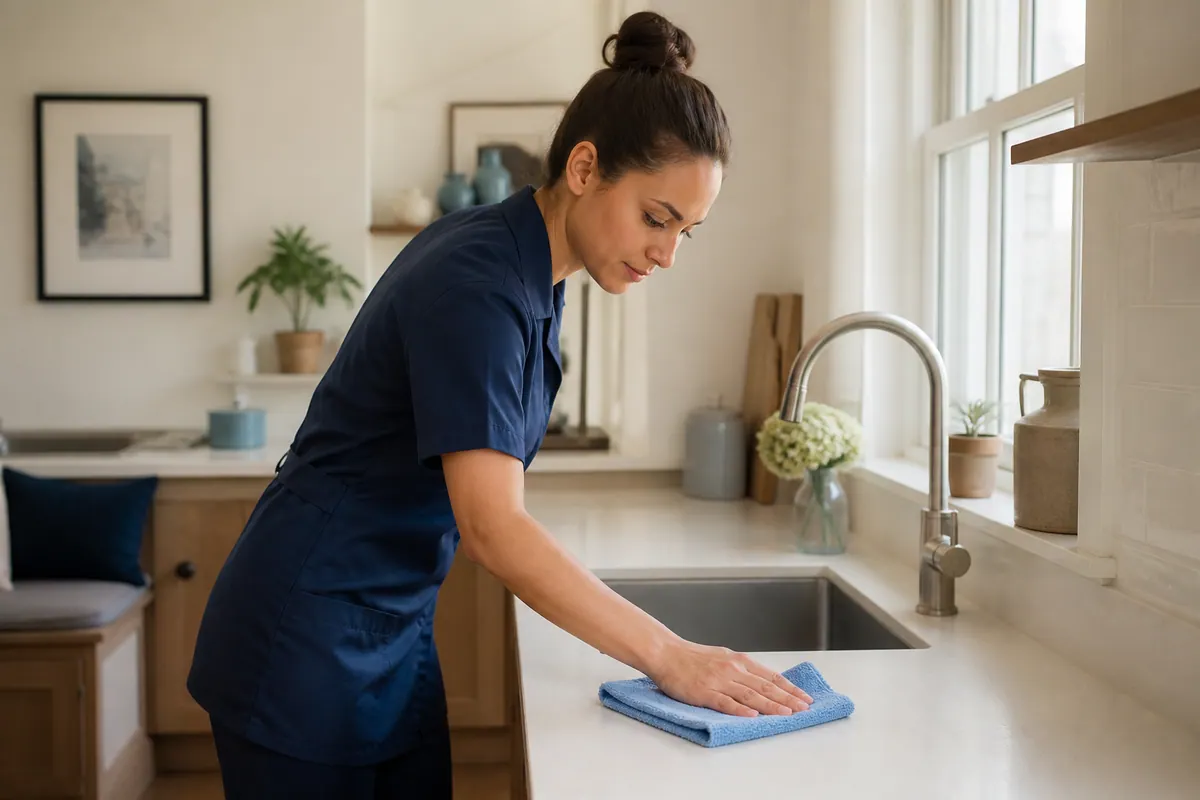
Accessible kitchen work may cover the sink, work surfaces, splashback and agreed exterior cupboard or appliance areas. Distinguish these everyday tasks from a deep appliance service.
Prepare the area by clearing food and belongings. Internal oven cleaning is separately scoped.
Bathroom
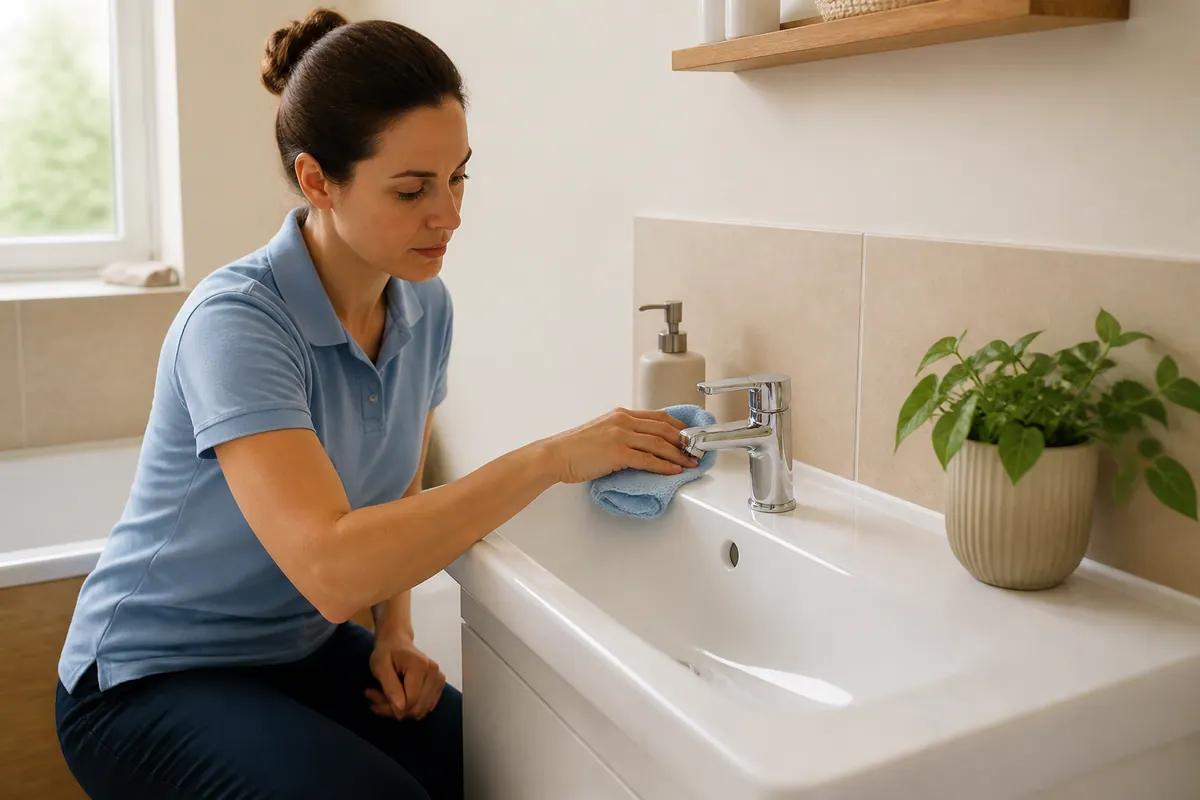
Bathroom upkeep concerns the agreed sanitaryware, shower, taps, mirrors and reachable tiling. Different finishes within that list can call for different products.
Tell the team about sensitive materials or damaged fittings before cleaning is attempted.
Living areas
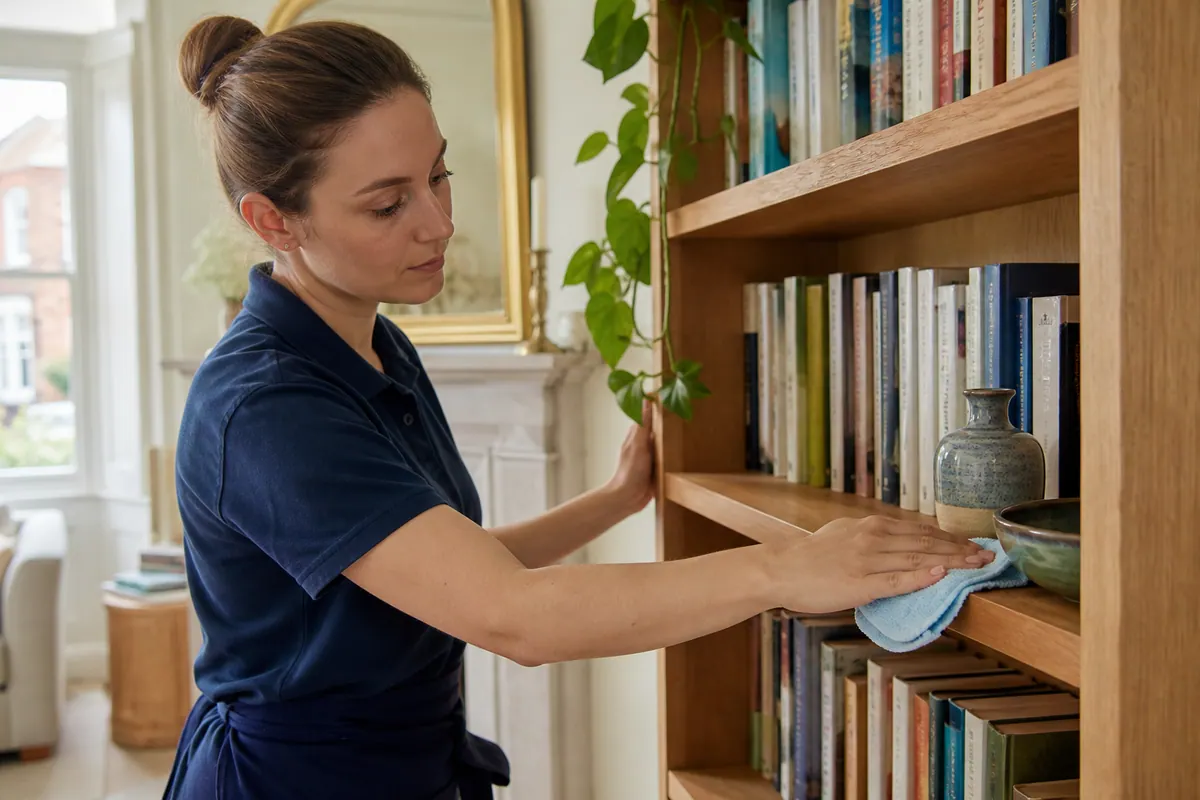
The living-room brief can combine reachable furniture dusting, vacuuming and appropriate floor maintenance. Access should be clear without reorganising the household.
Handle fragile ornaments and paperwork beforehand, and tell the cleaner what must stay in place.
Bedrooms
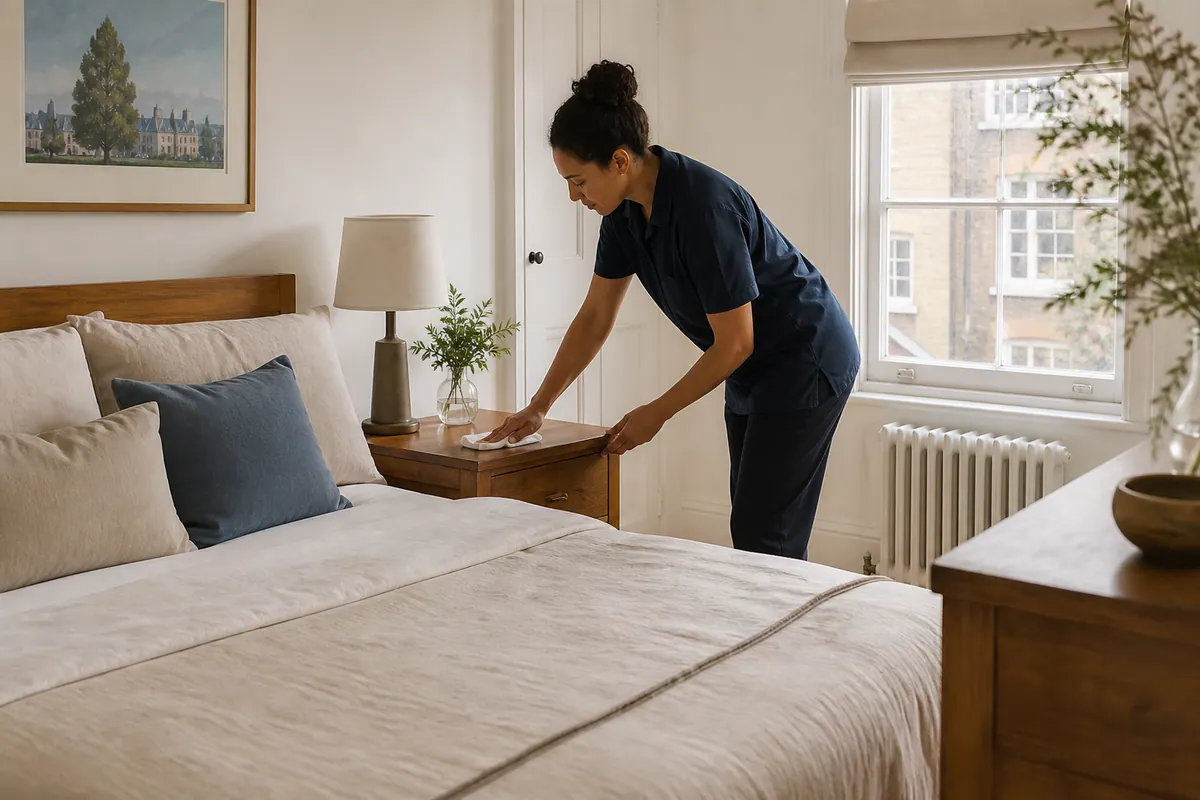
For bedrooms, identify the reachable surfaces and floors to be maintained. Closed storage and personal organisation are not implied by ordinary room cleaning.
Secure medication, valuables and belongings before the visit, and name any room that must stay private.
Between one visit and the next
A longer gap can change the work waiting in the used rooms. Discuss that practical difference, together with available time, before deciding whether weekly or fortnightly visits make sense.
| Planning point | Weekly | Fortnightly |
|---|---|---|
| Best suited for | Households considering frequent upkeep support | Households considering an every-other-week routine |
| Core focus | Maintain a defined list through the used rooms | Review the same essentials after a wider gap |
| Priority planning | Small recurring priorities kept visible | More time between visits may change task priorities |
| Visit scope | Agree inclusions and duration directly | Agree inclusions and duration directly |
The starting visit may need to do more than preserve an existing baseline. Explain the current condition and agree which tasks lead, without expecting a regular maintenance duration to cover every backlog.
When the routine settles, use the agreed essentials as the reference. Changes in occupation, condition or room use still need to be raised rather than absorbed by default.
Surface details before arrival
The amount of moisture and the product used should be compatible with the finish. Explain sensitive materials and existing damage while the room list is being discussed.
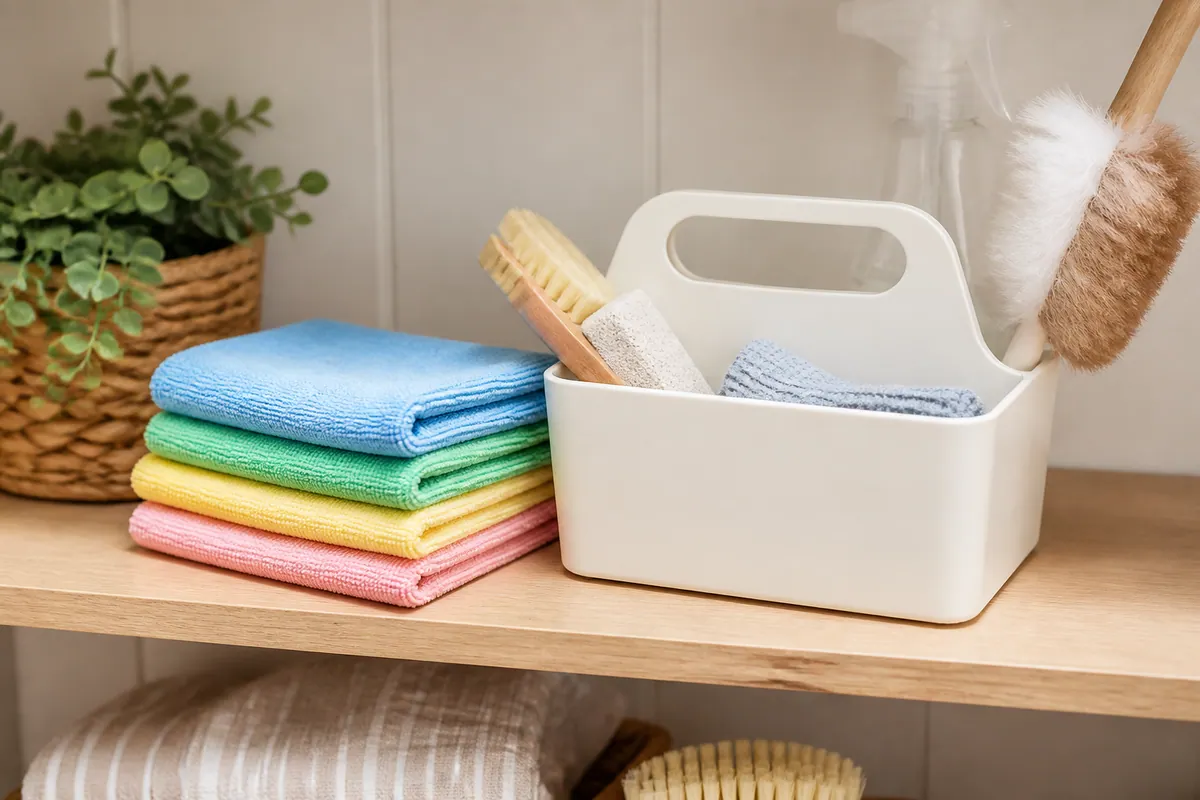
Available guidance for a natural-stone surface should inform the conversation.
Timber care depends on the finish, not merely the fact that the material is wood.
Identify lacquer or other delicate coating before furniture is dusted.
Confirm which steel appliance exterior is included; internals need their own request.
Worn paint and damaged fittings should be recorded as condition, not removable dirt.
A boundary around the regular clean
The domestic list concerns household maintenance. Anything needing high access, heavy lifting or restoration should be raised as another requirement, not assumed from the room name.
Carpet extraction is different from the vacuuming agreed in a routine floor list.
The kitchen being included does not authorise a detailed clean of oven internals.
Mould treatment requires a separate conversation about assessment and scope.
Window exteriors are not implied by indoor cleaning; access must be considered independently.
Building dust and residue call for the appropriate after-builders service discussion.
If the home needs intensive attention, explain that starting condition and consider a distinct one-off brief.
The steps behind recurring care
Start with the rooms, their condition and practical household circumstances such as pets or an active office.
Identify the preferred rhythm and tasks that make the visit useful; confirm availability with the team.
Agree what supplies are needed and how the cleaner will arrive, enter and leave.
Work stays focused on the included domestic tasks, with methods appropriate to the material.
Review completed priorities and separate anything requiring repair, specialist work or additional time.
A clear starting instruction.
Care through the selected room route.
Useful information for the next booking.
Visual examples of home care only, not a before-and-after customer case study.
Access belongs in the booking
Decide how the cleaner receives and returns keys, keeping the details between you and the team.
If building staff are part of entry, check that the proposed arrangement is authorised.
Provide the alarm information required for arrival and departure through a private channel.
Arrange a place for pets and explain the doors or rooms affected.
Name the work area that stays occupied and the point when it can be handed over.
Known parking and loading restrictions should be raised while the visit is planned.
List spaces that remain private, including objects that must not be moved.
A realistic cleaning agreement includes both the room work and the way it can be reached. Confirm any specialist or additional requirement before assuming it belongs in regular upkeep.
Before we arrange the visit
Explain when the space changes from working area to available room. Agree a practical handover and prepare the equipment yourself, rather than assuming that its living-room label means it is accessible throughout the appointment.
Update the team about the affected room and timing before the next visit where possible. A recurring arrangement still needs accurate availability information; it should not depend on a handover that no longer fits your day.
Homes and visits differ. A confirmed quotation needs the minimum visit, room scope, frequency, supplies and practical access details; the starting rate does not establish an all-inclusive household package.
Think about room activity over each interval rather than treating either as a fixed package. A longer gap can change the priorities waiting, while available time and scheduling still need confirmation.
Discuss the change before the visit where possible. Replacing a task can still alter workload, so keep the team informed rather than assuming all tasks require the same time.
Not necessarily: the starting condition can require a different list and more time. First or one-off domestic visits begin from £90, with scope and inclusions confirmed before booking.
Explain them during booking and ask what supplies are included. Preferences and material-care guidance should be considered before work, with any known sensitive or damaged area identified.
Yes, make the exclusion explicit while planning. If the room will become available later, discuss that handover without assuming the cleaner can wait or extend the visit.
No. Detailed oven work, extraction and other specialist processes remain separate, as do high access, restoration or heavy lifting. The agreed room list defines accessible domestic maintenance, not unlimited work.
Provide the postcode and practical household information when contacting the team. Weekly, fortnightly or first-visit availability is checked against the schedule; the area page does not promise a reserved slot.
Maida Vale / enquiry area
Contact the team about your Maida Vale home with its room list and access information. The address and available schedule are checked before a domestic arrangement is agreed.
For the wider service scope, see Domestic Cleaning, or ask the team about your address.
Area orientation
Check the location reference before sending your precise address details.
Open map in a new tabMaida Vale / the next conversation
Tell us about the rooms in your Maida Vale home, their condition and the routine you want to arrange. Plan around a dual-use room: share your preferred frequency and access details directly with the team.
