
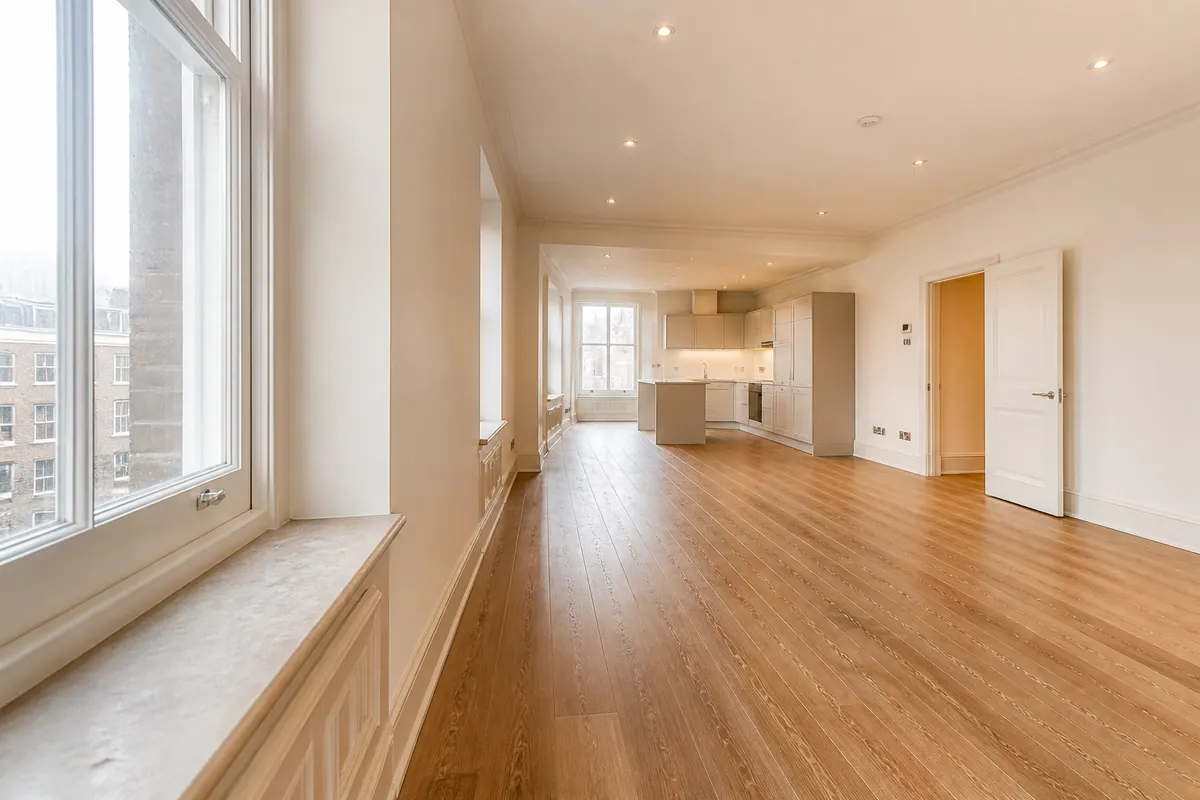
Release the work area
Confirm remaining trade attendance before fixing the sequence.
Highbury · Decorating finished, home still occupied
Decorating finished, home still occupied
A clear brief for ordinary family routines.
Decorating a lived-in home calls for a clear room sequence. Plan your Highbury finishing clean around the areas released by the decorator, keeping freshly painted frames and occupied rooms visible in the brief.
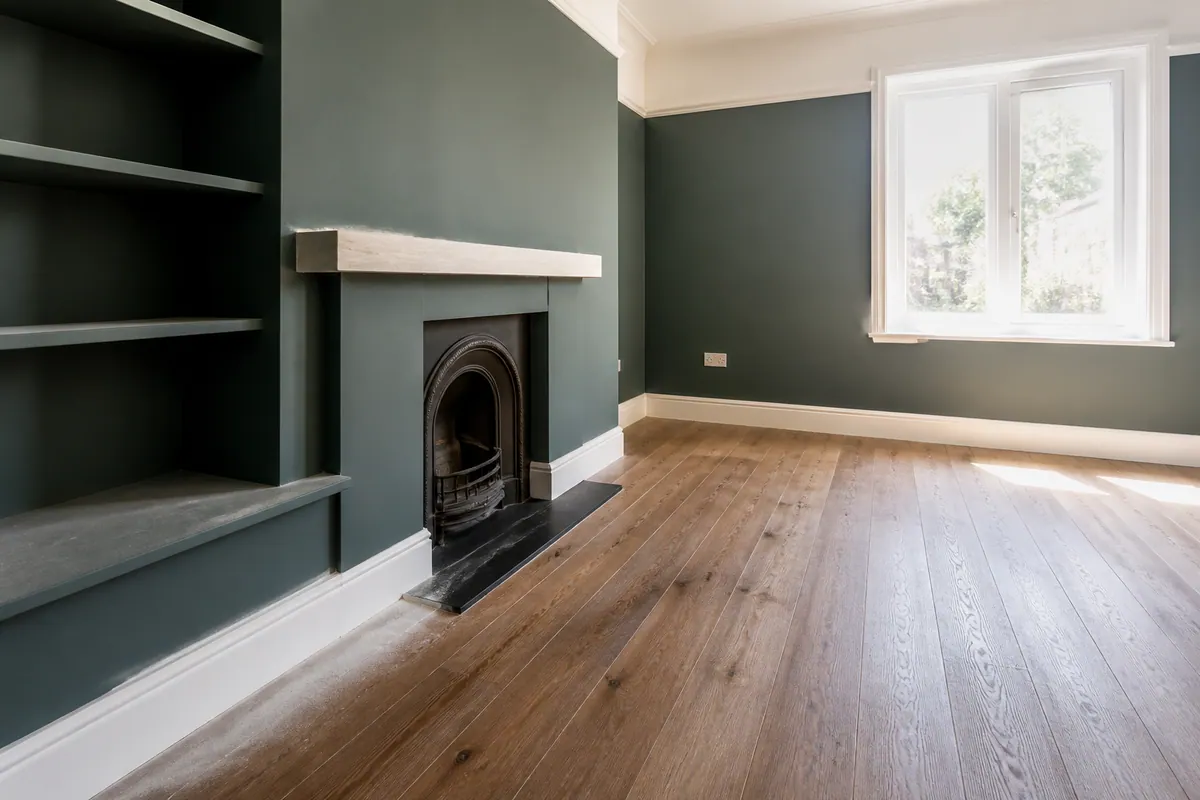
The scene provides context without claiming a real job.
Describe the Highbury work
Choosing a work type does not book a visit. It helps organise the questions for the quotation conversation.
Explain what is complete and what still needs a trade. The cleaning plan should reflect that actual stage, not only the original renovation schedule.
Inspect the affected route
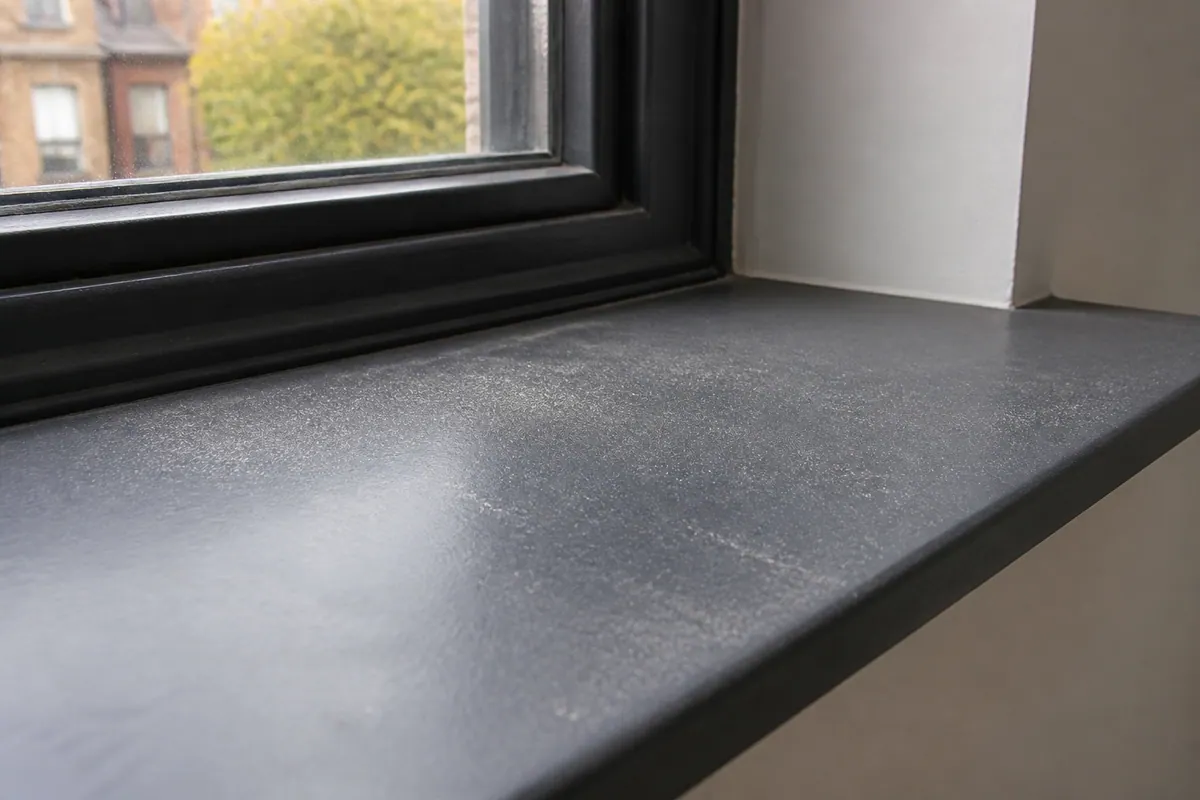
Follow the deposits into adjoining spaces.
Look at frames and accessible ledges in the released rooms. Identify any deposits outside them without assuming that the household’s entire living space needs construction-focused cleaning.
Tell Alesta which coverings have already been removed and which surfaces are exposed. Their previous protection does not prove they are clean now.
New deposits created afterwards need a separate scope discussion.
At your Highbury property
Describe affected surfaces without adding unrelated household chores.
Agree room access around the household’s use of the property. Clear a carrying route and identify belongings that prevent reaching a surface before the team arrives.
Use the decorator’s room-by-room completion information rather than one general end date. Sanding or touch-ups in an occupied adjoining room may affect the agreed cleaning sequence.
Review the released rooms against the decorating-related priorities. Domestic chores elsewhere and any painting corrections are different tasks, even when they are visible on the same visit.
Quoting the Highbury work
From £29/ hour
Alesta supplies equipment and materials for the agreed cleaning; confirm the current price with the room information.
The final figure needs the actual property condition. Do not read the starting rate as an all-inclusive project price.
| Room brief | Quote approach | Condition to describe |
|---|---|---|
| Limited room work | Guide from £29/hour, not a total | Condition of the frames in released rooms |
| Fitted-room finishing | Hourly guide from £29 | Readiness of freshly painted frames |
| Multiple renovated rooms | Total to follow the room brief | Room access before ordinary family routines |
| Business refurbishment | Confirm project suitability first | Site contact and proposed tasks |
Based on Alesta’s published after builders cleaning rate. Building waste is a separate service enquiry.
A sequence, not a completion guarantee
Confirm remaining trade attendance before fixing the sequence.
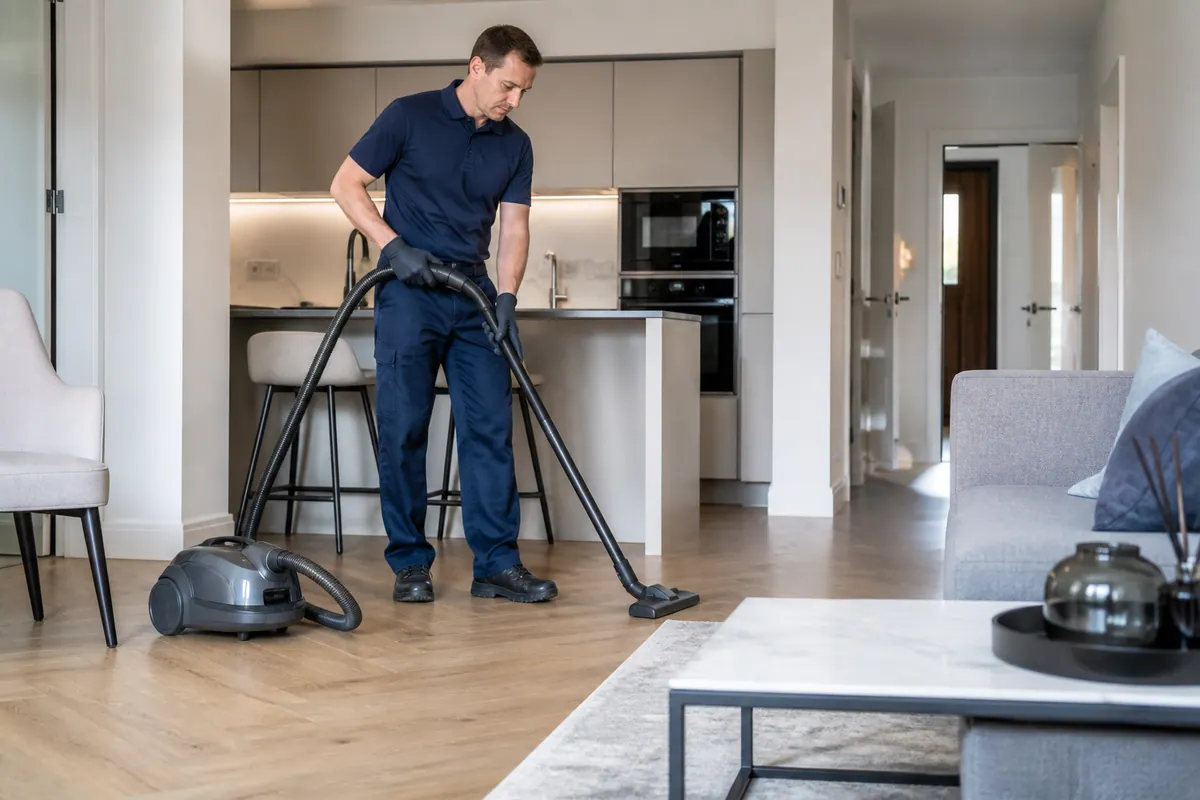
Match the surface approach to its material and condition.
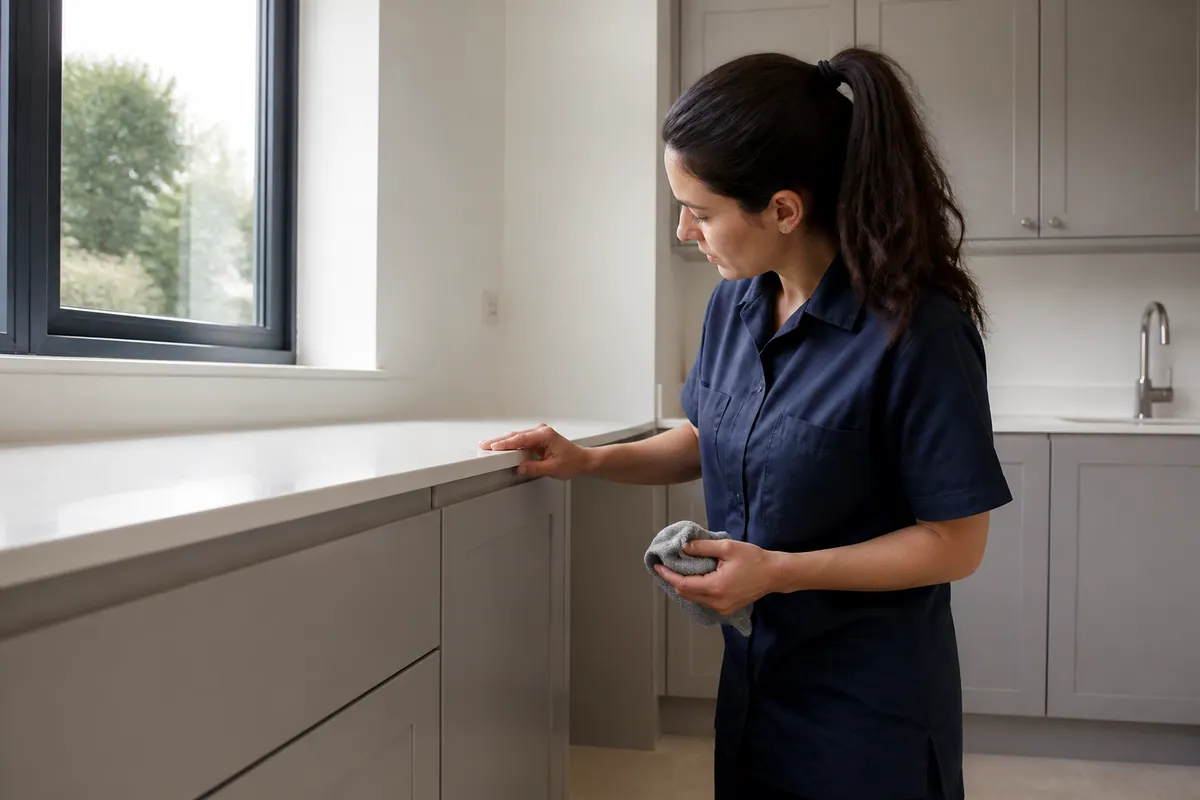
Identify any mark requiring a separate decision.
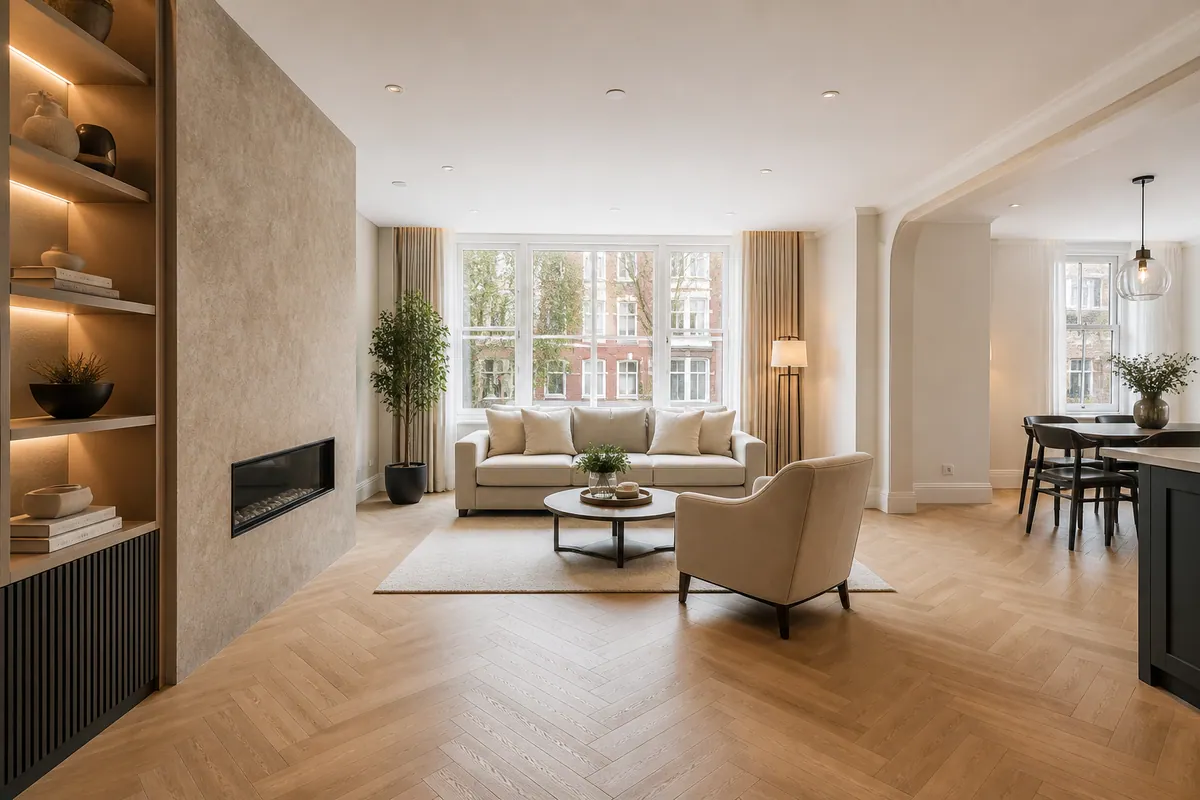
Confirm any remaining specialist follow-up before relying on the space.
The pictures illustrate separate stages, not a proven before-and-after transformation.
Draw the cleaning boundary
A diagram cannot show every obstruction or finish. Provide those differences when arranging the scope.
Include reachable shelf exteriors and sill detail where affected, without assuming treatment of stored contents.
Look at the junctions beside fitted items rather than relying on the room’s overall appearance.
Explain the visible deposits on fittings while keeping installation defects separate.
Check the passage beyond the work area and ask whether affected floor sections should be included.
Identify before treating
| Deposit | Description | Scope question |
|---|---|---|
| Light particulate deposits | frames in released rooms | Agree the accessible surfaces carrying these deposits. |
| Ordinary cleaning remnants | Small deposits after work | Treat as cleaning only where included in the scope. |
| Fitting adhesive questions | Labels or marks beside freshly painted frames | Keep uncertain protection materials as an enquiry question. |
| Hard construction spots | Isolated spots near the frames in released rooms | Assess bonded deposits before selecting products. |
| Factory film | Protection still on the fitting | Ask whether the fitted surface is ready to be uncovered. |
Keep clearance outside the dust brief
Agree dust and fitting detail as cleaning tasks, with any resistant residue separately assessed.
Provide the type and approximate amount of leftover boards, rubble or packaging for a separate collection discussion. Explain the route out as well.
Ask about separate building waste collection ↗Different work leaves different detail
If rooms remain occupied, explain the boundary between daily use and renovation effects. Everyday housekeeping is a different request from this finishing stage.
Give the fitter’s readiness guidance for recently applied finishes. A kitchen that looks complete may still have surfaces that should not be cleaned yet.
If grouting or adjustment remains, tell Alesta before planning the clean. Later fitting activity can change the condition of already cleaned areas.
Keep surface instructions with the room they concern. This avoids a general care note being applied to unrelated finishes elsewhere in the property.
If an agent holds the keys, provide a contact who can clarify new finishes and remaining works. Access and scope are separate pieces of information.
Site rules and the scope of a commercial visit require confirmation. This example is not evidence of an existing contract or specialist site service.
Check the conditions for arrival
Before the clean
For the appointment
Name rooms, not an unlimited checklist
Compare the kitchen exteriors with the floor around them. Both may be affected, but their materials can need different methods.
Flag the surfaces most recently installed in the bathroom. A visible spot is not proof that a safe routine removal method exists.
Explain whether furniture limits bedroom access. The proposed clean should not assume empty floor edges where belongings remain.
A connected living space can carry dust from neighbouring work. Agree the affected ledges and floor rather than adding an undefined whole-room package.
A finish is not just a colour
Illustrated material assessment.
The deposit cannot be assessed without the finish.
Ask which frames were painted most recently and follow the relevant drying advice. Cleaning cannot resolve rough paintwork, and difficult spots should not invite aggressive treatment of a new coating.
Check the newest application before planning the method.
Flag a surface with an unknown treatment history.
Separate protection film from ordinary settled dust.
Brief answers, clear limits
Prepare a conversation, not a booking
Describe the work without assuming a fixed package.
Choose the decorating category, then explain room availability directly. The summary remains on this page and cannot establish household access, make an appointment or calculate the quotation.
Describe which decorated rooms remain in use. The property selection does not capture household access arrangements.
Talk through the room list: 020 3608 3976Make the responsible contact clear
Keep the household’s occupied rooms distinct from those released by the decorator. That makes it easier to explain the route and avoid implying that daily domestic chores belong to the renovation visit.
A managing contact should identify remaining trade work before arranging handover. Cleaning does not certify the construction project.
A builder-led enquiry needs the remaining-work list and released areas. Confirm any site-specific requirement directly with Alesta.
Glazing is an explicit request
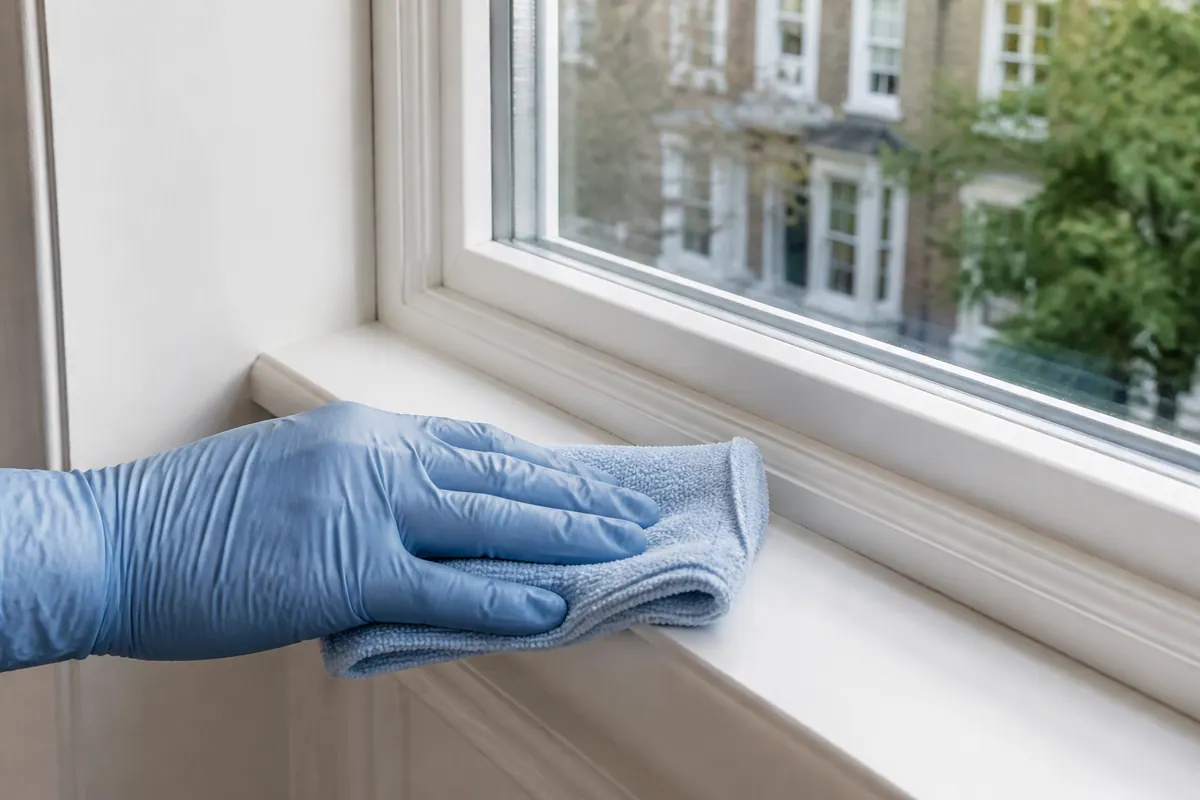
If windows are requested after decorating, identify the rooms released for that work. Household use and fresh frame paint can affect readiness even where the glass itself is reachable.
Identify installation residue separately from general dust on glass. Safe removal and its inclusion must be confirmed.
Ask about the window scope ↗Address and access
The Highbury location helps identify the enquiry, but access still depends on the building. No local office is implied.
If your area is elsewhere, visit the main after builders page for an address-specific answer.
Questions for this project
Explain the deposit and its location around frames in released rooms, including anything you cannot identify. That separates ordinary dust from a question needing assessment.
The contact should clarify both entry and the affected rooms. Describe any lift, stair or carrying restriction relevant to frames in released rooms.
A new appearance does not prove freshly painted frames can be cleaned immediately. Check the product advice and flag resistant deposits separately.
A neighbouring room may need attention even without new fittings. Describe its condition alongside frames in released rooms and agree the additional work.
£29 per hour is the published starting figure rather than a complete-property charge. Confirm the actual work, with materials and equipment included for cleaning.
The released areas and remaining work need to be distinguished. A single clean should not be expected to anticipate later cutting or sanding.
Building waste is a separate enquiry. Describe boards, rubble or packaging and the access for collection; cleaning does not automatically remove them.
Explain those requirements in advance so the separate tasks can be considered. A builders-clean request alone does not include them.
Ask about timing with the full brief rather than selecting a fixed slot from the page. Different fittings and deposits create different workloads.
A remaining mark on freshly painted frames may need installer advice or specialist assessment. Cleaning does not repair a damaged finish, and safe removal is not guaranteed.
Highbury / next conversation
Tell Alesta which spaces are released and how they can be reached. The final cleaning plan should match those facts.
