
Homeowners
Give the agent or keyholder the refurbishment priorities before the visit. They should be able to distinguish those tasks from an inventory request or a contractor’s outstanding repair.
Islington · A refurbishment brief for the keyholder
A refurbishment brief for the keyholder
A clear brief for rental-property handover.
A rental refurbishment needs a building-work brief before it needs a handover date. Tell Alesta what has changed in the Islington property, which finishes are new and who will provide access for the agreed clean.
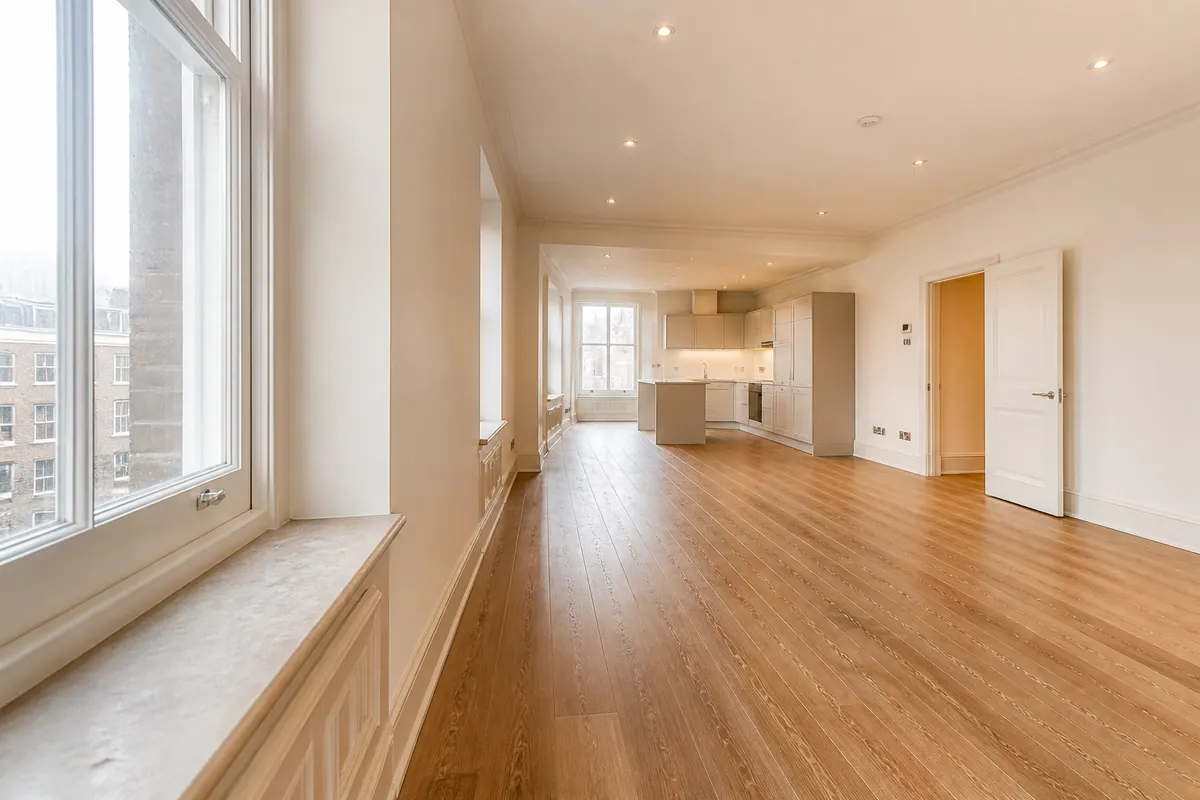
The scene provides context without claiming a real job.
Make the responsible contact clear
Give the agent or keyholder the refurbishment priorities before the visit. They should be able to distinguish those tasks from an inventory request or a contractor’s outstanding repair.
Share the room condition and responsibility for admission. The person with keys may still need another contact to clarify surface care.
If trades return after cleaning, explain the intended sequence beforehand. A contractor request does not automatically cover later deposits.
At your Islington property
Describe building dust independently of any tenancy inventory.
Confirm whether the agent, landlord or another keyholder will admit the team. Give a contact who can clarify the agreed priorities, not merely someone able to unlock the door.
Keep the contractor’s outstanding work separate from the proposed handover. If remedial work remains, discuss its effect on cleaning instead of promising a ready date prematurely.
Use the agreed refurbishment scope when reviewing the visit. An inventory, deposit decision or separate end-of-tenancy requirement is not automatically satisfied by a builders clean.
Name rooms, not an unlimited checklist
Point out where installation deposits remain around the kitchen. Separate expected surface cleaning from adjustment or repair of new units.
Describe bathroom fittings by condition and material rather than assuming new means ready. Follow the relevant drying guidance.
Name the bedroom finishes recently changed and any dust beyond those areas. This gives a clearer brief than an identical checklist for every room.
Give the living-area floor material and access around stored belongings. Glazing requirements should be stated independently.
Quoting the Islington work
From £29/ hour
You do not need to infer a separate charge for ordinary cleaning materials from the guide. The scope and rate still require confirmation.
A lightly affected room and one with many installed surfaces present different workloads. Explain the difference before discussing a total.
| Room brief | Pricing method | Detail needed |
|---|---|---|
| Limited room work | Starts at £29/hour; confirm tasks | Condition of the renovated rooms and trade passages |
| New room fittings | £29/hour is the starting point | Readiness of new flooring and paint |
| Several released rooms | Agree cost against proposed work | Room access before rental-property handover |
| A premises-specific request | Enquiry reviewed before pricing | Site contact and proposed tasks |
Based on Alesta’s published after builders cleaning rate. Collection of building materials requires its own quote.
A sequence, not a completion guarantee
Keep unfinished fitting work outside the released-area list.
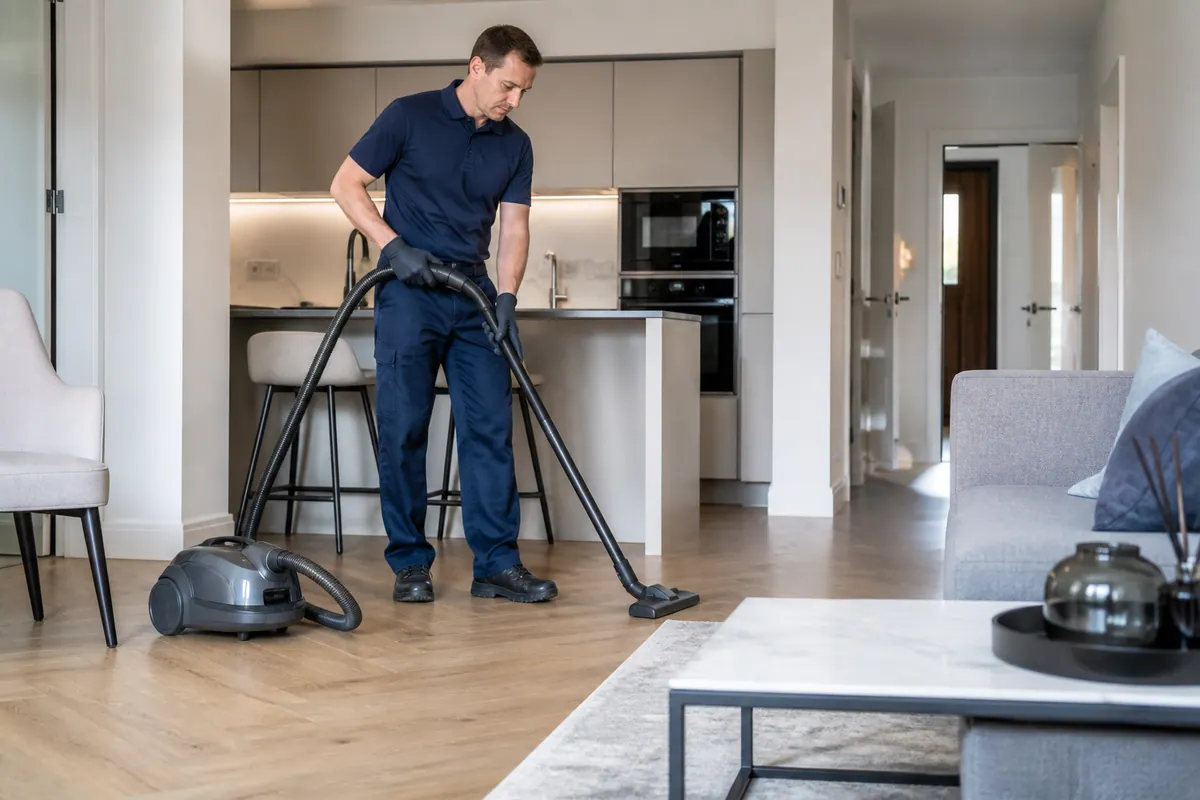
Work through the reachable surfaces included in the agreement.
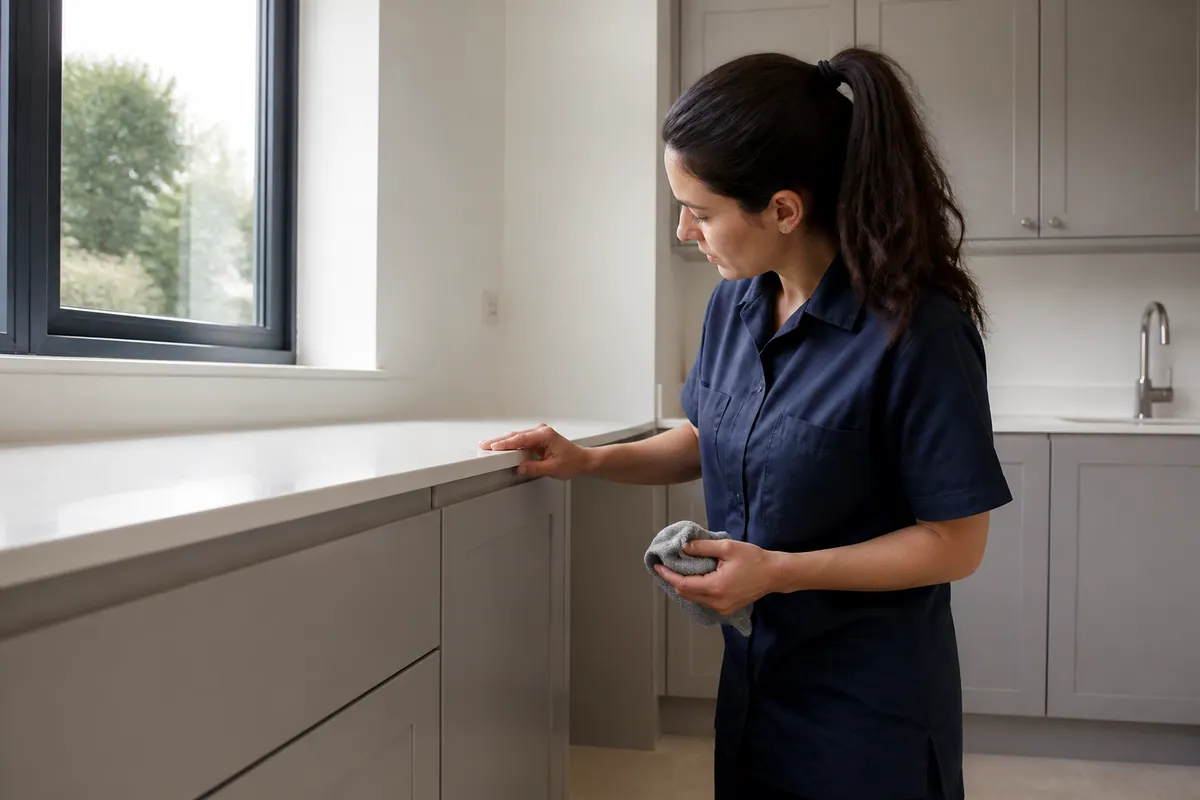
Keep unresolved fitting issues on the trade’s list.
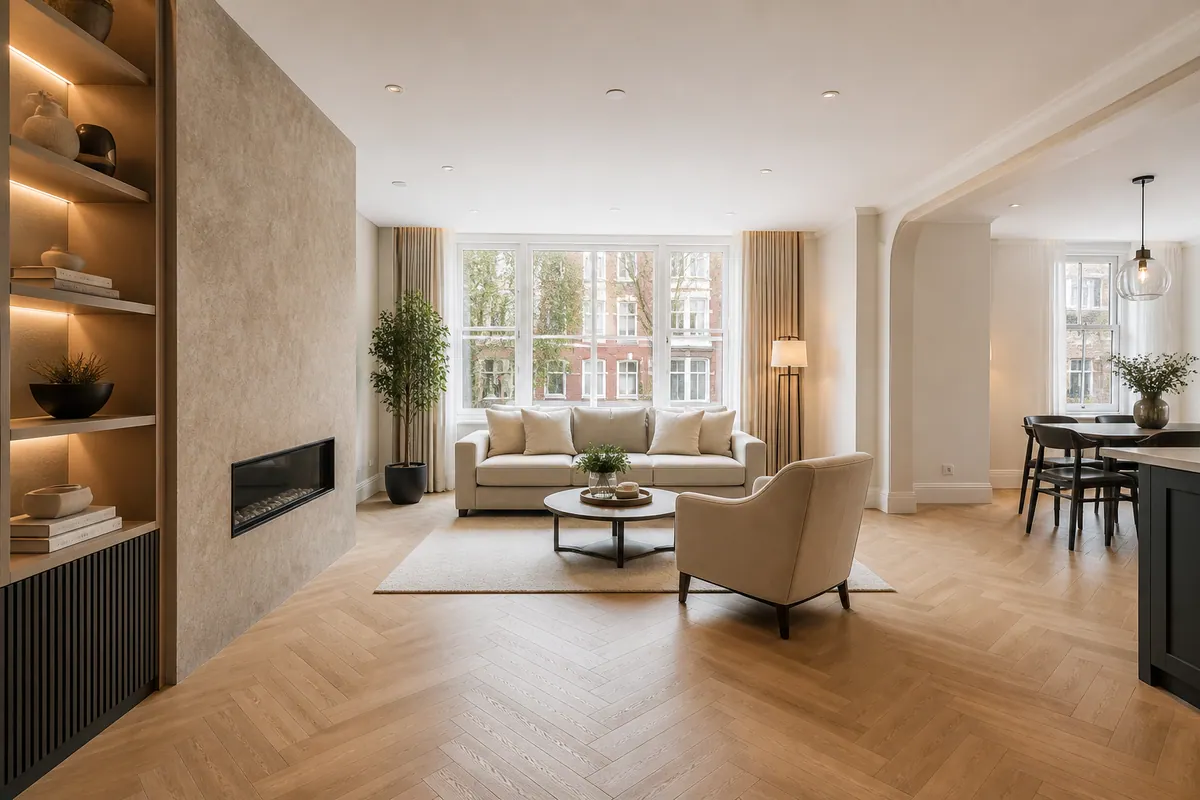
Separate the next property task from the completed clean.
The pictured stages are not a guarantee of the condition after treatment.
Describe the Islington work
The selection is a prompt, not a confirmed service package. Add the room condition and access information when making contact.
For a complete refurbishment, identify the priorities within each room rather than expecting a single identical checklist everywhere.
Inspect the affected route
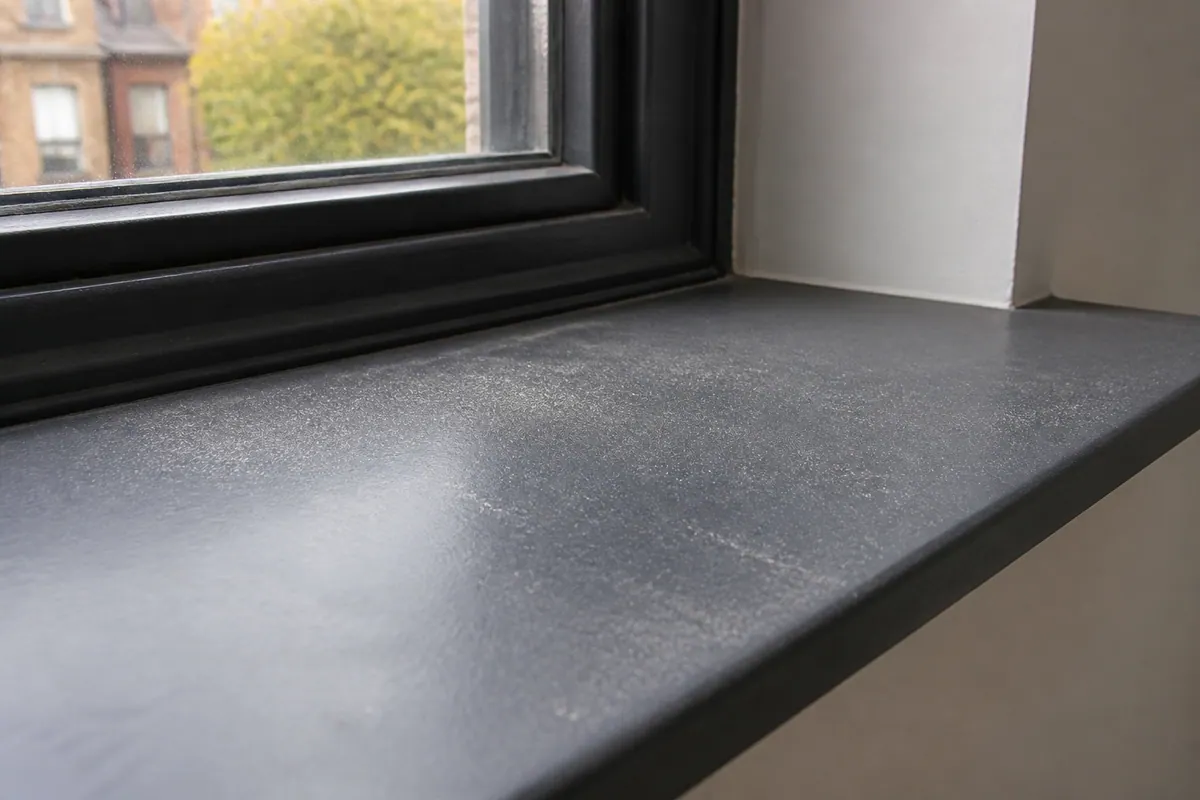
Check what remained exposed during the works.
Check the rooms renovated and the passages used by trades. A rental checklist may address other matters, but it should not obscure the actual location of post-work dust.
Show the accessible surfaces on which deposits remain. Appropriate equipment and products can then be discussed around the actual finish rather than one universal treatment.
Do not confuse a planned completion date with actual readiness.
Draw the cleaning boundary
The diagram is a planning illustration, not a survey of this property. Agree the reachable surfaces with Alesta.
Check accessible tops and lips beside fitted items, including surfaces not obvious from the doorway.
A threshold can connect dusty and relatively protected areas; describe both conditions.
Fittings should be named where they require particular care; a general dust description may not be enough.
Suitable floor work follows the actual material and available access rather than a uniform whole-home assumption.
Identify before treating
| What is visible | Observation | Decision required |
|---|---|---|
| Accessible dust | renovated rooms and trade passages | Include the identified deposits by agreement. |
| Routine loose deposits | Non-bulky cleaning residue | Use the agreed cleaning boundary. |
| Labels or adhesive | Labels or marks beside new flooring and paint | Keep uncertain protection materials as an enquiry question. |
| Bonded building residue | Isolated spots near the renovated rooms and trade passages | The finish limits treatment; full removal is not assured. |
| Remaining protective layer | Factory protection left in place | Do not interpret protection removal as an automatic cleaning task. |
Keep clearance outside the dust brief
The clean concerns reachable surfaces and their post-work deposits. It is not a commitment to empty the property of construction material.
A waste enquiry should explain volume, weight and collection access. The cleaning quotation cannot substitute for those details.
Ask about separate building waste collection ↗Different work leaves different detail
Describe any shared-building arrangements alongside the flat’s own room list. Access through a common entrance does not add communal areas to the service.
Protective labels or film on new kitchen items need a responsibility check. Their removal is not automatically part of cleaning around the installation.
The fitting date does not determine sealant readiness on its own. Obtain the relevant product advice before requesting contact cleaning.
Explain where possessions or spare materials prevent access. The quotation should reflect reachable detail rather than a theoretical empty property.
The person arranging a rental-property clean should explain what work was completed. Previous occupation marks may not belong to the post-build scope.
Site rules and the scope of a commercial visit require confirmation. This example is not evidence of an existing contract or specialist site service.
Check the conditions for arrival
Before the clean
For the appointment
A finish is not just a colour
Illustrated material assessment.
Readiness and residue are separate questions.
Record new flooring and paint with any care instructions supplied. Existing tenancy marks, installation damage and fresh deposits need to be distinguished rather than bundled into one expectation.
Check the newest application before planning the method.
Explain where one flooring type meets another.
Identify delicate detail before any treatment is discussed.
Brief answers, clear limits
Prepare a conversation, not a booking
The room details support a better first conversation.
The options describe renovation effects, not a tenancy checklist. Add any separate requirements in direct discussion; this tool sends nothing and does not book the service or calculate a total.
Keep inventory expectations separate from the building-work description. The summary is not a tenancy inspection checklist.
Talk through the room list: 020 3608 3976Glazing is an explicit request
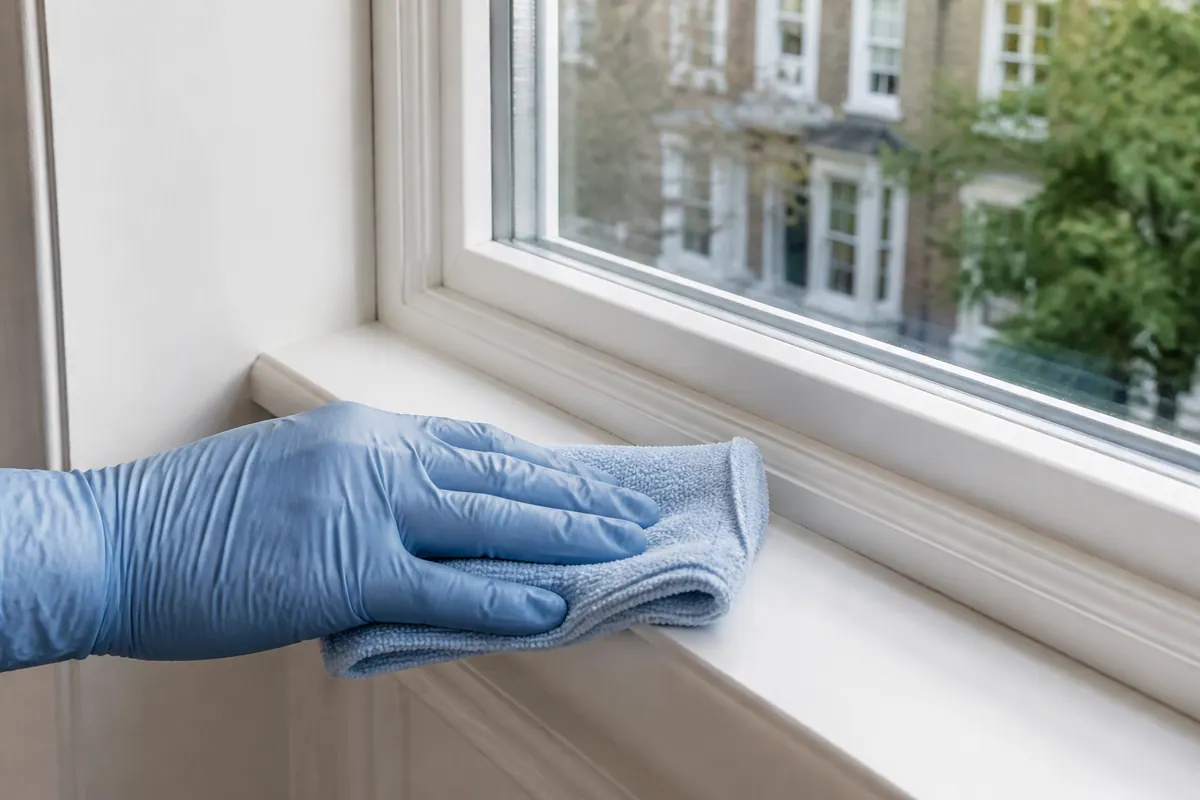
If the handover brief calls for glass, separate that requirement from the renovation surface list. Name the panes and condition rather than relying on an inventory phrase such as windows clean throughout.
Identify installation residue separately from general dust on glass. Safe removal and its inclusion must be confirmed.
Ask about the window scope ↗Address and access
The map indicates the Islington service area, not an office address. Provide the actual property and access details when asking about availability.
For another property, visit the main after builders page and confirm availability.
Questions for this project
Use renovated rooms and trade passages as a starting point and explain which adjoining surfaces were affected. The quotation should follow the actual room condition.
Give the full address and admission contact, then describe the route to renovated rooms and trade passages. Any building restriction should be discussed before the visit.
Any uncertainty about new flooring and paint belongs in the enquiry. More aggressive removal is not a substitute for understanding the finish.
A neighbouring room may need attention even without new fittings. Describe its condition alongside renovated rooms and trade passages and agree the additional work.
Alesta’s published starting rate is £29/hour. Check the current quotation for the condition described; included cleaning supplies do not make extras automatic.
The desired next-use date cannot remove unfinished work. Agree the available areas and explain what will happen after the clean.
Discuss waste separately, especially if it obstructs the planned work. The hourly cleaning guide is not a collection price.
Additional glazing or carpet treatment may be arranged when suitable and available. Name the areas and any unusual residue clearly.
Allow the visit to be discussed around the property, with remaining trades identified. This page does not promise a universal number of hours.
A finishing clean cannot promise to restore new flooring and paint. Any unresolved mark should be identified with the relevant limitation.
Islington / next conversation
A useful enquiry connects the work done, the accessible surfaces and the intended timing. Confirm the quote before arranging the visit.
