
Paint & sealants
Follow the product-specific drying instructions before arranging contact cleaning.
New Malden · Two floor finishes, one kitchen-diner
Two floor finishes, one kitchen-diner.
Review kitchen detail and dining-floor condition as separate parts of the same visit.
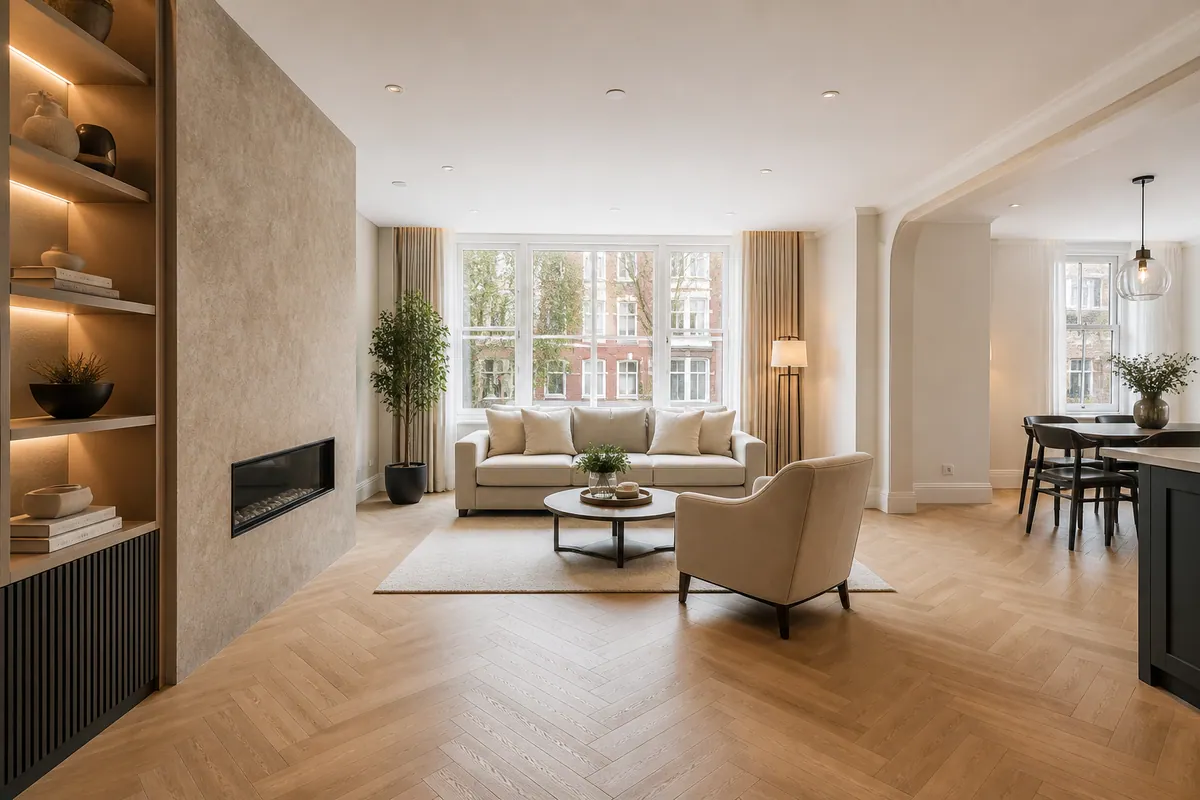
The worktop, kitchen floor and dining area may need different cleaning methods within one open room. For your New Malden enquiry, describe the kitchen-diner’s connected zones. Name both flooring materials so the change of surface is not overlooked.
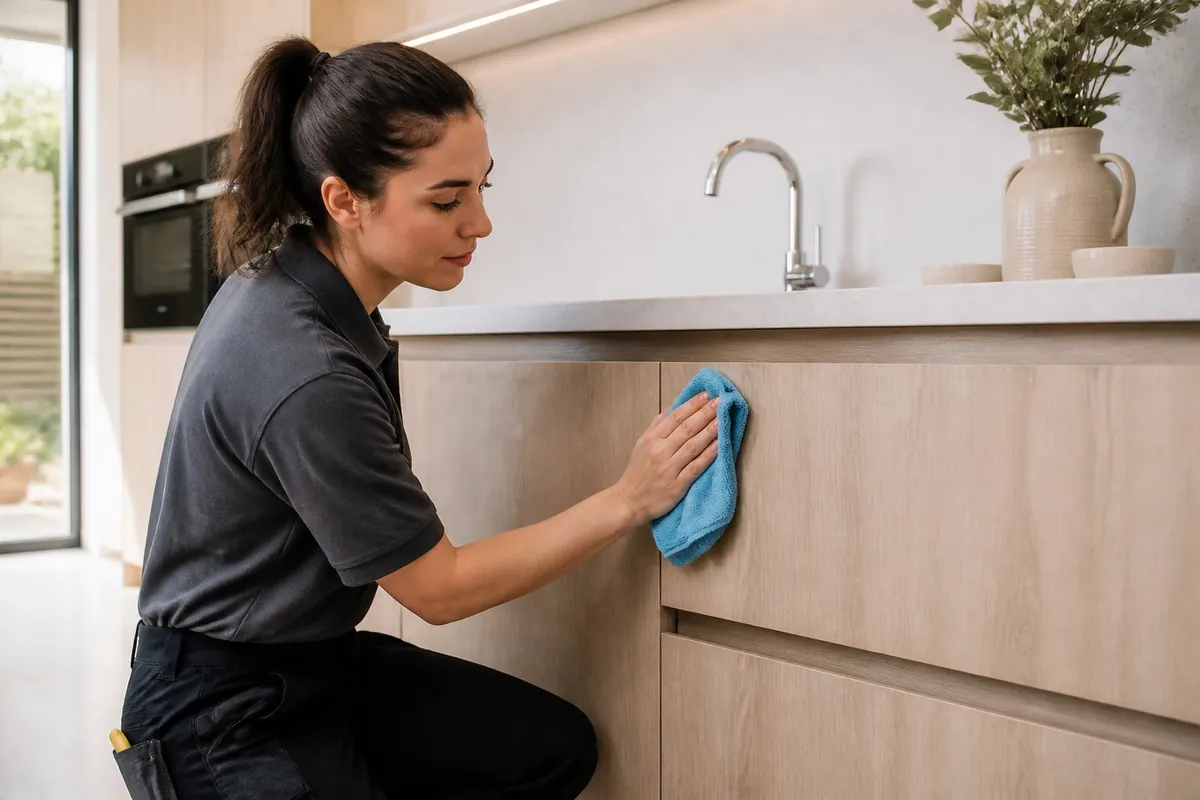
Illustrative renovation scene; no customer job or measured result is represented.
Protect the new finish
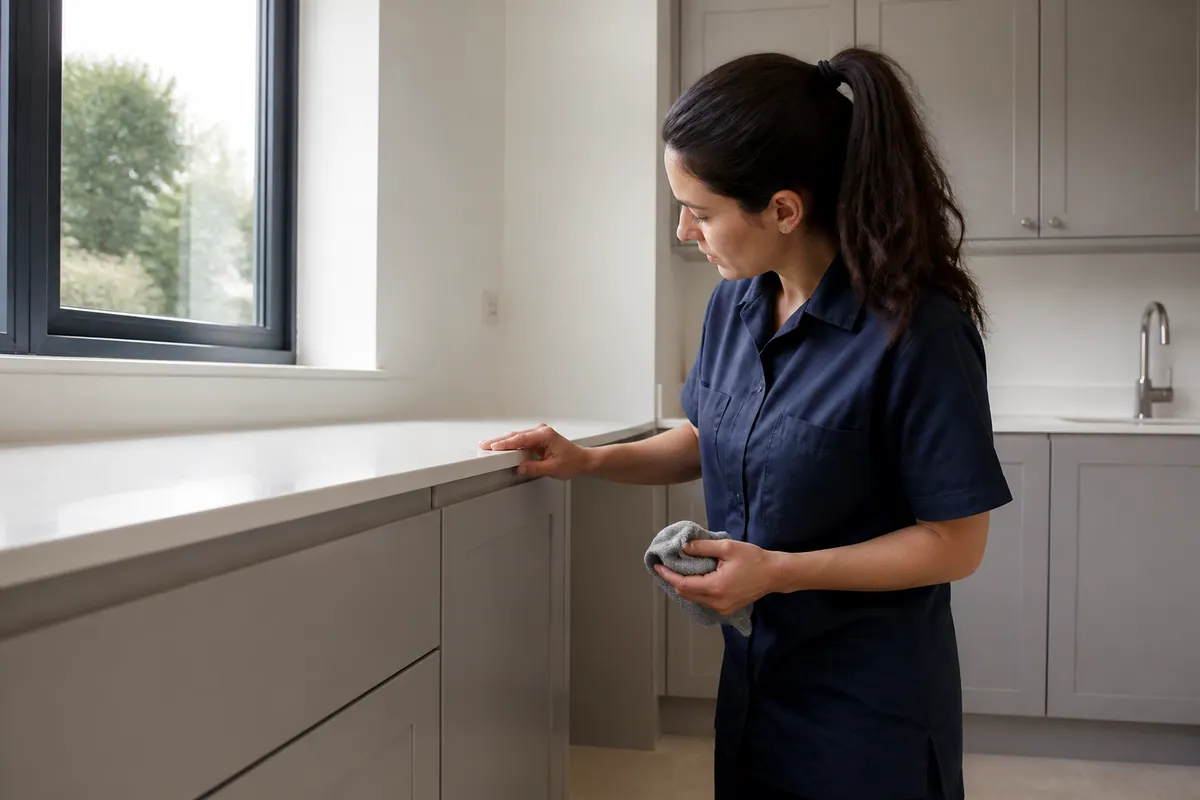
Illustrative surface review.
A cleaning brief should name what lies beneath the residue.
Installer instructions help establish what contact cleaning is appropriate. Where guidance is missing, flag that uncertainty rather than guessing the product.
Follow the product-specific drying instructions before arranging contact cleaning.
Identify whether a specialist finish changes the proposed cleaning method.
Explain which faces of the fitted units are accessible for the agreed clean.
New Malden / the specific room brief
The worktop, kitchen floor and dining area may need different cleaning methods within one open room.
In an open kitchen-diner, one room name may conceal several cleaning decisions. Describe the worktop, cupboard exteriors and each floor material separately. Include dust on the dining side if it travelled beyond the fitting area; do not assume everything takes the same product or method.
Name both flooring materials so the change of surface is not overlooked. Keep any care notes for mixed floor finishes available when discussing the visible marks.
Identify the person who will agree the handover priorities. Review kitchen detail and dining-floor condition as separate parts of the same visit.
Two separate jobs
The relevant task is cleaning reachable room features, not collecting the materials left beside them.
A pile of construction materials can prevent access to the very surfaces requested for cleaning.
Discuss building waste disposal ↗Planning beyond the trades
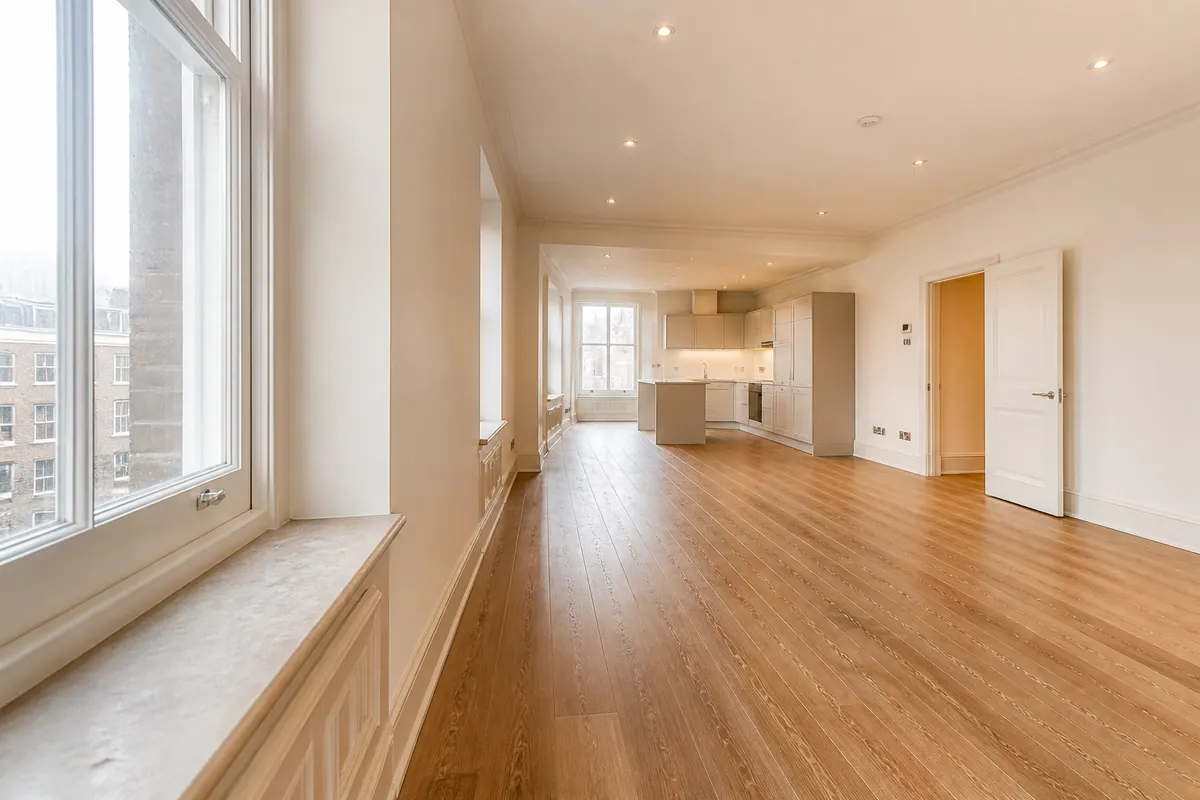
Check which rooms are genuinely available.
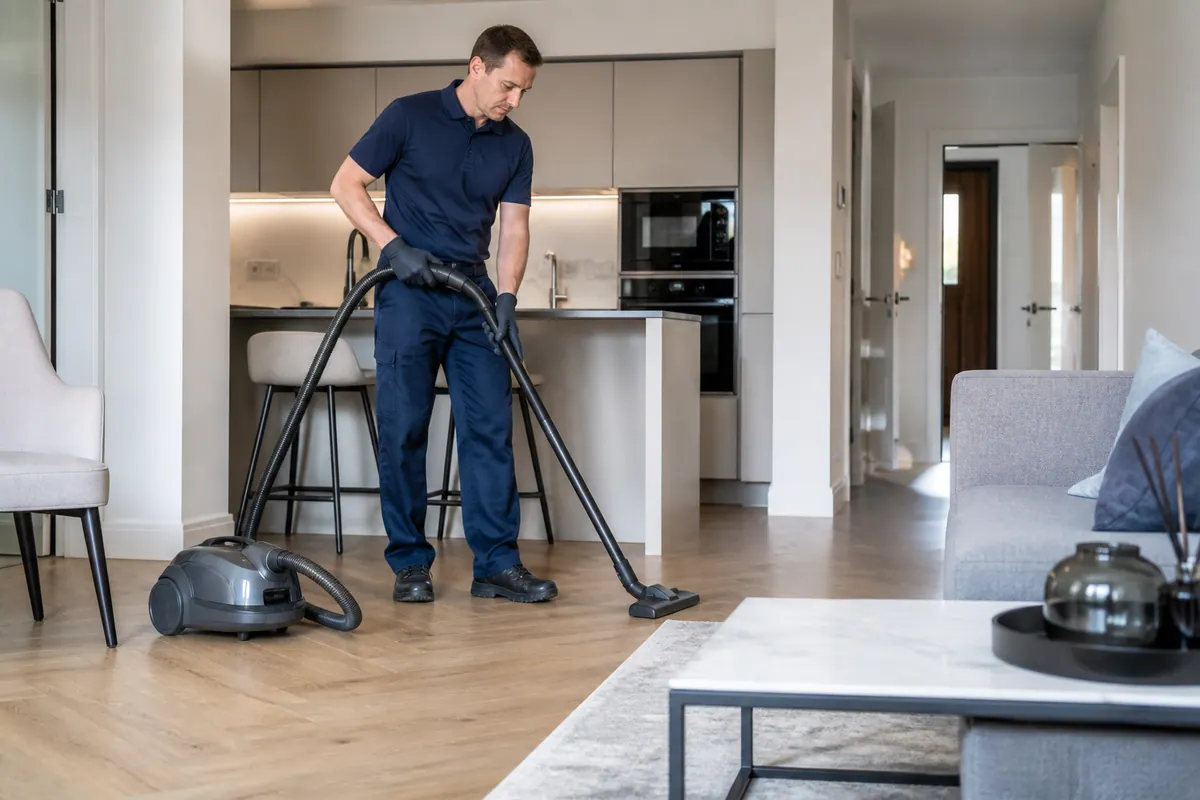
Use suitable methods across the released areas.
Review the task list and identify unresolved marks.
Use the review to inform the handover.
Different interiors illustrate the process rather than a guaranteed transformation.
A scoped quote
From £29/ hour
Confirm the rate applicable to the enquiry; cleaning equipment and materials form part of the service.
Accessible detail, dust and condition influence time. Window tasks, waste collection and specialist treatment are separate considerations.
| Project | Pricing basis | What to describe |
|---|---|---|
| Smaller refurbishment | From £29/hour; scope confirmed | Room condition beyond the floor area |
| Kitchen or bathroom work | From £29/hour; scope confirmed | Sanitaryware or cupboard exterior detail |
| Whole-property renovation | Work-specific price to be agreed | Room schedule and surface-care needs |
| Commercial refurbishment enquiry | Confirm suitability before pricing | Building restrictions and release dates |
Based on Alesta’s published after builders cleaning rate. Building waste removal is quoted separately.
Service-area planning
Use the map to locate the New Malden service area, not an Alesta branch. Provide the actual address when asking about access and appointment availability.
For another nearby area, contact Alesta through the main after builders service to confirm coverage and availability.
Start with the work
These project types prompt useful questions; choosing one does not book a service or include every possible task.
Explain where the work stopped and where deposits remain; the two boundaries may not be identical.
Beyond the work zone
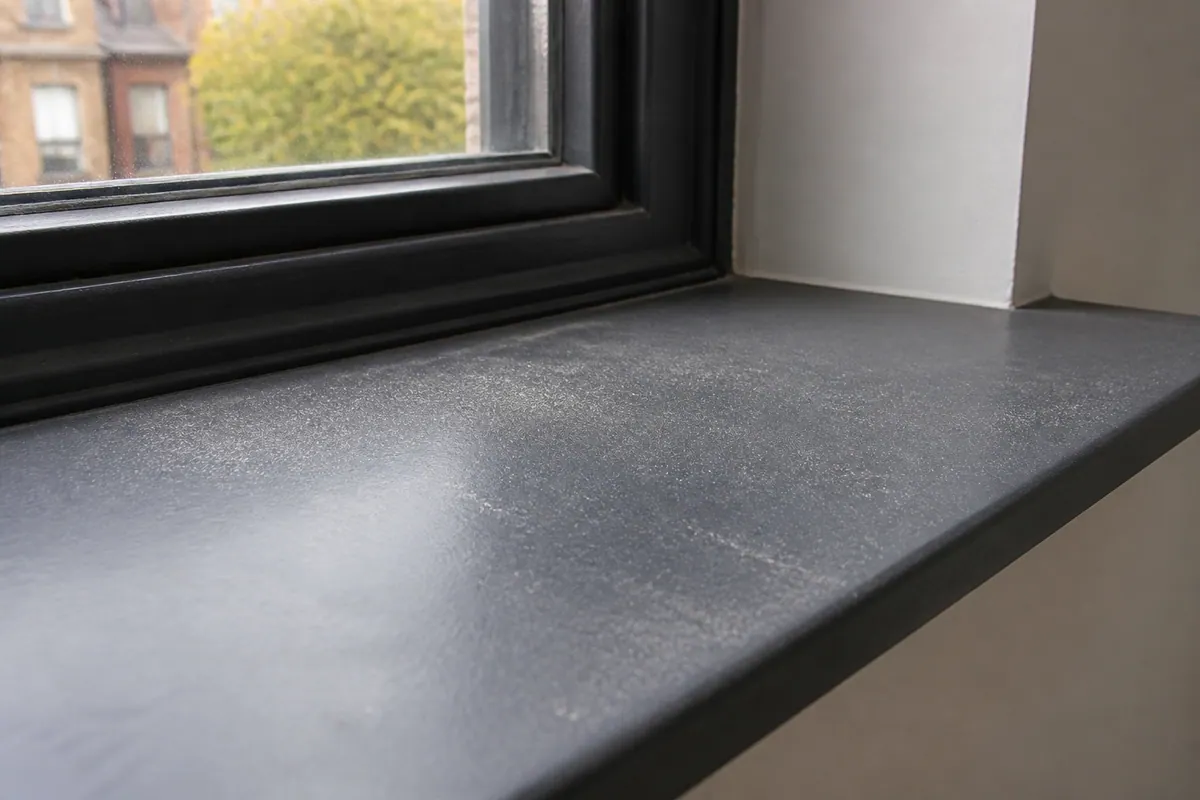
Do not let the room name decide the dust boundary.
Compare low edges with accessible ledges; a quick glance across the floor may not show the full distribution of settled dust.
The brief should describe reach and material as well as dust level, allowing suitable removal methods to be discussed.
Raise the possibility of further dusty tasks before confirming a visit; the cleaning schedule should reflect the real project sequence.
The dust route
These zones describe a planning approach rather than measured rooms or customer premises.
Point out high and low resting surfaces that remain accessible after the project.
Explain which corners can be reached without moving stored belongings.
Radiator edges and accessible fittings should be part of the agreed room discussion.
Floor cleaning needs an accessible route and a known surface, not just a room count.
Different issues / different scope
| Post-build issue | Example | How it is approached |
|---|---|---|
| Fine dust | Settled deposits on exposed horizontal detail | Include the affected locations in the scoped tasks. |
| Loose cleaning remnants | Ordinary loose residue associated with cleaning | It can belong to cleaning, unlike construction waste. |
| Adhesive or labels | Adhesive visible on a new surface | Installer information may be needed before treatment is agreed. |
| Paint, plaster or cement spots | Hardened material at an installation edge | Explain the marks before agreeing any treatment scope. |
| Protective film | Protective material on an installed panel | Removal requires a separate check of guidance and scope. |
Different project briefs
A flat’s room count does not show the detail around its fitted surfaces.
Name the worktop material and coating before discussing fitting residue on cabinetry.
The bathroom can be installed yet still waiting for a product’s drying period.
A larger renovation benefits from material notes for each affected space.
Explain what was refurbished and who can approve the relevant room priorities.
Provide the fit-out details without treating this page as a commercial contract offer.
A useful distinction
Builder stage
Cleaning stage
Room-by-room brief
A kitchen request should name the accessible cabinetry and fittings, plus any new surfaces with particular care instructions.
Bathroom floor care follows the material, while new coatings and seals need their own instructions.
Look at door frames and floor edges before returning bedroom furniture to its position.
A clear living-area brief distinguishes construction deposits from unrelated household cleaning.
At a glance
Build your brief
Keep the initial enquiry concrete and useful.
A scope summary is a starting note, not a booking. The tool does not transmit the answers to Alesta.
A room count cannot decide suitability. Discuss the real surface condition and any extra tasks after preparing the note.
Discuss the brief: 020 3608 3976Who is planning the handover?
Bring your material notes and next-use priorities to the enquiry, especially where new finishes need care.
Pass on access instructions and the renovation brief, with any additional property-management requirements clearly labelled.
Do not assume this is a standing commercial agreement. Explain the premises and proposed handover for suitability review.
Glass after renovation
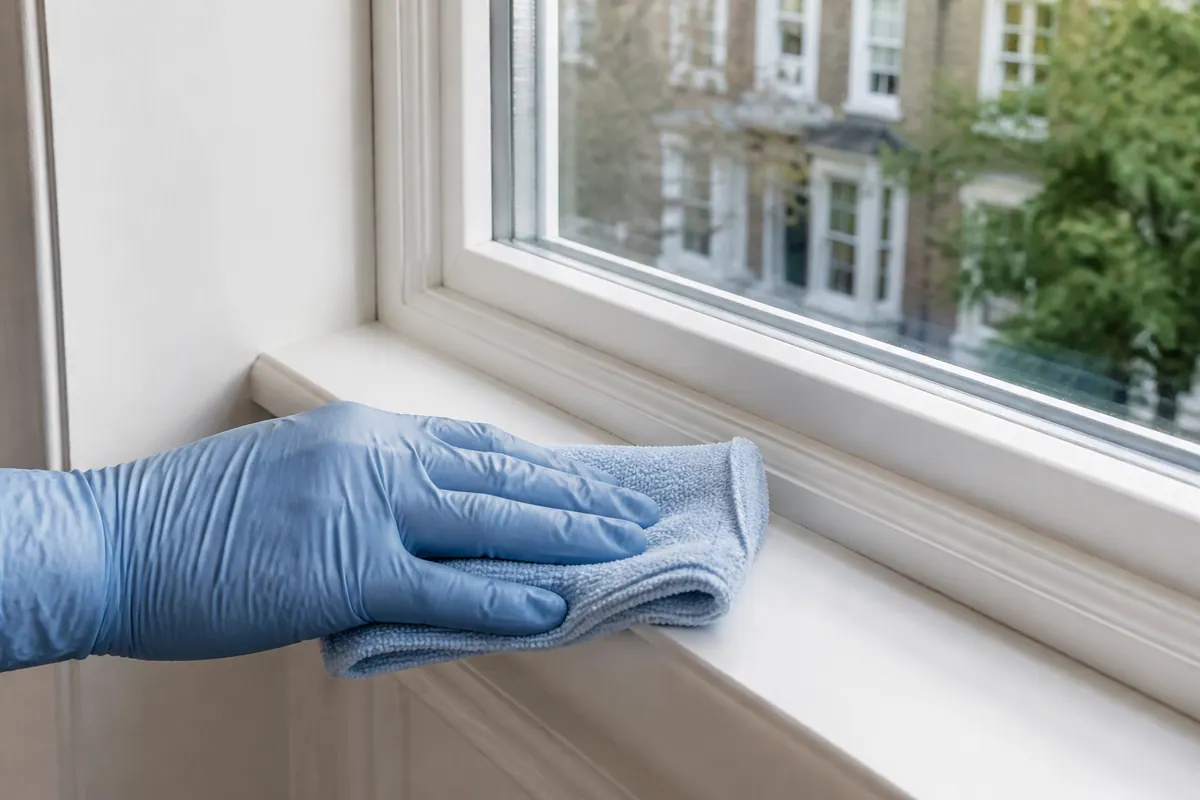
Specify the glazing you mean, including height and whether the request concerns its inside, outside or frame.
Hardened paint or cement requires assessment. A normal window-clean request cannot guarantee removal from every glazing surface.
Plan separate window cleaning ↗Before the appointment
Tell Alesta which part of the property changed and how the neighbouring areas look now. The cleaning boundary should reflect visible effects, not just the contractor’s work order. The worktop, kitchen floor and dining area may need different cleaning methods within one open room.
Explain how the team will reach the work area and who can admit them. Any building restrictions should be discussed before fixing the visit rather than discovered on arrival. Identify the person who will agree the handover priorities.
A finish can be newly installed without being ready for cleaning. Check its care guidance, explain the visible residue and avoid assuming that every mark can safely disappear. Name both flooring materials so the change of surface is not overlooked.
The work area and cleaning area need not match. Describe dust beyond the renovation and let the scope discussion establish which adjacent spaces are included. Here, inspect the kitchen-diner’s connected zones.
Use the hourly figure to open the price discussion, not close it. Alesta lists from £29/hour with cleaning materials and equipment; the work remains property-specific.
If the project schedule changes, raise it before the cleaning date. Ready surfaces, clear access and an end to dusty work all affect the arrangement.
The hourly cleaning guide does not absorb waste collection. Identify what needs taking away and arrange the relevant scope before it blocks surface access.
Different equipment or access may be needed for these requests. Name the affected areas before the appointment is arranged.
Check the instructions for both flooring products and any newly applied sealant. The dining side may be ready while another surface still needs time. Give those differences to Alesta when discussing the visit; a single room name does not establish one drying period.
The original material may set the boundary of what cleaning can achieve. Do not confuse that limit with a promise of repair.
Your project / the final clean
Describe the rooms being released and the work still outstanding. Keep extra requirements visible so the quotation can address them.
