
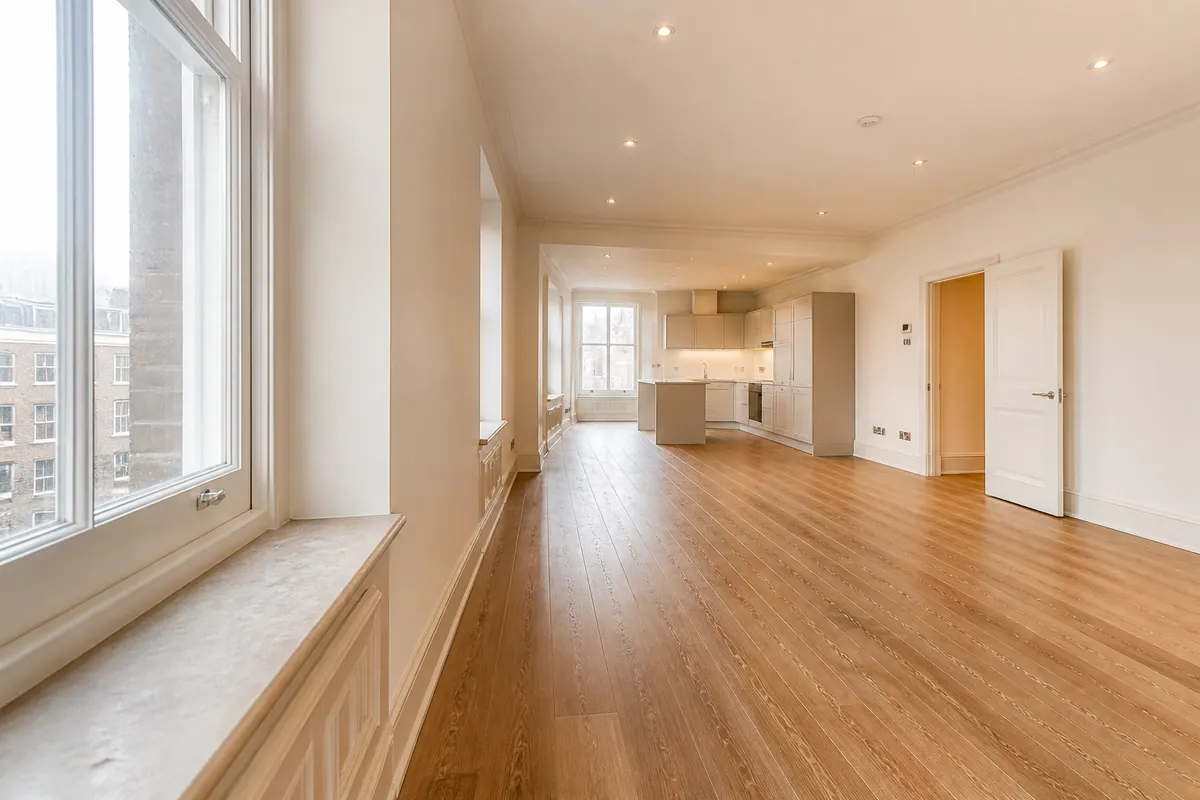
Work completed
Check which rooms are genuinely available.
Twickenham · Furnishing should follow the floor review
Furnishing should follow the floor review.
Keep the agreed areas clear long enough to inspect the finished cleaning work.
A cleared house gives access to edges that will soon sit behind furniture. For your Twickenham enquiry, describe the rooms waiting for furniture deliveries. Discuss floor finish guidance before the clean, not after furniture has arrived.
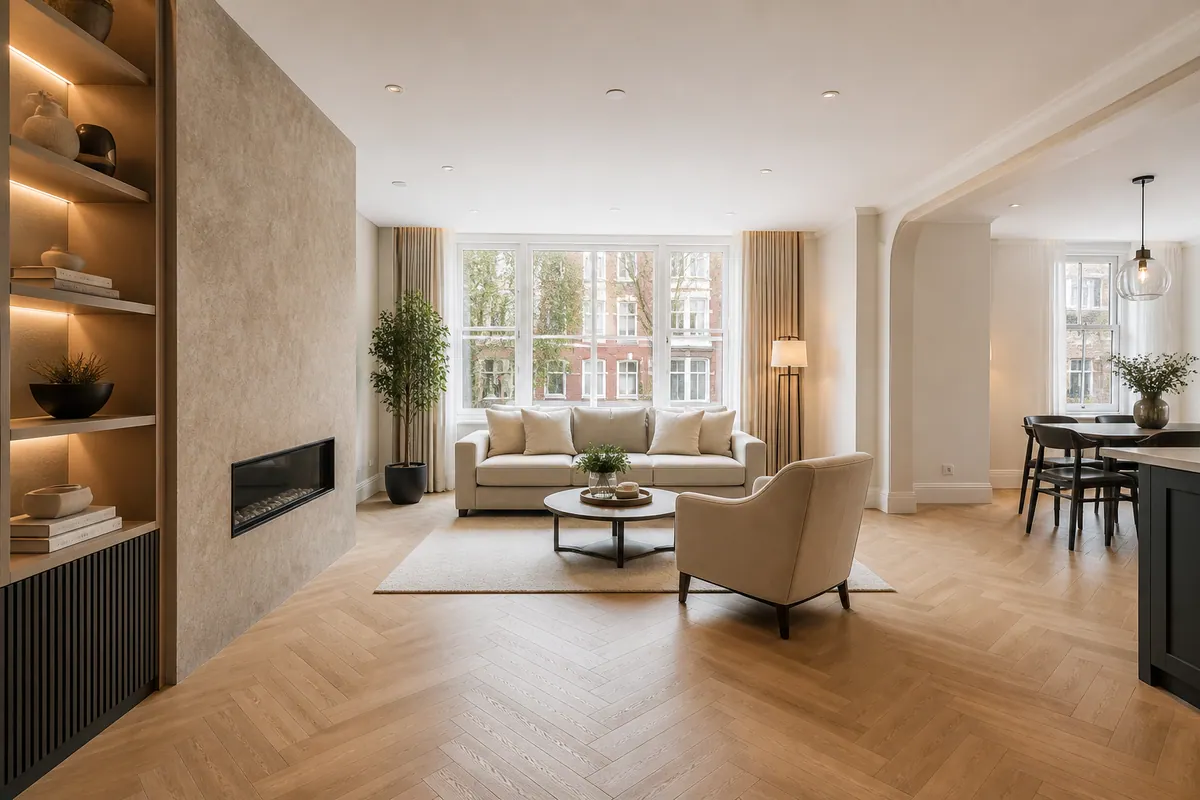
Illustrative renovation scene; no customer job or measured result is represented.
Start with the work
These project types prompt useful questions; choosing one does not book a service or include every possible task.
Explain how the completed rooms connect, particularly where equipment crossed areas that were not themselves renovated.
Beyond the work zone
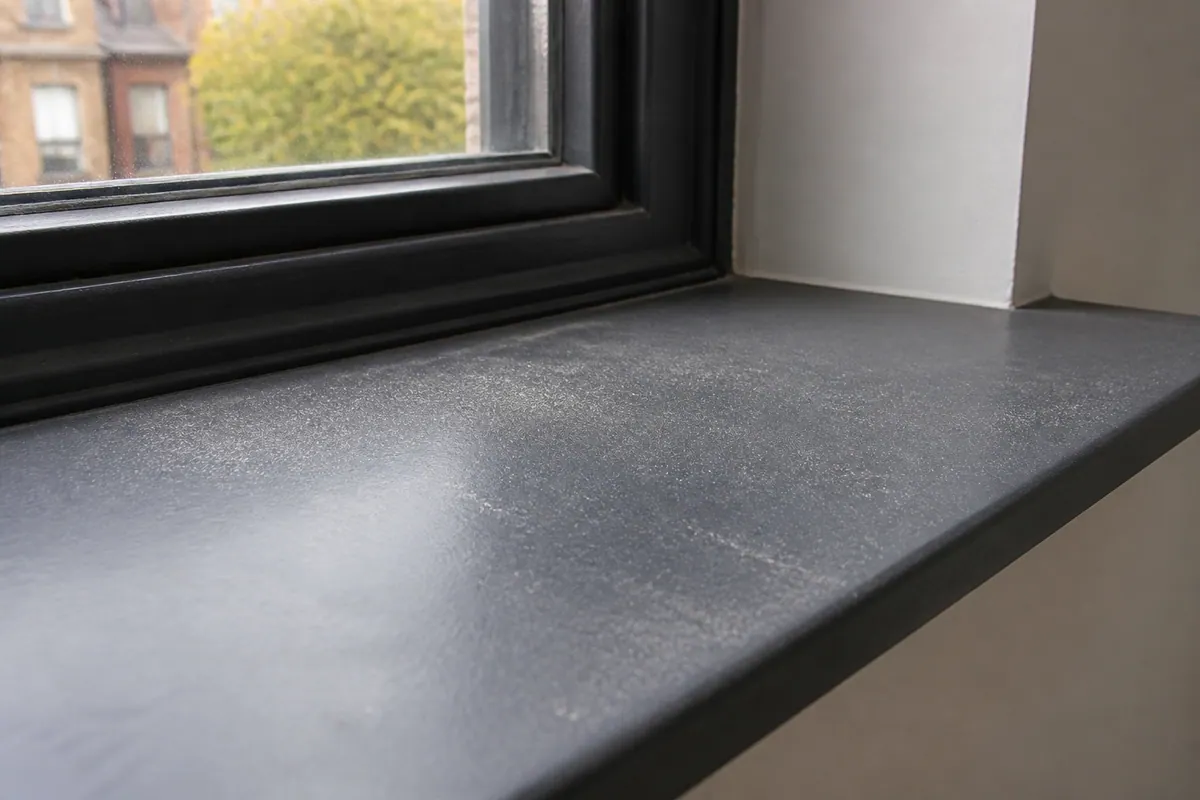
The work area is only the starting point.
Look at the door frame and floor just outside the renovated room. Repeated movement during fitting can leave deposits beyond the obvious work area.
The brief should describe reach and material as well as dust level, allowing suitable removal methods to be discussed.
Tell Alesta about unfinished tasks instead of assuming the clean covers deposits created afterwards.
Twickenham / the specific room brief
A cleared house gives access to edges that will soon sit behind furniture.
Before furniture deliveries begin, inspect the exposed floor perimeter and the space behind each door. Note the timber finish and any fitting marks rather than describing the entire floor as dirty. The quotation can then distinguish accessible dust removal from residue that needs a material-specific assessment.
Discuss floor finish guidance before the clean, not after furniture has arrived. Keep any care notes for new timber flooring available when discussing the visible marks.
Coordinate the equipment route with later delivery arrangements. Keep the agreed areas clear long enough to inspect the finished cleaning work.
A scoped quote
From £29/ hour
Alesta includes materials and equipment for the cleaning; the current price still needs confirmation.
Time can change with fittings, dust and access restrictions. Do not read the starting guide as including every additional service.
| Project | Pricing basis | What to describe |
|---|---|---|
| Smaller refurbishment | From £29/hour; scope confirmed | Finish readiness and access to details |
| Kitchen or bathroom work | From £29/hour; scope confirmed | Separate glass or residue requirements |
| Whole-property renovation | Individual quotation for the renovation | Sequence, size and intended next use |
| Commercial refurbishment enquiry | Availability and scope need review | Premises condition and suitability questions |
Based on Alesta’s published after builders cleaning rate. Building waste removal is quoted separately.
The final-stage sequence
Check which rooms are genuinely available.
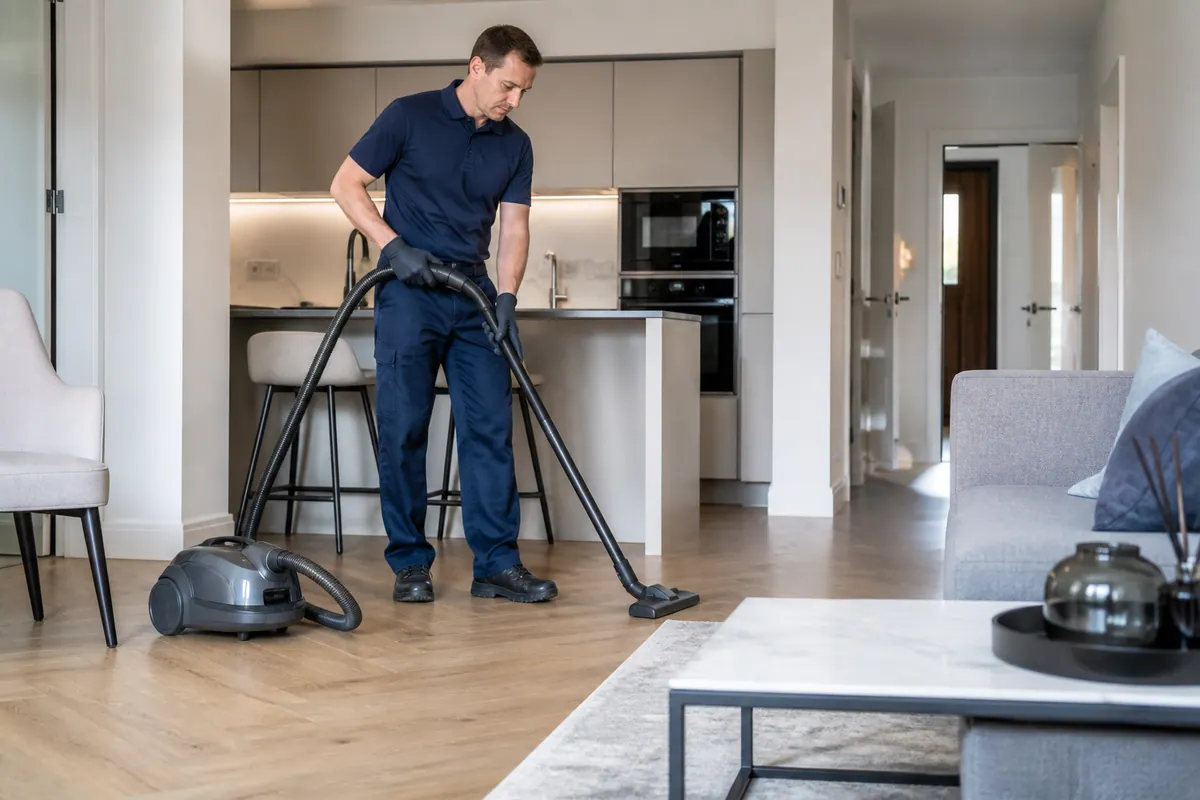
Work through scoped surface and floor tasks.
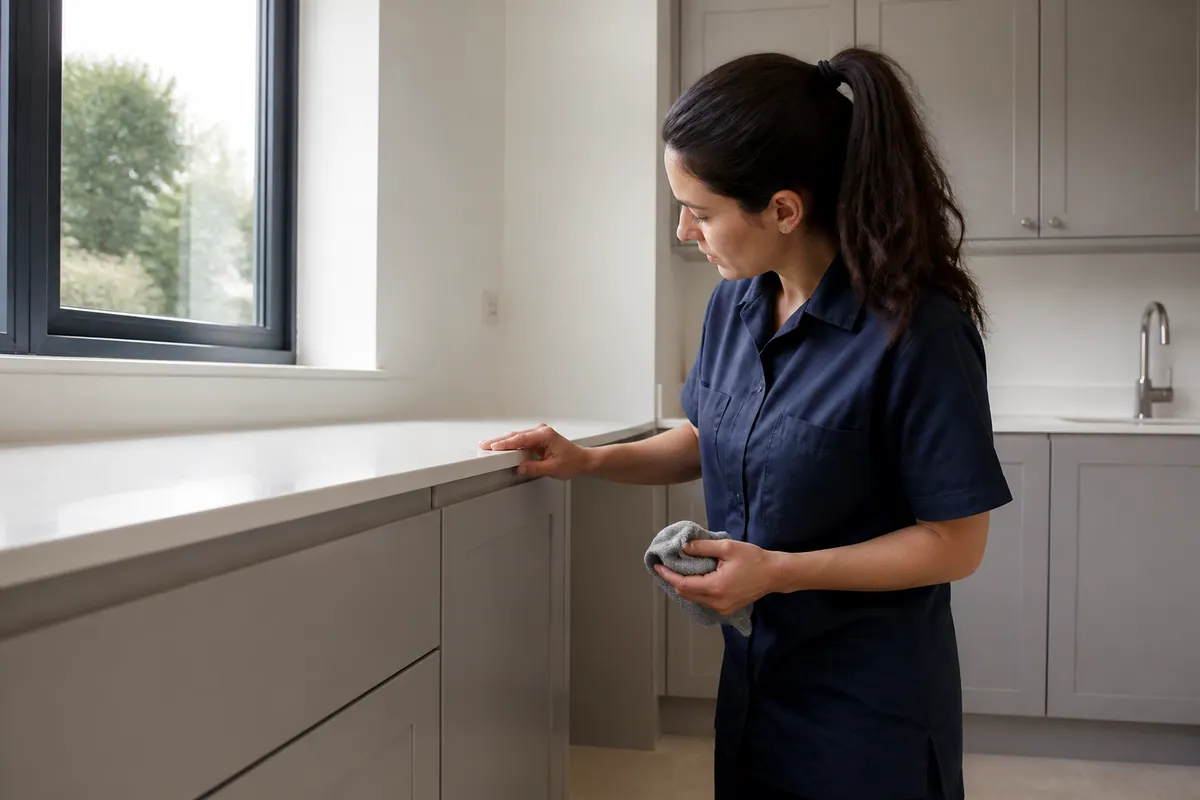
Discuss any limits encountered on delicate surfaces.
Use the review to inform the handover.
This is a visual explanation of stages, not photographic proof of one completed job.
The dust route
Use the illustration to organise questions, not as an inclusive service checklist.
List reachable horizontal details individually where fitted furniture creates extra ledges.
Room edges often need a deliberate check after the larger surfaces look clear.
Name the fixtures affected by the work so their material and accessibility can be assessed.
Explain how dust reached neighbouring rooms; suitable floor care follows the material underneath.
Different issues / different scope
| Post-build issue | Example | How it is approached |
|---|---|---|
| Fine dust | Fine material along the room perimeter | Discuss removal on the accessible surfaces being included. |
| Loose cleaning remnants | Small deposits left across affected surfaces | Coverage depends on the agreed cleaning tasks. |
| Adhesive or labels | Transfer left on a cabinet coating | Installer information may be needed before treatment is agreed. |
| Paint, plaster or cement spots | Visible spotting after wet trades | A difficult spot may remain if removal is unsuitable. |
| Protective film | A fitting still wearing its protective layer | Ask the installer and Alesta before treating this as waste. |
Two separate jobs
List the surface tasks still required after tools and loose materials have been removed.
Timber offcuts and building materials are different from dust. Ask about a separate clearance scope.
Discuss building waste disposal ↗Different project briefs
Note deposits beyond the renovated room before calling the property ready for occupation.
List new fittings alongside their care notes, not under one generic surface label.
The bathroom can be installed yet still waiting for a product’s drying period.
Group the agreed rooms by readiness, not only by floor level.
Give the keyholder details alongside the rooms released after works.
Ask whether the particular fit-out can be accommodated rather than assuming a contractor agreement.
A useful distinction
Builder stage
Cleaning stage
Room-by-room brief
Explain where fitting dust remains around the units. Internal storage and specialist marks should not be silently added.
The bathroom list should identify grout residue rather than treating every pale deposit as loose dust.
Check reachable frames and floors, and mention any dust inside storage rather than assuming it is included.
The seating space can receive dust from adjoining work; describe the accessible surfaces around retained furniture.
Protect the new finish
Illustrative surface review.
Protecting the finish can mean leaving a difficult mark for assessment.
Installer instructions help establish what contact cleaning is appropriate. Where guidance is missing, flag that uncertainty rather than guessing the product.
Ask the decorator when the coating can be cleaned, not only when it feels dry.
Identify whether a specialist finish changes the proposed cleaning method.
Point out delicate hardware rather than grouping it under general dust.
At a glance
Build your brief
Outline the work and the rooms it affected.
Use the local summary to prepare for contact; you still need to send an enquiry separately and confirm the proposed service.
Further assessment may be needed for difficult deposits, unusual materials or extras. The planner cannot settle those questions or the final price.
Discuss the brief: 020 3608 3976Who is planning the handover?
Explain which parts of the home are ready to be released and what you plan to do with them after the cleaning review.
Explain what was changed and who can approve the scope before promising a cleaning outcome to an incoming occupant.
Share the practical site details so availability and coordination can be discussed for that particular enquiry.
Glass after renovation
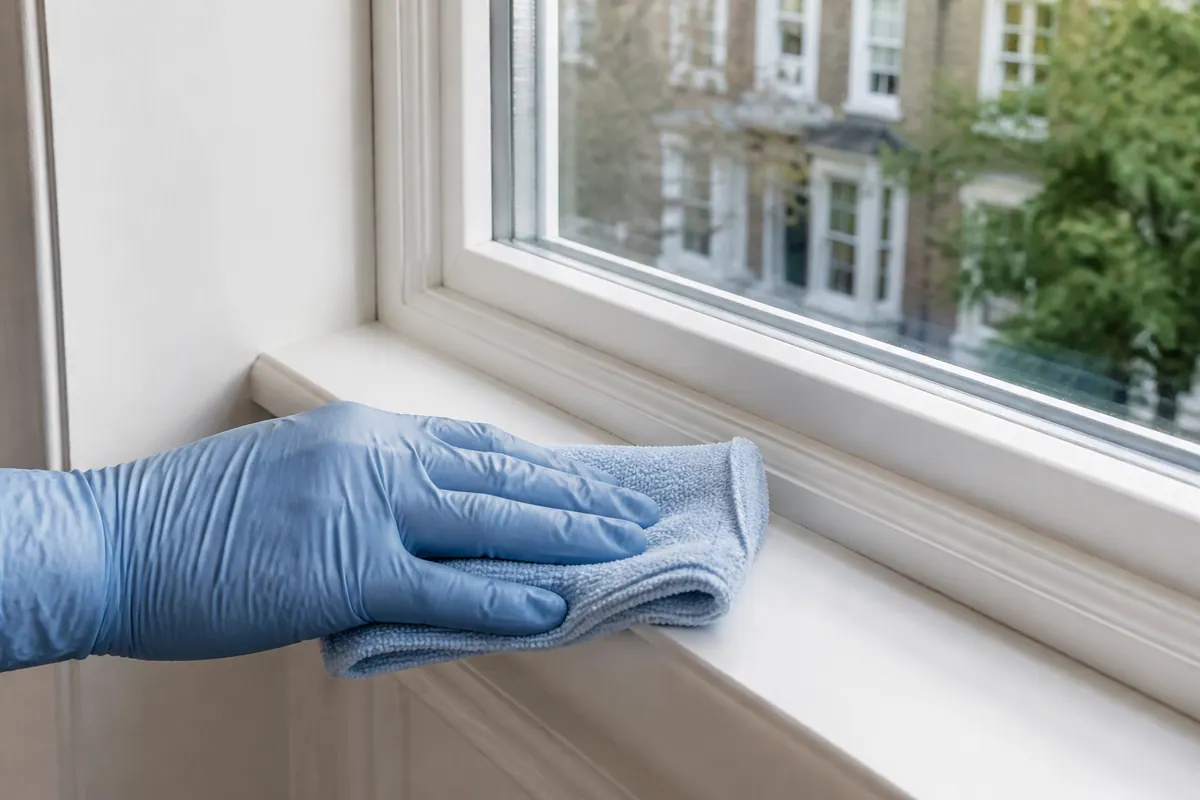
Specify the glazing you mean, including height and whether the request concerns its inside, outside or frame.
Hardened paint or cement requires assessment. A normal window-clean request cannot guarantee removal from every glazing surface.
Plan separate window cleaning ↗Service-area planning
Use the map to locate the Twickenham service area, not an Alesta branch. Provide the actual address when asking about access and appointment availability.
For another nearby area, contact Alesta through the main after builders service to confirm coverage and availability.
Before the appointment
Use the renovation as the starting point, then describe the detail it left behind. A room name alone does not explain whether the work affected exposed ledges, fittings or nearby circulation. A cleared house gives access to edges that will soon sit behind furniture.
Access means the whole journey to the agreed rooms, including any shared entrance or internal obstruction. Give the contact details needed to arrange entry; no separate local office is implied. Coordinate the equipment route with later delivery arrangements.
Explain the surface history and any existing damage. The clean should not be expected to change its original colour, wear or texture. Discuss floor finish guidance before the clean, not after furniture has arrived.
If the passage carried tools, inspect its accessible ledges and edges. Ask whether those tasks belong in the visit. Here, inspect the rooms waiting for furniture deliveries.
A scope-based quotation follows the published £29 hourly starting guide. Confirm the rate and requirements directly; equipment and materials for cleaning form part of the service.
If the project schedule changes, raise it before the cleaning date. Ready surfaces, clear access and an end to dusty work all affect the arrangement.
Building materials are a separate service question. Explain whether timber, rubble or boards remain before assuming the room is accessible for its finishing clean.
List carpeted areas and the particular glass faces as separate requests. Explain construction deposits on the glazing and any access limits. Alesta can confirm availability and suitable scope before the visit; neither extra is assumed within the general finishing clean.
Explain when the room is needed and what remains to be done. Alesta still needs to review the scope before timing can be agreed. Keep the agreed areas clear long enough to inspect the finished cleaning work.
A final review should distinguish untreated specialist residue from ordinary dust. Damage or staining may need a different service, not repeated cleaning.
Your project / the final clean
The useful starting point is what remains after the trades: deposits, accessible detail and any separate issues. Ask for a scope discussion.
