
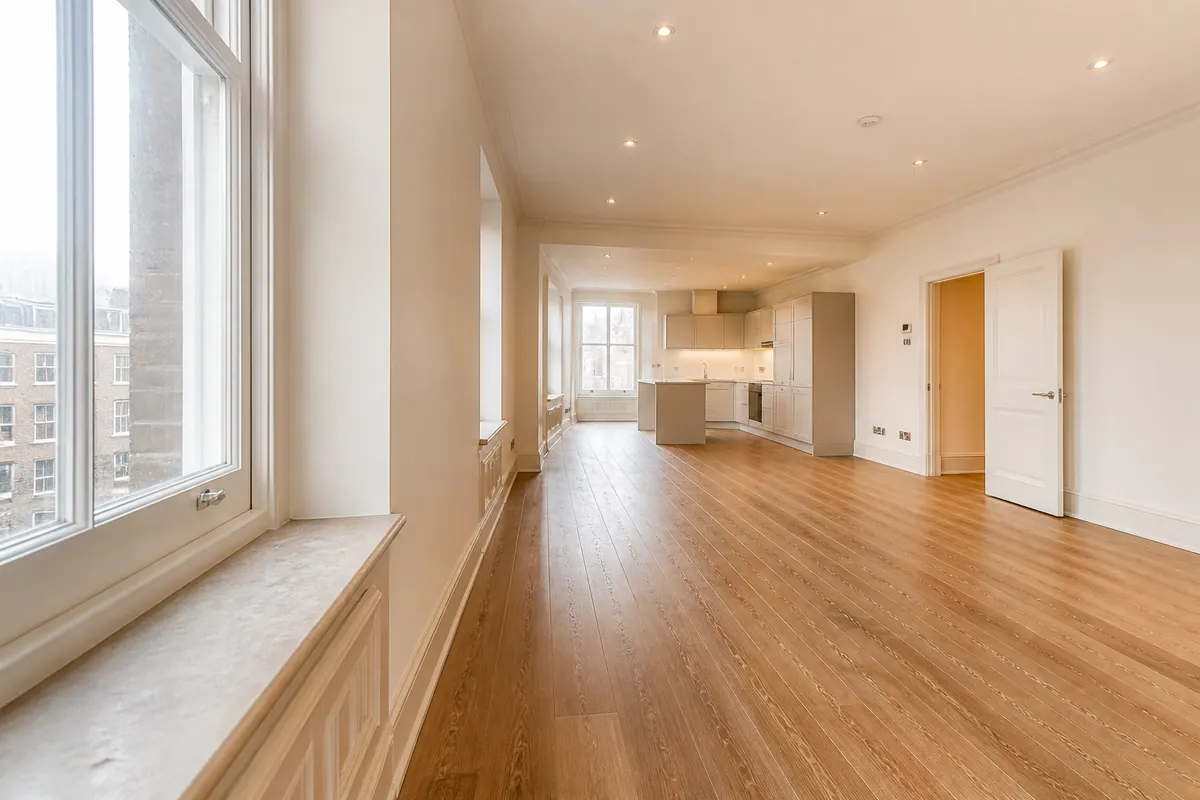
Work completed
Dust and residue remain; identify the affected rooms.
Westminster · The final stage of the project
The renovation is finished.
Now let the room feel finished.
New joinery, a refitted bathroom, freshly decorated rooms: the last trade can leave long before the fine dust does. Plan a finishing clean around your Westminster property’s surfaces, access and next use.
Illustrative project view, not a live customer job.
Start with the work
Choose the closest project. These are planning considerations, not an automatic checklist or confirmation of availability.
Connect the room list to the route through the property. Include adjacent rooms where fine dust has settled and identify finishes that need particular care.
Beyond the work zone
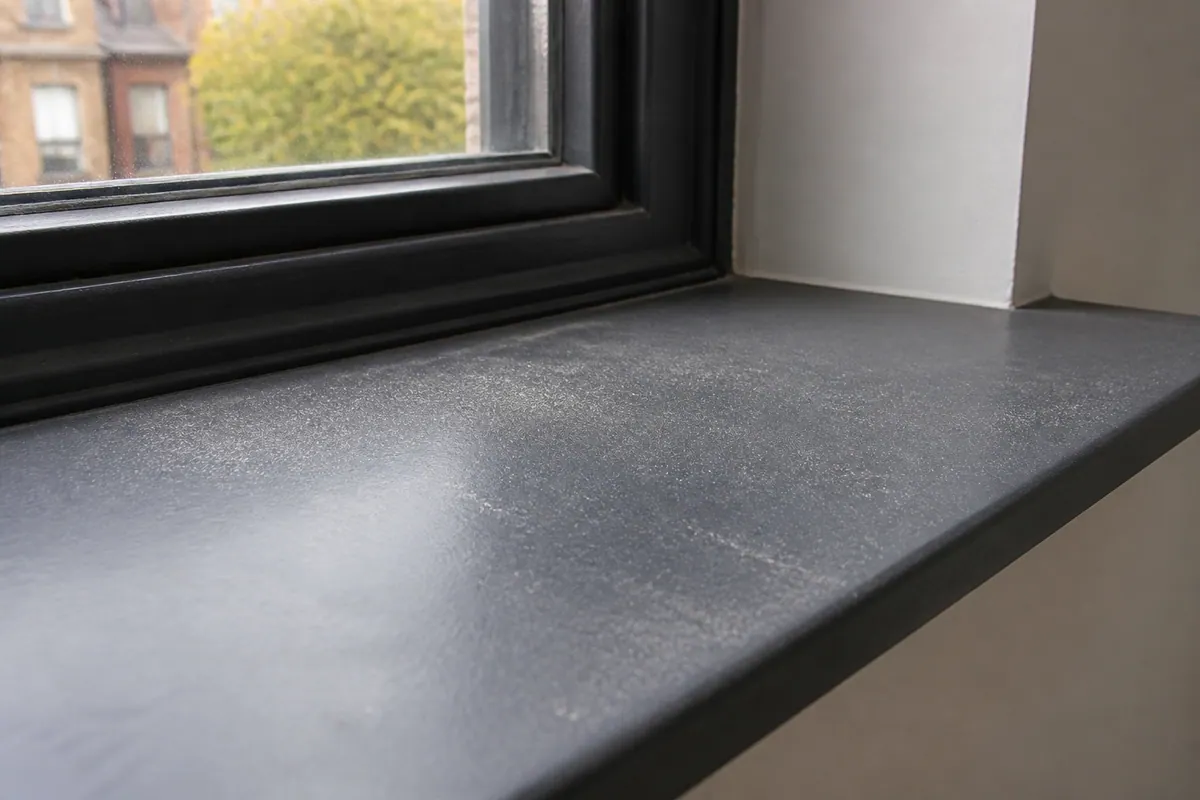
Follow the dust, not just the building work.
A kitchen refurbishment may leave residue on the hall floor, door frames and nearby fittings. A decorating project can affect ledges and other horizontal surfaces outside the room itself.
Show Alesta where dust is visible and which rooms were protected during the work. The cleaning brief can then follow the affected areas, with suitable vacuuming, microfibre materials and surface-appropriate products.
Cleaning is planned after dusty work stops. If trades return, tell us before the visit so the sequence can be discussed.
A Westminster handover
For a central London flat, the appointment starts before the front door.
In a Westminster apartment or mansion block, a keyholder, shared entrance and lift arrangements can shape the visit. Confirm who admits the team, whether a lift needs booking and where equipment can be brought in.
For a period-property refurbishment, put newly painted joinery, stone and timber on the surface list. A kitchen or bathroom refit may need a more focused brief, but the corridor used by trades should still be checked for settled dust.
Share any building-specific loading restrictions and the intended handover date. We use this information to discuss access and scope, not to assume parking permission, a local branch or a guaranteed completion slot.
A scoped quote
From £29/ hour
Equipment and cleaning materials are included. Confirm the current rate and expected scope before proceeding.
Rooms, dust level, surface condition, access and time required affect the final price. Specialist treatment, window work and building waste are not automatically included.
| Project | Pricing basis | What to describe |
|---|---|---|
| Smaller refurbishment | From £29/hour; scope confirmed | Affected rooms, dust and finishes |
| Kitchen or bathroom work | From £29/hour; scope confirmed | Fittings, visible residue and access |
| Whole-property renovation | Detailed quote around the agreed work | Size, condition and time required |
| Commercial refurbishment enquiry | Suitability and quote to be confirmed | Premises, access and intended handover |
Based on Alesta’s published after builders cleaning rate. Building waste removal is quoted separately.
From work complete to next use
Dust and residue remain; identify the affected rooms.
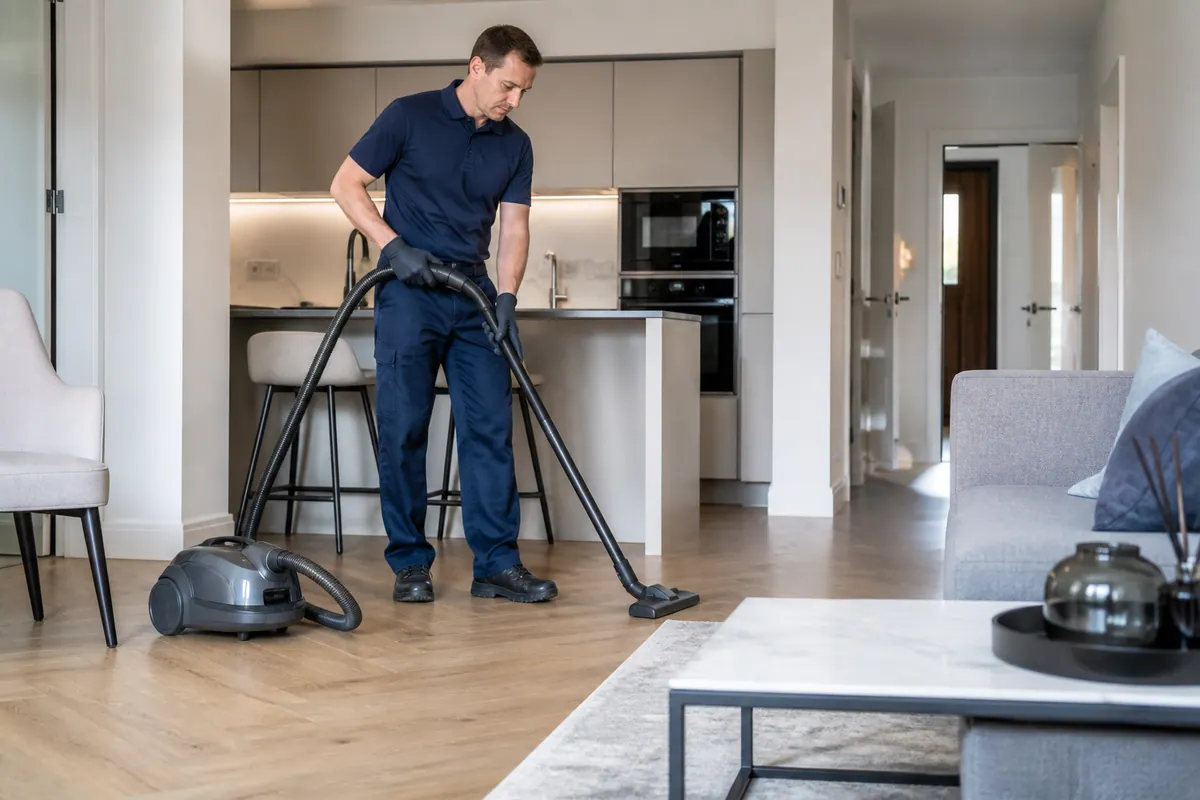
Work systematically through the agreed accessible areas.
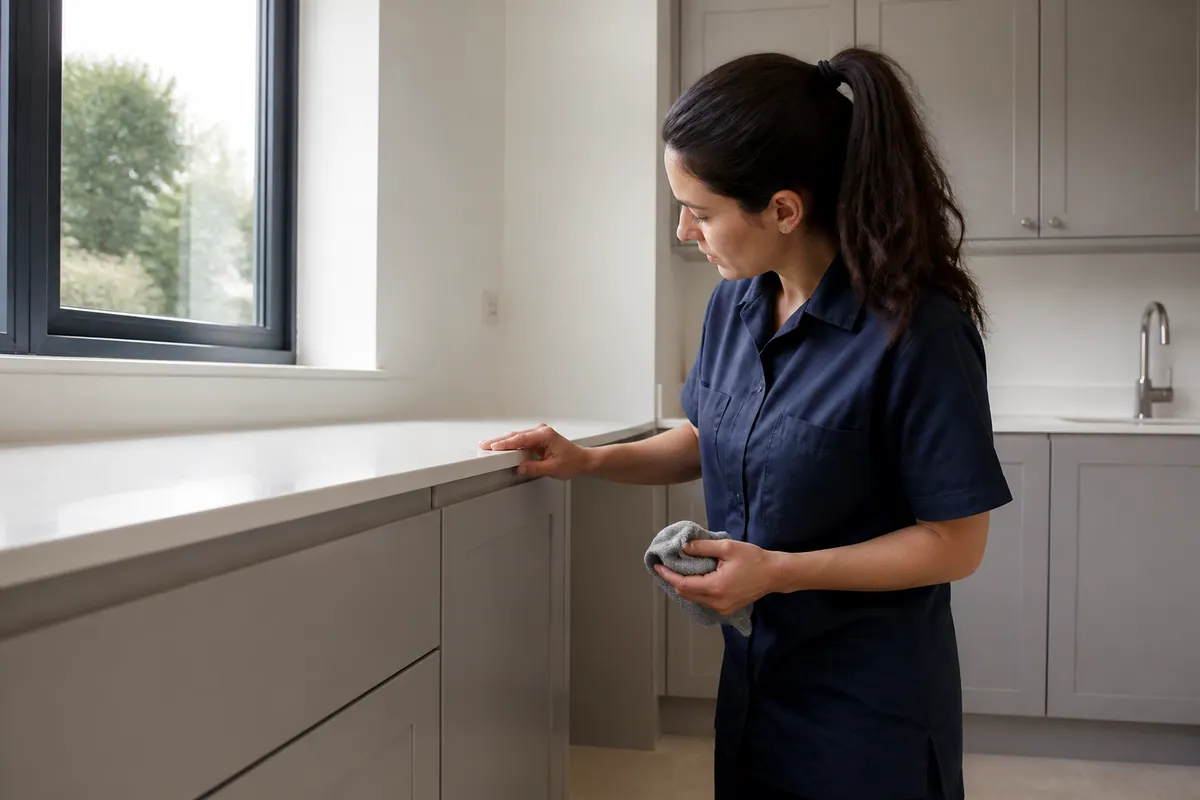
Discuss completed priorities and remaining limitations.
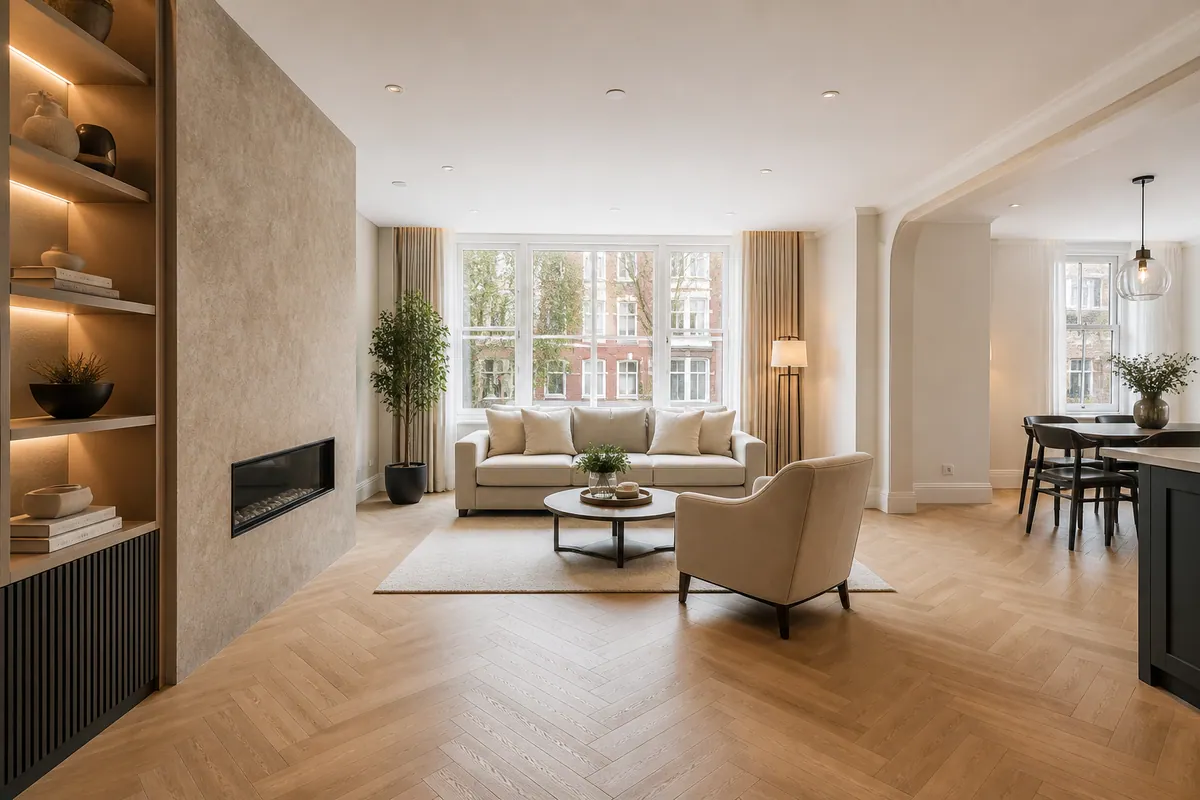
Move towards furnishing, occupation or handover.
Illustrative stages, not before-and-after evidence of the same property or a guaranteed result.
The dust route
A schematic guide, not a floor plan of a customer’s home. Accessible areas are included according to the agreed scope.
Window ledges, external cabinetry and accessible higher or lower surfaces.
Doors, skirting, corners and the floor perimeter where dust gathers.
Accessible fittings, radiators and sanitary areas in the agreed room list.
Suitable floor cleaning and checking the route beyond the renovated area.
Different issues / different scope
| Post-build issue | Example | How it is approached |
|---|---|---|
| Fine dust | Ledges, frames and surfaces | Detailed removal within the agreed accessible areas |
| Loose cleaning remnants | Small dust and ordinary residue | Included where part of the cleaning scope |
| Adhesive or labels | Marks on new fittings | Identify first; safe treatment and inclusion must be confirmed |
| Paint, plaster or cement spots | Localised surface marks | Assess the finish before treatment; full removal is not guaranteed |
| Protective film | Film on a newly fitted item | Discuss with Alesta and check installer guidance; not assumed included |
Two separate jobs
The agreed clean focuses on surfaces, fittings, floors and remaining post-work detail.
Timber, plasterboard, rubble and large packaging need a separate waste discussion, including type, volume and access.
Discuss building waste disposal ↗Different project briefs
Include the entry route and adjoining rooms, not just the space where the trades worked.
List the new worktops and cabinetry, and identify any marks before a cleaning method is agreed.
Check curing guidance for sealants and describe tile, sanitaryware and fitting detail.
Work from a room list, with new finishes and any specialist residue clearly flagged.
Separate the post-build scope from any tenancy checklist and set out the intended handover.
Ask about suitability and access first; commercial availability and contractor coordination require confirmation.
A useful distinction
Builder stage
Cleaning stage
Room-by-room brief
External cabinetry, fittings and suitable floor cleaning. Identify new worktops, appliance exteriors or any additional detail you want assessed.
Tiles, sanitaryware, fittings and floors in the agreed scope. Flag glass, grout residue and newly applied sealants.
Accessible surfaces, door frames and floors; mention any dust that has travelled into wardrobes or protected areas before adding work.
Fittings, doors, ledges and flooring. Internal glass and specialist surfaces should be explicitly discussed.
Protect the new finish
Illustrative surface review.
The material decides the method.
Share care information from the installer. Aggressive products or scraping can damage a new finish; a difficult mark is not a reason to ignore the surface underneath.
Wait until dry according to product guidance.
Identify the material and any specialist treatment requirements.
Point out coatings, delicate finishes and existing marks before work.
At a glance
Build your brief
Five details make the first conversation more useful.
Use this private planning tool to outline the property. It does not calculate a price, reserve a visit or send information to Alesta.
Windows, unusual surfaces, residue and separate waste can change the work required. Alesta confirms suitability, time and price after discussing the actual condition.
Discuss the brief: 020 3608 3976Who is planning the handover?
Explain when you want to return to normal use and which new finishes need care. Keep the room list focused on the building work.
Share the refurbishment scope, keyholder details and intended handover. Do not assume this clean includes a separate tenancy checklist.
Ask Alesta about coordination for the specific project. Describe remaining works and access; commercial agreements and site requirements need confirmation.
Glass after renovation
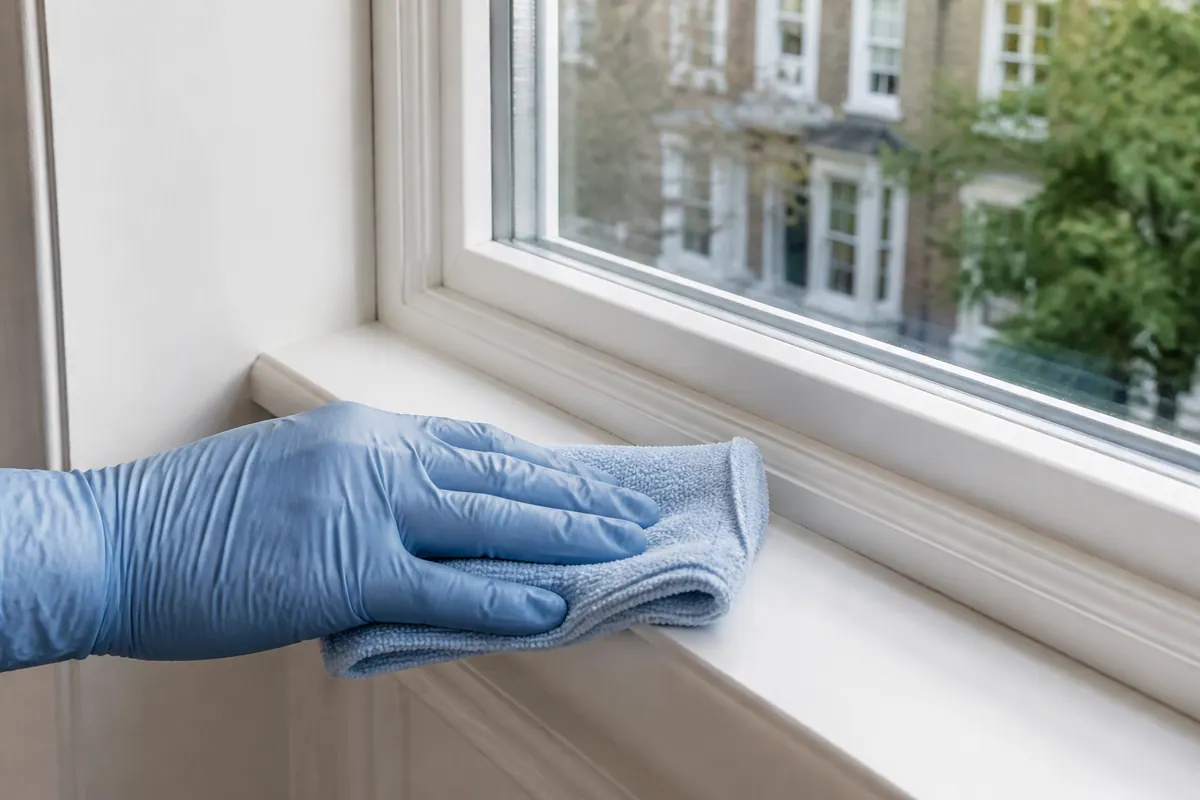
Accessible internal glass is not the same brief as exterior windows or specialist access work. Tell Alesta which faces, frames and heights are involved.
Paint, plaster or cement on glazing should be assessed before treatment. A standard window clean is not a promise to remove hardened construction material.
Plan separate window cleaning ↗Service-area planning
Westminster is the service area for this page, not a separate Alesta office. Give the property address and access details when discussing your appointment.
For another nearby area, contact Alesta through the main after builders service to confirm coverage and availability.
Before you arrange the visit
Give Alesta both dates and explain whether any trades will return. Availability and the work required must be confirmed; allow for finishes to dry and for dust-producing work to stop before the clean.
Explain who grants entry, any lift booking arrangements and the route to the flat. Pass on relevant building rules and loading restrictions so access can be considered before the appointment.
Describe any visible dust beyond the work zone. A hallway or adjoining room may need attention even if the building work itself was confined to the kitchen; include it in the agreed room list.
Tell Alesta the material and provide any installer or manufacturer care guidance. Methods should suit the surface, and some marks may need specialist assessment rather than routine cleaning.
Do not assume this is included. Identify the labels or film and the surface underneath so removal can be discussed, including any installer instructions or risk to the finish.
Where rubble, boards or bulky packaging obstruct the agreed areas, arrange their removal separately. Alesta can discuss building waste disposal as a different service; it is not part of the standard cleaning scope.
Let Alesta know which rooms may be disturbed again. A later trade visit can leave fresh dust or marks, so agree the timing rather than assuming a single visit will cover subsequent work.
No. It is the published starting hourly rate, not a flat-price package. Confirm the current rate, expected work and any separately quoted extras before proceeding.
Explain that refurbishment has taken place and specify the affected areas and handover priorities. This is a post-build clean, not an assumed end-of-tenancy checklist or deposit guarantee.
Discuss the premises and proposed coordination directly with Alesta. Commercial suitability, timing and any contractor requirements need confirmation; this page does not promise a standing contract or site certification.
The limitation should be identified rather than covered by a blanket removal promise. A specialist treatment may need a separate quote, or the finish may require advice from its installer.
Your project / the final clean
Tell Alesta what has changed, where the dust remains and when the property needs to be used. The next step is an agreed scope, not an assumed package.
