
How to Tell If You Have Bed Bugs or Fleas
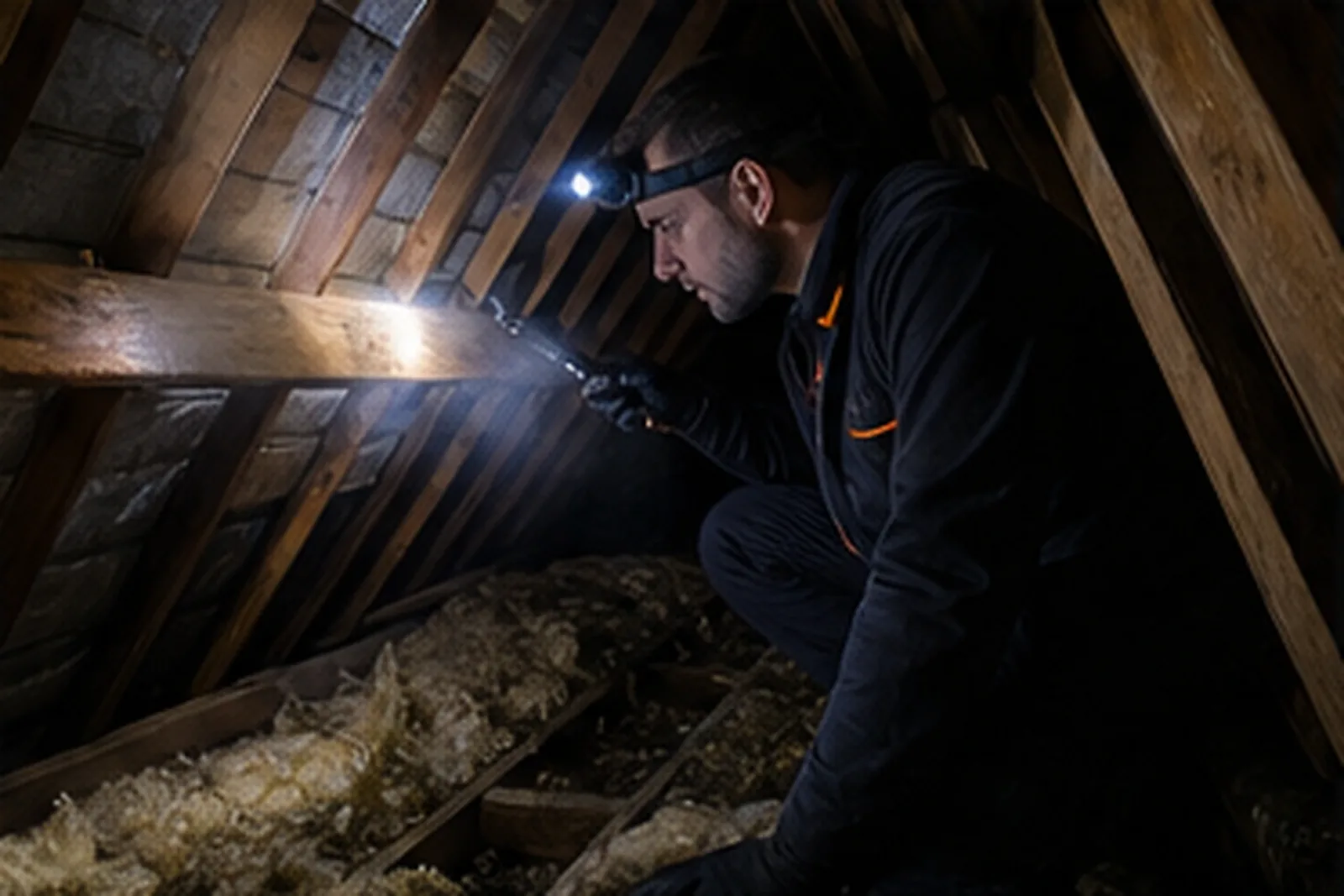
You cannot reliably tell bed bugs from fleas by bites alone. The useful evidence is where the insects are found and what they leave behind. Bed bugs usually hide in mattress seams, bed frames, headboards and nearby furniture, leaving dark faecal spots, pale cast skins and eggs. Fleas are more closely linked to cats, dogs, animal bedding and floor-level activity; adults jump quickly. Capture a specimen with clear tape or in a sealed pot before applying insecticide.
A ten-minute bedroom inspection
Use a torch and a white sheet or large piece of paper. Strip bedding slowly onto the sheet so that anything dislodged can be seen. Examine piping, labels and tufts on the mattress, then screw holes, joints and the rear of the headboard. Bed-bug spotting looks like black ink dots that may bleed slightly on absorbent material. Cast skins resemble translucent insects; eggs are tiny, pale and fixed into sheltered crevices.
Do not carry the mattress through the home. Movement can drop insects and turn one sleeping area into several. If evidence is found, photograph it in place with a coin for scale, then bag bedding in the room before taking it to the washing machine.
Run the flea checks where pets spend time
Comb a pet over damp white kitchen paper using a proper flea comb. Dark grains that dissolve into reddish-brown marks may be flea dirt, but a veterinary professional should advise on the animal. Never use a household insecticide, essential oil or dog flea product on a cat. Product suitability depends on species, age, health and weight.
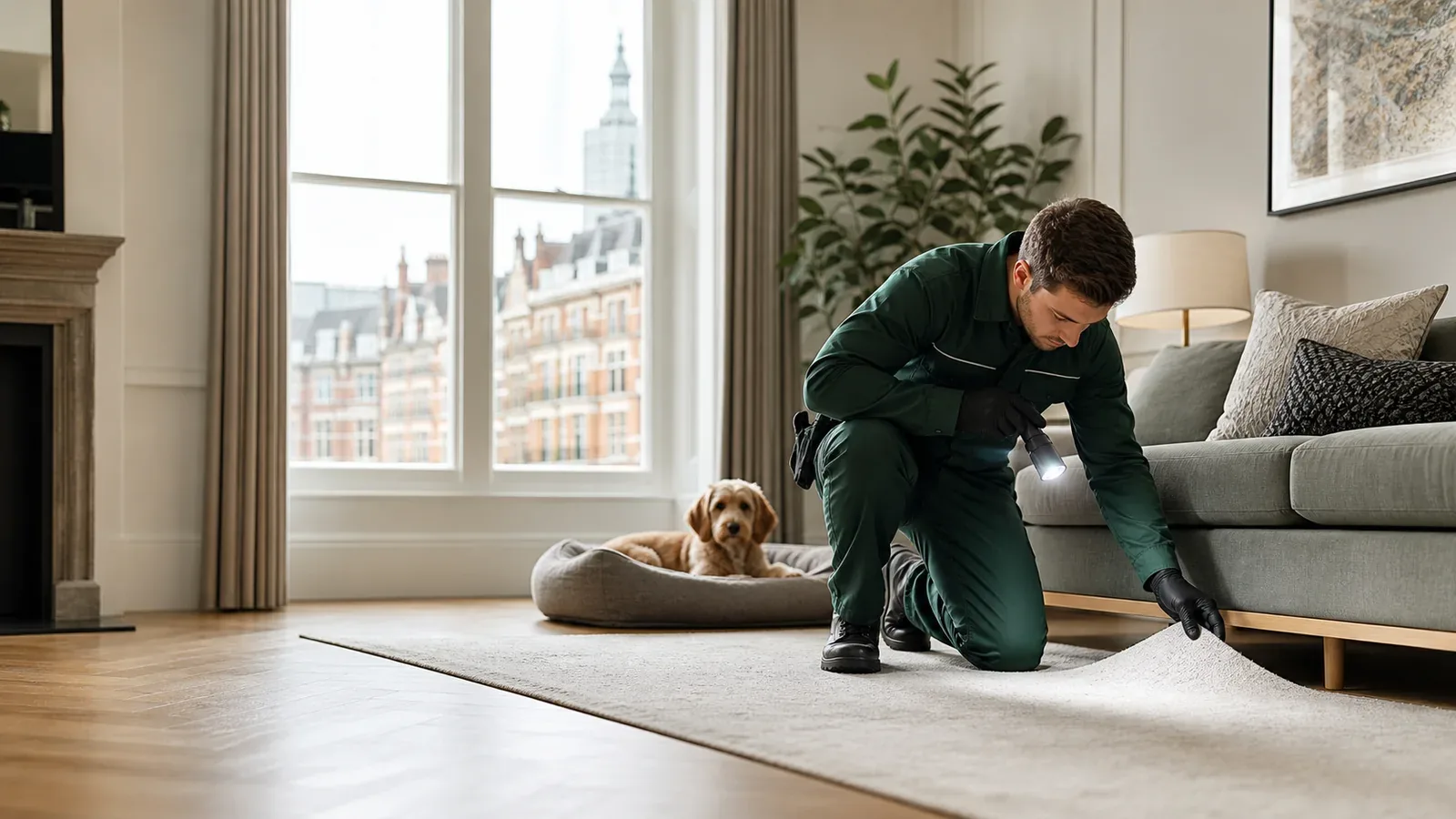
For the room, pull long white socks over your trouser legs and walk slowly around pet bedding, sofa edges and carpeted thresholds. Fleas may jump onto the white surface and become visible. Place monitoring traps where children and animals cannot interfere with them. A positive floor-level catch supports fleas; it does not rule out bed bugs elsewhere.
Why the bites overlap
Both pests can produce itchy red marks, clusters or lines. Reactions vary between people, can appear hours or days later, and may be absent entirely. Marks around ankles are often associated with fleas, while exposed arms and shoulders are commonly discussed with bed bugs, but clothing, sleeping position and individual response break those rules. Other insects, dermatitis and allergies can also resemble bites.
Seek medical or pharmacy advice for severe swelling, infection, breathing difficulty or uncertainty about a rash. Pest control treats an environmental infestation; it does not diagnose a skin condition.
Evidence table: what carries the most weight?
| Evidence | Bed bugs | Fleas |
|---|---|---|
| Live adult | Flat, oval, crawling; cannot jump | Narrow-bodied and jumps rapidly |
| Typical search zone | Bed frame, mattress edge, headboard, bedside furniture | Pet bedding, carpets, upholstery and floor cracks |
| Other traces | Dark spotting, cast skins, fixed pale eggs | Flea dirt on pet or bedding; larvae hidden at floor level |
| Host connection | People are enough; pets are not required | Often associated with an untreated animal host or wildlife |
A crushed or blurred photograph can still be ambiguous. A pest identification visit is worth arranging before treatment when the evidence does not agree.
Do not “test” the theory with a fogger
Total-release aerosols distribute product through open air but do not reliably reach deep harbourages. Repellent sprays can drive bed bugs further into furniture or adjoining rooms and contaminate surfaces. Flea control also fails when it ignores eggs and larvae in the environment or when pets are not treated on veterinary advice at the same time.
Vacuuming is useful evidence-preserving housekeeping, but empty the machine immediately into a sealed bag outdoors. It is not a complete treatment. Steam can kill exposed stages when temperature, speed and material are controlled; casual use may scatter insects, damage finishes or leave dampness without reaching the hiding place.
Laundry without spreading the infestation
Bag washable items in the affected room. Transfer them directly into the machine and use the hottest wash or tumble-dry setting each care label safely permits. Heat-sensitive belongings need another assessed route; do not ruin them in pursuit of a universal temperature rule. Put processed items into fresh sealed bags and keep them separate from unprocessed belongings.
For confirmed bed bugs, review the preparation instructions supplied by the bed bug treatment team. Over-clearing can remove harbourages into other rooms, while under-preparation can block access. Follow the actual treatment plan rather than a generic internet checklist.
What confirms fleas?
A captured jumping adult, flea dirt found during combing and activity concentrated around an animal’s resting places create a stronger flea case. Ask a vet about every pet, even one that seems unaffected. Wildlife in a loft, chimney or under a floor can sometimes maintain fleas after a pet has been treated. The environmental service then needs to address the relevant rooms and life cycle.
Alesta’s flea control service is the more precise destination once flea evidence is established. Tell the technician which animals live or visit there, what veterinary products were used and on what dates, and where monitors caught adults.
Decide from evidence, not bite geometry
If you find bed-frame spotting and a crawling specimen, preserve both. If the flea comb and floor test are positive around a pet, coordinate veterinary and environmental action. If neither produces evidence, continue monitoring rather than treating both possibilities blindly. Correct identification protects people, pets, belongings and neighbouring rooms from unnecessary pesticide and disruption.
Flats and shared buildings need containment
Tell the managing agent if confirmed insects may have travelled through shared furniture, laundry rooms or adjacent units. This is not an invitation to announce a neighbour’s private health information. It is a practical request for coordinated inspection where building layout makes isolated treatment unlikely to succeed. Do not leave an infested mattress in a corridor or beside communal bins.
If disposal is recommended, wrap the item before moving it and clearly mark it so nobody takes it home. Destruction should follow local waste arrangements. Replacement furniture bought before control is complete provides fresh harbourage and does not solve either pest. Identification, treatment and follow-up monitoring come before an expensive bedroom refit.
Follow-up evidence matters after treatment
Agree how long monitors remain, when rooms can be re-entered and what activity should be reported. Finding one sluggish insect immediately after a visit may not mean failure; finding fresh eggs or increasing captures later needs the provider’s follow-up route. Do not add retail pesticide between visits unless the technician approves it, because it can interfere with residual treatment and obscure the result.
Keep a log with date, room, trap location and specimen. Empty squares are useful too: they show where activity was not detected. This record gives the pest professional evidence that can change placement, scope and the need to inspect adjoining areas.
