
Stone surfaces
Share the stone’s care instructions and flag uncertainty about what the finish tolerates.
Barnes / Care around daily living
Keep the quiet room quiet
When someone needs an undisturbed room in Barnes, the cleaning order should acknowledge that from the start. Name a space that is available first and explain whether the quiet room can be entered later.
Kitchen · Bathroom
Living areas · Bedrooms
Routine planner
Start by describing the household rather than guessing how many tasks fit. The summary is a planning note, not a quotation.
Material guidance
Do not assume similar-looking surfaces tolerate identical products. Explain the finish and any care guidance you have.
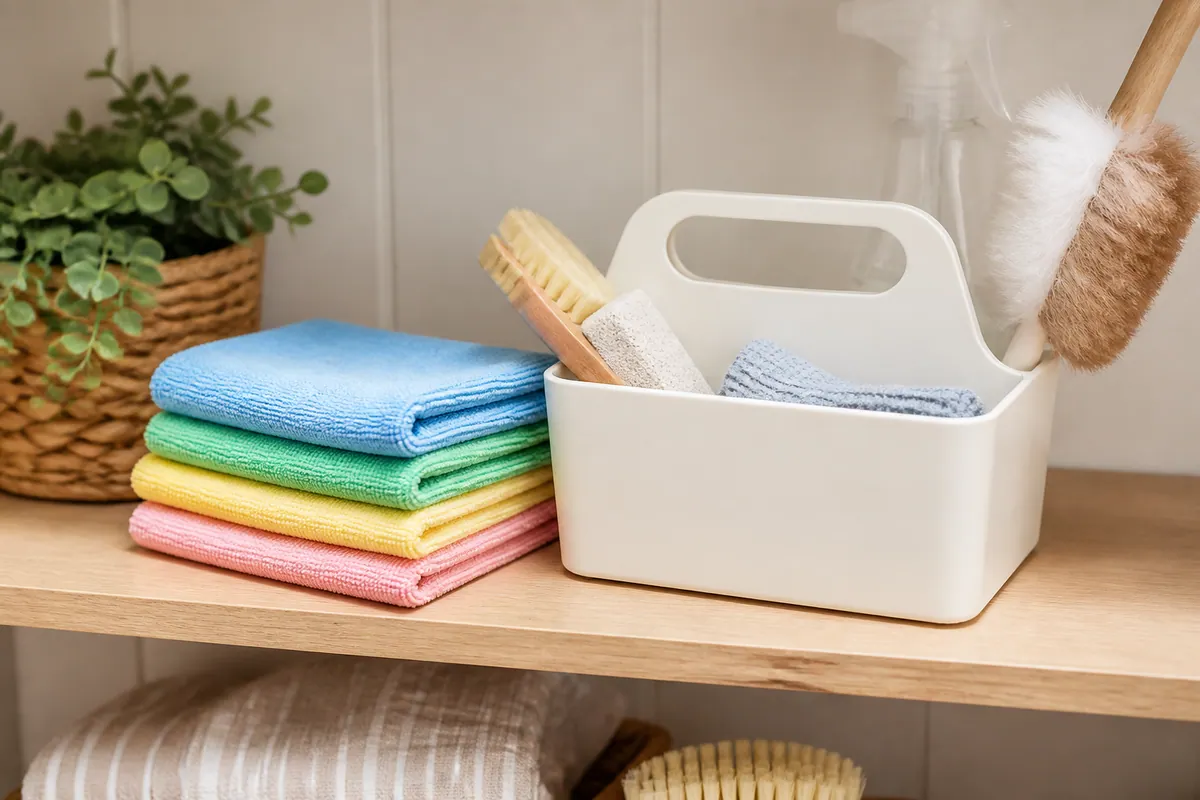
Share the stone’s care instructions and flag uncertainty about what the finish tolerates.
Share timber-care guidance; the amount of moisture cannot be assumed suitable for every finish.
Explain which pieces are lacquered and whether their care instructions limit products.
List the accessible steel areas to be maintained without implying an internal appliance clean.
Existing paint damage should be recorded in the discussion, not mistaken for removable dirt.
Barnes / household planning
When someone needs an undisturbed room in Barnes, the cleaning order should acknowledge that from the start. Name a space that is available first and explain whether the quiet room can be entered later.
A clear access window is more useful than hoping a cleaner will spot a convenient moment.
The same approach works for a bedroom in use or a room occupied for study. Do not include it in the time estimate without explaining the restriction.
Agree whether the unavailable room is part of this appointment at all. A later access window is useful only if it falls within the confirmed visit.
Keep personal belongings out of the alternative starting area. The cleaner can then follow the room plan without deciding where the household should store things.
Practical access
Explain the authorised entry arrangement and how keys are returned, without sharing it publicly.
Ask the building contact how access is approved; do not assume a cleaner can simply be admitted.
Explain the authorised alarm steps through a private conversation with the team.
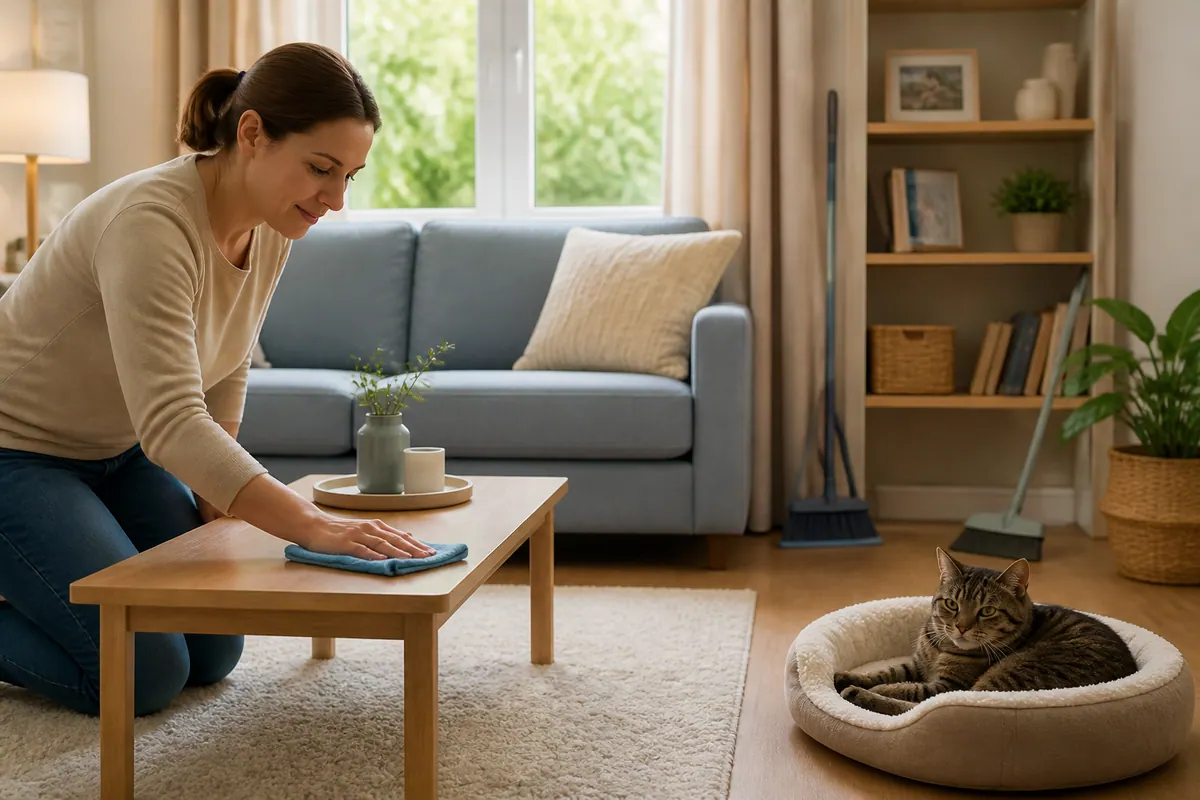
Pet boundaries should be settled before arrival, including which spaces are unavailable while the animal is there.
Tell the team which room cannot be interrupted so another area can lead the appointment.
Flag practical vehicle-access restrictions early instead of leaving them for arrival.
Explain which rooms are outside the brief and what belongings should not be handled.
Before confirming, check how the room priorities and material needs will be handled and clarify any separate service.
Price guides
Check the proposed coverage before comparing rates. These guides do not fix a total for the address.
| Service | Price | Main factors |
|---|---|---|
| Regular domestic cleaning | From £20/hour | Visit minimum, household size, product provision and postcode |
| First / one-off domestic visit | From £90 | How much catch-up is needed and which areas lead |
| Specialist / intensive scope | Priced after a separate discussion | Intensive work, sensitive materials or another service |
Describe the property’s size and upkeep needs, how often you want help, and any parking or entry issue; these details influence the final cost.
Essential upkeep
There is a difference between the recurring room list and an occasional detail. Keep that distinction visible when planning the visit.
A selected skirting or glass task belongs in the brief before arrival; it must not silently replace an agreed core task.
Room coverage
Use the tabs to distinguish ordinary care from a separate specialist task. Confirm the rooms that belong in your booking.
Kitchen
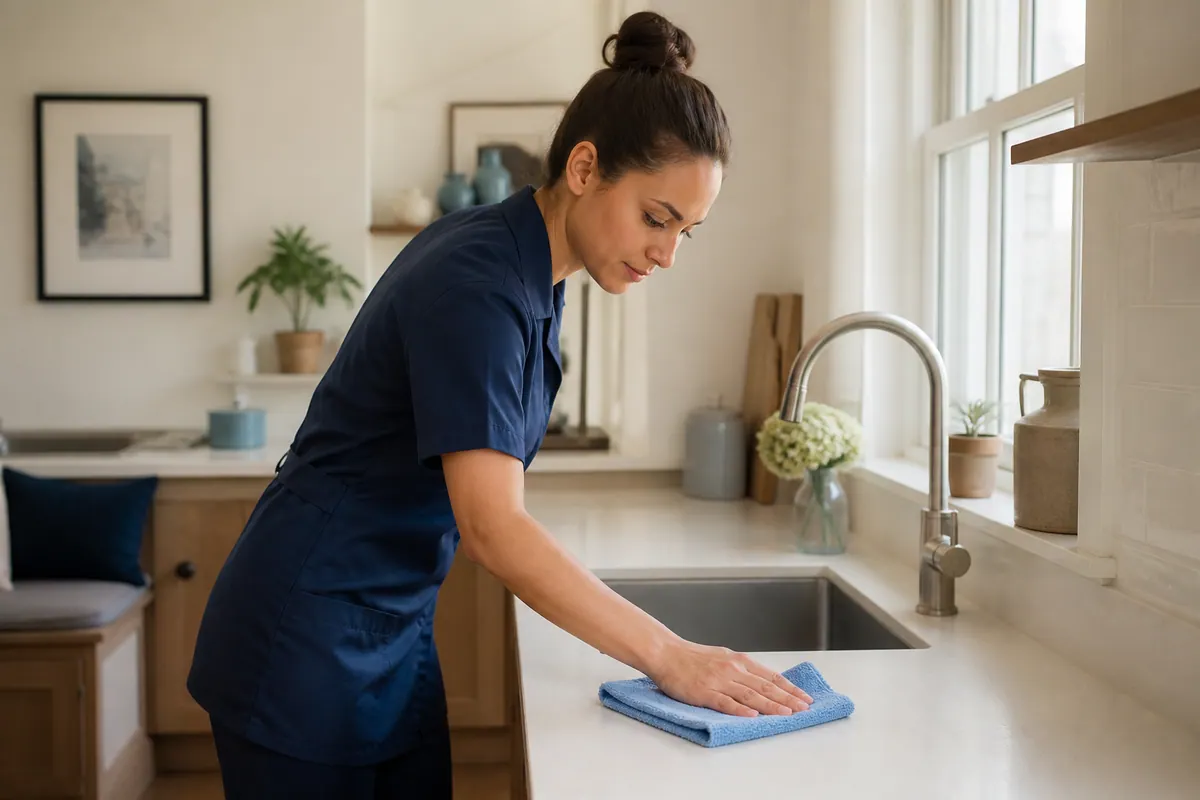
Specify the worktop and sink area, then identify the cupboard faces and appliance surfaces included in the available time.
Leave the listed preparation surfaces reachable, and raise internal oven work separately if you need it.
Bathroom
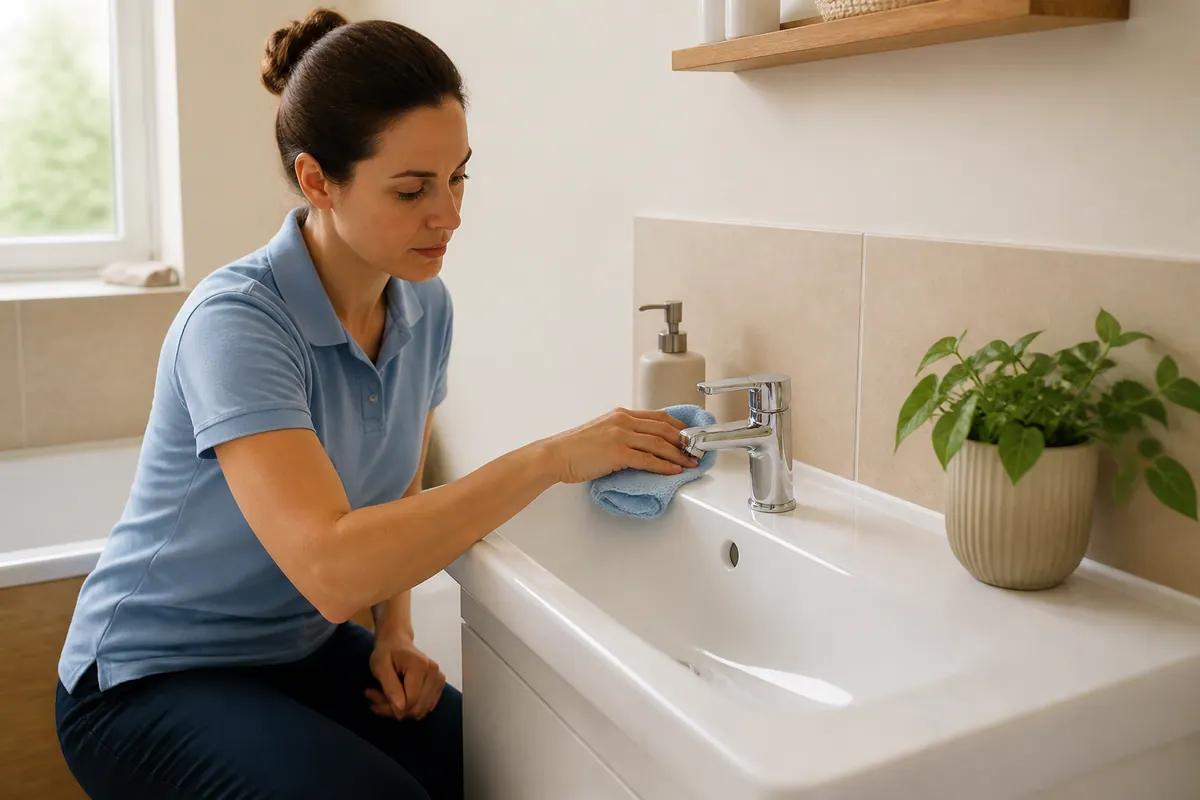
The bathroom list may cover taps, sanitaryware and shower surfaces together with mirrors and tiles that can be reached safely.
Care notes matter especially around stone and coatings. Point out existing damage at the briefing stage.
Living spaces
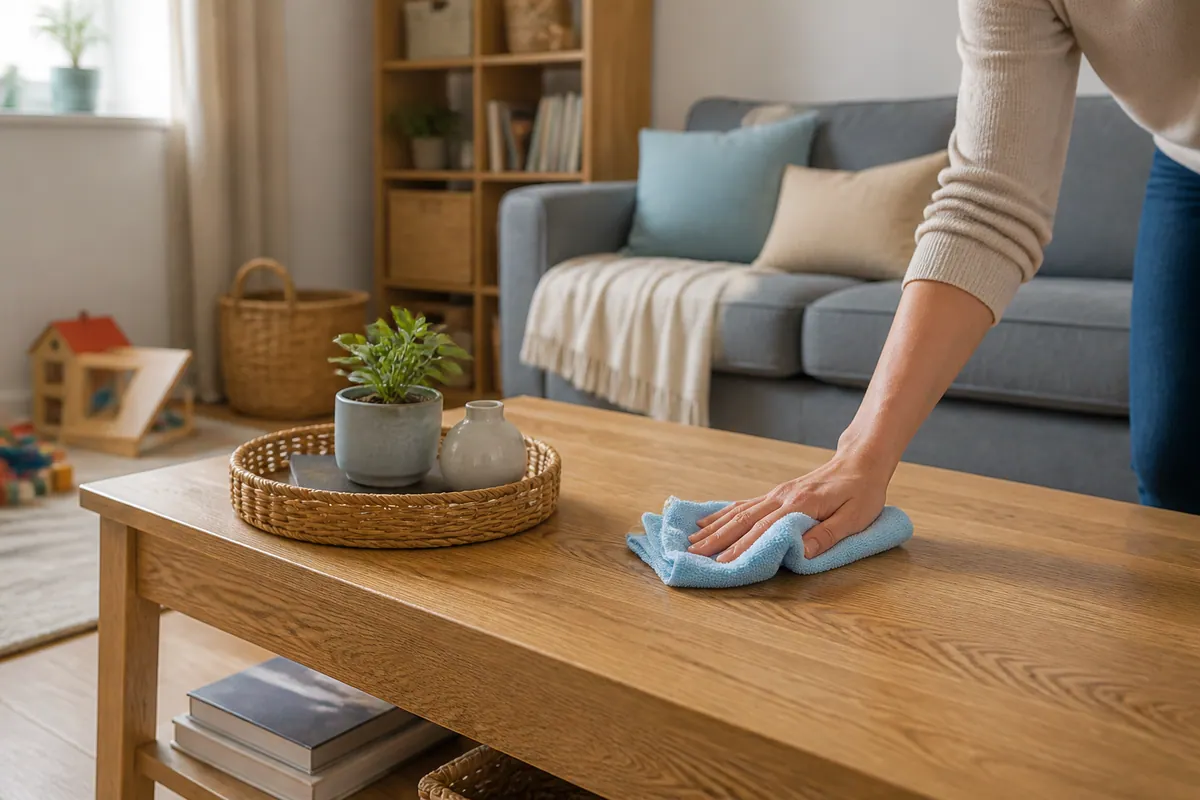
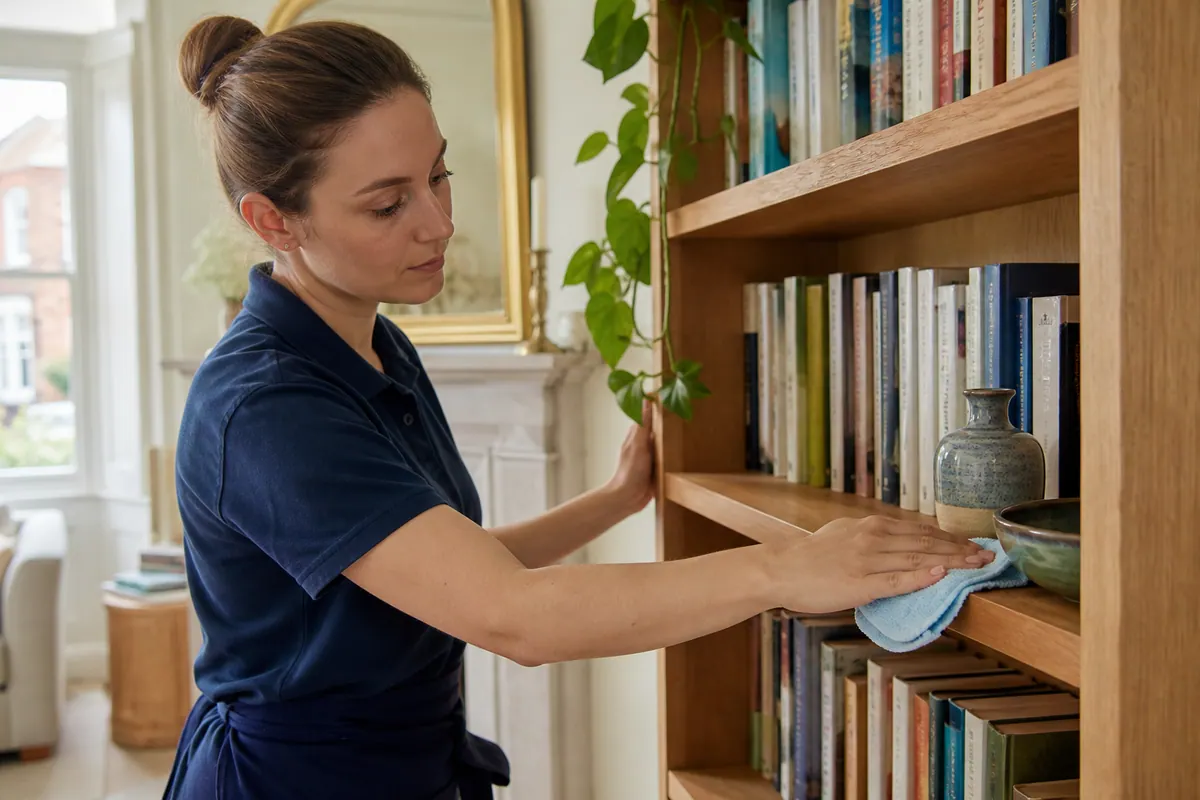
Describe the furniture surfaces that can be reached and the floor area to maintain; vacuuming and appropriate floor cleaning can be included.
Clearing ornaments is a household preparation task. Explain which possessions must not be moved.
Sleeping rooms
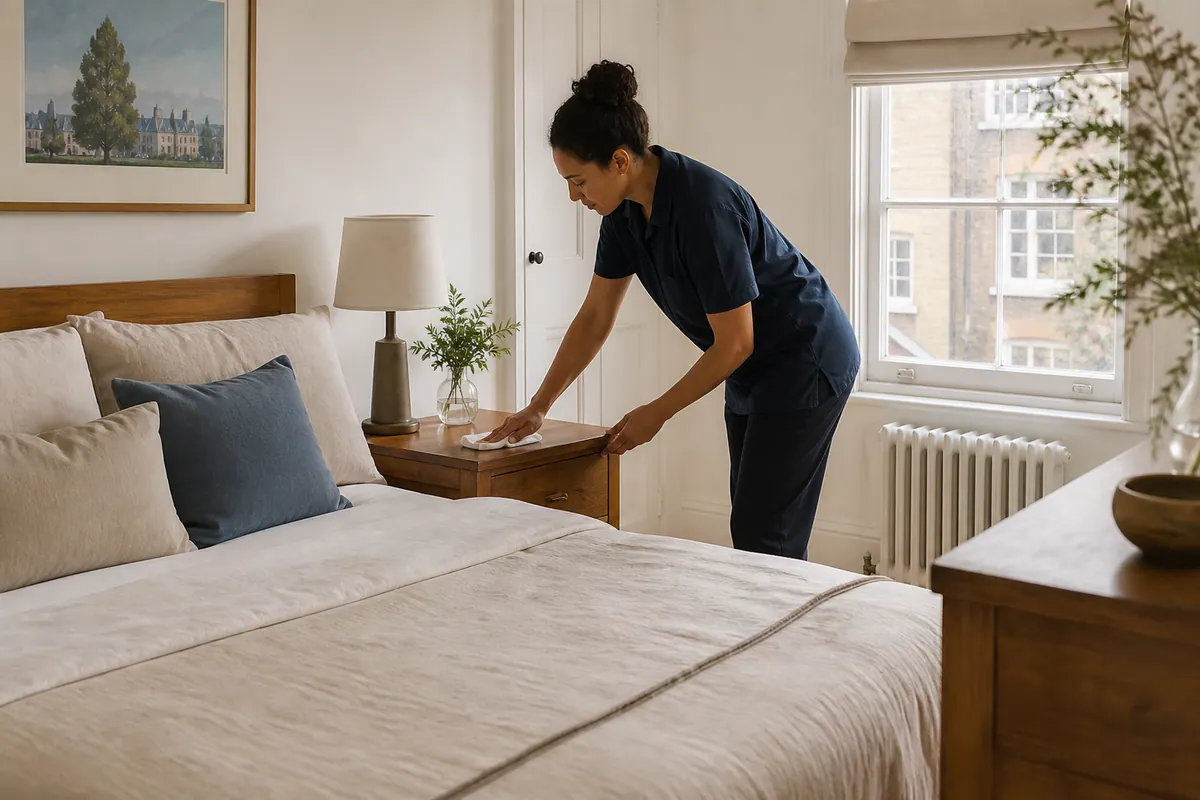
The bedroom list should identify accessible furniture surfaces and the floor area, not imply every private storage space is included.
The household should remove medication from accessible surfaces and explain any no-entry instruction.
Visit frequency
The relevant question is how the home is used during the gap. Frequency alone does not establish a suitable duration.
| Planning point | Weekly | Fortnightly |
|---|---|---|
| Best suited for | Busy everyday spaces | A longer gap with planned priorities |
| Core focus | Follow the established core work | Review the workload created by the gap |
| Priority planning | Define a useful repeatable scope | Be explicit about competing priorities |
| Visit scope | Discuss coverage before the appointment | A separate scope discussion is needed |
Do not assume the first visit will take the same time as regular upkeep. Explain what has built up and which rooms need attention first.
Regular bookings can follow agreed priorities, but expanding the brief still calls for a conversation rather than an assumed extra.
Household arrangements
Choose the circumstances that affect the planned visit.
Explain whether you will be at home and which everyday areas need attention while you are out.
A household with children may have a changing room order, but the accessible kitchen and bathroom requirements still need definition.
Pet boundaries should be settled before arrival, including which spaces are unavailable while the animal is there.
Tell the team which room cannot be interrupted so another area can lead the appointment.
Clarify whether the instruction comes from the resident or an authorised contact; a future handover needs its own scope.
An authorised household contact should settle any changed priorities before the team arrives.
Separate services
Ordinary household maintenance has limits; the linked services cover requests needing a different assessment or equipment.
A vacuuming instruction does not include professional carpet extraction; discuss that work separately.
An agreed kitchen visit does not automatically include oven internals; explain that requirement independently.
Raise mould concerns with the relevant service rather than adding treatment to the recurring list.
The external side of glazing is a different service from maintaining the occupied rooms.
Dust left by construction can require another scope and should be disclosed before booking.
A bigger reset is a separate planning question, not an automatic extension of a regular visit.
Quick answers
Task order
The controls offer a way to think about sequence, not a promise that all tasks fit the visit.
Booking process
Give a practical picture of the household, including room use, pets and occupied workspaces.
Agree which maintenance tasks matter most, then consider the weekly or fortnightly schedule.
Confirm products and the practical handover, with parking and alarm information shared directly.
The visit works through the authorised room list with surface-compatible care.
Use the review to identify what should remain recurring and what needs separate attention.
The household requirements explained.
Care follows the defined priorities.
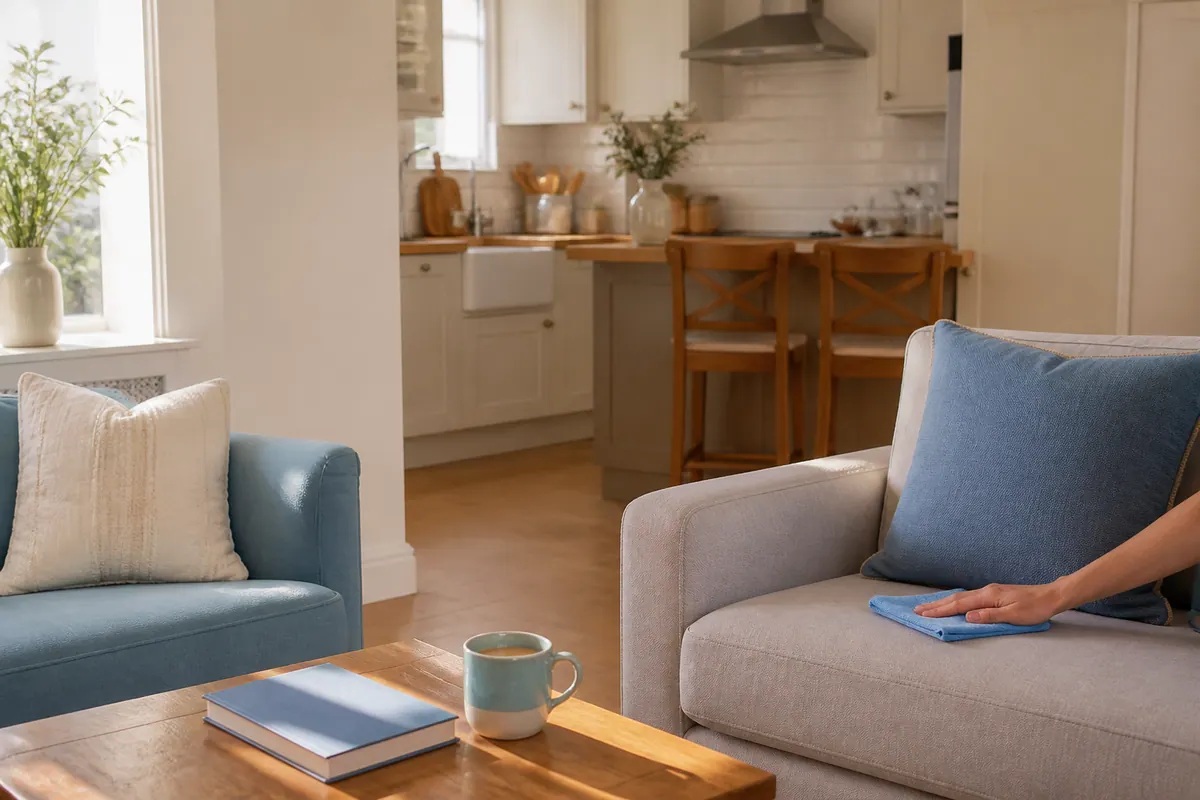
Everyday upkeep with a defined scope.
Illustrative interiors accompany the process; no customer before-and-after claim is being made.
Booking questions
Decide whether the unavailable room can be entered later or stays outside this appointment. That decision affects the included work and should be made before the visit.
A domestic appointment should not depend on sorting your possessions. Leave the intended areas accessible and explain the entry plan.
From £20/hour is the regular guide, while a first or one-off visit starts at £90. The confirmed scope determines the actual booking.
Explain the workload you expect at the next visit. A weekly or fortnightly request should be considered together with time and current condition.
Tell Alesta which task should lead and identify any addition to the list. A new requirement needs its scope checked.
Describe the initial condition in detail. Once that starting work is understood, you can review what ordinary repeat visits should maintain.
Provision depends on the agreed booking. Tell Alesta about equipment, surface guidance and preferences before assuming either party supplies everything.
Give a clear no-entry period or exclude the workspace from this appointment. Do not assume a call can be interrupted.
An ordinary carpet vacuum does not include extraction. Ask for the dedicated service when that is the work required.
A plan still requires direct confirmation of availability and the complete brief. Check products, duration and entry before treating it as booked.
Barnes / local enquiry
Barnes bookings need the full postcode and the intended rooms. Before the first appointment, settle who supplies the equipment and how long the agreed work is expected to need.
For the wider service scope, see Domestic Cleaning, or ask the team about your address.
Map reference
Refer to the area map when clarifying the practical address details.
Open map in a new tabYour next step
Name the room that must stay private. Choose an available starting area. Send the room priorities when you enquire.
