Highbury / A home shared with a pet

Domestic Cleaning in Highbury

Keep the cleaning route separate from the pet’s settled space.

An open door can matter more than a long checklist when an animal is resting in the next room.

  • Identify a comfortable room for the pet before discussing the cleaning sequence.
  • Tell the team which doors must stay shut throughout the appointment.
  • Put bowls and loose pet belongings away from surfaces due to be cleaned.
  • Bring the used kitchen and bathroom forward while the resting room remains closed.
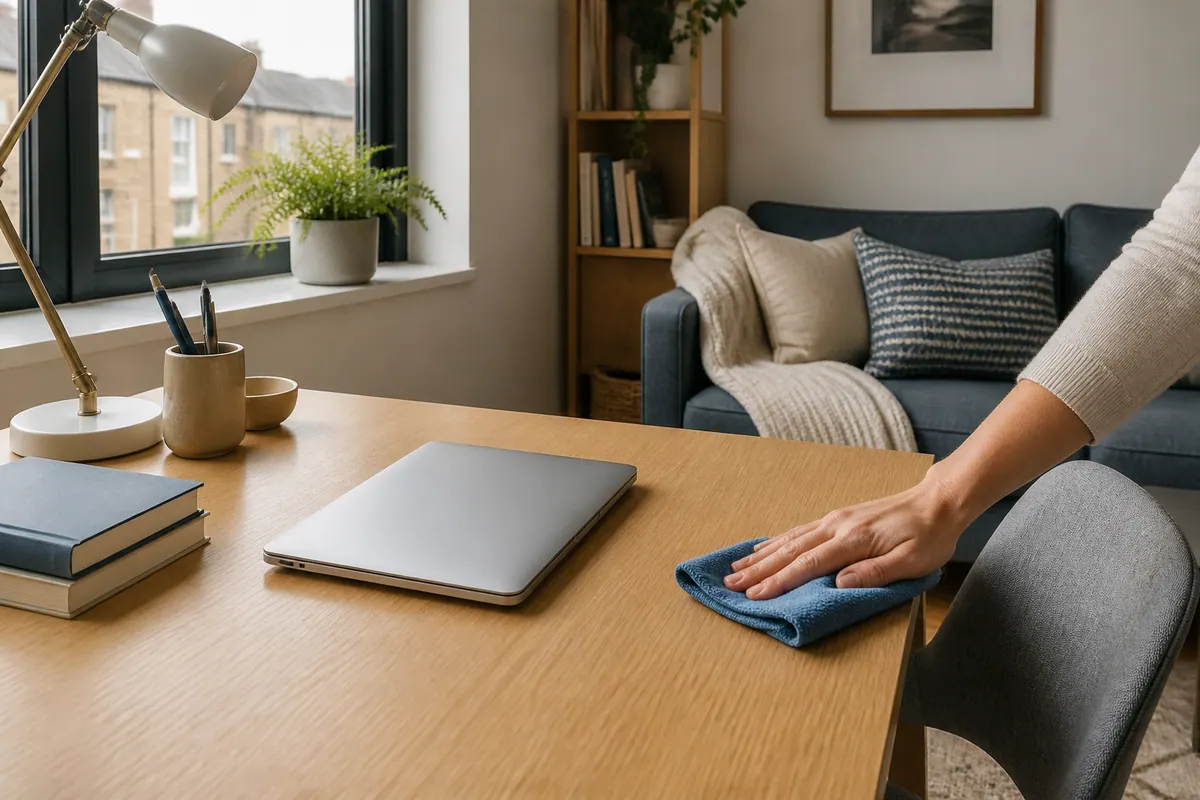
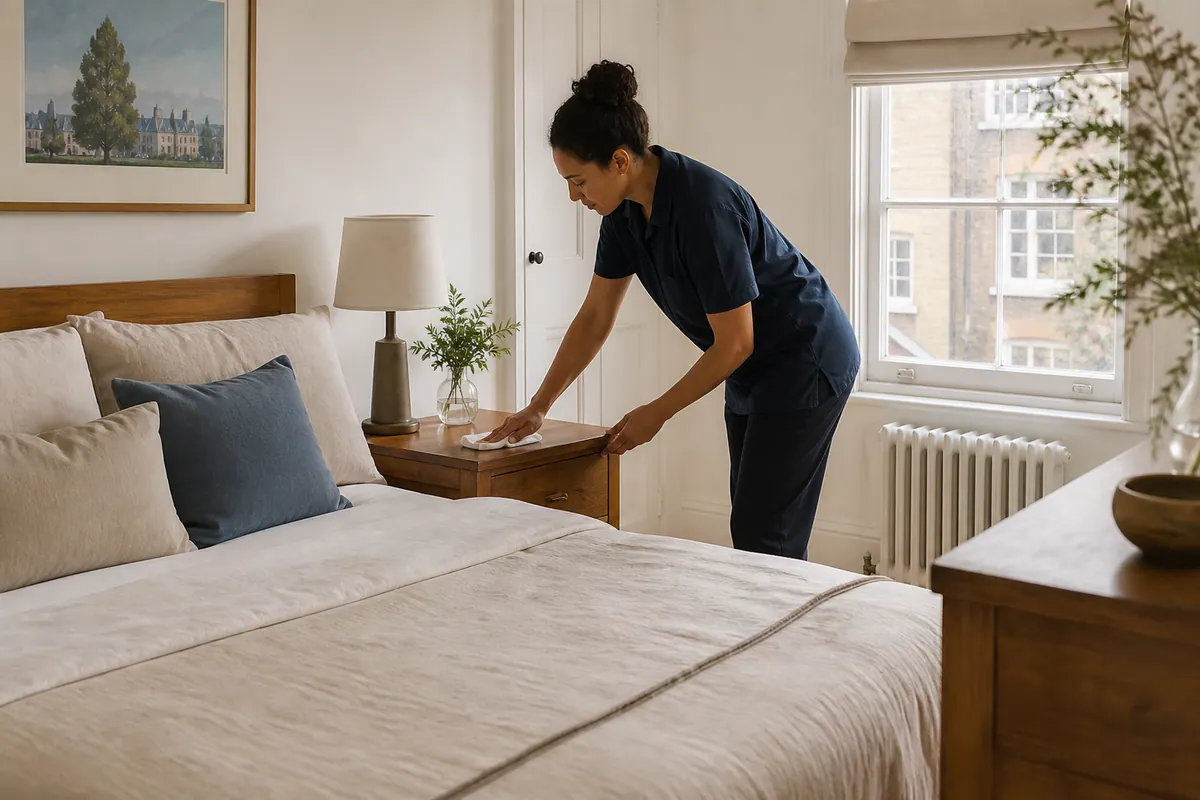
Illustrative work from home scene for a household cleaning routine

Visit pattern

WeeklyFortnightlyFirst visit / reset

Choose the rooms

Kitchen · Bathroom
Living areas · Bedrooms

No appointment is allocated by this illustration.
A regular routinePlanned tasksSuitable products

A home shared with a pet

Highbury: a home shared with a pet

An open door can matter more than a long checklist when an animal is resting in the next room.

Identify a comfortable room for the pet before discussing the cleaning sequence. Put bowls and loose pet belongings away from surfaces due to be cleaned.

Tell the team which doors must stay shut throughout the appointment. Bring the used kitchen and bathroom forward while the resting room remains closed.

If the pet’s arrangement changes, revise the route before the cleaner enters.

A pet household still needs a room-by-room maintenance brief, not a promise to remove every trace of hair. Would another room make a better starting point while the pet settles?

Illustrative residential interior; not a photograph of a customer property in Highbury
A pet household with a planned room order starts with a prepared room list.

For this visit

Included household tasks

Would another room make a better starting point while the pet settles? Explore the included room categories below.

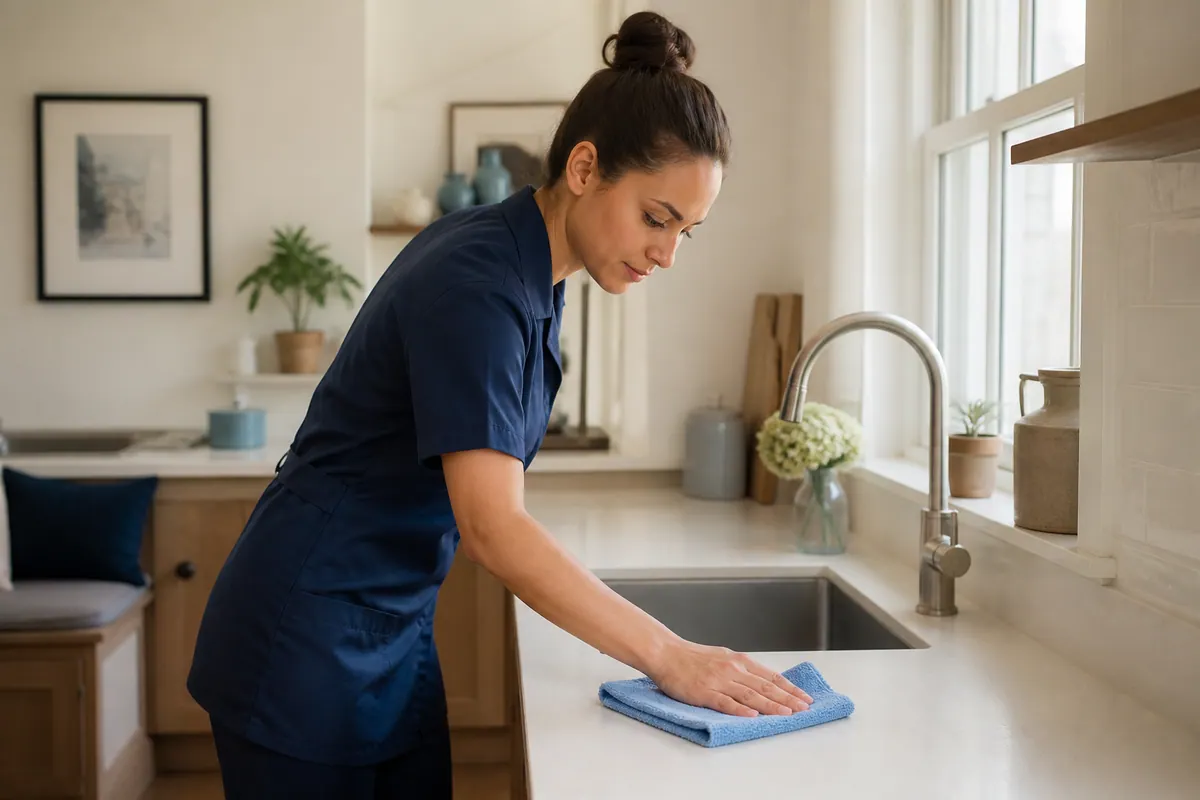
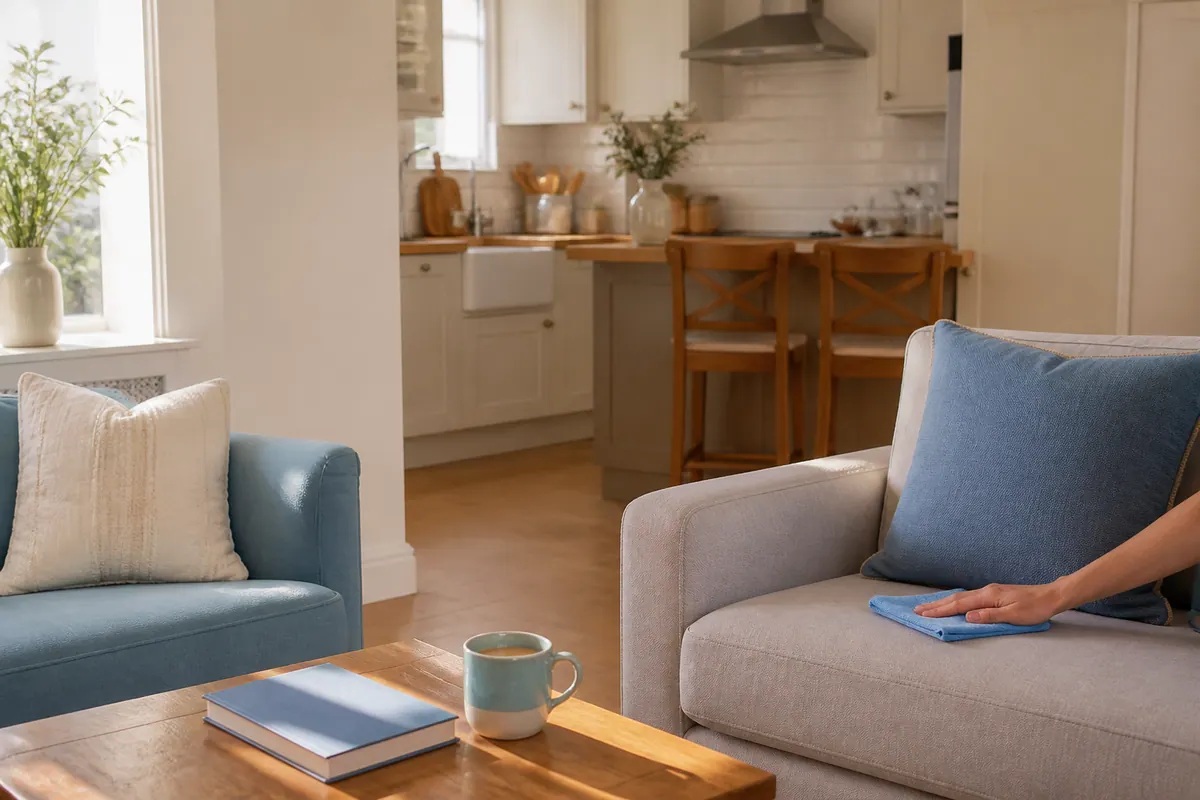
Illustrative kitchen domestic cleaning scene

Kitchen

The kitchen as a working room

Plan wiping around the surfaces used for cooking: reachable counters, sink, splashback, cabinet fronts and agreed appliance exteriors.

A clear counter is ready to clean; a cupboard full of possessions is not an implied sorting task.

Your home routine

Frequency and condition

Look at how quickly the used rooms need attention. Then discuss a schedule that can accommodate the agreed list.

Recurring visit options
Planning pointWeeklyFortnightly
Best suited forFrequently used rooms needing a shorter upkeep intervalA less frequent visit with priorities agreed
Core focusRepeat the agreed room-maintenance tasksAllow for tasks accumulated over the gap
Priority planningCore priorities kept explicitPriorities reflecting the longer gap
Visit scopeTime and scope confirmedDuration and tasks agreed

Starting condition

If upkeep has lapsed, the first visit can need additional time. Discuss the rooms that should lead that catch-up instead of assuming every task fits.

The repeat pattern

Use later visits for the confirmed maintenance pattern. A new room or substantially larger request can affect the duration even at the same frequency.

Worth discussing

Products and materials

The condition of a surface is part of the scope, not a surprise for arrival. Flag damage and share material-care information.

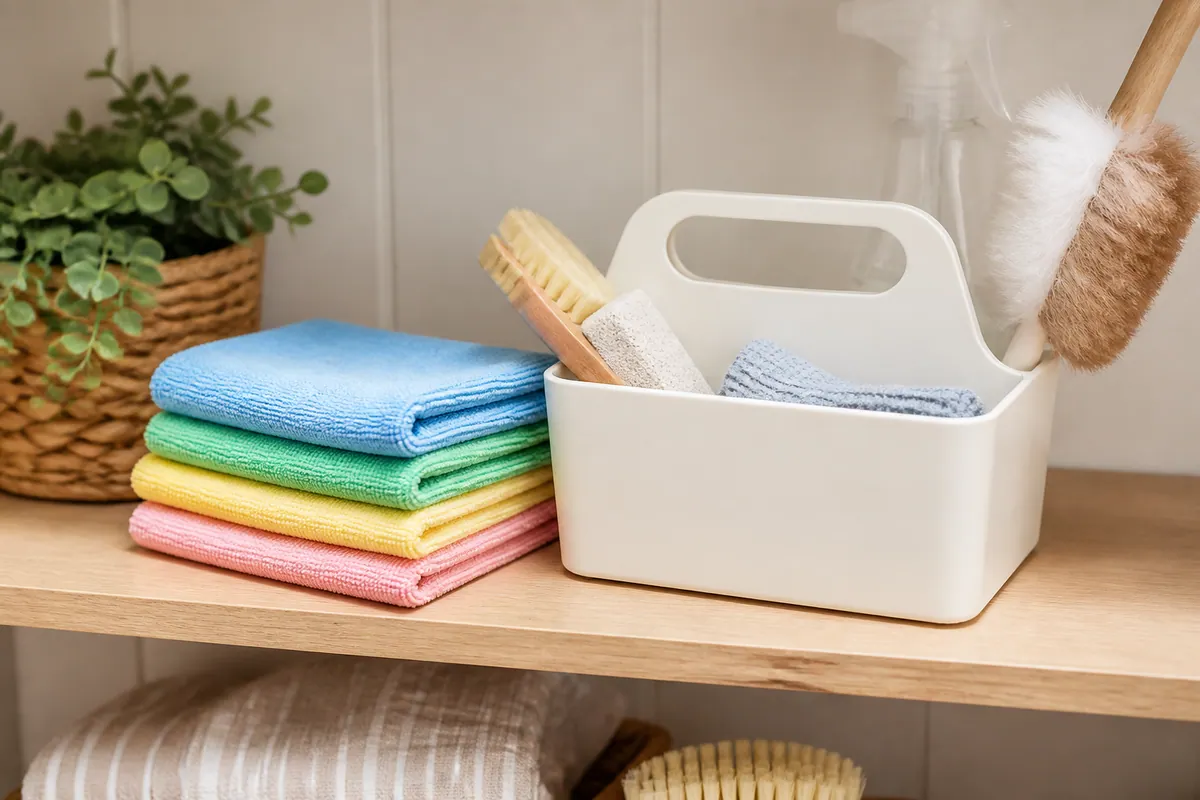
Separate folded microfibre cloths and an unbranded household cleaning caddy
Kitchen, washroom and other-room work have distinct cloths and tools.

Natural stone

Identify stone areas before a general product is selected.

Timber

Wood surfaces need moisture and method matched to their finish.

Lacquer

Lacquered furniture needs its coating recognised.

Stainless steel

Name the accessible steel surfaces and relevant care instructions. The cleaning scope is external unless another service is explicitly agreed.

Painted finishes

Painted surfaces need their condition explained.

A clear scope

Ask about your address

Ask about the specific Highbury address rather than assuming an area page confirms availability. Include the room list and access details.

Explore the wider scope in Domestic Cleaning, or contact Alesta.

Area reference

Highbury, London

Use the map to orient the address discussion.

Open map in a new tab

A clear scope

Separate the occasional jobs

Give recurring rooms a defined place in the appointment. Selected details can rotate only when listed and accommodated.

Every visit’s agreed priorities

The main cleaning brief

  • The kitchen as a working room: sink and accessible surfaces
  • The used bathroom surfaces: agreed sanitaryware
  • Furniture first, floor after: reachable dusting
  • Choose the bedrooms for this visit: included-room vacuuming
  • Floor method suited to the finish
Selected, not assumed

Optional work, clearly named

  • A listed stretch of skirting
  • Switches selected for this visit
  • Agreed reachable internal glass
  • Other accessible detail within time

Keep an occasional detail separate from the dependable core. If it cannot fit, discuss another visit rather than assuming an extension.

Practical planning

People, pets and spaces

Different occupancy patterns call for different preparation.

Workday arrangements

Keep the workday brief practical: which rooms are included, who provides access and who can answer a question during the appointment.

Family preparation

Agree which room can be used while others are addressed. Keep personal possessions out of the working areas instead of adding a sorting request.

Animals in the home

Keep responsibility for the pet separate from cleaning instructions. Explain where it will be and which areas must remain closed.

An occupied workspace

If a desk remains in use, make the boundary explicit. Agree what can be cleaned elsewhere during that time.

An occupied rental

Name the authorised contact for the rented home. A regular cleaning list should not silently become a tenancy-end checklist.

A shared point of contact

Use one contact to consolidate changes to keys, rooms and priorities. Conflicting instructions make the agreed brief harder to follow.

The household brief

Build a discussion brief

Use the controls to outline what the household needs. Confirm the final room list and time directly with the team.

1 Property
2 Frequency
3 Priority
4 Household considerations

The household brief

Before you enquire

Regular starting rate?
The regular guide begins at £20 per hour, with scope and minimum time to agree.
First-visit starting guide?
From £90 is the first or occasional domestic visit guide, not unlimited work.
What kitchen work is routine?
Name the preparation surfaces, sink and external fronts; do not assume detailed appliance internals.
What should the bathroom brief name?
Bathroom upkeep concerns the included sanitaryware and surfaces, not repairing damaged seals.
Which living-room areas are included?
Reachable dusting and accessible floors, with vacuuming and finish-compatible care.
How are bedrooms treated?
Name the available sleeping rooms; medication and private belongings should be put away.
What interval can be discussed?
Weekly and fortnightly visits may be available; confirm postcode and schedule.
Can small details rotate?
Selected finishing work must be agreed rather than treated as an automatic extra.
What supplies are needed?
Supplies are a booking detail, not a universal assumption. Explain existing product guidance before confirming what will be used.
Does the planner book a cleaner?
Use the outline to contact Alesta; it is not a booking confirmation.

The household brief

A price with clear boundaries

The current service rates are starting points; room coverage, duration and supply arrangements remain to be agreed.

Regular domestic cleaning£20/ hourStarting guide · confirm the visit
First / one-off domestic visit£90 fromThe first brief needs confirmation
Prices and scope
ServicePriceMain factors
Regular domestic cleaningFrom £20/hourAgreed time and minimum visit, room coverage, recurring interval, supplies and postcode
First / one-off domestic visitFrom £90Work accumulated before the appointment, room coverage and the confirmed priorities
Specialist / intensive scopeQuoted separatelyThe scope of the additional treatment and the equipment or access it requires

Confirm the full quote

The pet arrangement helps explain access, but the quotation still needs the size and condition of the included rooms. Confirm duration, interval, supplies, parking and the minimum visit; do not price the home from its pet ownership.

Worth discussing

A useful cleaning sequence

Move the items to reflect the present household, then agree the practical scope. These local controls do not submit a request.

  1. Kitchen
  2. Bathrooms
  3. Floors
  4. Dusting
  5. Selected details

The household brief

Planning, cleaning, reviewing

  1. Explain the starting home

    Explain the used rooms and starting condition, with any occupancy that affects access.

  2. Choose what comes first

    Name the occasional task beforehand. The cleaner still needs a realistic list, not several extras described as small jobs on arrival.

  3. Settle the arrangements

    Confirm who supplies products and equipment. Include material instructions and preferences when the appointment is discussed.

  4. Follow the included scope

    Cleaning follows the agreed list, with products and methods compatible with each surface.

  5. Review what changed

    After the starting work, decide what genuinely repeats. Additions should be discussed rather than silently carried into the existing appointment.

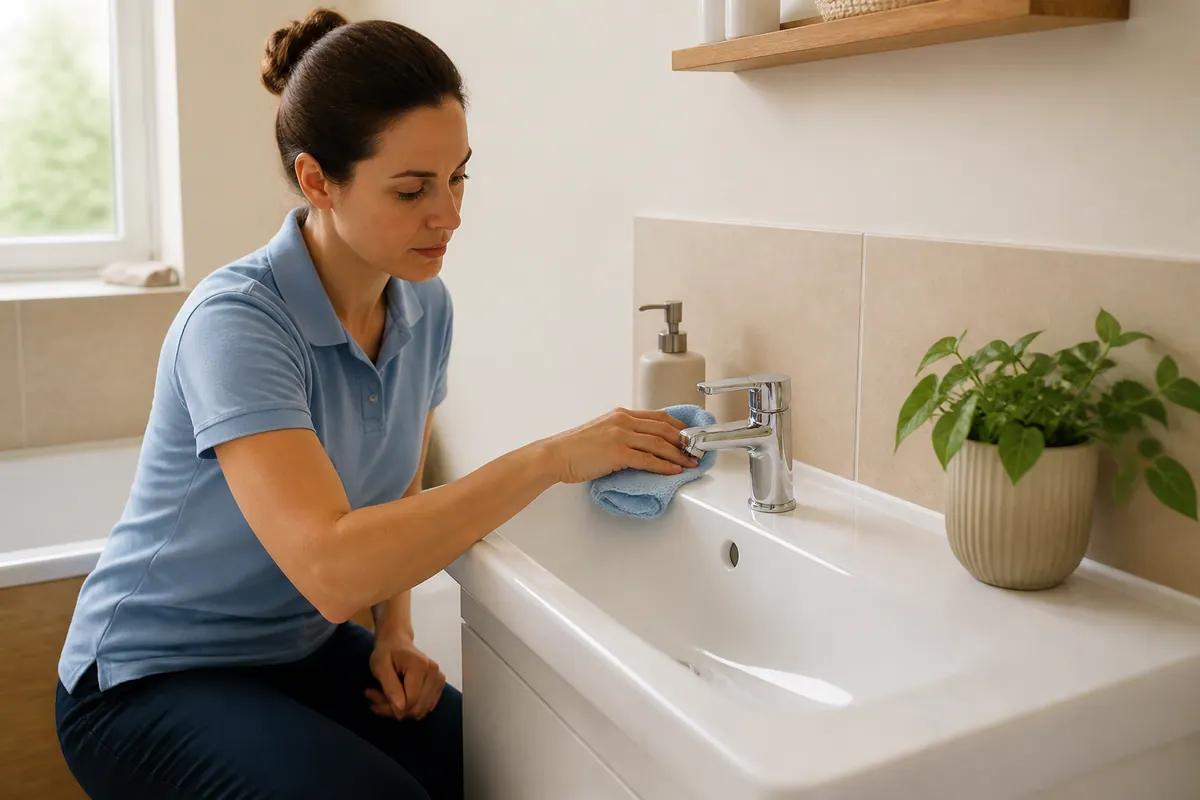
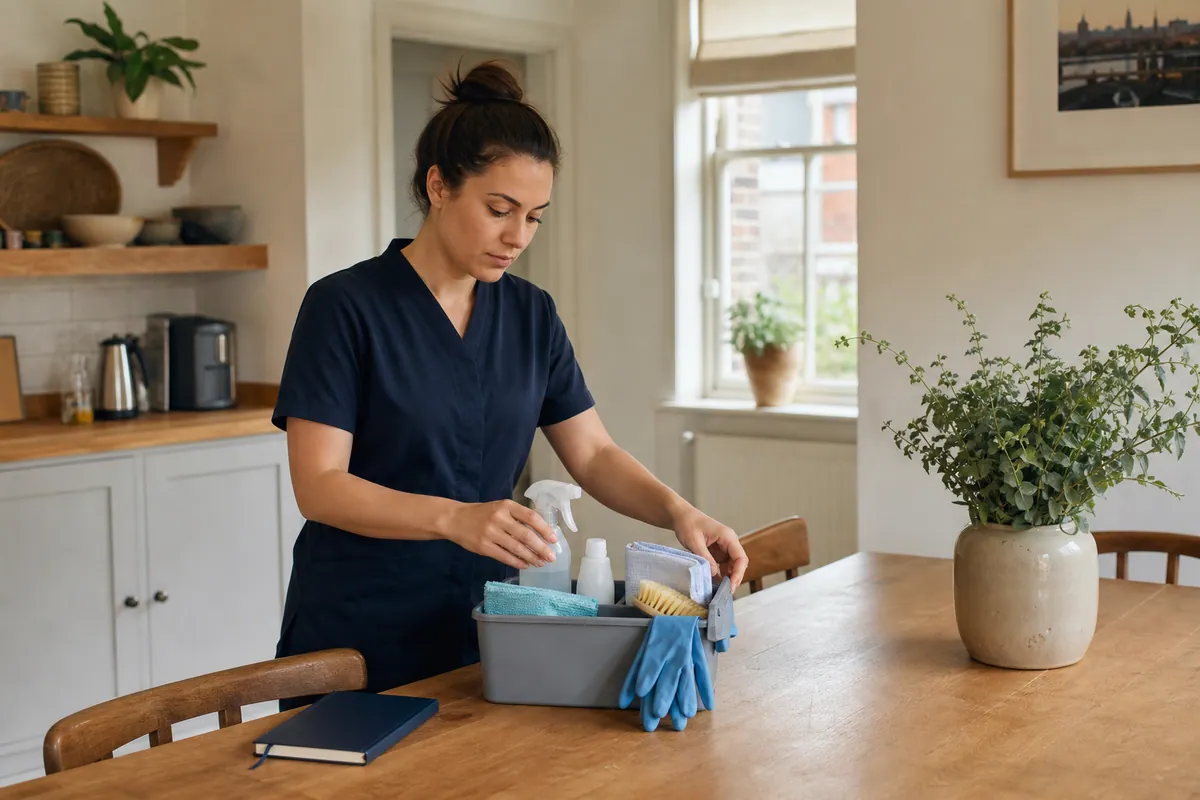
Illustrative before stage of a regular home cleaning routine

The prepared brief

Preparation before the appointment.

Illustrative visit stage of a regular home cleaning routine

The agreed visit

Work matched to the surfaces.

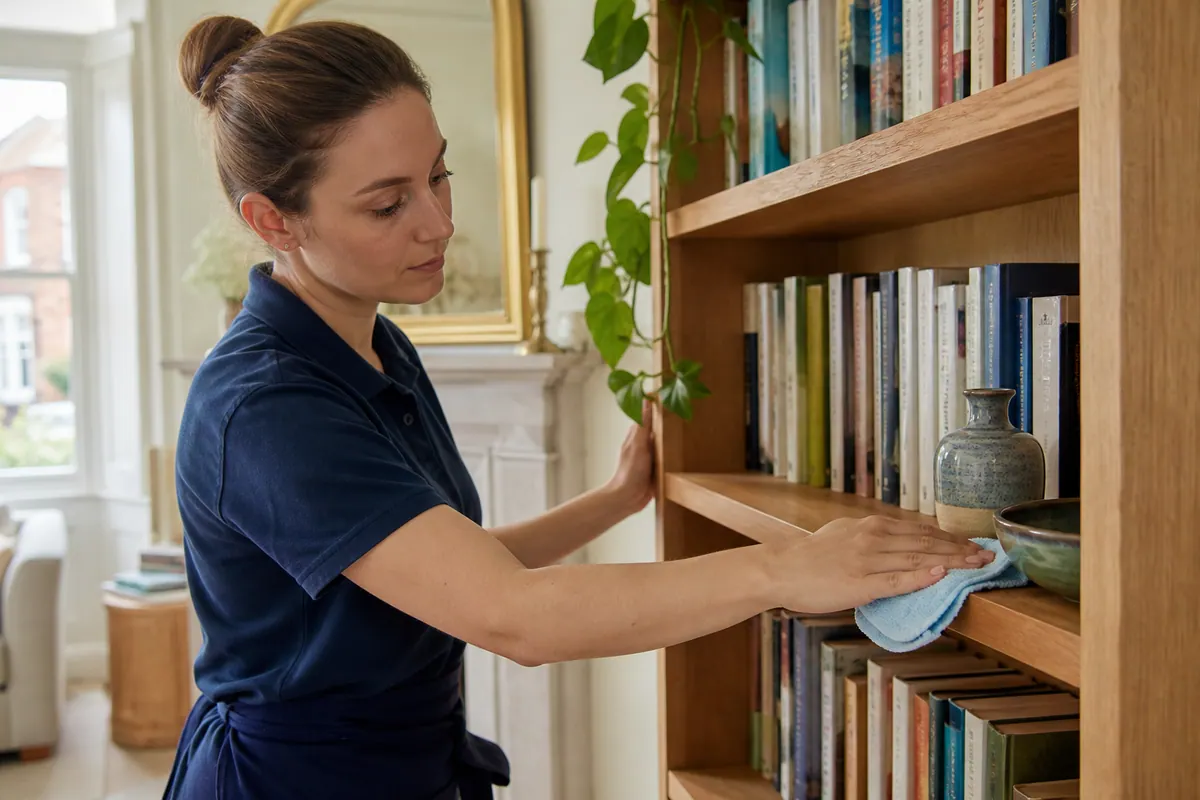
Illustrative afterwards stage of a regular home cleaning routine

The maintenance pattern

The recurring list reviewed.

The home scenes are illustrative, not evidence of work at a customer property.

The household brief

Prepare the visit details

The key arrangement

A key plan includes both arrival and departure. Confirm it directly so access does not depend on an assumption.

Building entry

Explain any managed entrance and the permission needed to pass it. The household should establish that arrangement before arrival.

Alarm instructions

An agreed entry plan should account for the alarm where relevant. Confirm the required steps before the day.

Pet boundaries

Discuss pets as an access consideration, not an extra cleaning guarantee. The household should decide where they remain during the visit.

Quiet work periods

Keep papers private and identify the desk that must stay untouched. Room timing is then part of the booking discussion.

Arrival constraints

Share known parking and loading restrictions before the appointment is arranged. They can affect practical arrival planning.

Private spaces

Confirm any room omitted from the visit. Explain separately which personal items should stay undisturbed in included areas.

A clear Highbury handover

Keep one current brief for the household visit. Include entry, excluded spaces and supply arrangements as well as the main tasks.

Before booking

Clarifying the appointment

Would another room make a better starting point while the pet settles?

A pet household still needs a room-by-room maintenance brief, not a promise to remove every trace of hair. If the pet’s arrangement changes, revise the route before the cleaner enters.

What should be ready before arrival?

Name rooms that must not be entered and belongings that must not be handled. A general cleaning request does not override those boundaries. A family-home list should distinguish cleaning from sorting belongings. Clear the used rooms and explain any space that must remain available.

What information shapes the final quote?

Discuss the usable appointment rather than the hourly figure alone. Size, condition and priorities affect time; supplies, access and specialist requirements also need agreement.

What does the regular hourly figure mean?

The regular hourly guide begins at £20. Agree duration, supplies and minimum visit for the actual home before relying on a total.

When should the initial brief be reviewed?

A first visit should describe the dusting and floor work actually available around the pet’s settled area. The first/one-off guide begins at £90; later maintenance can be reviewed after those initial priorities.

How do I choose a recurring interval?

Consider how quickly the accessible rooms need upkeep, then compare one-week and two-week intervals. A pet does not automatically establish either frequency; the room condition, household preparation and available schedule still matter.

Can a new detail extend the visit automatically?

A new pet arrangement may change which room opens first. Explain that before arrival, but discuss any extra cleaning work independently of the door instructions. Reordering rooms does not extend the appointment.

Who should supply cleaning products?

Agree the supply arrangement before the day. Tell the team about finishes or product preferences that affect the work.

What should be arranged as a separate cleaning process?

Regular floor upkeep can include vacuuming. Carpet extraction is a distinct task to arrange through the carpet-cleaning service. The domestic kitchen list can cover external appliance surfaces. Oven internals need their own time and service agreement.

How is an appointment confirmed?

Discuss the preferred schedule and household brief with the team. No appointment is created by the page controls.

A practical Highbury enquiry

A predictable cleaning route for a pet household in Highbury

Keep the cleaning route separate from the pet’s settled space. Send the postcode and room priorities to begin the enquiry.

Chat