
Leaves
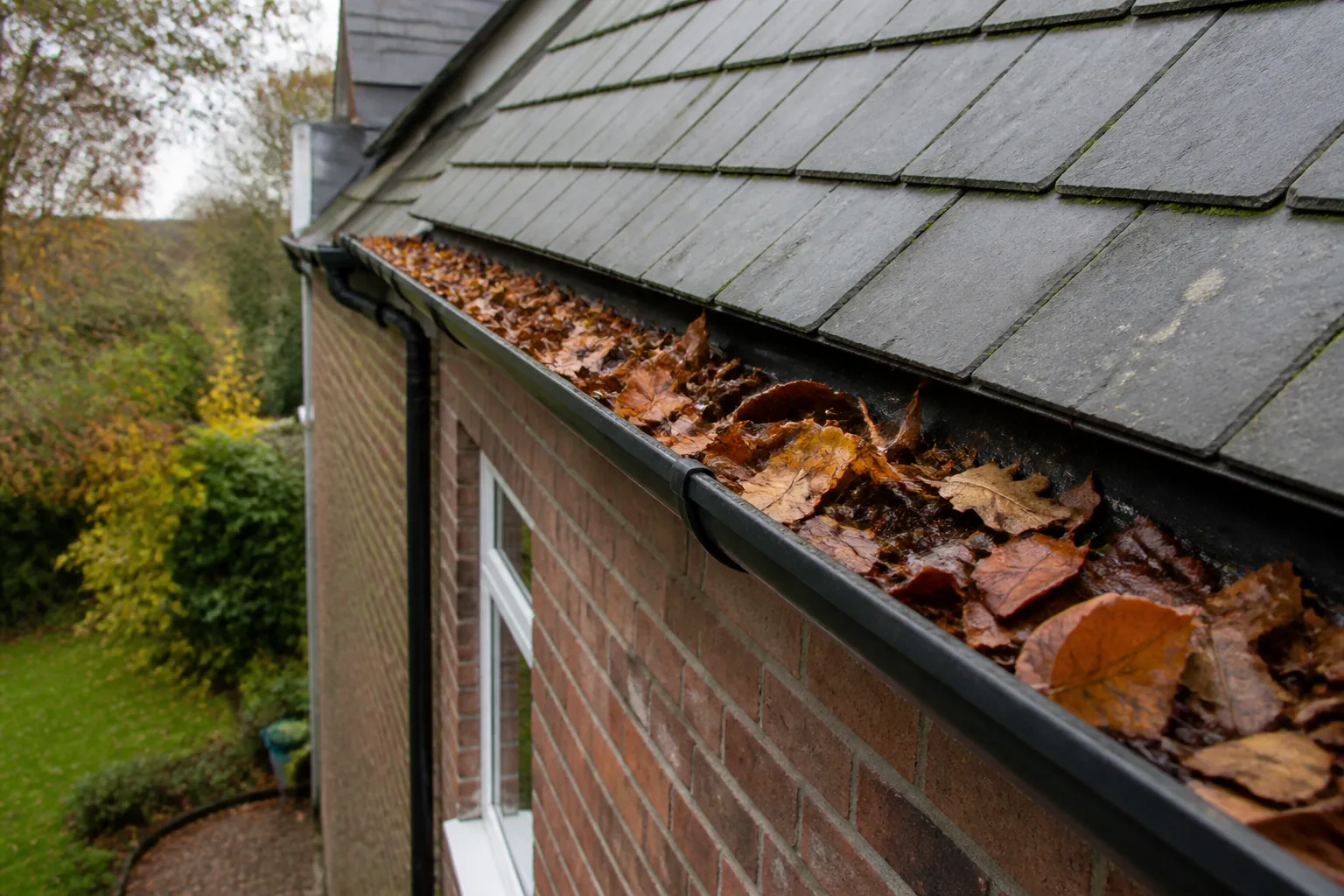
Wet leaves can settle into layers and slow water moving towards an outlet.
Rainwater routes · access · clear scope
Overflow can begin when leaves and silt narrow only part of a channel, especially around a bend or outlet. Gutter cleaning in Dartford removes routine build-up from the accessible runs agreed for the visit. Reachable outlet mouths may be included where confirmed. Repairs, restrictions deeper inside downpipes, underground drainage and rooflines outside the access plan remain separate matters.
Visible clues
Plants, visible sediment, water crossing the rim or a run that drains long after rainfall can indicate build-up. Drips beneath a connection or pooling in an otherwise clear channel may involve damage or fall, so give the precise position when enquiring.
Local property context
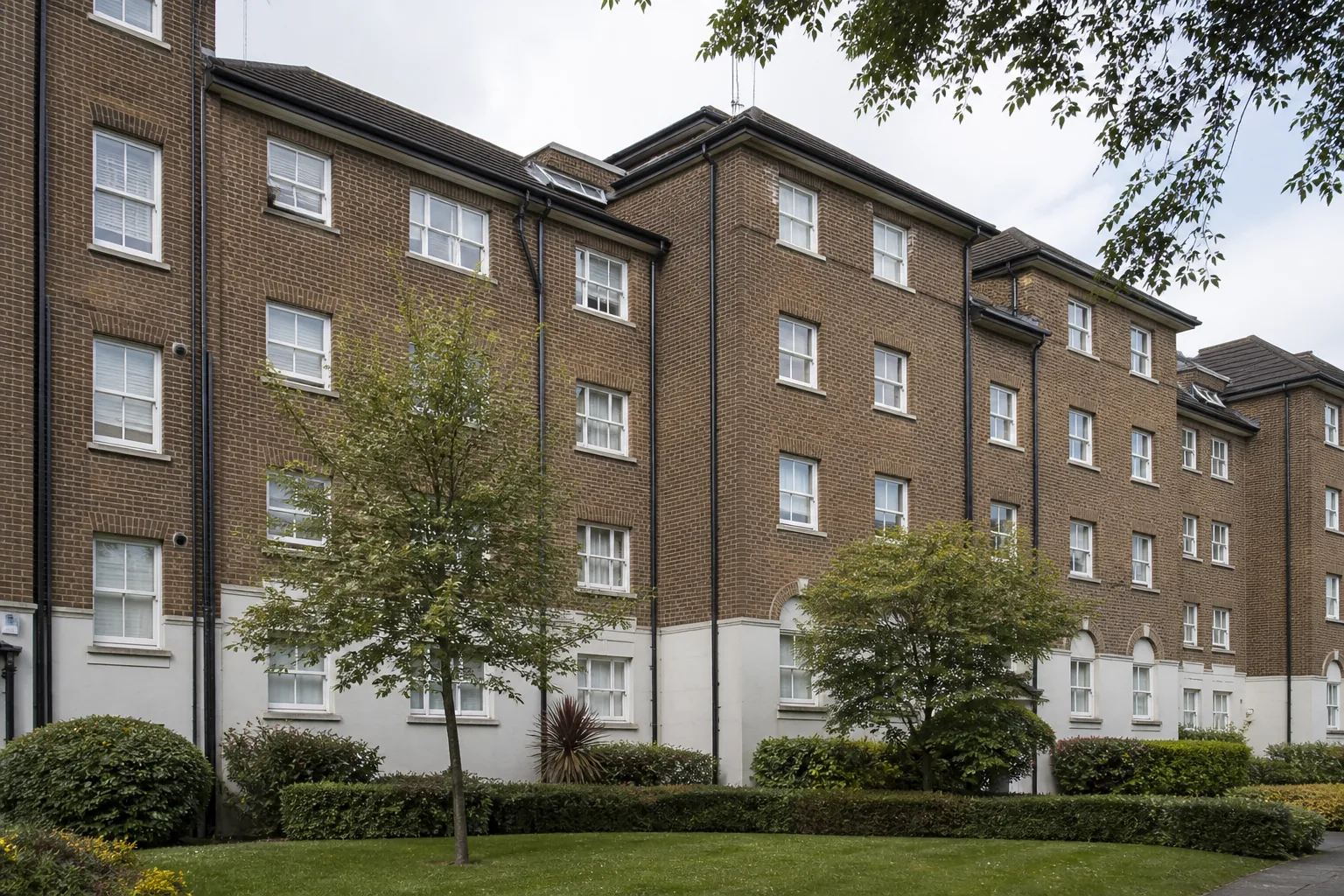
Homes in Dartford may include terraced, semi-detached, detached or converted layouts, but the label alone says little about a workable gutter scope. One property might have a shared rear approach; another could combine a driveway-facing garage with an upper channel beyond an extension. The actual building and its surroundings must guide the plan. Identify the elevation, storey level, lower roofs and any separate structure requiring attention. Include gates, narrow alleys, walls and changes in ground so each requested run can be considered without overpromising access.
Rainwater behaviour can point to where further attention belongs. A broad spill over the front edge may accompany material distributed along a run, while a single stream near the outlet may suggest a local pocket or resistance below. A drip through a joint is more likely to need repair if it continues once the gutter is open. Cleaning removes ordinary loose contents from included accessible sections. It does not reseal components, adjust supports or clear unseen drainage, so the response should follow the condition actually found.
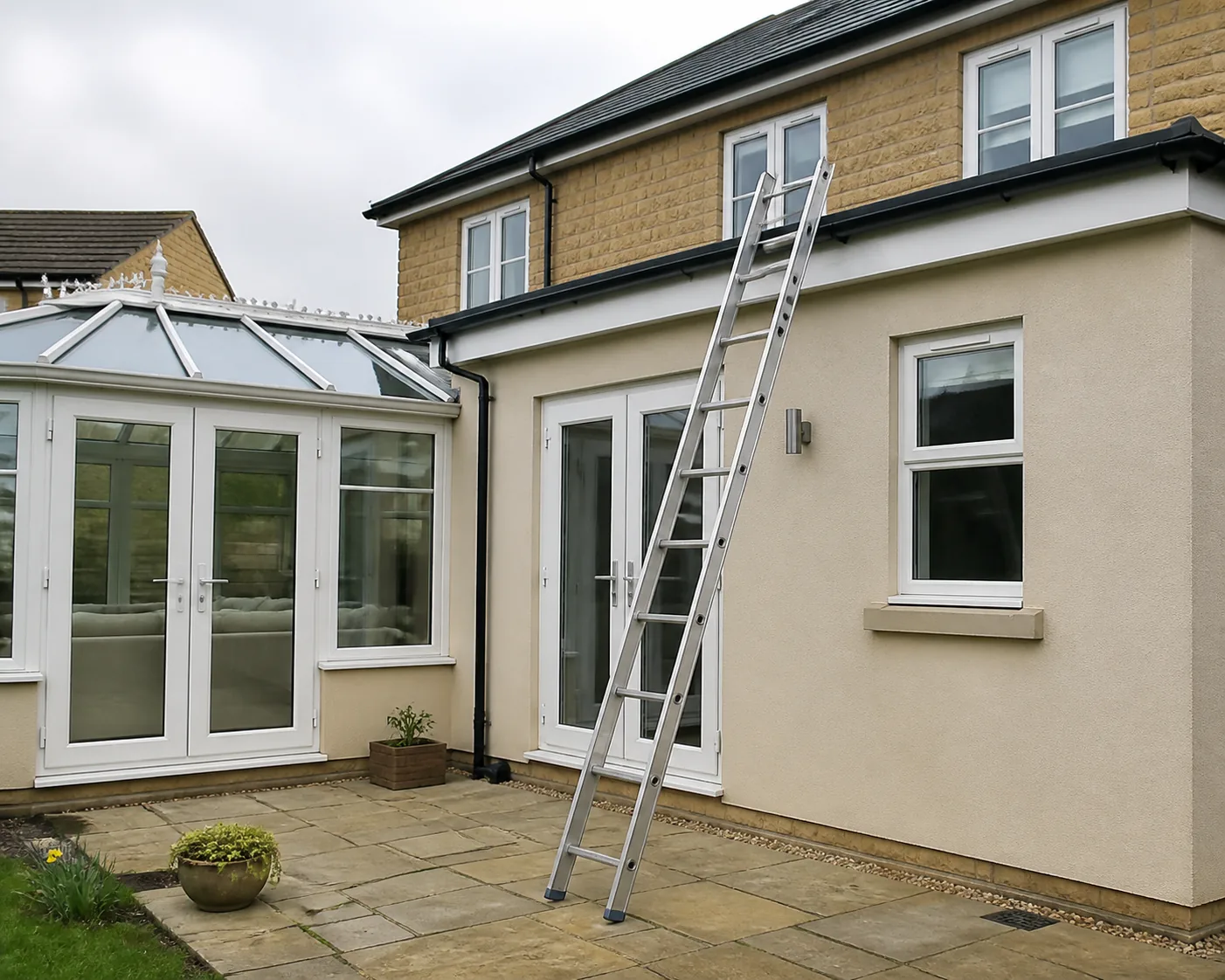
Reach can change around one building. Enclosed rear spaces, extensions, steps, walls, parked access areas and shared passages may affect individual elevations. State which routes will be available and whether another party's permission is needed; visible guttering is not automatically accessible guttering.
| Property situation | Access or gutter consideration |
|---|---|
| Terraced houses | Rear access, shared routes and the limits of connected channels need to be clear. |
| Homes with driveway garages | The lower garage run should be named if it belongs in the requested scope. |
| Properties with rear extensions | An addition may carry its own outlet and affect access to the original gutter. |
| Flats or divided buildings | Confirm responsibility for communal sections and permission for the intended approach. |
Structured service guide
| Stage | Agreed cleaning | Not implied |
|---|---|---|
| Open roofline channel | Remove accessible routine contents | Mend or reposition it |
| Outlet mouth within reach | Lift loose material when confirmed | Clear the full downpipe |
| Underground drainage | Outside the cleaning task | Investigation or repair |
Structured service guide
| Condition | Useful cleaning action | Other action may be needed |
|---|---|---|
| Silt reducing channel depth | Remove accessible deposits | None if flow returns |
| Cracked union | Clear surrounding debris | Replace or seal the fitting |
| Clear run with standing water | No additional clearance | Review fall and supports |
Structured service guide
| Input | What it establishes |
|---|---|
| Chosen elevations | The requested area |
| Separate storey levels | Access differences |
| Extensions and narrow routes | Possible restrictions |
| Quantity and type of material | The likely clearing requirement |
Structured service guide
| If present | Clarify |
|---|---|
| A shared rear alley | Permission and availability |
| A garage beside the drive | Whether its lower channel is included |
| An extension below the main run | Whether the upper section is reachable |
| A divided building | Responsibility for connected gutters |
Common causes
Wind-blown leaves can lodge against a corner, fixing or outlet and begin trapping smaller particles. Moss and sediment then make the pocket denser after rain. Routine clearance removes this accessible material where agreed, but it does not confirm the condition of the route beyond view.

Wet leaves can settle into layers and slow water moving towards an outlet.
Loose roof moss can collect in the channel and hold other material in place.
Small twigs can bridge narrow points and trap lighter debris behind them.
Loose surface material may wash down from the roof during wet weather.
Older material can become dense and reduce the channel available for runoff.
Fine deposits can gather beneath larger debris and close to an outlet.
Seasonal context
Leaves often draw attention in autumn, yet birds, wind, roof moss and fine grit can introduce material at other times. After heavy weather, compare the runs that usually hold debris. A condition-led check is more useful than applying one seasonal rule to every address.
Nearby trees, roof moss, gutter shape and exposure can all affect how quickly material accumulates. A visible symptom is more useful than applying one fixed timetable to every address.
Quick answers
Routine clearance removes leaves, loose moss, silt, seeds and similar material from the channels agreed. Reachable outlet openings can be included, but unusual objects and concealed restrictions need separate consideration.
A front-only scope may be agreed when the relevant section is accessible. It does not imply that side, rear, garage or upper channels will be included without being identified separately.
No. Accumulation is one possible cause, alongside damaged fittings, poor fall, limited capacity and restrictions further down. The visible channel should be assessed before deciding which response fits.
No. Cleaning may uncover a reachable outlet mouth, but reconnecting, sealing or replacing a downpipe component is repair work. Internal blockages also require a distinct assessment.
Yes. Explain which run depends on the passage and confirm that access and permission will be available. If the route cannot be used, the affected channel may need exclusion.
Requested length, separate levels, access restrictions and the amount or density of debris all matter. A quotation should also distinguish ordinary clearance from faults needing another service.
Dartford service area
Nearby gutter-cleaning pages
Before booking
It excludes repairs, alignment work, concealed downpipe clearance, underground drains and channels that are not accessible within the agreement. Only the named reachable runs and any specifically confirmed outlet openings form the routine cleaning scope.
Yes. A shallow layer can reduce capacity across a long section and hold moisture even when no large pile is visible. Routine cleaning can remove accessible settled silt, creating more open space for rainfall to travel towards the outlet.
Debris may cause water to rise around a sound union, so clearing can sometimes remove that pressure. If the seal or fitting is defective, the leak will need repair. Cleaning cannot restore a damaged connection.
No. They must be named and accessible under the agreed plan. Extensions, enclosed gardens and shared alleys may affect the route. A front channel being reachable does not establish that the rear can be treated in the same way.
Material may be lodged deeper in the downpipe, at a bend or within the underground connection. The reachable mouth is only one part of the route. Persistent slow discharge therefore calls for a separately scoped investigation.
Only where responsibility, permission, scope and access have been established for the relevant communal or private sections. Divided occupation can create different boundaries even when channels connect. Agree those boundaries before arranging any routine work.
No. It removes material but does not change the channel angle or its supports. If water remains in a clear section, alignment may need attention. That condition should be assessed as a repair matter rather than met with repeated cleaning.
No. Fine silt and small particles may enter, while larger leaves can settle across the cover and obstruct openings. Covers may also influence access to the channel. Describe what is fitted before assuming an ordinary clean can proceed unchanged.
Identify every required elevation and level, plus garages, porches, extensions, gates, walls and shared routes. Note where overflow or growth appears. These details help define the enquiry, though actual inclusion still depends on access at the address.
There is no universal period. Wind, planting, roof condition and shelter affect how quickly new material arrives. Watch the individual runs, particularly known catch points, and arrange another check when visible accumulation or rainwater behaviour gives a reason.
Discuss the actual roofline
The likely charge depends on the rooflines selected, total clearing area, heights, nearby obstacles and density of contents. Separate porches or garages add work only when requested. Repairs and problems inside pipes or drains require different assessment rather than an assumed supplement.
