
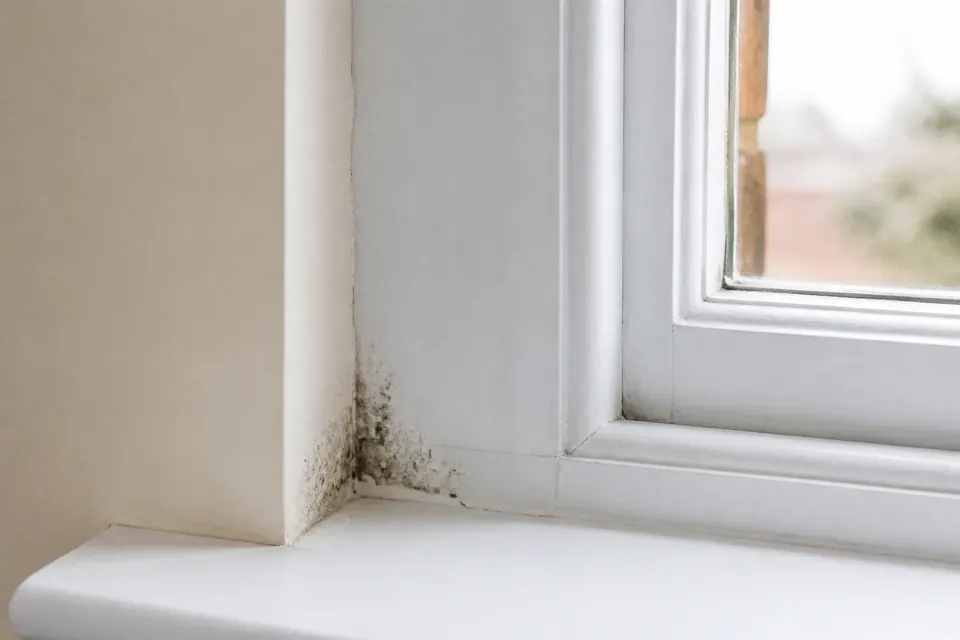
Paint around a window
Show the edge of the reveal and any lifting coating. Distinguish this from a frame defect, which may involve another material or repair task.
Barnes / THE FINISH MATTERS
A cleaner-looking patch is not the same as an undamaged coating.
Where paint is lifting or a covering looks fragile, include that condition in the enquiry. Do not rub, scrape or peel it to test the mark. The suitable treatment decision should account for the material, with any replacement or decorative matching considered separately.
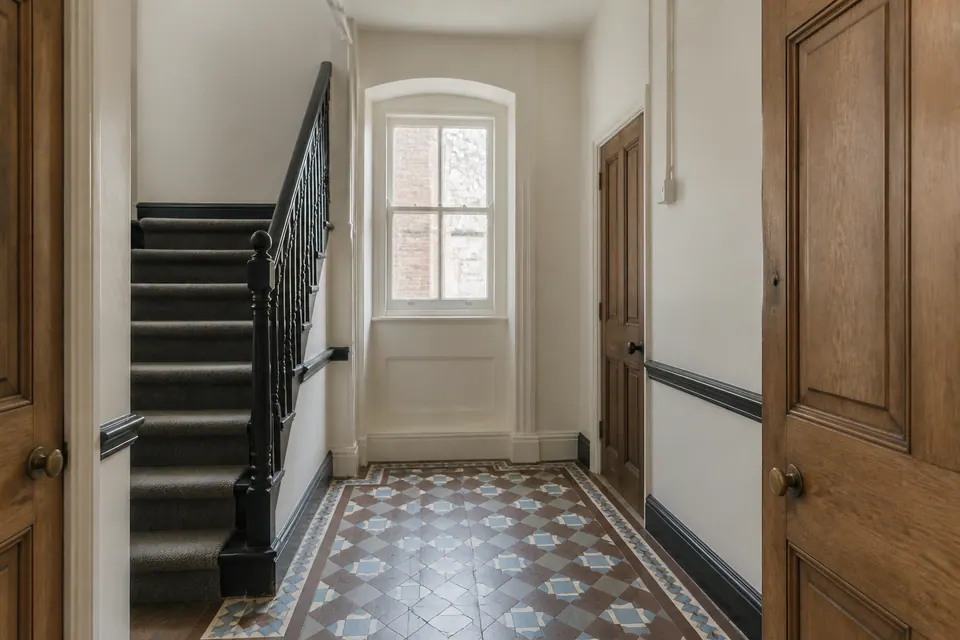
Existing finish · visible change · realistic outcome
01 / LOCATE THE ISSUE
The same room can contain several coatings and materials. Identify the marked face and any existing deterioration rather than assuming every visible patch can receive identical work.
Show the edge of the reveal and any lifting coating. Distinguish this from a frame defect, which may involve another material or repair task.
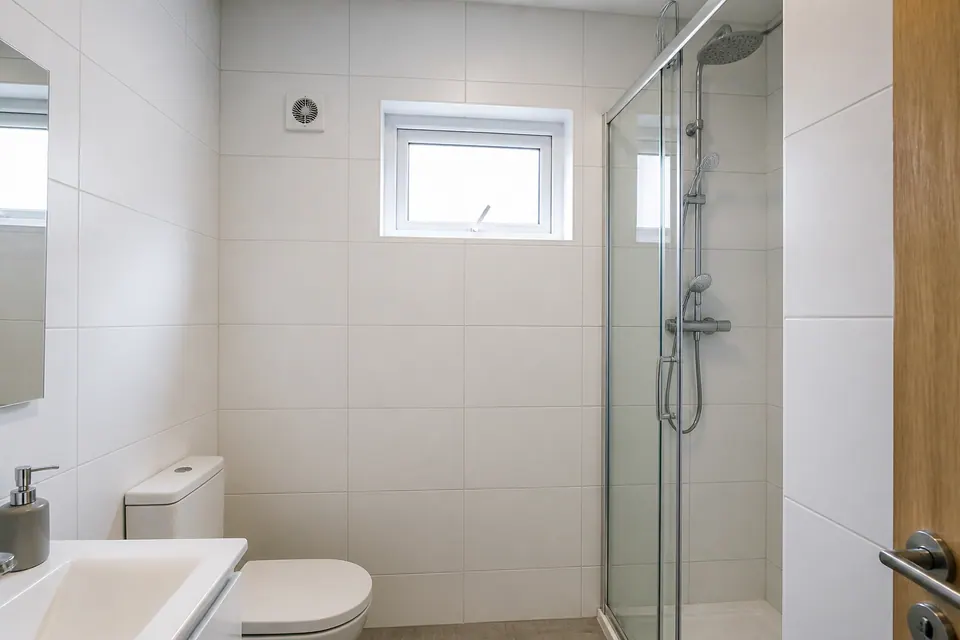
Explain peeling or blistering already visible. Do not apply another layer to make the photograph look tidier before suitability is discussed.
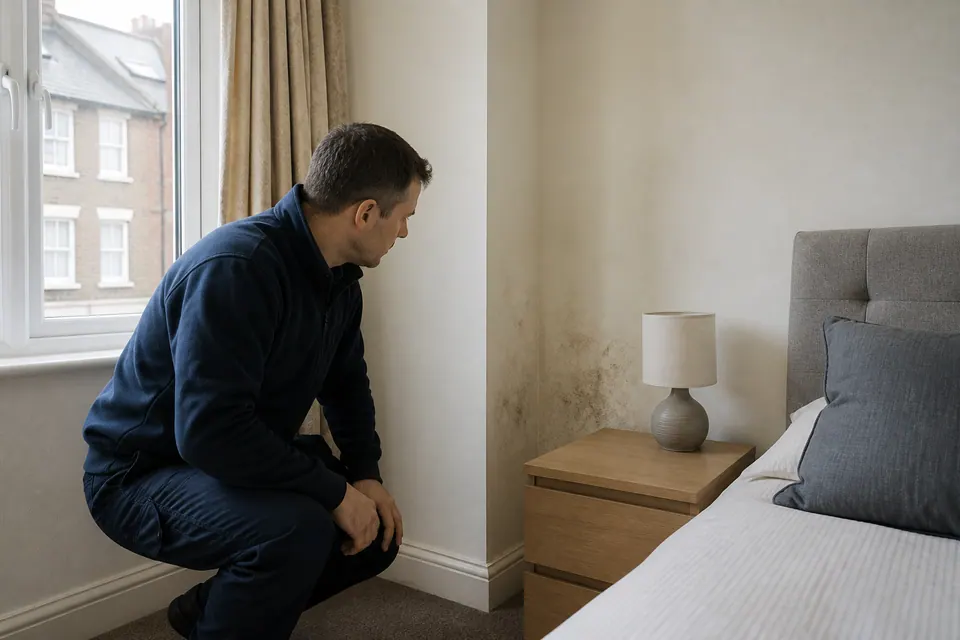
Mention wallpaper or a textured finish where known. Avoid lifting an edge to inspect behind it for the initial enquiry.
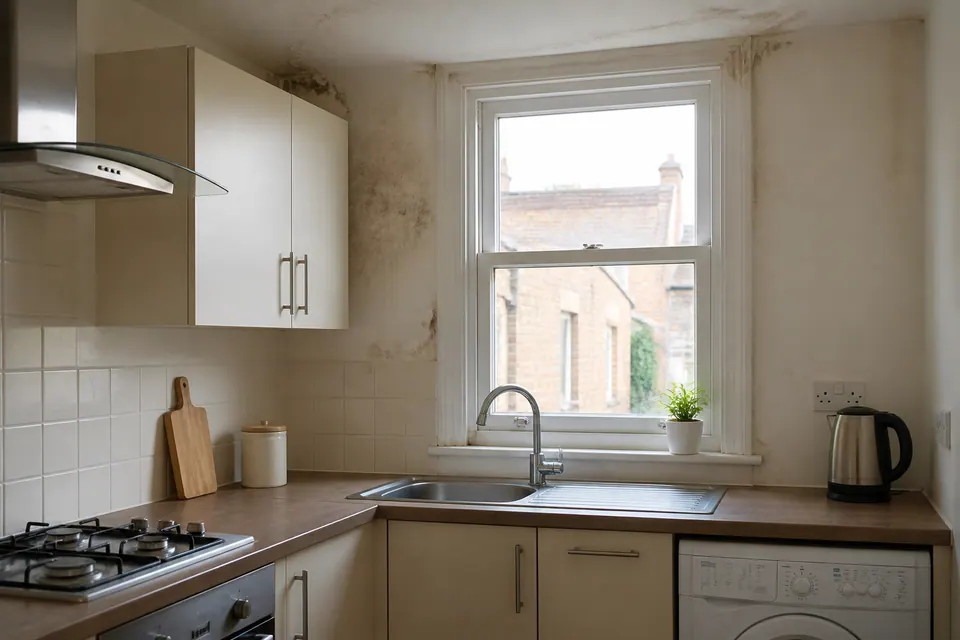
Show whether the concern is on paint, a panel or another exposed material. A request about the entire kitchen can obscure that distinction.
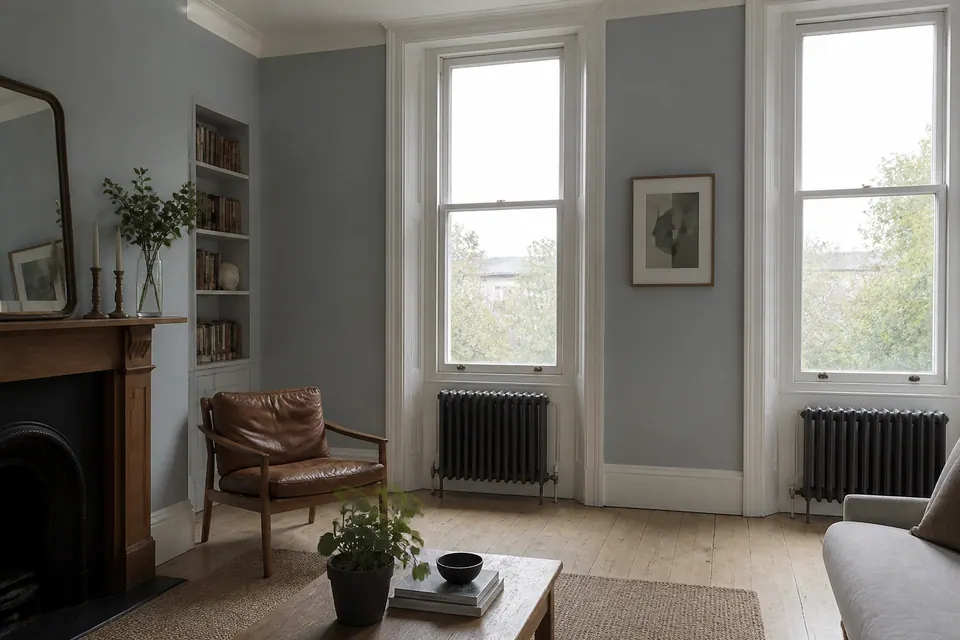
Describe the finish and any appearance requirements, but do not assume growth removal includes restoration or a matched decorative result.
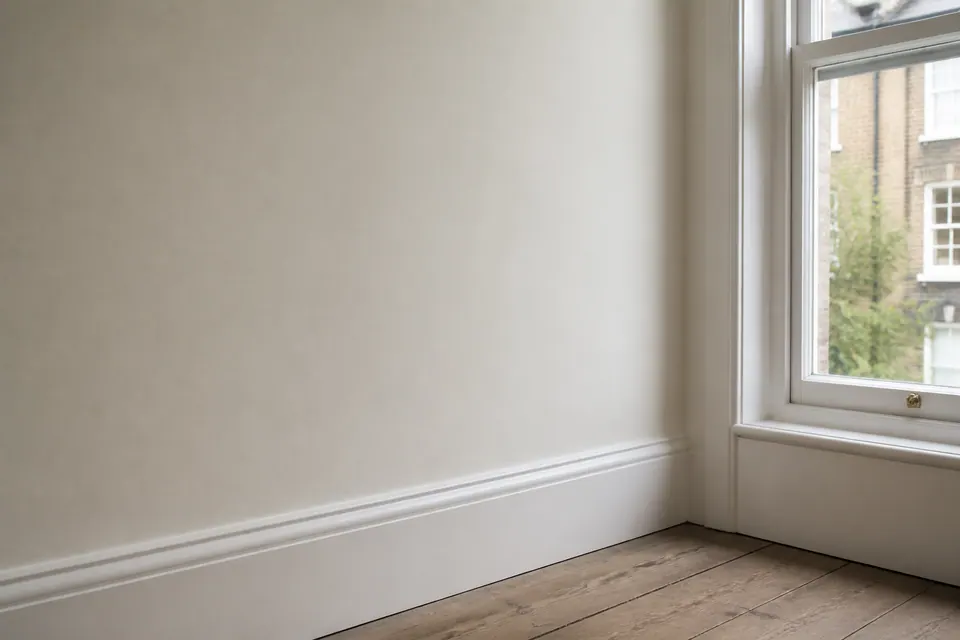
Take the view from floor level. Do not reach up to test adhesion or remove loose sections for the photograph.
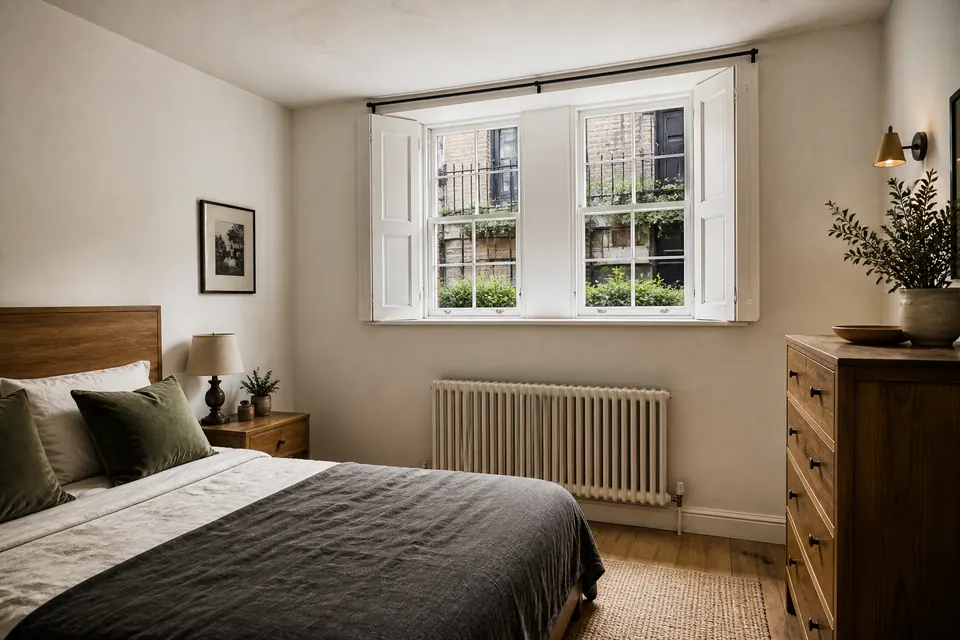
Identify the visible lining material if known and state any damage already apparent. Hidden backing remains a separate unknown.
An initial enquiry should record deterioration, not create more of it. Leave uncertain material information open rather than testing the surface yourself.
Barnes / ACCESS & PEOPLE
Explain the coating and date where known. New decoration does not establish that the current material is suitable or undamaged.
Mention the pattern and any matching concerns before assuming that surface treatment includes conservation or replacement.
Keep the proposed reinstatement separately identified so the treatment decision is not based on a promised future finish.
Show the present condition without testing or removing material. An ordinary description is useful even when the exact product is unknown.
Share the appearance expectations and exclusions with everyone arranging the visit or later decoration.
Ask directly what treatment can achieve and which repair or specialist decorative requirements need another arrangement.
Barnes / THE PROPERTY BRIEF
Explain what you want to preserve.
A homeowner may be concerned about a patterned covering, textured coating or recently decorated wall as well as the visible mark. Include those concerns at the start. Suitable mould treatment and decorative conservation are not automatically the same service, and the existing condition may limit the result that can reasonably be offered.
04 / WHEN IT COMES BACK
State what was changed previously: wiping, treatment, a new coating or a confirmed repair. Those actions are not interchangeable. Give dates where known and describe the current finish without assuming an earlier decorative change resolved the moisture question.
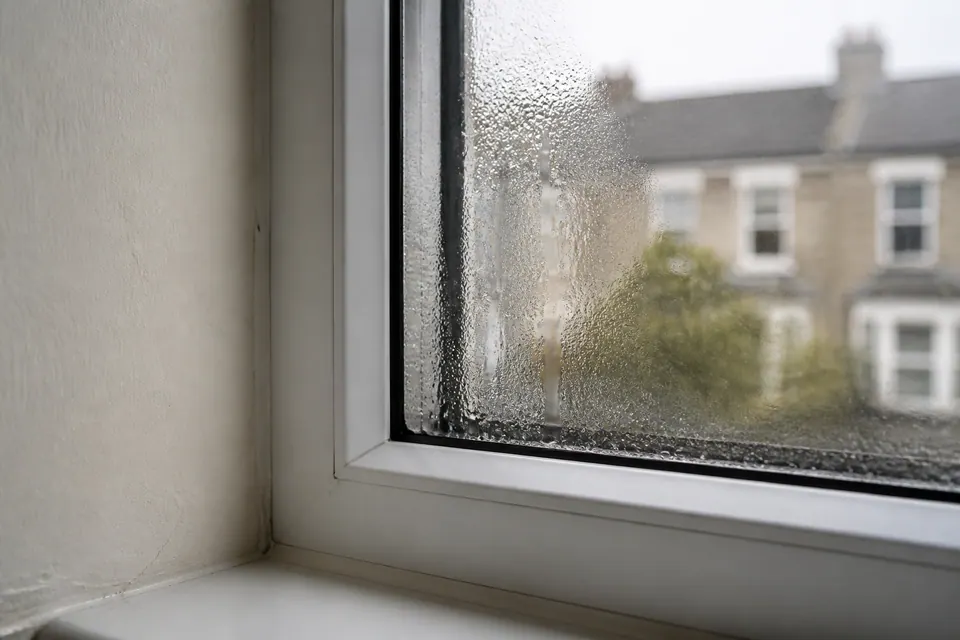
Continuing moisture can allow growth to return. Repeated decoration over the same position should not replace consideration of that condition and the suitability of further surface work.
A dated view before and after a known intervention can clarify the sequence, but it does not establish the cause or promise the next outcome.
05 / A CONTROLLED APPROACH
Consider the visible growth and deterioration without requiring test removal or a changed coating first.
Clarify what should remain undisturbed and what access is needed for the assessed work.
Carry out the suitable surface work within the agreed limits. An unsuitable or damaged layer may need a separate decision.
Distinguish treated growth, residual staining and decorative repair so the result is not described more broadly than the work performed.
The existing finish and the agreed scope determine what can reasonably be expected.
Record the condition as it stands.
Consider the actual material.
Clarify any remaining repair task.
The pictured stages are illustrative, not evidence of a customer’s restored decorative finish.
06 / QUOTATION, NOT GUESSWORK
A request to restore a wall can be much broader than a mould-treatment request. Explain the affected material and visible deterioration, then ask which result the proposal concerns. Do not compare a surface-treatment quotation with a full decorative repair as if they include the same work.
Read the main service’s quotation information ↗| Area described | Possible quotation approach | Separate requirement |
|---|---|---|
| Small suitable accessible patch | Photographs may support a quote | A newly decorated appearance |
| Repeated or multiple positions | Assessment of the extent | Unreported additional surfaces |
| Damaged layers or complex damp | Specialist quotation where required | Repair or replacement of material |
Ask which limitations apply before accepting the work. No price or outcome should be inferred simply from the size of the darkest part of the mark.
07 / SEPARATE THE QUESTIONS
Discolouration, loose decoration and suspected growth can appear together without being one problem. Give each observation its own place in the enquiry so suitable treatment is not confused with repairing the finish.
| Change noticed | Information to add | Decision to clarify |
|---|---|---|
| Spotting on an intact painted face | The present patch dimensions | Suitable surface treatment |
| Paint lifting near the mark | Known water or repair history | Whether reinstatement is required |
| An altered wallpaper edge | The covering where known | Material suitability and limits |
| A stained but uncertain surface | When the change was noticed | Identification rather than an assumed diagnosis |
Residual staining and damaged decoration can remain separate from suitable growth treatment. Ask about realistic limitations before assuming the wall will look newly finished.
Its visible condition can prompt questions without identifying why excess moisture is present.
| Question | Mould | Damp |
|---|---|---|
| Subject | Possible fungal growth on the finish | Excess moisture affecting the setting or material |
| Description | Spots and their visible boundary | Wetness, staining or confirmed incidents |
| Limit | Removal may not restore damaged decoration | A visible mark does not establish the source |
| Next question | What treatment is suitable here? | What investigation or repair may be needed? |
08 / ROOM-BY-ROOM CONTEXT
Include existing peeling rather than describing only the dark spots.
Mention a covering or textured coating and any changed edge.
Identify the exposed finish separately from panels and fittings.
State any delicate decoration or matching requirement.
Clarify the authorised area and existing finish before including it.
Provide known moisture history alongside the material condition.
09 / DIRECT ANSWERS
Do not test a fragile finish for the enquiry. Show the existing condition and ask about appropriate treatment and preparation.
That should not be assumed. Reinstating a deteriorated coating is a separate matter from treating suitable growth.
No matched restoration result should be inferred from surface treatment. Explain the appearance requirement and ask what is actually offered.
They may help with a small suitable accessible area. Damage, recurrence or a more complex concern can require assessment or a specialist quotation.
No. Another coating does not replace appropriate treatment and consideration of moisture.
Provide a plain description and any reliable records. Do not scrape or strip it merely to identify it for the enquiry.
Not automatically. A moisture-source repair and the proposed surface work need separate scopes.
Clarify the remaining material condition and relevant instructions first. The end of a treatment visit is not a universal decorating deadline.
Barnes / PLAN THE APPOINTMENT
Send the postcode, current images and what is known about the coating. Confirm the proposed next step before arranging stripping, repairs or redecoration.
Mention delicate material and practical access early so preparation is based on the actual position.
Load the area map.
Barnes / BEFORE BOOKING
Clarify material questions before asking for a particular appearance.
A neighbouring intact section can help show the finish and the visible change. It does not guarantee a matched result after treatment.
Do not disturb the material solely for the enquiry. Describe what is already visible and ask about the appropriate next step.
Share reliable information that identifies the coating or covering. Keep it separate from assumptions about its current condition.
Staining and growth are different concerns. Ask what result was included and what remaining appearance needs separate consideration.
No replacement or decorative matching should be assumed within a surface-treatment proposal.
Identify its location and extent alongside the visible mark, without testing adhesion or removing more material.
Explain both requirements, but wait for their actual availability and separate scopes to be clarified.
Send a current update so an earlier photograph is not relied on as the present condition.
No permanent guarantee should be inferred from repainting. Unresolved moisture or other contributing conditions may still need attention.
Barnes / CONDITION BEFORE APPEARANCE
Send current photographs, the postcode and any reliable material information. Explain the result you hope for and ask what suitable work can be considered.
The interiors illustrate material concerns; they are not records of restored customer decoration or promises of an identical finish.
