
Cupboard finding
Name the shelf and item before contents are rearranged.
PEST CONTROL / BRIXTON
Kitchen activity in a busy household.
Keep the useful detail between everyday routines.
In a frequently used kitchen, contents move, surfaces are cleaned and different people notice different things. For a Brixton enquiry, record the cupboard and time of each finding, plus cleaning or products used afterwards. That is more useful than guessing when unseen activity happened.
03 / OBSERVATION CHECKLIST
A small factual note can preserve information lost during routine cleaning.
Avoid opening suspect packets or disturbing contamination to obtain more detail.
Name the shelf and item before contents are rearranged.
Record the fitting and approximate time it was actually observed.
State what was cleaned without claiming that all activity was removed.
Give the name and application position where known.
Keep the source attached rather than merging several retellings.
Record it independently instead of assuming every household sign belongs to the kitchen concern.
BRIXTON / PROPERTY CONTEXT
A finding may be noticed before a surface is wiped or a packet moved. Record those actions so the next person does not assume the original position is unchanged.
Note the sighting or damage, its position and the date. Add relevant cleaning and products separately rather than trying to infer activity from the busiest or quietest part of the day.
If several people use the room, ask what each actually saw and what each applied. Unknown product details should remain unknown until clarified.
Discuss preparation that works for the household and chosen method. Do not continue using treated areas solely because the kitchen needs to remain convenient.
04 / AT A GLANCE
08 / THE CONTROL PLAN
Findings and actions should remain separate in the record.
The event history and accessible signs can be considered alongside cleaning or products that altered visibility.
The chosen method needs practical preparation and room-use guidance understood by the people using the kitchen.
New sightings and routine changes should remain identifiable so review does not rely on a general impression of cleanliness.
10 / PROBLEM → TREATMENT → CONTROL
Cleaning changes what can be seen. Assessment and later evidence, interpreted through the agreed review, determine the next step.
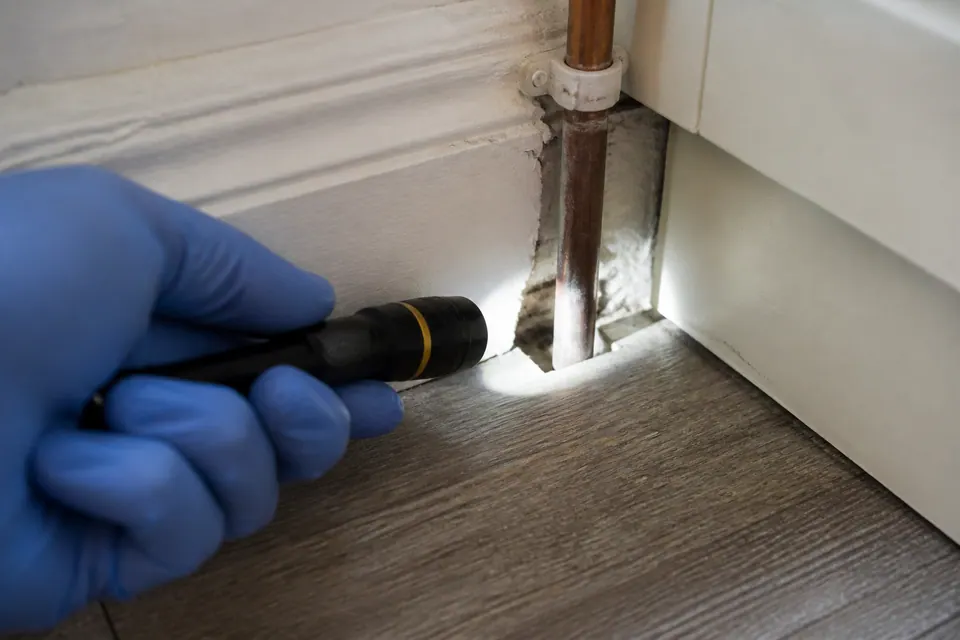
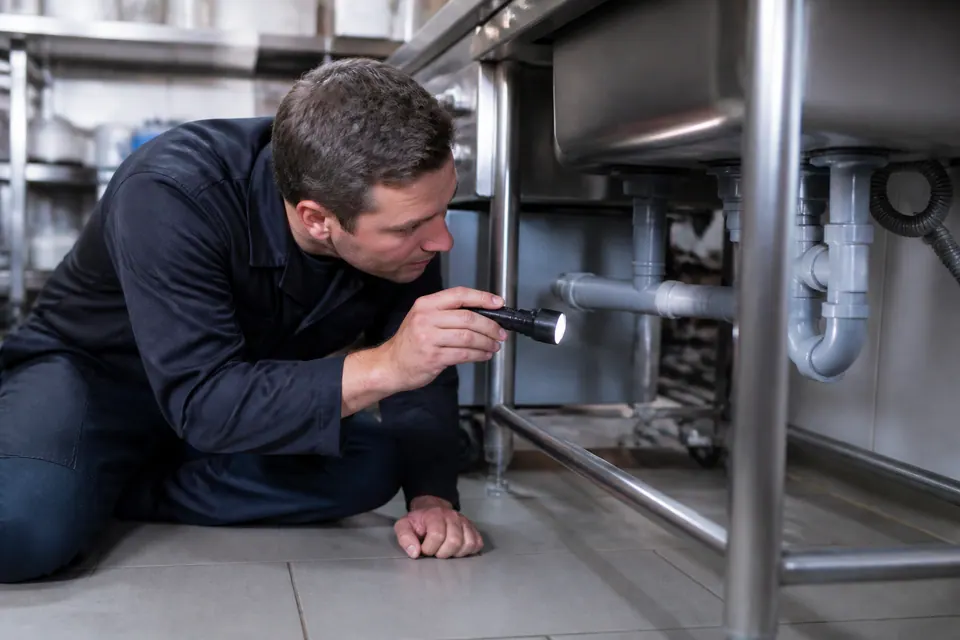
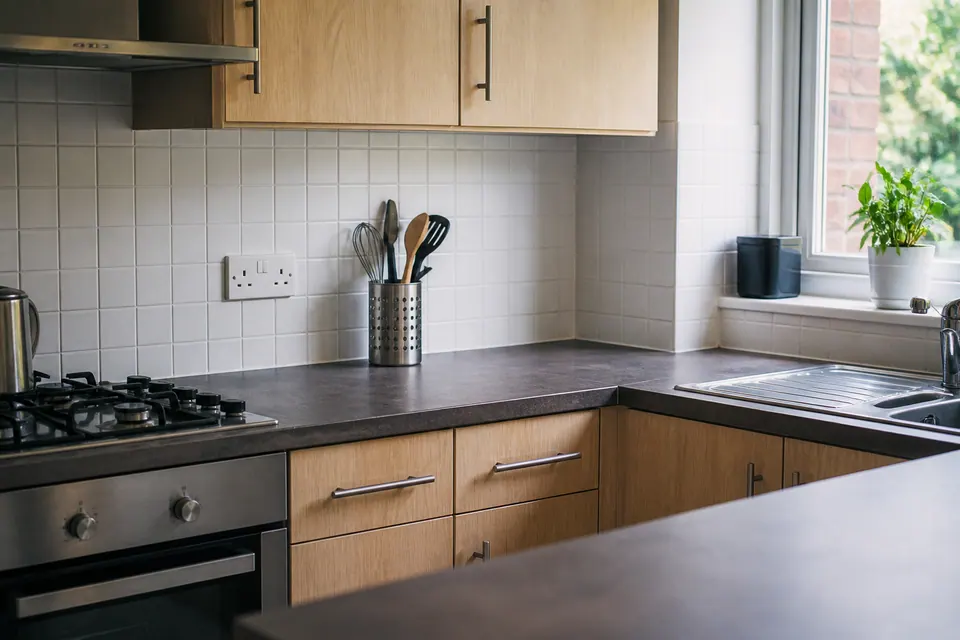
Generated scenes are not a Brixton kitchen customer’s before-and-after or treatment outcome.
07 / SCOPE BEFORE A QUOTE
A kitchen in constant use still needs a defined programme. Confirm what is included and which preparation or household restrictions the proposal assumes.
from £120
See published service pricingfrom £150
See published service pricing| Service | Pricing basis | Price |
|---|---|---|
| Mice control | Mouse evidence in storage | Assessment-led quote |
| Rat control | Rat concern and programme | Scoped quotation |
| Proofing / repairs | Additional repairs or separate tasks | Explicit additional agreement |
Guides checked on 27 August 2026 are starting amounts. Confirm Brixton coverage and the total proposal rather than assuming repeated surface cleaning resolves the concern.
01 / START WITH THE EVIDENCE
Routine use can change what remains visible without identifying the pest.
Damaged packets or marks in household storage.
Mice controlA larger rodent sighting at a precise position.
Rats controlPhysical signs at a sleeping area, reported separately.
Bed bug treatmentRepeated insects near kitchen fittings.
Cockroaches controlDescribe the shelf and damaged item without handling suspect contamination. Include any separate direct sighting rather than assigning every mark to mice.
State where the animal was seen and how certain the observation was. Do not identify it solely from a noise near the kitchen.
Report physical sleeping-area signs directly. Kitchen use or skin irritation does not establish a bed bug concern.
Name the fitting, times and earlier products. A surface clean can change visibility but is not a diagnosis or a treatment outcome.
05 / PROPERTY BRIEF
Explain who uses the room and which observations are direct.
Identify products and findings from different users accurately.
Name affected shelves and movement of contents.
Explain access limitations without unsafe movement.
Check suitability and requirements separately; residential treatment is not a commercial kitchen programme.
Check the premises requirements06 / SIGNS → LOCATION → NEXT STEP
| Pest problem | Signs to describe | Areas to mention | Next step |
|---|---|---|---|
| Mice | Damaged packaging | Original shelf and item | Request assessment without opening suspect contents. |
| Rats | Larger rodent sighting | Actual observed position | Separate it from assumptions about kitchen noises. |
| Bed bugs | Physical bed marks | Sleeping-area location | Report independently of the food-storage concern. |
| Cockroaches | Recurring insects | Fitting, event and previous product | Explain cleaning that changed visibility. |
MAKE THE ENQUIRY SPECIFIC
Keep its original position and describe what changed.
Ask for the details and disclose what is known.
Say what was done without claiming that no signs can remain elsewhere.
Give that separate position rather than assuming a whole-kitchen pattern.
09 / FROM FIRST CONTACT
Expand the stages before applying another product or clearing the room.

Record cupboard, fitting and date.
Mention cleaning, moved contents and products.
Ask what the proposed assessment and method include.
Make sure kitchen users receive the actual preparation and restrictions.
Do not count an old mark rediscovered after cleaning as new automatically.
Use the record to clarify monitoring, another visit or separate maintenance.
13 / CLEAR EXPECTATIONS
The actual item, sighting and position.
Cleaning, movement or products used afterwards.
The booking-specific preparation and room-use guidance.
ADDRESS AND AVAILABILITY
Provide the postcode and the person coordinating access and preparation with the kitchen users.
Check availability before reorganising household routines. The map is an area reference, not an Alesta kitchen-service location.
Open Brixton in Google Maps ↗BRIXTON / QUESTIONS
Record the position and what was noticed before cleaning. Say what was subsequently wiped or moved.
Keep each person’s direct observation attributed and avoid counting retellings as new events.
No. Describe the damage and any separate signs without opening suspect contents.
Provide product and location details where known, including applications by other users.
Explain the original and new shelf positions so discovery is not automatically treated as origin.
Not by itself. Cleaning can alter visibility, but the review needs evidence relevant to the identified concern.
Ask for method-specific restrictions and preparation. The kitchen’s daily use does not establish an unrestricted area.
Ensure affected users receive the actual instructions, including any occupancy or aftercare requirements.
Add the position and date as a new entry without assuming a particular spread route.
Follow the chosen method’s aftercare guidance rather than cleaning every treated surface on assumption.
15 / TAKE THE NEXT STEP
Call with the event record, cleaning history and known products. Confirm preparation and scope before improvising another response.
