
Single affected resting area
Describe its physical findings without declaring the whole home affected.
PEST CONTROL / CLAPHAM
One bedroom in a shared home.
Describe the resting area before moving it elsewhere.
When signs appear around one bed, moving to another room can complicate the account of where belongings and people have been. For a Clapham enquiry, describe the physical finding, nearby furniture and separately occupied rooms. Ask for preparation advice rather than treating relocation as the first solution.
05 / PROPERTY BRIEF
Describe its physical findings without declaring the whole home affected.
Arrange the relevant consent and keep accounts distinct.
Explain the furniture’s use and the observed evidence.
Say where contents could realistically remain before a plan is agreed.
Disclose the occupants and practical restrictions relevant to the method.
Discuss your homeCheck suitability separately rather than assuming residential treatment covers every sleeping premises.
Check the premises requirements01 / START WITH THE EVIDENCE
A bedroom report should not be identified from symptoms alone.
Damage or marks in an accessible room or storage point.
Mice controlA direct larger-rodent observation.
Rats controlVisible evidence around a bed or resting furniture.
Bed bug treatmentRecurring insects at household fittings.
Cockroaches controlDescribe the actual object and location without treating every bedroom finding as an insect concern.
Report the sighting independently of bed-area symptoms or assumptions about another room.
Provide physical evidence and nearby furniture details. Irritation alone cannot identify bed bugs or prove other bedrooms are affected.
Keep their fitting and product history distinct from the bedroom report unless assessment establishes relevance.
07 / SCOPE BEFORE A QUOTE
The location of a finding is not automatically the complete treatment scope. Clarify which resting areas and instructions the proposal includes before relying on a guide.
from £120
See published service pricingfrom £150
See published service pricing| Service | Pricing basis | Price |
|---|---|---|
| Mice control | Mouse concern within reported rooms | Assessed quotation |
| Rat control | Rat findings and programme | Scope-specific price |
| Proofing / repairs | Separate repairs or additional tasks | Explicit agreement |
Guides checked on 27 August 2026 provide starting figures. Confirm Clapham coverage and included areas; neither a symptom nor a price establishes identification.
CLAPHAM / PROPERTY CONTEXT
One bed can be the location of a finding without establishing the condition of every sleeping room. Describe the specific area and who can authorise access.
If bedding or furniture has already been moved, record where it went and when. Do not conceal that history or repeatedly relocate items to investigate.
Explain separately occupied rooms and any practical constraints on preparation. Another household member’s room should not be treated as available storage or inspection space without consent.
Ask for instructions reflecting the suspected pest and proposed method before changing sleeping arrangements. A generic response can obscure the original positions.
08 / THE CONTROL PLAN
Movement history should remain visible, not be treated as an embarrassment to omit.
Evidence and relevant belongings history can be considered while symptoms and unexamined bedrooms remain distinct.
The selected method should have clear instructions for the actual spaces and occupants rather than an assumed relocation plan.
Later findings should identify the resting place and any relevant movement since the original report.
09 / FROM FIRST CONTACT
Expand the sequence to prepare a useful enquiry.
Give the bed or sofa and nearby physical evidence.
Say where bedding or furniture already went.
Identify separately occupied rooms and relevant consent.
Do not use another bedroom as an assumed holding area.
Keep room positions separate from a general impression of spread.
Use the current evidence to clarify review or further attendance without assuming one intervention guarantees clearance.
06 / SIGNS → LOCATION → NEXT STEP
| Pest problem | Signs to describe | Areas to mention | Next step |
|---|---|---|---|
| Mice | Damage or rodent-like marks | Actual item and room | Request assessment of that concern. |
| Rats | Larger rodent sighting | Observed position | Do not infer from bedroom symptoms. |
| Bed bugs | Physical bed-area signs | Named bed and nearby furniture | Ask for identification and preparation advice. |
| Cockroaches | Recurring kitchen insects | Fitting and event history | Keep separate from bedroom evidence. |
03 / OBSERVATION CHECKLIST
Record the original resting position and relevant movement.
Avoid handling unknown insects or transferring suspect material to improve a photograph.
Name its precise position on the furniture.
Describe the object and whether it was moved after discovery.
Keep any actual finding there separate from an assumption of spread.
Mention them distinctly from physical identification.
Give the destination and date honestly.
Record it as its own concern rather than adding it to the bedroom diagnosis.
04 / AT A GLANCE
10 / PROBLEM → TREATMENT → CONTROL
Changing rooms changes household movement, not necessarily the underlying concern. Use assessment and the agreed review rather than treating relocation as a result.
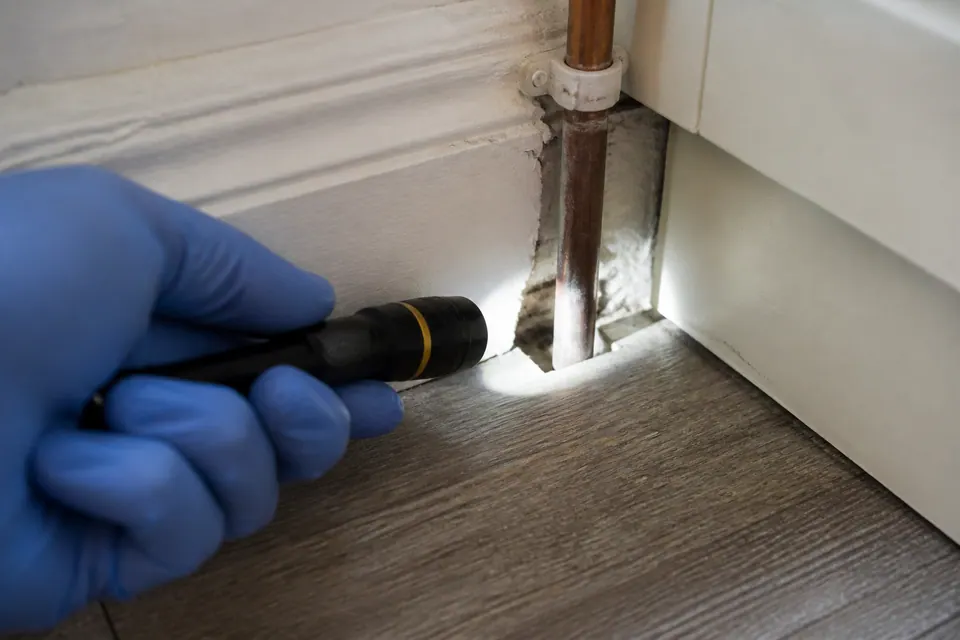
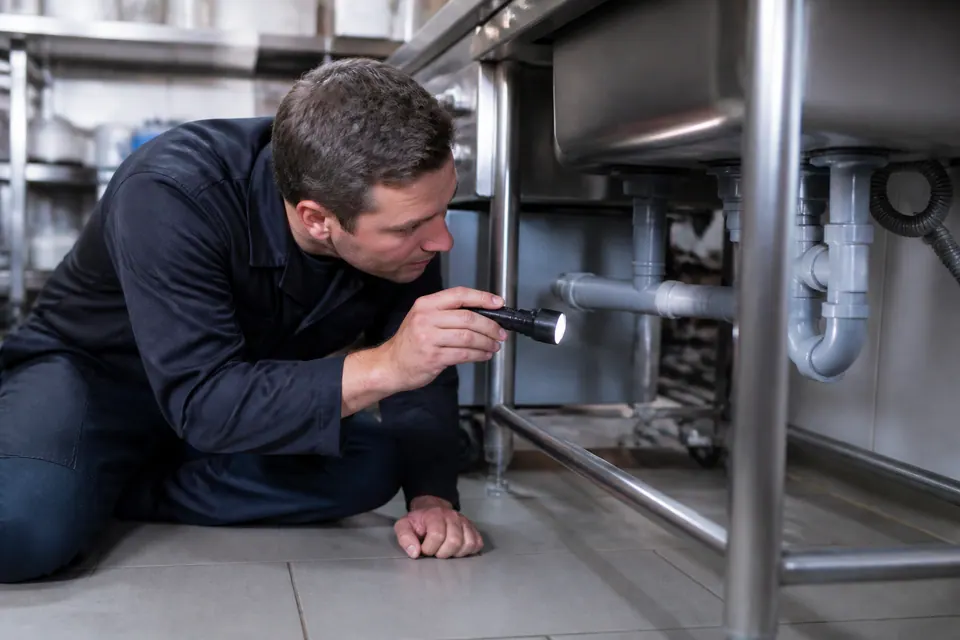
Generated scenes are not a Clapham bedroom customer’s before-and-after or a guarantee of clearance.
MAKE THE ENQUIRY SPECIFIC
Give the destination and timing so the assessor has the actual history.
Do not assume it is available for storage or assessment without consent.
State that there is no physical evidence so far instead of declaring a species.
Describe its use and finding position directly rather than treating it only as living-room furniture.
ADDRESS AND AVAILABILITY
Supply the postcode and who can admit the assessor to the agreed sleeping areas.
Check availability before reorganising household sleeping plans. The map is an area reference rather than an Alesta treatment premises.
Open Clapham in Google Maps ↗13 / CLEAR EXPECTATIONS
What was actually observed around the resting area?
What has already moved, where and when?
What preparation fits the selected method and household?
CLAPHAM / QUESTIONS
Describe the physical finding at that bed. Do not automatically declare other rooms affected.
Mention the symptoms separately and say whether physical signs have been found. They do not identify a pest alone.
Give the destination and timing honestly so the assessment can consider the actual history.
Ask for preparation advice before treating another resting area as the solution.
Only with the relevant consent and scope; separate occupancy should be respected.
Identify the precise finding and any movement of the furniture since discovery.
No. The assessed scope should name the areas included rather than infer them from one bed.
Follow the chosen method’s specific household instructions. Another person’s waiting period is not a rule for the booking.
Keep it distinct with its own fitting, date and product history.
Add the precise new position and any intervening movement, without rewriting the original account as a proven spread route.
15 / TAKE THE NEXT STEP
Call with the resting-area findings, household access and any movement already made. Confirm preparation and scope before changing the sleeping arrangement.
