
Mice
Packets damaged at the bottom of a food cupboard.
Mice controlPEST CONTROL / CHELMSFORD
An evidence-led availability enquiry.
Start with a clear account.
When seeking help in Chelmsford, give enough detail to establish both the problem and whether it can be covered. Avoid preparing for a particular method before the service and booking requirements are confirmed.
01 / START WITH THE EVIDENCE
A description can point the conversation in the right direction. It cannot replace identification at the property.
Packets damaged at the bottom of a food cupboard.
Mice controlA larger animal noticed beside an outside wall.
Rats controlUnexplained specks or shed material on bedroom furniture.
Bed bug treatmentInsects repeatedly disappearing beside kitchen fittings.
Cockroaches controlInclude the shelf height and whether similar damage appeared elsewhere. Avoid collecting droppings to make the report more convincing.
Say whether the animal was seen directly or inferred from noise. Separate a garden sighting from any marks indoors.
Photographs of visible furniture details are more useful than a diagnosis based on bites. Mention recent changes to sleeping arrangements.
Describe shape and movement only as clearly as you remember them. A blurred picture is worth labelling as uncertain, not naming confidently.
09 / FROM FIRST CONTACT
These steps describe decisions, not promised dates. Coverage and the actual programme must be confirmed for the address.

Send the postcode with one clear account. Label supporting photographs rather than relying on an uncaptioned image collection.
Explain which details are direct observations and which are estimates. The assessor can then identify what still needs checking.
Ask how the proposal addresses the reported spaces, what remains inaccessible and whether additional attendance could be needed.
Preparation should come from the selected service. Avoid applying another product while waiting without telling the team.
Date fresh findings independently so an old photo is not mistaken for recurrence. Follow the monitoring guidance given for the booking.
If maintenance is recommended, identify the person who can arrange it. Treatment and building alterations remain different pieces of work.
08 / THE CONTROL PLAN
Keep three different decisions separate: what is happening, what should be done and whether the response is working.
Inspection adds accessible physical evidence to the report. Where identification remains unclear, that uncertainty should remain explicit in the discussion.
An agreed intervention specifies its boundaries and preparation. It should not silently expand a local finding into treatment of every room.
A review compares new information against the original account. Changes in storage, access or occupancy may explain differences that photographs alone cannot show.
05 / PROPERTY BRIEF
Give the flat designation as well as the street address. A photograph of an entrance does not explain which dwelling contains the signs.
Mention inaccessible cupboards or enclosed floor spaces without claiming they contain the source. Opening the fabric is not automatically part of an inspection.
Keep the landlord’s correspondence alongside your own observations. Agreement about who commissions the work needs to be separate from identifying the problem.
Ask residents to name their own locations. Several messages referring to “the kitchen” are not interchangeable when they describe different homes.
Explain how the affected area is normally used, including people and animals who need to be considered in preparation.
Discuss your homeIf the enquiry concerns business premises, ask about suitability first. Residential pricing does not confirm commercial provision, documentation or contractual coverage.
Check the premises requirementsCHELMSFORD / PROPERTY CONTEXT
A report assembled from several conversations can exaggerate what is known. Write down each observation before combining them into a household account.
Start with the postcode and ask whether Alesta can consider the specific residential problem there. This page is a planning guide, not an appointment confirmation.
For each photograph, name the room and the object it shows. Keep the original date; a picture forwarded today may depict something found months ago.
If a neighbour mentioned activity, identify that as a separate report. It may be relevant context, but it does not establish the condition inside your home.
07 / SCOPE BEFORE A QUOTE
Chelmsford enquiries need an address check and a defined proposal. The two starting prices below are service guides, not a tariff for every finding.
from £120
See published service pricingfrom £150
See published service pricing| Service | Pricing basis | Price |
|---|---|---|
| Mice control | Activity, access and programme | Quote after assessment |
| Rat control | Internal / external routes and visits | Quote after assessment |
| Proofing / repairs | Surveyed openings and separate work | Quoted separately |
Before agreeing payment, ask which areas, attendance and review arrangements the figure includes. Published guides were checked on 27 August 2026; confirm current terms directly.
06 / SIGNS → LOCATION → NEXT STEP
| Pest problem | Signs to describe | Areas to mention | Next step |
|---|---|---|---|
| Mice | Chewed packet photographed on discovery | Food cupboard and adjoining accessible edge | Ask what additional room information would help |
| Rats | An animal seen beyond the back door | Outside wall, then any independent indoor findings | Describe the sighting without joining unproven routes |
| Bed bugs | Visible marks where a headboard meets the bed | Bedroom fittings that can be viewed safely | Request identification before rearranging belongings |
| Cockroaches | Repeated insects beside the same appliance | Kitchen position and any known moisture issue | Mention earlier products and the dates used |
04 / AT A GLANCE
03 / OBSERVATION CHECKLIST
The best starting record distinguishes something observed once from a pattern that can be described.
Leave suspect material undisturbed; gathering a sample is not necessary for the first conversation.
Record when you first noticed the finding, even if its age is unknown. Do not replace the discovery date with a guess.
Note whether it appeared in the same position or a different room. Both matter more than simply saying the problem is worse.
Describe the direction and time of the sound without assigning an animal to it. Mention whether anyone else heard it independently.
Retain the picture but explain its limitations. Do not move into an unsafe position merely to obtain a sharper version.
Say if cleaning, redecorating or moving furniture changed what could be seen between observations. This affects how pictures can be compared.
Keep another resident’s account under their name and date. A second-hand sighting should not become a confirmed household finding.
10 / PROBLEM → TREATMENT → CONTROL
A newly cleaned room changes its appearance. It does not, by itself, answer whether the earlier activity continues.
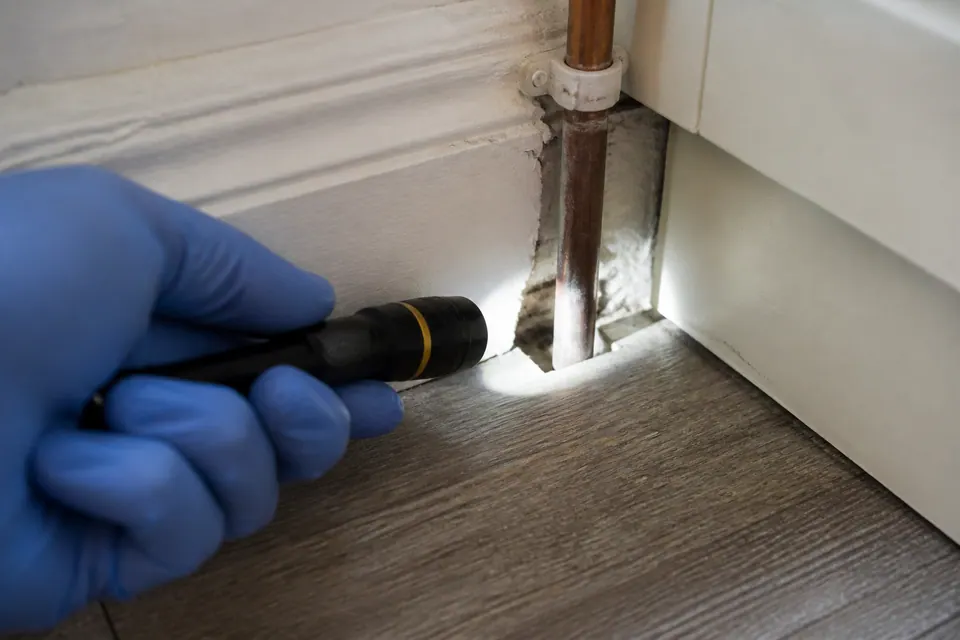
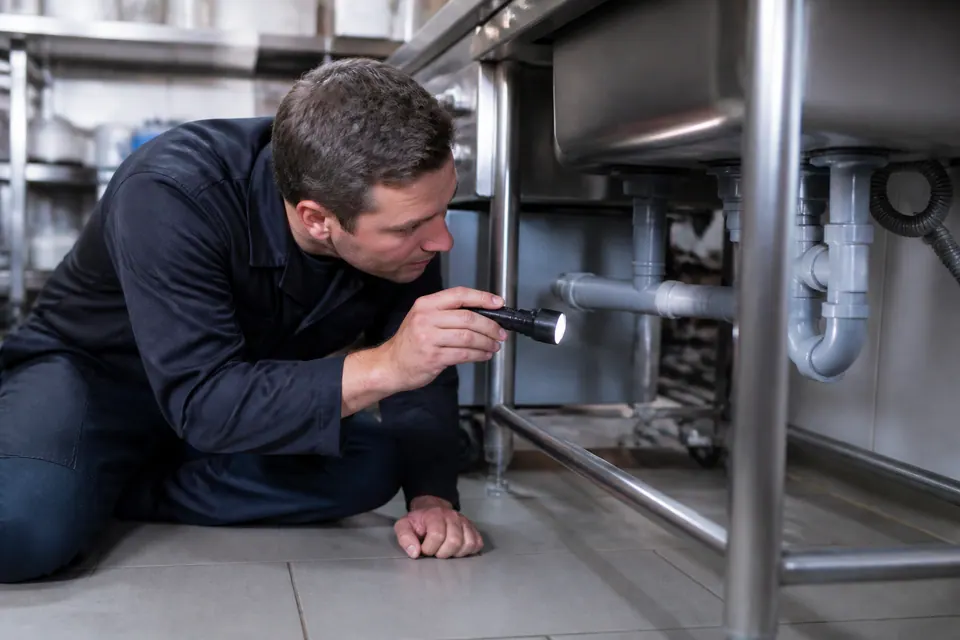
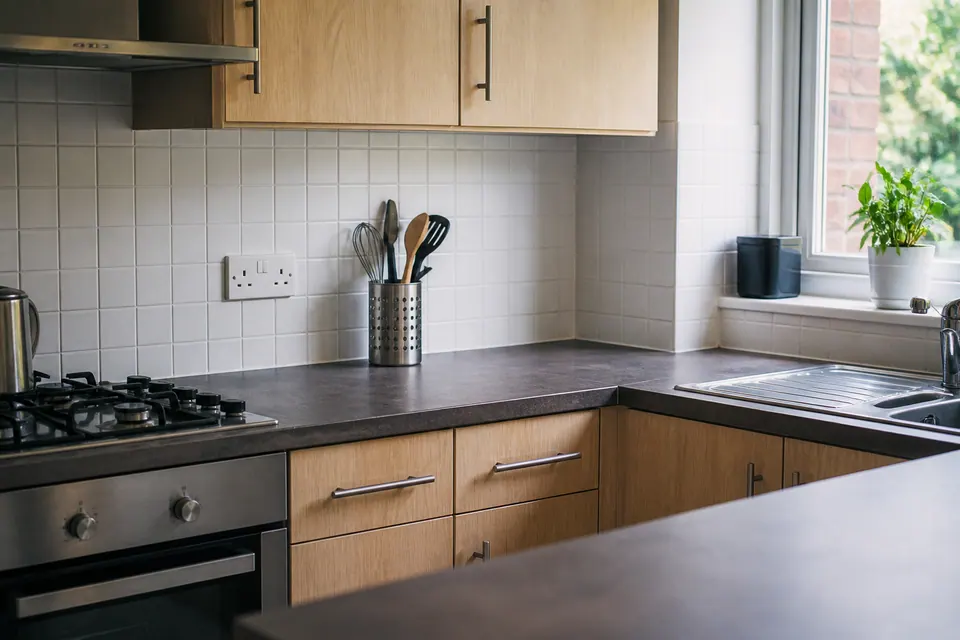
The illustrations explain stages of assessment; they are not Chelmsford customer photographs or evidence of a successful treatment.
MAKE THE ENQUIRY SPECIFIC
Retain the original discovery date in the caption. The date a message was sent is not necessarily the date the pest sign appeared.
Check whether the reports are independent before counting them as repeat activity. Both witnesses may be recalling one event.
Explain when stored items were removed. Findings uncovered during clearing cannot automatically be described as newly created damage.
Keep separate entries until assessment supports a connection. Proximity to a door is not proof that it was the point of entry.
ADDRESS AND AVAILABILITY
Use the postcode to confirm whether the requested residential service can be considered for your property.
The map provides geographical context only. Give the actual entrance and contact arrangements separately; no attendance follows from viewing the location.
Open Chelmsford in Google Maps ↗13 / CLEAR EXPECTATIONS
A tentative identification should remain tentative until there is enough support to choose appropriate work.
The quote should connect the reported problem to particular spaces and tasks, rather than an undefined promise to treat everything.
Ask what to record after attendance and where to send it, so progress does not depend on a general impression.
CHELMSFORD / QUESTIONS
Use an approximate period and say it is approximate. False precision makes a timeline harder to interpret when other evidence arrives.
Yes. Explain whether you photographed an unchanged finding repeatedly or saw fresh material on separate occasions. Those are different accounts.
Ask for the location and original date if available. Do not present another person’s photograph as something you inspected yourself.
A simple room label or description of the cupboard position can help. It need not become a detailed building survey.
No. Describe what you actually observed and ask which service might be appropriate. Avoid forcing the report into a mouse or rat label.
No collection is required for an initial enquiry. Keep away from suspected contamination and do not disturb nests or concealed spaces.
You may mention it as context, while making clear that no independent signs have been found inside your property.
Ask what information is needed to develop a proposal. An uncertain pest report does not support a reliable fixed treatment price.
Not unless the address, service and appointment have been explicitly agreed. Continue to distinguish discussion from a confirmed booking.
Create a new dated entry with its room and position. Explain what changed instead of replacing the original account with an undated summary.
15 / TAKE THE NEXT STEP
Tell Alesta what you found and how certain you are about it. Begin with an address check, then discuss the evidence that would shape an assessment.
