
The main dwelling
List the rooms containing evidence.
PEST CONTROL / MILTON KEYNES
Defining the work before a visit is offered.
A property boundary is not the same as an agreed work boundary.
For a Milton Keynes enquiry, coverage and scope come before a proposed date. Describe the evidence, the residential areas involved and any separate structures that should not be silently added to a booking.
04 / AT A GLANCE
05 / PROPERTY BRIEF
List the rooms containing evidence.
Explain access and whether it is part of the requested scope.
Give its use and findings rather than only its existence.
Clarify occupants, permission and entrance.
Confirm commercial suitability separately from the home enquiry.
Check the premises requirements01 / START WITH THE EVIDENCE
Avoid describing several structures as one unspecified affected property.
Possible small-rodent signs in a particular store or room.
Mice controlA sighting or larger suspected traces.
Rats controlPhysical evidence around sleeping furniture.
Bed bug treatmentRepeated activity around indoor fittings.
Cockroaches controlState whether the storage is within the dwelling or separate.
Identify the actual structure or outside point.
Name the room and furniture; symptoms alone are not identification.
Specify which kitchen and any products already used.
MILTON KEYNES / PROPERTY CONTEXT
Check coverage for the complete postcode before requesting attendance. The location page does not confirm availability.
List each separate structure being mentioned: distinguish where evidence exists from places you merely want considered. Do not silently expand the dwelling enquiry.
Access, use and permission can differ between spaces at the same address. Explain those differences before assuming one proposal covers them all.
Once suitability is established, ask which buildings, rooms and tasks could be included. Timing should follow that defined scope rather than substitute for it.
07 / SCOPE BEFORE A QUOTE
An address-wide description can conceal important differences in buildings, access and use.
from £120
See published service pricingfrom £150
See published service pricing| Service | Pricing basis | Price |
|---|---|---|
| Mice control | Activity, access and programme | Quote after assessment |
| Rat control | Internal / external routes and visits | Quote after assessment |
| Proofing / repairs | Surveyed openings and separate work | Quoted separately |
Guides checked 27 August 2026. Confirm current coverage, totals and exclusions. Additional structures, repairs and clearance are not included merely because they share an address.
03 / OBSERVATION CHECKLIST
A consistent building name prevents later reports being mistaken for the original location.
Do not enter unsafe structures or disturb suspect contamination to extend the report.
Name the structure and accessible position.
Describe the object and where it was kept.
State the audible location without claiming a concealed route.
Identify the room and furniture surface.
Explain recurrence at the particular kitchen point.
Keep the sighting separate from evidence in buildings.
06 / SIGNS → LOCATION → NEXT STEP
| Pest problem | Signs to describe | Areas to mention | Next step |
|---|---|---|---|
| Mice | Possible small-rodent traces | Named store or room | State whether within the dwelling |
| Rats | Larger animal or traces | Exact structure or outside point | Describe direct observations |
| Bed bugs | Physical bedroom evidence | Specific room and furniture | Keep symptoms distinct |
| Cockroaches | Recurring kitchen insects | Named fitting and building | Disclose prior products and access |
MAKE THE ENQUIRY SPECIFIC
Discuss it in advance rather than assuming inclusion.
Describe it as a requested consideration, not confirmed affected space.
Clarify access and authority separately.
Report the new location and ask for a scope review.
08 / THE CONTROL PLAN
A clear area list makes both the enquiry and later updates easier to understand.
Separate evidence-bearing places from additional assessment requests.
Ask what is included and what remains outside the proposed work.
Confirm availability once the practical requirements are understood.
09 / FROM FIRST CONTACT
The enquiry should not depend on discovering extra buildings on arrival.

Establish coverage for the requested service.
Tie each finding to a room.
Identify why each is being mentioned.
Note different occupants or permissions.
Check tasks, restrictions and quoted terms.
Agree attendance only after the proposal is clear.
10 / PROBLEM → TREATMENT → CONTROL
Later evidence can be compared accurately when the original work boundary is explicit.
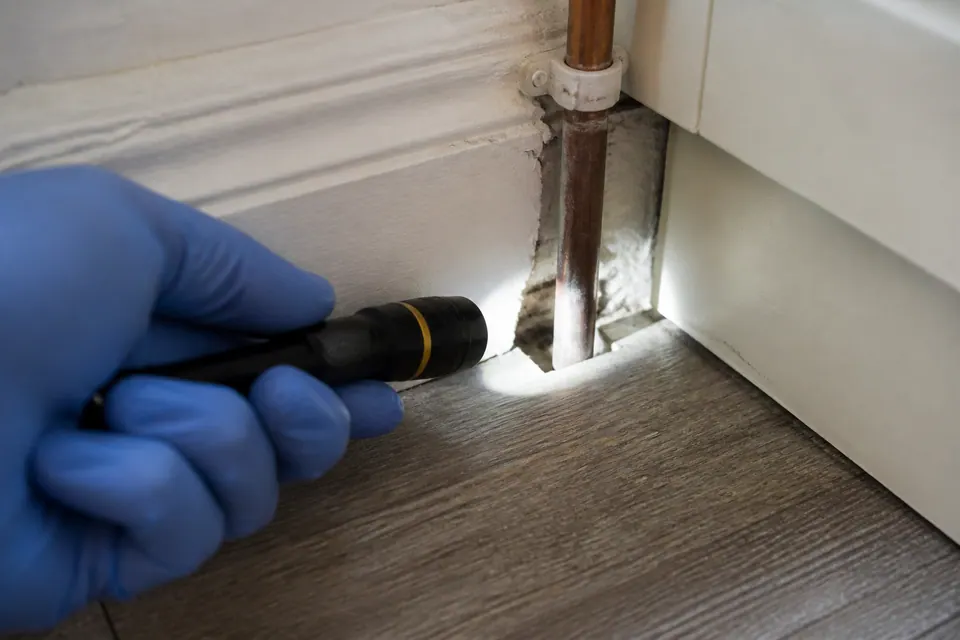

Illustrative scenes do not document a Milton Keynes property treatment or outcome.
13 / CLEAR EXPECTATIONS
A shared address does not erase differences in use.
Unspecified extras should not become assumed obligations.
Location references make changes clear.
ADDRESS AND AVAILABILITY
Check the complete postcode and service availability before planning a visit.
The map shows location context, not the buildings or tasks included in an eventual proposal.
Open Milton Keynes in Google Maps ↗MILTON KEYNES / QUESTIONS
No. Confirm the areas expressly included.
Explain why you want them considered without claiming they are affected.
Ask explicitly rather than relying on its attachment.
Use can affect suitability, access and the proposed work.
Clarify their involvement, permission and preparation needs.
Wait for specific advice and avoid unsafe clearance.
Provide the details and request a revised scope if needed.
No. The work needs definition before attendance is relied on.
No. Keep external and internal findings separate.
Buildings, rooms, tasks, limitations, costs and relevant attendance terms.
15 / TAKE THE NEXT STEP
Explain where signs were found and which additional spaces you want considered before discussing attendance.
