
Evidence behind a locked door
Identify the room and who normally uses it. Mention whether the signs were seen directly before it was locked.
PEST CONTROL / LUTON
Planning access after coverage is confirmed.
Start with a clear account.
A preferred appointment in Luton should follow confirmation that the location and service are suitable. Explain who can admit the technician and whether any rooms need another person’s permission.
03 / OBSERVATION CHECKLIST
An inaccessible location is a limit to report, not an invitation to bypass a lock or dismantle fittings.
Use only observations obtainable without entering restricted spaces or disturbing suspected contamination.
Identify the room and who normally uses it. Mention whether the signs were seen directly before it was locked.
Ask the owner to describe the relevant shelf or box. Their possessions should not be searched simply to improve an enquiry.
Give the room where the sound is audible. Access to a neighbouring ceiling or roof space may require separate permission and assessment.
Record the direction of travel if known, while making clear that the enclosed area has not been inspected.
Mention the appliance and visible position. Disconnecting equipment is not routine preparation to undertake without proper arrangements.
Keep the occupant involved in explaining the image. A photograph alone does not authorise entry or establish the pest.
LUTON / PROPERTY CONTEXT
A friend may be able to let someone in but may not know the findings or have authority to approve extra work. Separate those roles while planning the enquiry.
Confirm that the Luton postcode and requested residential service can be covered before arranging a key handover. A provisional conversation should not cause unnecessary changes to household plans.
Tell the team whether the attending contact can answer questions about sightings and earlier treatments. If not, decide how the resident can be reached during the visit.
Where an agent or owner must approve a revised proposal, establish that contact in advance. Do not expect the person opening the door to make decisions beyond their authority.
04 / AT A GLANCE
08 / THE CONTROL PLAN
A well-organised appointment keeps responsibility clear even when the resident, payer and keyholder are different people.
The attending contact shows the relevant rooms and explains restrictions. An unlocked door should not be interpreted as consent for unrelated work.
If inspection changes the understanding of the problem, the responsible person needs the opportunity to discuss scope and cost.
Aftercare must reach the people who live with the treated areas. Passing a message only to an agent can leave household instructions incomplete.
10 / PROBLEM → TREATMENT → CONTROL
Before belongings are moved or access is widened, check that the action belongs to the selected method and the authorised scope.
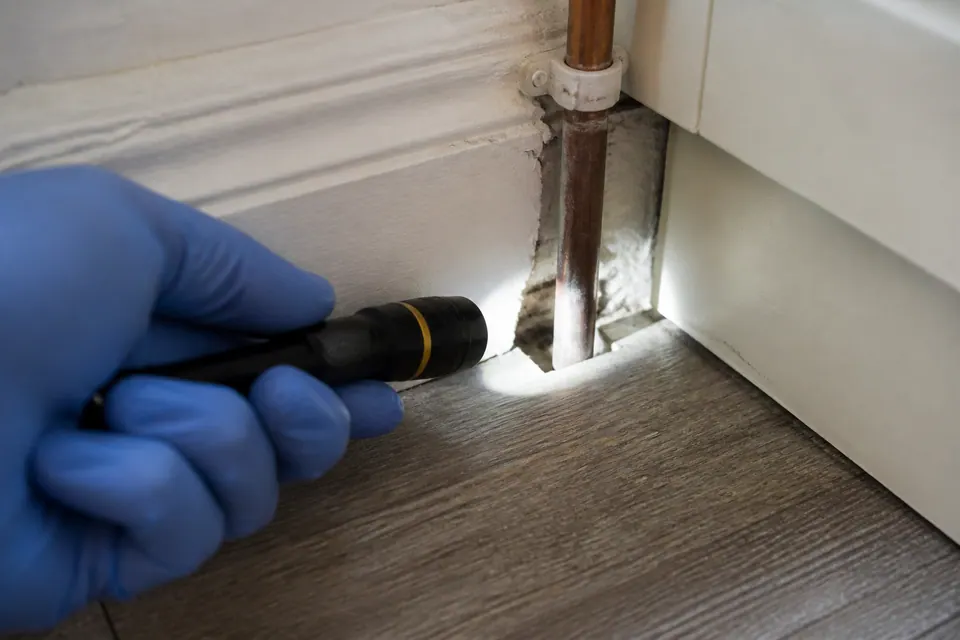
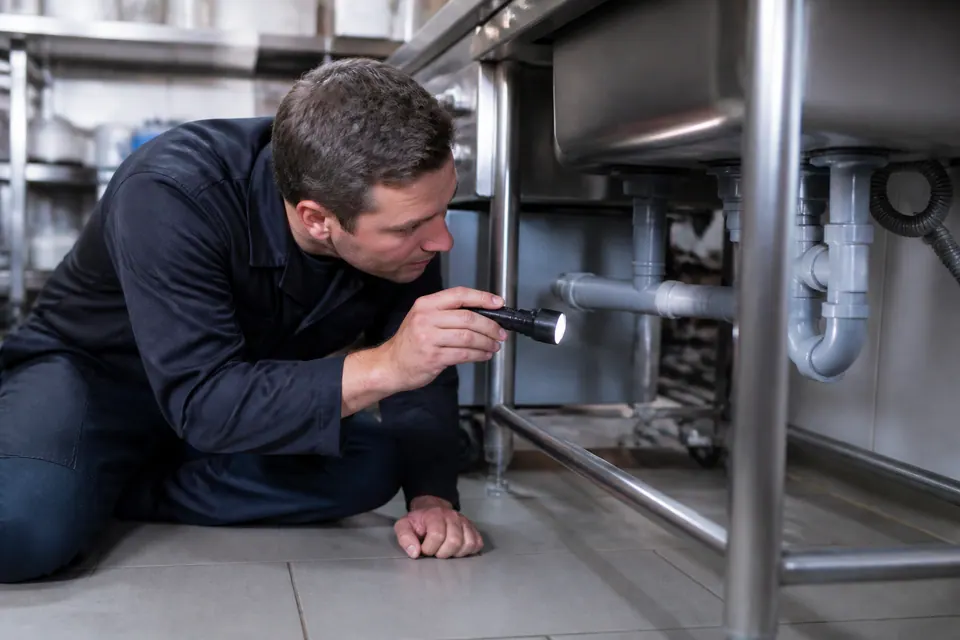
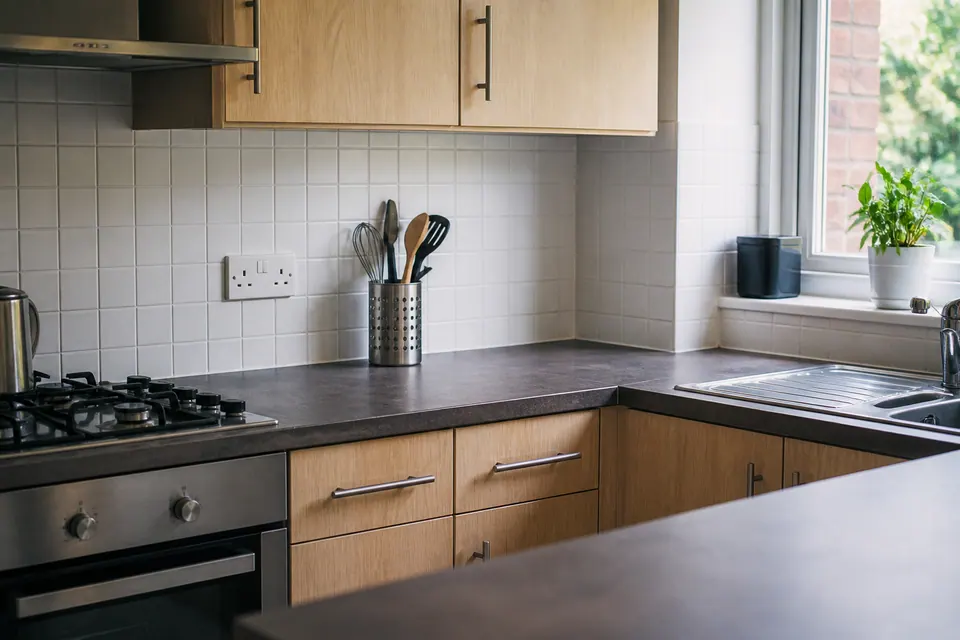
These illustrative scenes show inspection concepts only; they do not document work in a Luton home or establish a treatment result.
07 / SCOPE BEFORE A QUOTE
A price should correspond to spaces that can be made available. Tell Alesta about unresolved permissions when discussing the Luton proposal.
from £120
See published service pricingfrom £150
See published service pricing| Service | Pricing basis | Price |
|---|---|---|
| Mice control | Activity, access and programme | Quote after assessment |
| Rat control | Internal / external routes and visits | Quote after assessment |
| Proofing / repairs | Surveyed openings and separate work | Quoted separately |
Ask whether an access restriction changes the planned work or requires another arrangement. Confirm current prices and inclusions directly; these published guides were checked on 27 August 2026.
01 / START WITH THE EVIDENCE
Select the suspected problem, then consider whether the relevant space can actually be inspected under the proposed booking.
Marks inside storage that a resident normally keeps locked.
Mice controlObservations around an external area with restricted entry.
Rats controlBedroom evidence in accommodation used by another occupant.
Bed bug treatmentKitchen insects disappearing behind fixed equipment.
Cockroaches controlExplain who owns or uses the cupboard. Permission to enter a dwelling does not necessarily authorise emptying someone else’s stored belongings.
State who controls the side gate, yard or relevant shared enclosure. Do not promise access through another home without agreement.
Arrange the room occupant’s involvement before including their bedroom. Furniture movement and preparation need method-specific instructions, not a blanket clearance request.
Identify integrated units that cannot be moved safely. A keyholder can provide entry but cannot remove technical restrictions on inspection.
05 / PROPERTY BRIEF
Provide entry instructions for the dwelling itself, not just the building entrance. Specify any internal room that is excluded or separately controlled.
An individual tenant may only arrange their own room. Discuss consent and coordination before assuming every bedroom belongs in one programme.
If the owner is absent, clarify what the attending contact may authorise. Access permission and approval for building changes should not be confused.
Identify the management contact for stores, risers or corridors. Shared-space recommendations may require a separate decision after the private inspection.
Share the resident’s account beforehand so important history is not lost in the handover. Preparation instructions must reach the people using the rooms.
Discuss your homeExplain any non-residential use and request a suitability check. A shop keyholder’s involvement does not confirm that commercial treatment is available.
Check the premises requirements06 / SIGNS → LOCATION → NEXT STEP
| Pest problem | Signs to describe | Areas to mention | Next step |
|---|---|---|---|
| Mice | Damage inside a tenant’s food cupboard | The particular cupboard, not every private storage space | Involve its user before inspection is proposed |
| Rats | A suspected rodent seen beyond a locked yard gate | The viewing point and separately controlled enclosure | Identify the gate contact without claiming entry permission |
| Bed bugs | Marks on a bed in an absent resident’s room | That bedroom and any relevant fixed furniture | Obtain room arrangements before including it |
| Cockroaches | Insects beneath equipment in a shared kitchen | The accessible appliance edge and shared-use space | Check preparation responsibilities with the household |
MAKE THE ENQUIRY SPECIFIC
Confirm whether they can remain available and identify the correct rooms. A spare key does not give them the household’s treatment history.
Agree how the proposal will reach the agent if new findings affect cost or scope. Avoid leaving the attending resident uncertain about approval.
Explain the absence before booking. Do not promise that furniture or possessions can be moved without the relevant arrangements.
Treat it as a scope question. Its relevance does not automatically extend a private appointment to a restricted shared facility.
09 / FROM FIRST CONTACT
The sequence below is about coordination. It does not guarantee a visit date or a particular treatment programme.

Ask about the postcode and suspected pest first. Only then turn a preferred arrangement into a practical access discussion.
Identify the front-door contact, room users and any person controlling shared facilities. They may not be the same individual.
Tell the team which spaces cannot yet be offered. Do not describe the whole building as available when consent covers only a flat.
Where someone else admits the technician, agree how questions or proposed changes will reach the customer who can answer them.
Use the booking’s specific instructions rather than a second-hand summary of what usually happens. Clarify anything the resident did not receive.
Recommendations concerning communal fabric or repairs need the appropriate decision-maker. They are not automatically part of the residential treatment.
13 / CLEAR EXPECTATIONS
Those using affected rooms should receive the preparation and aftercare relevant to the agreed method.
Someone providing entry needs to understand which spaces are included and which remain unavailable.
Scope changes should be discussed with the person authorised to commission them, rather than assumed during access.
ADDRESS AND AVAILABILITY
After the coverage check, explain where the keyholder will meet the technician and which entrance reaches the dwelling.
Give clear contact arrangements for gates or shared doors. The area map cannot supply permission, access codes or confirmation of an appointment.
Open Luton in Google Maps ↗LUTON / QUESTIONS
Ask whether that arrangement is acceptable when the booking is discussed. Identify the friend and how the customer will be contacted for decisions.
Explain the agreed spaces, access arrangement and any supplied preparation. Do not replace method-specific guidance with a generic instruction to clear the home.
You can mention relevant reports, but their room should not be treated as accessible without appropriate arrangements and consent.
Explain both sets access requirements. Being inside a shared hallway does not make the affected dwelling available for assessment.
Do not assume it does. State who controls the cabinet and let the team clarify whether suitable authorised access belongs in the proposal.
Yes, explain the roles rather than leaving them implicit. The person approving work and the people following instructions both need the relevant information.
The history needs to be available even if the contact did not apply the product. Pass the details from the resident instead of guessing.
Notify the team promptly and describe the restriction. The proposed inspection or treatment may need to be reconsidered rather than attempted with missing access.
Explain the actual residential entrance and who controls it. Commercial suitability is a separate question from using reception as a contact point.
The occupants and anyone responsible for the relevant spaces need the applicable guidance. A payer who lives elsewhere should not be the only recipient.
15 / TAKE THE NEXT STEP
Start with the address and pest concern, then identify who can provide entry and authorise the proposed work. Keep unresolved permissions visible from the outset.
