
Mice
Droppings or damaged storage packets.
Mice controlPEST CONTROL / SOUTHGATE
Plan who will keep the
record after the first appointment.
A programme may require monitoring or further attendance. Discuss room users, restrictions and how instructions will be shared so later observations can be reported accurately rather than lost between household members.
01 / START WITH THE EVIDENCE
Later reports should remain tied to the relevant signs, not a general worry.
Droppings or damaged storage packets.
Mice controlPossible rodent observations in a named area.
Rats controlPhysical traces around sleeping furniture.
Bed bug treatmentRecurring kitchen insects.
Cockroaches controlMouse reports should locate each later storage finding so it can be compared with the starting account.
Rat concerns need dated direct observations, keeping exterior information separately located.
Bed bug follow-up should distinguish physical signs from symptoms alone.
Recurring appliance insects need dates and any products used since the earlier report.
SOUTHGATE / PROPERTY CONTEXT
For the Southgate enquiry, nominate a household contact who can retain the original observations and any guidance issued. Check coverage and availability before discussing a programme around the household’s practical restrictions.
The contact’s role is to keep information accurate, not to diagnose every later mark. A useful entry says who noticed it, where, when and whether it is distinct from an event already reported.
If the person keeping the record will be away, agree how it will be passed on. A change of contact should not leave the next person unaware of instructions or lead to the same photograph being submitted as new evidence.
Ask the proposed programme to explain the reporting route and how a need for further attendance will be considered. Do not assume every new message automatically books another visit or that the absence of a message confirms clearance.
03 / OBSERVATION CHECKLIST
A clear record separates the sign from the household’s interpretation.
Avoid disturbing suspect material or unknown nests to collect updates.
Droppings or tracks need the exact location and date.
Scratching needs timing and position without species certainty.
Damaged packets retain their original storage reference.
Bed-frame spotting or shed material differs from irritation alone.
Repeated insects need dates and intervening products.
External or nesting observations need safe description and suitability checked if unknown.
04 / AT A GLANCE
05 / PROPERTY BRIEF
Identify the flat’s occupants and reporting contact.
Name rooms with distinct use restrictions.
Ensure tenants receive guidance even if another person books.
Communal reports need separate authority and source.
The residential programme should be understood by everyone affected.
Discuss your homeCommercial follow-up requirements need separate suitability confirmation.
Check the premises requirements06 / SIGNS → LOCATION → NEXT STEP
| Pest problem | Signs to describe | Areas to mention | Next step |
|---|---|---|---|
| Mice | Dated cupboard signs | Consistent storage reference | Compare with the original account |
| Rats | Possible rodent activity | Specific indoor or exterior location | Retain source and timing |
| Bed bugs | Physical bed traces | Named sleeping furniture | Separate evidence from symptoms |
| Cockroaches | Recurring appliance insects | Same equipment reference | Disclose intervening products |
07 / SCOPE BEFORE A QUOTE
Clarify programme inclusions and how any further attendance is discussed. A starting guide alone does not establish the entire follow-up scope.
from £120
See published service pricingfrom £150
See published service pricing| Service | Pricing basis | Price |
|---|---|---|
| Mice control | Activity, access and programme | Quote after assessment |
| Rat control | Internal / external routes and visits | Quote after assessment |
| Proofing / repairs | Surveyed openings and separate work | Quoted separately |
Guides checked 27 August 2026. Confirm coverage, total and any additional-visit terms directly.
08 / THE CONTROL PLAN
The household should understand how observations feed into review.
Accessible signs establish the starting picture and limitations.
The chosen method and instructions are agreed for the property.
Later reports inform the next step response, not a blanket promise.
09 / FROM FIRST CONTACT
Allocate practical reporting as well as initial access.

Provide postcode and evidence.
Disclose room users and restrictions.
Agree programme and reporting contact.
Distribute the method-specific preparation.
Keep dated observations under review guidance.
Arrange separate recommendations through the responsible person.
10 / PROBLEM → TREATMENT → CONTROL
Later findings and agreed monitoring matter. One quiet evening or a tidy room does not establish a universal result.
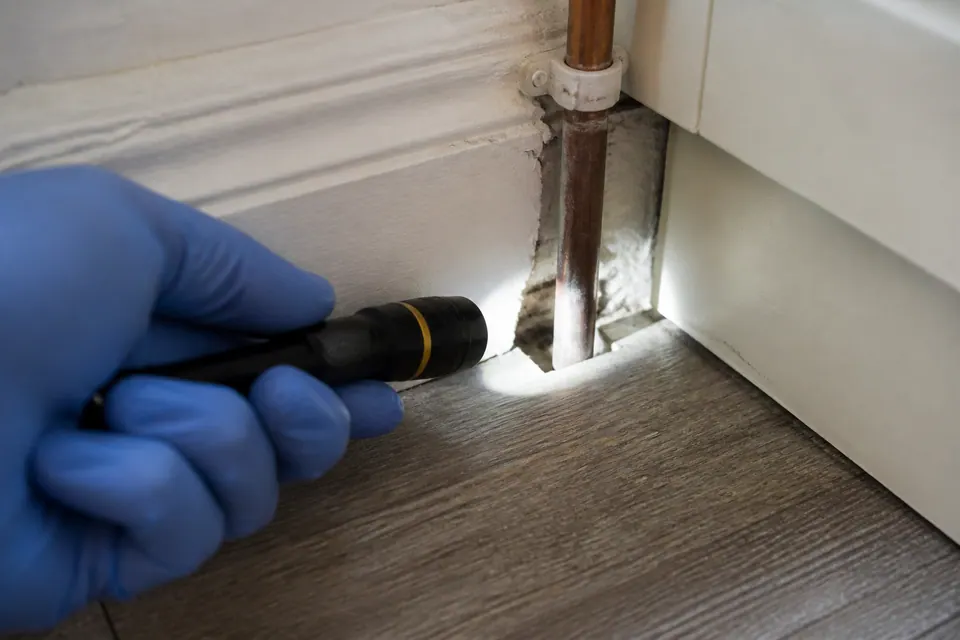

Illustrations are not a Southgate family case or verified outcome.
MAKE THE ENQUIRY SPECIFIC
Pass the existing chronology and guidance to the replacement contact so reporting does not restart without context.
Keep one dated event with its source instead of presenting repeated forwarding as several sightings.
Describe the difference plainly and provide a separate location rather than forcing it into the original pest label.
Clarify the actual programme and how additional attendance is assessed and agreed.
ADDRESS AND AVAILABILITY
Send the postcode and any household room-use constraints.
Coverage and appointments need confirmation before the household relies on a schedule.
Open Southgate in Google Maps ↗13 / CLEAR EXPECTATIONS
The household should know what information to retain.
Instructions should reach everyone affected.
Review should follow evidence rather than assumptions.
SOUTHGATE / QUESTIONS
Retain the date, location, direct observer and description of each distinct event alongside relevant instructions.
Their role is accurate reporting. Identification should not be invented to make the record appear complete.
Keep its original date and source visible, and distinguish forwarding from a separate observation.
Transfer the existing account and guidance rather than starting a fresh unsupported history.
Do not assume so. Use the agreed reporting route and confirm any further attendance separately.
Describe what is different. A new finding should not automatically inherit an earlier identification.
The absence of messages does not establish the condition of the home. Follow the agreed review process.
Somewhere the affected household members and reporting contact can consult them accurately.
Ask what the proposed scope includes and how any further attendance would be discussed and agreed.
Clarify the preparation, review route, information to retain and how follow-up need will be assessed.
15 / TAKE THE NEXT STEP
Check coverage and agree who receives instructions and records later signs alongside the initial scope.
