
Different room use
Explain the room’s present function rather than relying on the old description.
PEST CONTROL / WALLINGTON
Historic treatment records and new reports.
Start with a clear account.
Written records can help distinguish an earlier programme from a new concern. Bring together the dates, instructions and current observations without assuming that a previous method remains suitable.
05 / PROPERTY BRIEF
Explain the room’s present function rather than relying on the old description.
Disclose relevant circumstances before a new method is considered.
Mention what can no longer be reached or what has moved.
Provide known maintenance changes separately from pest-treatment history.
Describe the people and animals relevant now, not only those in the earlier account.
Discuss your homeCheck suitability directly where use differs; residential records do not confirm commercial provision.
Check the premises requirements01 / START WITH THE EVIDENCE
A previous service record is useful history, not automatic identification of the present concern.
Damage noticed since an earlier household intervention.
Mice controlA sighting or sound reported after previous work.
Rats controlPhysical marks around a resting place now in use.
Bed bug treatmentRepeated insects at a currently affected fitting.
Cockroaches controlGive the new item and date rather than assuming the old mouse assessment applies.
Describe the present observation independently; an earlier label does not make unseen sound certain.
Record physical evidence and any changed room use. Old bed bug instructions do not diagnose new irritation.
Locate fresh sightings and provide earlier treatment details without selecting the same method automatically.
07 / SCOPE BEFORE A QUOTE
A Wallington proposal needs today’s evidence, property conditions and agreed work rather than automatic reuse of an earlier figure.
from £120
See published service pricingfrom £150
See published service pricing| Service | Pricing basis | Price |
|---|---|---|
| Mice control | Activity, access and programme | Quote after assessment |
| Rat control | Internal / external routes and visits | Quote after assessment |
| Proofing / repairs | Surveyed openings and separate work | Quoted separately |
Confirm current inclusions directly. Published guides checked 27 August 2026; old prices, review terms or repair arrangements do not automatically carry forward.
WALLINGTON / PROPERTY CONTEXT
Earlier paperwork can explain what was agreed and advised at the time. It should not be presented as proof that the current findings require the same response.
Check the Wallington postcode and requested service directly. An earlier appointment does not confirm present availability or a new scope.
Bring together relevant dates, rooms and product or method details where documented. Mark missing information as unknown instead of reconstructing it from memory.
Describe changes since the earlier work, including occupancy, furniture or repairs. The current proposal needs the property as it is now.
08 / THE CONTROL PLAN
Records help the conversation without locking the property into a previous approach.
Keep written scope and recollection distinct where details differ.
Fresh signs and changed circumstances inform what should now be considered.
Price, preparation and review need current agreement rather than assumed continuation.
09 / FROM FIRST CONTACT
These steps use history constructively without promising repetition of a method or a particular result.

Use available scope or handover notes rather than inventing missing details.
Distinguish the original attendance from later messages about it.
Give current evidence its own rooms and dates.
Include occupancy, layout or maintenance changes relevant to access and preparation.
Do not assume an old action remains appropriate for the new proposal.
Retain fresh observations independently so the current programme can be evaluated on its own terms.
06 / SIGNS → LOCATION → NEXT STEP
| Pest problem | Signs to describe | Areas to mention | Next step |
|---|---|---|---|
| Mice | Newly found material damage | Current item and discovery date | Do not assume the previous rodent label applies |
| Rats | A present sighting or concealed sound | Actual current position | Describe independently of old conclusions |
| Bed bugs | Physical bedroom signs now observed | Current resting place and use | Seek assessment rather than reuse a diagnosis |
| Cockroaches | Insects after previous intervention | Fresh fitting location and dates | Provide documented history without selecting the old method |
03 / OBSERVATION CHECKLIST
Separate documented history from recollection and current evidence.
Do not repeat an old product or disturb devices as preparation for a new enquiry.
Use the actual record where available, distinguishing attendance from later correspondence.
Name the areas previously included without assuming the whole property was covered.
Share relevant handover details without treating them as instructions for a different programme.
Give the present finding its own location and date.
Mention room use, occupants or repairs that may affect the proposal.
Leave gaps explicit rather than inventing method or product details.
04 / AT A GLANCE
10 / PROBLEM → TREATMENT → CONTROL
Review should use the present findings and actual agreed programme, not a conclusion drawn solely from earlier paperwork.
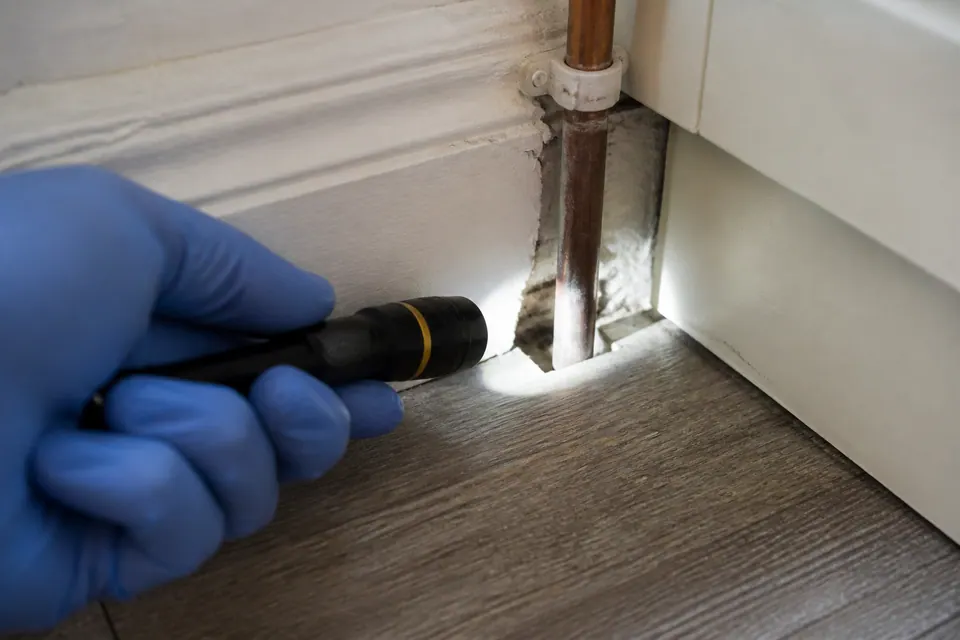

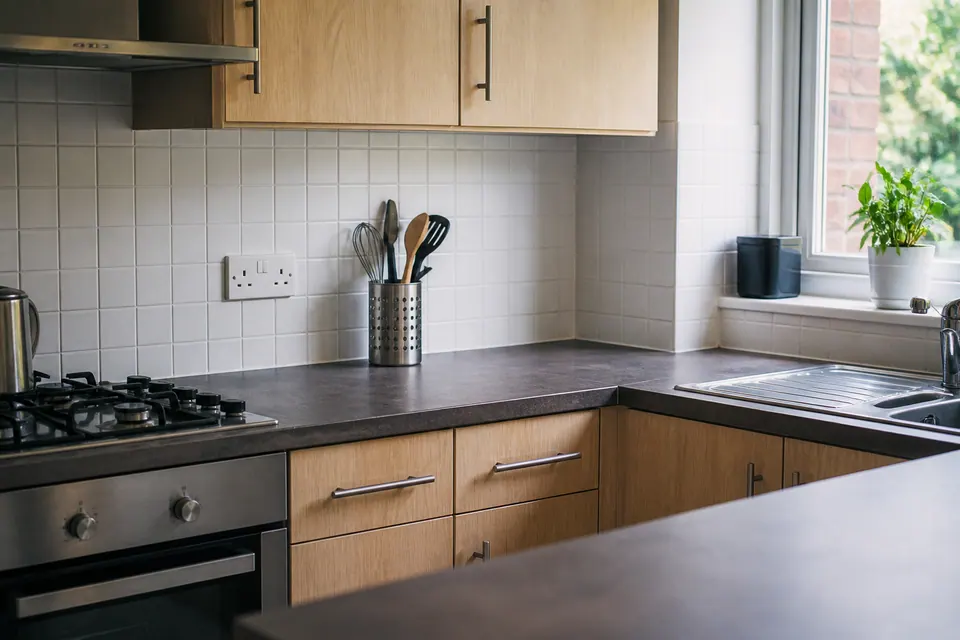
Illustrations are not Wallington treatment records or evidence of customer results.
MAKE THE ENQUIRY SPECIFIC
Describe current evidence before applying a previous label.
Confirm the new scope and figure directly.
Obtain guidance for the actual method and household now.
Current observations need their own assessment and review.
ADDRESS AND AVAILABILITY
Check availability directly and explain what has been found now alongside the earlier record.
The map does not establish continuity of an old booking, price or treatment scope.
Open Wallington in Google Maps ↗13 / CLEAR EXPECTATIONS
Earlier and current evidence remain distinguishable in the account.
An absent product or method name should not be filled in by guesswork.
The proposal reflects the current property and occupants rather than assumed repetition.
WALLINGTON / QUESTIONS
Relevant records can help, with their original date and scope clear.
Keep it unknown rather than guessing; share what is actually documented.
Not automatically. Describe the present physical evidence independently.
Confirm current work and pricing rather than assuming the old amount applies.
Yes, to distinguish a new concern from earlier observations.
Explain the change before an approach is proposed.
Wait for guidance specific to the currently agreed method.
Do not assume continuation; clarify the new arrangement.
Yes, as changes to the property rather than pest-treatment facts.
Keep them separately dated while retaining the relevant earlier history.
15 / TAKE THE NEXT STEP
Share dated records without assuming they prescribe the next method. Let the present evidence and circumstances shape the new proposal.
