
Mice
Chewed packets or suspected traces in a named unit.
Mice controlPEST CONTROL / WEMBLEY
Appointment access in a managed building.
An entry arrangement is part of a workable booking.
If a visit requires booking a lift or registering a contractor, those arrangements should be known before attendance. They do not replace the need to describe the pest evidence inside the unit.
01 / START WITH THE EVIDENCE
A building procedure does not identify a pest. Begin with the household observation, then explain how the relevant rooms are reached.
Chewed packets or suspected traces in a named unit.
Mice controlAn animal sighting whose exact setting matters.
Rats controlPhysical spotting or insects near a bed.
Bed bug treatmentRepeat sightings at kitchen fittings.
Cockroaches controlUse the room and cupboard position rather than only the apartment number. Mention whether other rooms supply independent findings.
Separate the resident’s own sighting from a building-wide message. A residential appointment does not automatically cover common areas.
Describe physical signs around the bed and any furniture changes. Do not infer the condition of one bedroom from another unit’s report.
Name the appliance or recess and disclose earlier products. Fixed fittings or controlled service spaces may create different access limits.
WEMBLEY / PROPERTY CONTEXT
If a property uses contractor registration, a booked lift or a managed reception, check the actual procedure before attendance is agreed. These arrangements should not be guessed from the address.
Provide the unit reference used at the entrance and the floor containing the reported signs. Explain stairs or another door that remains after reception or lift access.
Identify the person who can admit the visitor and any separate keyholder for restricted spaces. A receptionist’s presence does not imply permission to open every cupboard.
Confirm coverage and the proposed scope directly. Building access approval, household preparation and an accepted pest appointment are three distinct parts of the plan.
03 / OBSERVATION CHECKLIST
An entry reference locates the home; the evidence description locates the concern within it.
Do not enter controlled service rooms or handle suspect contamination to strengthen the report.
Name the shelf and visible traces, including whether the contents have moved since discovery.
Record timing and direction without naming an animal solely from sound.
Explain where it was stored and what damage was actually observed.
Describe physical spotting or insects separately from skin irritation.
Identify the fitting and whether each sighting was independent of the previous one.
Keep the location and witness separate from observations inside the dwelling.
04 / AT A GLANCE
05 / PROPERTY BRIEF
Check any actual notice or registration requirement and identify who can confirm it.
Explain lift access and any remaining stairs without assuming equipment can use every route.
Name the authorised keyholder and whether those spaces belong in the proposed scope.
Clarify who can consent to access and who approves additional work if recommended.
Disclose household needs that affect preparation or temporary restrictions.
Discuss your homeCheck commercial suitability separately. A building containing businesses does not make a residential booking a business-treatment service.
Check the premises requirements06 / SIGNS → LOCATION → NEXT STEP
| Pest problem | Signs to describe | Areas to mention | Next step |
|---|---|---|---|
| Mice | Possible traces within kitchen storage | Apartment, room and named cupboard | Describe the finding before discussing service access |
| Rats | Animal seen outside the private dwelling | Exact common or external position | Identify permission requirements separately |
| Bed bugs | Physical signs around sleeping furniture | The bedroom and relevant fittings | Arrange assessment without relying on another unit’s report |
| Cockroaches | Repeat insects beside an appliance | Specific kitchen recess and any fixed obstruction | Disclose earlier products and relevant access limits |
07 / SCOPE BEFORE A QUOTE
A targeted starting guide is not a complete description of an appointment in a managed building. Confirm the areas and practical arrangements with the team.
from £120
See published service pricingfrom £150
See published service pricing| Service | Pricing basis | Price |
|---|---|---|
| Mice control | Activity, access and programme | Quote after assessment |
| Rat control | Internal / external routes and visits | Quote after assessment |
| Proofing / repairs | Surveyed openings and separate work | Quoted separately |
Guides checked 27 August 2026. Confirm current pricing, coverage and inclusions. Registration, communal permissions, extra areas and follow-up should not be left as assumptions.
08 / THE CONTROL PLAN
A managed entrance is a logistical condition, not proof of the cause or extent of a pest problem.
The report identifies the rooms and accessible findings. Common areas and locked services remain separately described.
The method and preparation are chosen for the pest and household. Building procedures should be clarified without replacing those requirements.
Later findings guide the next step. If further access is needed, confirm the relevant arrangements instead of assuming a previous visitor approval remains sufficient.
09 / FROM FIRST CONTACT
The proposed programme should fit the dwelling rather than rely on an incomplete entrance address.

Supply the postcode, unit number, floor and rooms where signs appeared.
Describe registration or access requirements only where they actually apply.
Identify who can admit the visitor and open any agreed restricted area.
Follow the selected service instructions, including occupant arrangements.
Keep observations inside the dwelling separate from reports in common parts.
Ask how availability, access and any additional scope will be confirmed if another visit is proposed.
10 / PROBLEM → TREATMENT → CONTROL
Administrative access can enable a visit, but progress must still be assessed through the relevant evidence and programme.
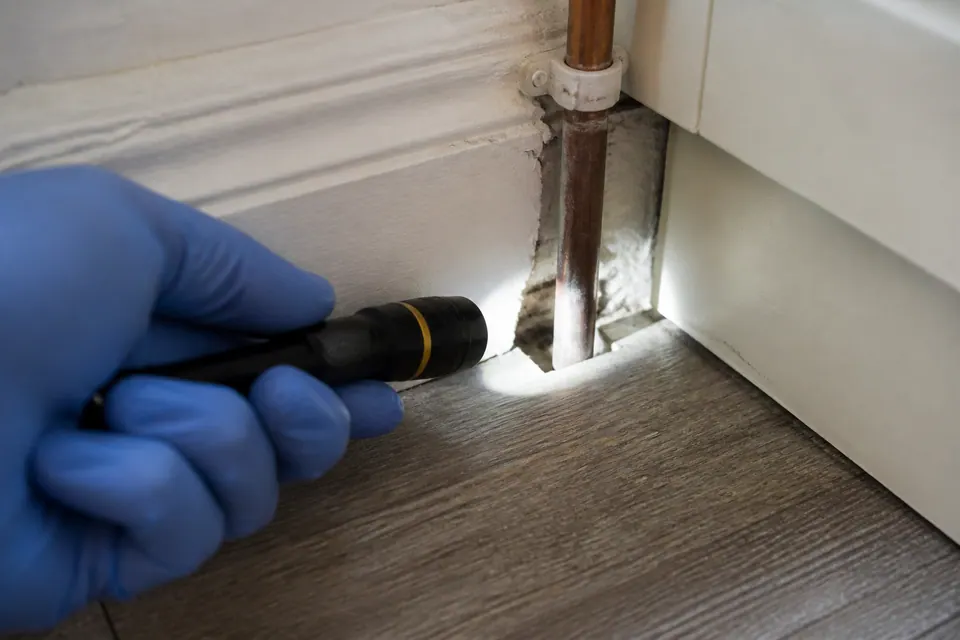
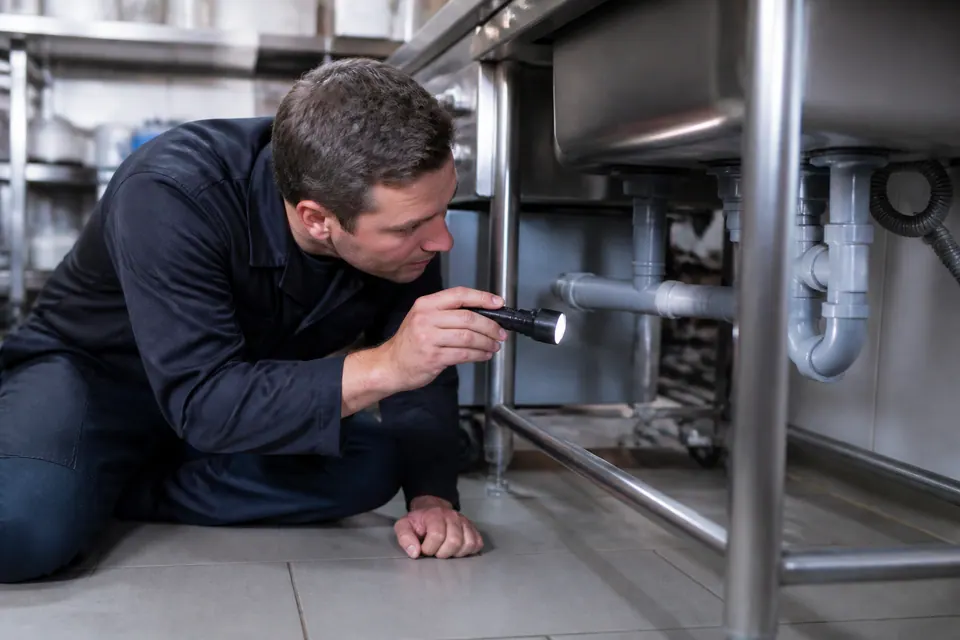
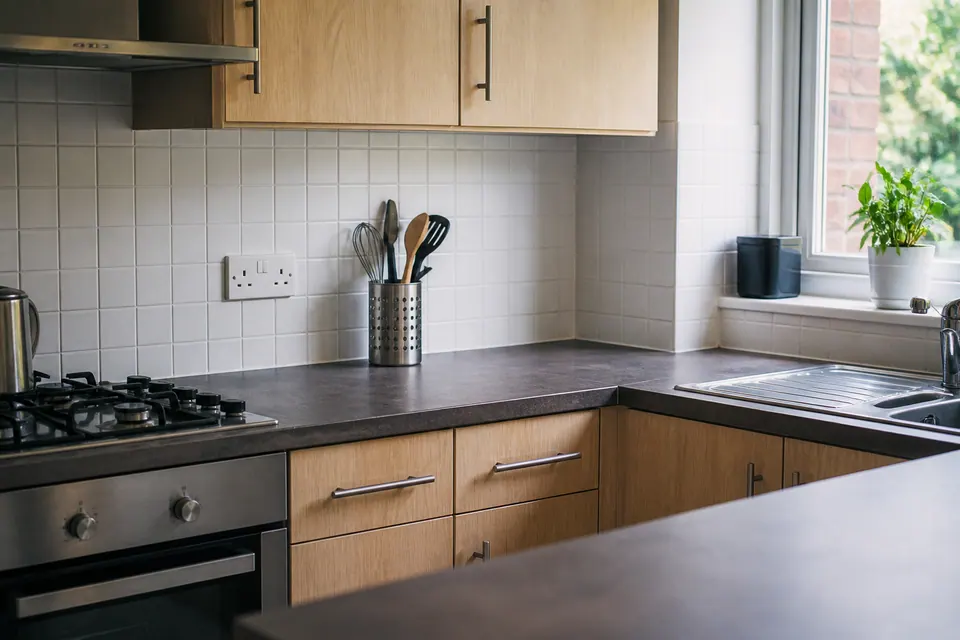
The scenes illustrate pest-control stages, not a documented visit or result in a Wembley building.
MAKE THE ENQUIRY SPECIFIC
Give both references and explain which identifies the dwelling so arrival is not directed to the wrong entrance.
Describe the remaining route and any restrictions relevant to the proposed attendance.
Identify the responsible contact before assuming the restricted space can be inspected.
Check the applicable procedure rather than treating the first approval as a standing arrangement.
ADDRESS AND AVAILABILITY
Send the full postcode and the entrance actually used for the apartment.
Confirm availability and any building access procedure directly. The area map does not define the rooms included in the appointment.
Open Wembley in Google Maps ↗13 / CLEAR EXPECTATIONS
The booking details should lead to the home containing the reported evidence.
Someone should know which agreed doors or areas they are expected to open.
Common parts and other units are not included merely because the visitor can enter the building.
WEMBLEY / QUESTIONS
No. Confirm the service, scope and appointment with the team separately from any building procedure.
Yes. The complete reference helps explain the dwelling and route to the affected rooms.
Describe the correct route and any procedure that actually applies. Do not assume the street address explains it.
An open door does not establish permission or inclusion in the scope. Clarify any communal assessment separately.
Discuss timing and requirements first so arrangements match an accepted proposal rather than an assumed date.
Tell the team before attendance. The unavailable area may limit what the proposed visit can cover.
No. Building admission and method-specific preparation, occupancy and return requirements answer different questions.
That needs a separate scope and appropriate approval. Your private appointment does not automatically extend to another household.
Give the exact position, date and witness, distinguishing it from evidence inside your dwelling.
Check the actual building procedure and proposed timing. Earlier permission should not be assumed to cover every future attendance.
15 / TAKE THE NEXT STEP
Call with the household findings and the route into the dwelling. Confirm coverage and the practical scope before relying on building entry arrangements.
