
Mice
Visible rodent-like signs in accessible accommodation.
Mice controlPEST CONTROL / HIGHGATE
Sounds from roof-level spaces.
A sound is a reason to enquire, not a species identification.
Repeated movement above a ceiling can be unsettling when nothing is visible. For a Highgate enquiry, describe where you hear it, when it occurs and whether a proper access point exists. Do not enter an unsafe roof space or select a rodent treatment from noise alone.
01 / START WITH THE EVIDENCE
These service options do not mean every roof-level noise is a pest within scope.
Visible rodent-like signs in accessible accommodation.
Mice controlAn actual larger rodent sighting or assessed evidence.
Rats controlPhysical findings at sleeping furniture.
Bed bug treatmentRecurring insects around accessible household fittings.
Cockroaches controlProvide visible signs if any, alongside the sound history. Scratching alone cannot establish mice or the location of a route.
Explain any direct sighting or other evidence separately. A louder noise is not a reliable way to identify rats.
If the concern involves physical bed-area signs, describe them directly. Noise overhead and skin irritation do not establish bed bugs.
Record the actual insect location and recurrence. Do not connect a kitchen sighting to a roof sound without evidence.
HIGHGATE / PROPERTY CONTEXT
The room where a sound is heard is accessible even when the space above is not. Start with that observation point and explain what is known about access.
Mention an existing hatch if one is present, but do not climb into a space with unsafe footing, limited headroom or unknown conditions merely to improve the report.
The source may remain uncertain until appropriate assessment. If the suspected animal or access requirement falls outside the available service, suitability should be clarified before a named treatment is arranged.
Any structural opening, roof work or specialist access must be separately considered. A pest enquiry is not permission to cut a ceiling or alter the building.
03 / OBSERVATION CHECKLIST
Record what is heard without interpreting every change as an animal count.
Stay out of unsafe roof spaces and do not disturb unknown wildlife.
Name the room below and the approximate area where the sound is heard.
Record when it occurs and whether it repeats, without inventing a precise duration.
Use ordinary words for what you heard rather than selecting a species from volume.
Keep any accessible marks or damage in their own entry.
State where the animal was actually seen and any uncertainty about identification.
Describe the known hatch or restriction without attempting unsafe exploration.
04 / AT A GLANCE
05 / PROPERTY BRIEF
Identify the ceiling position where the sound is heard, without assuming the route above.
Mention it as an access detail, not a guarantee the space is safely inspectable.
Identify who controls permission before assuming a private appointment can enter it.
Say so clearly rather than creating one before the concern is assessed.
Keep household observations and practical access limits central to the enquiry.
Discuss your homeCheck suitability directly. The linked residential services are not a promise to handle every wildlife or commercial request.
Check the premises requirements06 / SIGNS → LOCATION → NEXT STEP
| Pest problem | Signs to describe | Areas to mention | Next step |
|---|---|---|---|
| Mice | Visible mouse-like signs | Accessible room or storage edge | Ask for assessment rather than diagnosis from noise. |
| Rats | Direct larger-rodent observation | Actual sighting location | Describe separately from ceiling sounds. |
| Bed bugs | Physical marks around a bed | Sleeping furniture | Treat as a separate identification question. |
| Cockroaches | Recurring kitchen insects | Named fitting and event history | Do not infer a roof-space connection. |
07 / SCOPE BEFORE A QUOTE
An unexplained sound does not specify a pest, method or safe access plan. Confirm suitability and scope before relying on any starting treatment figure.
from £120
See published service pricingfrom £150
See published service pricing| Service | Pricing basis | Price |
|---|---|---|
| Mice control | Assessed mouse evidence | Scope-specific quote |
| Rat control | Assessed rat concern | Programme quotation |
| Proofing / repairs | Roof access or building alteration | Separate specialist arrangement |
Service guides checked on 27 August 2026 list starting amounts. Confirm Highgate coverage and the relevant assessment rather than assuming a roof-space intervention is included.
08 / THE CONTROL PLAN
The uncertainty needs to remain explicit until evidence supports a decision.
The observed position and timing can inform enquiry, while accessible evidence and limitations guide what can appropriately be assessed.
Treatment depends on identification, scope and household circumstances; an uncertain or out-of-scope source may need a different next step.
A quiet period or unresolved access limit should be described accurately when discussing further observation, assessment or specialist work.
09 / FROM FIRST CONTACT
Expand the sequence without entering the space yourself.

Name the occupied room and the area of ceiling involved.
Keep any sighting or mark distinct from the sound account.
Explain the known hatch and restrictions before assuming the proposed service can enter.
Do not create an opening or disturb an unknown animal as preparation.
Report whether the sound recurs, with location and any new visible evidence.
If another access method or specialist is needed, identify that separately from an assumed pest treatment.
10 / PROBLEM → TREATMENT → CONTROL
The source may remain uncertain despite a quiet interval. Use the findings and agreed review rather than claiming clearance from a sound not being heard once.
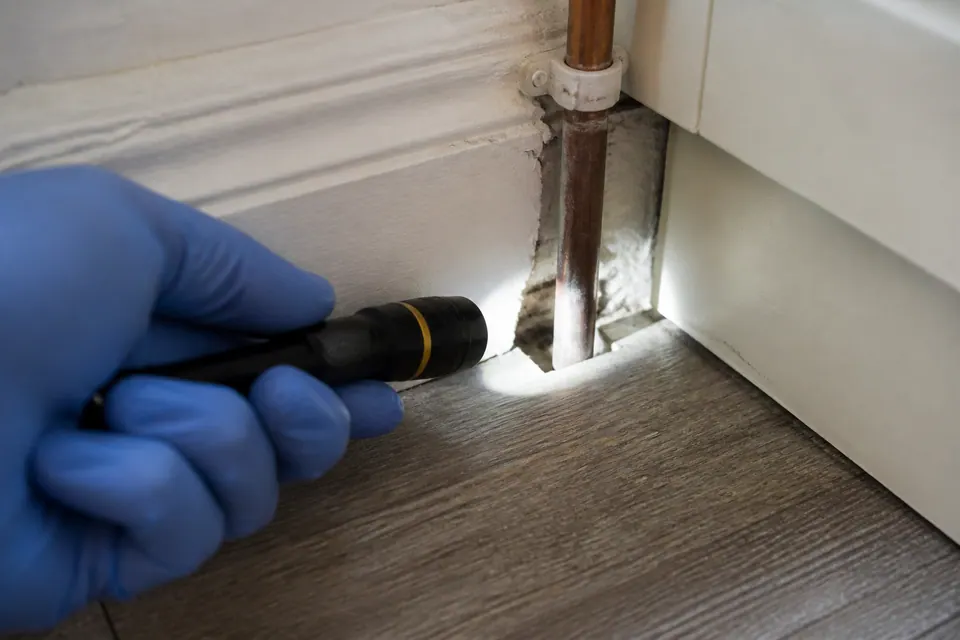
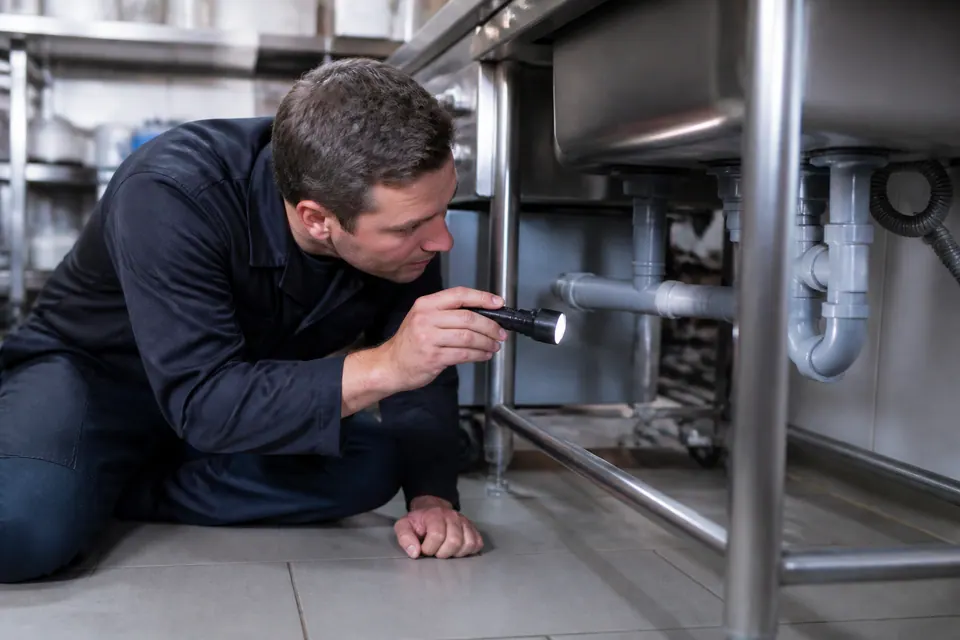
Generated scenes illustrate inspection concepts, not a Highgate roof-space investigation or outcome.
MAKE THE ENQUIRY SPECIFIC
Say that directly; an honest limited account is more useful than a confident species guess.
Describe it without assuming the space has safe footing or suitable working conditions.
Identify the permission contact before making it part of the scope.
Ask whether the service is appropriate instead of selecting mice or rats from the available links.
ADDRESS AND AVAILABILITY
Give the postcode and the occupied room beneath the sound, alongside any known access arrangements.
Check suitability and appointment availability before organising keys or other access. The map is an area view, not an Alesta roof-access base.
Open Highgate in Google Maps ↗13 / CLEAR EXPECTATIONS
It does not establish species, quantity or the precise route.
Its presence does not prove the space can be inspected safely.
Do not assume all unknown wildlife concerns fall within the linked pest options.
HIGHGATE / QUESTIONS
No. Record the sound in ordinary terms and provide any separate direct evidence. Species cannot be established from scratching alone.
The room, approximate ceiling position and timing are useful. Mark uncertainty rather than reconstructing a precise pattern.
Not to support the enquiry. Describe access from a safe position and explain any known limitations.
No. A hatch does not establish safe footing, suitable conditions or authorised access.
Identify the responsible owner or manager and ask about the relevant permission.
Explain that uncertainty and check suitability. The linked pest services do not mean every species can be treated.
Do not create access as an assumed preparation step. Structural work needs an appropriate separate arrangement.
It is worth reporting, but does not by itself establish the source or prove the concern is resolved.
Keep the cupboard evidence as a separate finding with its own location and date.
Ask for the selected method’s household instructions. No universal vacancy or re-entry rule can be set from the sound report.
15 / TAKE THE NEXT STEP
Call with the sound history, any direct findings and access limitations. Confirm an appropriate assessment before selecting treatment or attempting roof-space entry.
