
Built-in cupboards
Locate signs at the visible edge and identify unexamined space.
PEST CONTROL / ST ALBANS
Fixed joinery is an inspection
limit, not permission to dismantle it.
When signs appear beside cupboards or older fittings, explain what is visible and what cannot be reached without alteration. Confirm property coverage and distinguish pest assessment from any separately needed trade work.
05 / PROPERTY BRIEF
Locate signs at the visible edge and identify unexamined space.
Appliances and fixed units may restrict examination without authorising removal.
The landlord may need to approve alterations separately.
Shared panels require the responsible party’s permission.
The scope should acknowledge what can be reached safely.
Discuss your homeBusiness premises and specialist requirements need suitability confirmed independently.
Check the premises requirements01 / START WITH THE EVIDENCE
These service options address pest evidence, not a diagnosis based on a property’s appearance.
Droppings or packet damage beside storage.
Mice controlPossible rodent signs in a defined location.
Rats controlPhysical marks around resting furniture.
Bed bug treatmentRepeated insects near kitchen equipment.
Cockroaches controlA mouse report should locate the accessible signs without claiming the entire cupboard void is affected.
Rat enquiries need observed evidence and relevant surroundings, not an assumption about older construction.
Bed bug concerns need physical bedroom findings where available; bites alone cannot establish the cause.
Recurring kitchen insects should be dated and positioned, with any fixed units limiting examination disclosed.
07 / SCOPE BEFORE A QUOTE
An inspection price is not permission for alterations. Clarify the accessible work and any separately required trade, repair or proofing before accepting the total.
from £120
See published service pricingfrom £150
See published service pricing| Service | Pricing basis | Price |
|---|---|---|
| Mice control | Activity, access and programme | Quote after assessment |
| Rat control | Internal / external routes and visits | Quote after assessment |
| Proofing / repairs | Surveyed openings and separate work | Quoted separately |
Published guides checked 27 August 2026. Confirm property coverage and the scope-specific price directly.
ST ALBANS / PROPERTY CONTEXT
The postcode and requested work need a coverage check first. Then explain the particular cupboard, panel or fitted element involved rather than generalising about the town’s homes.
An older fitting may be difficult to remove, but that does not establish a pest route. Keep its condition separate from the physical finding.
Mention known access panels or obstructions without promising that a technician can safely remove them. The scope should state what examination is possible.
Any alteration or specialist access needs appropriate authorisation and agreement. It is not automatically included because it might make inspection easier.
08 / THE CONTROL PLAN
The scope should remain honest about concealed areas.
Visible findings and the report are assessed, with obstructions recorded.
The method addresses the supported problem within agreed working boundaries.
Review and prevention recommendations distinguish pest actions from separate building work.
09 / FROM FIRST CONTACT
The enquiry does not need to begin with dismantling.

Supply the postcode and visible evidence location.
Describe the fixed elements and any known access limitation.
Agree assessment scope, method and exclusions.
Use the preparation issued for the booking.
Report later signs with the same location references.
Arrange separately recommended alterations through the responsible contact.
06 / SIGNS → LOCATION → NEXT STEP
| Pest problem | Signs to describe | Areas to mention | Next step |
|---|---|---|---|
| Mice | Droppings by a cupboard | Visible edge and room reference | Request supported assessment |
| Rats | Possible rodent evidence | Accessible internal or exterior location | Avoid a construction-based diagnosis |
| Bed bugs | Spotting at resting furniture | Bed or nearby frame | Describe physical signs |
| Cockroaches | Recurring kitchen insects | Named appliance or fitted unit | Disclose visibility and previous products |
03 / OBSERVATION CHECKLIST
A precise visible finding is useful even when some areas remain concealed.
Do not dismantle fittings or disturb suspect waste to obtain a photograph.
Droppings or tracks need the nearest clear cupboard or room reference.
Scratching behind a panel is an audible observation, not confirmed identification.
Gnawed packets should retain their storage position and discovery date.
Bed-frame spotting or shed material differs from a skin reaction alone.
Recurring insects beside equipment need dates and prior product details.
Outdoor movement or nesting material should be observed without disturbance and checked for suitability.
04 / AT A GLANCE
10 / PROBLEM → TREATMENT → CONTROL
Better visibility and a treatment outcome are different things. Progress should follow the findings and review under the programme.
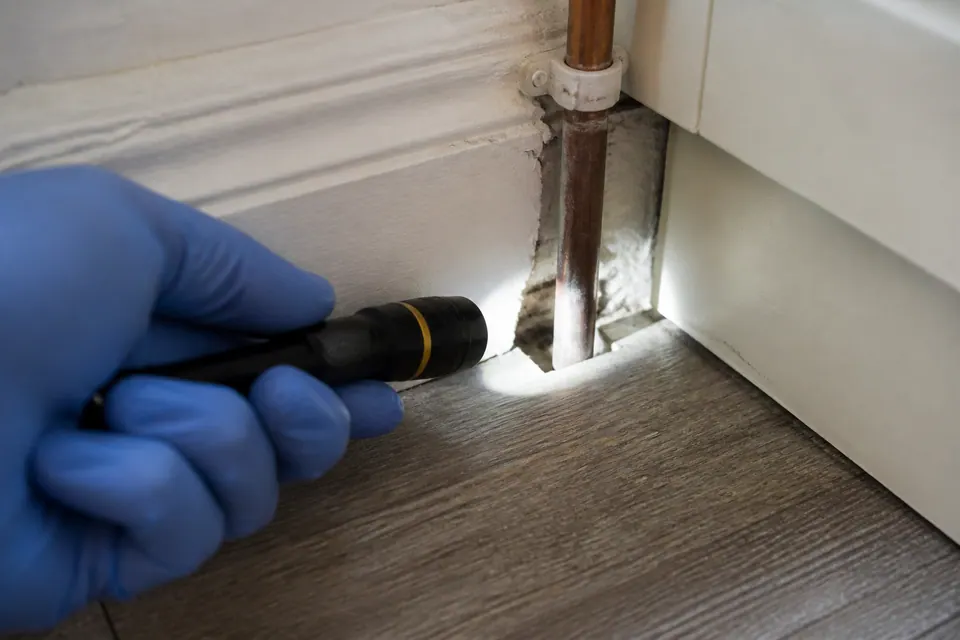
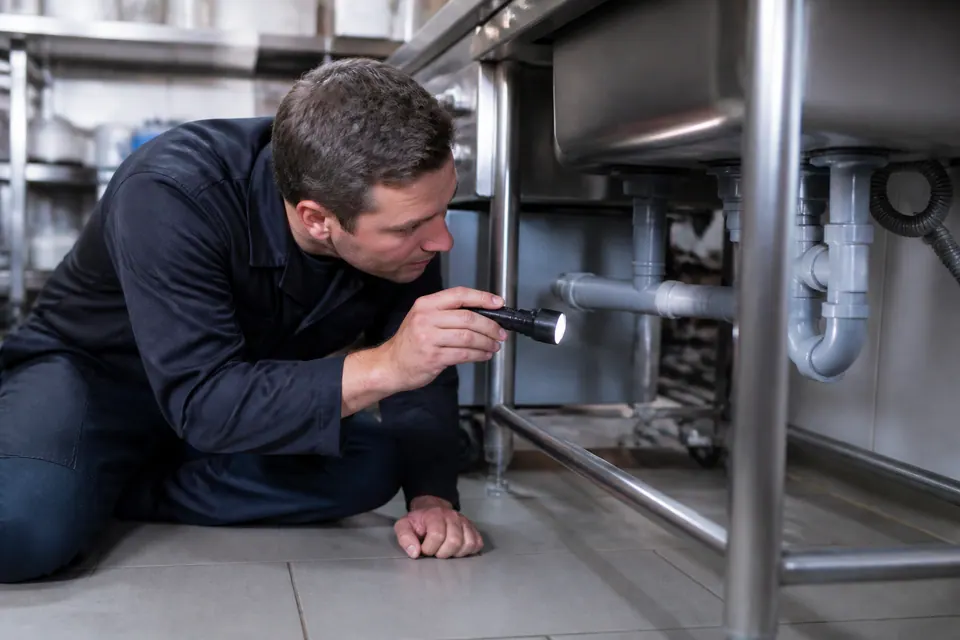
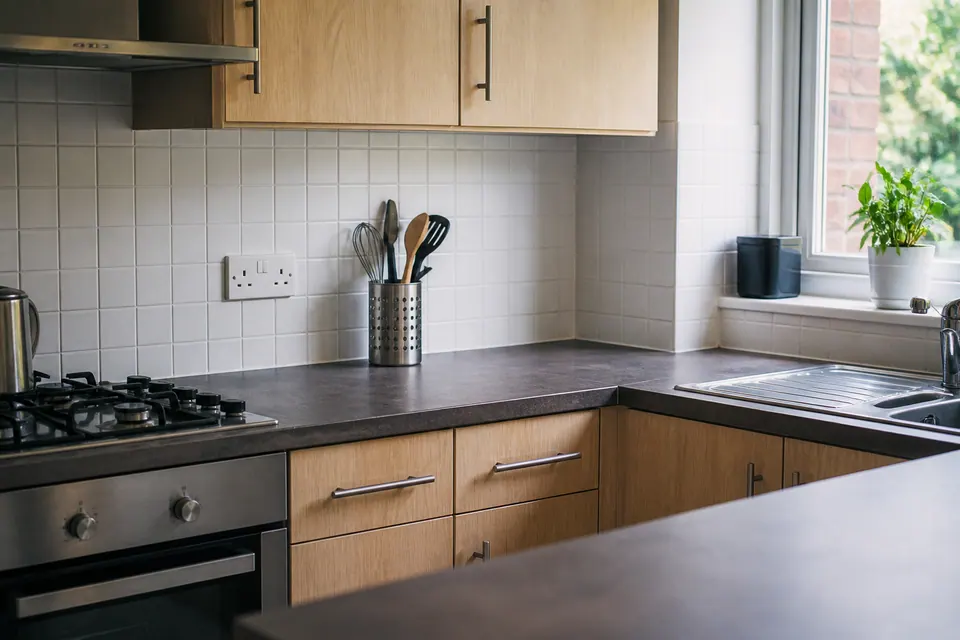
The images are illustrative, not a St Albans customer case or verified result.
MAKE THE ENQUIRY SPECIFIC
Describe that limit rather than promising full examination.
Do not assume removal is safe or included.
Clarify authorisation before any alteration is proposed.
Keep the separate trade task and pest scope explicit.
ADDRESS AND AVAILABILITY
Provide the full postcode and the part of the home involved.
Coverage and availability must be confirmed; the map does not establish local attendance or a business office.
Open St Albans in Google Maps ↗13 / CLEAR EXPECTATIONS
The report should not become a claim about unexamined voids.
Fixed barriers belong in the assessment discussion.
Trade work requires its own authority and scope.
ST ALBANS / QUESTIONS
No. Describe the actual signs and the condition separately.
Do not alter it on assumption; discuss the appropriate scope first.
Not automatically. Accessibility and authorisation need clarification.
Report the sound’s location and timing without a definite species claim.
Repairs are not assumed part of pest treatment.
Identify the responsible owner or agent before arranging separate work.
Safely taken images can help explain what is visible and obstructed.
Yes, provide available names and timing.
No. Findings and response still determine monitoring or further work.
Give the new location and date so the programme can be reviewed appropriately.
15 / TAKE THE NEXT STEP
Check coverage with the postcode, visible signs and access limits. Agree the pest assessment separately from any proposed alterations.
