
Storage droppings or tracks
Droppings or tracks need a structure and storage reference.
PEST CONTROL / POTTERS BAR
One address can contain
more than one working area.
A separate store or annexe may have different use, access and evidence from the main home. List it independently when checking coverage so inclusion can be agreed before the visit rather than added on the day.
POTTERS BAR / PROPERTY CONTEXT
Confirm coverage with the full postcode and requested residential work. Then identify the main dwelling, annexe or store as separate entries.
State how each space is used rather than assuming its name explains its occupancy. A store and a sleeping annexe can involve different practical questions.
Keys, permission and safe entry may differ between structures. Identify the responsible person for each requested area.
If the additional building is outside the initial quote, request clarification before attendance. An accessible door is not evidence that the space is included.
03 / OBSERVATION CHECKLIST
A sign in one structure should not become a claim about all of them.
Avoid disturbing suspect material or unknown nests to inspect a separate store.
Droppings or tracks need a structure and storage reference.
Scratching should be recorded by location and time, not assumed species.
Damaged packets need the original storage position.
Spotting or shed material around a bed is distinct from irritation alone.
Recurring equipment-side insects need dates and prior products.
Exterior movement or nesting material needs safe observation and suitability checked if unidentified.
06 / SIGNS → LOCATION → NEXT STEP
| Pest problem | Signs to describe | Areas to mention | Next step |
|---|---|---|---|
| Mice | Droppings in storage | Named building and cupboard | Request explicit assessment scope |
| Rats | Possible rodent activity | Separate internal or outside position | Avoid assuming spread between structures |
| Bed bugs | Spotting near a bed | Identified sleeping space | Describe physical evidence |
| Cockroaches | Recurring kitchen insects | Appliance within the relevant structure | Disclose dates and products |
08 / THE CONTROL PLAN
One address does not remove differences in use or evidence.
Accessible findings are considered in the agreed structures with limitations noted.
The intervention names the areas and method actually approved.
Review uses later findings by structure while separate recommendations remain explicit.
09 / FROM FIRST CONTACT
The enquiry is the time to clarify extra areas.

Supply the postcode and list the relevant structures.
Describe direct findings in each separately.
Confirm access, authority and whether each is included.
Follow the preparation for the agreed programme.
Report later signs with their building reference.
Arrange separate maintenance through the responsible person.
01 / START WITH THE EVIDENCE
These service links help frame the pest enquiry without assuming every building is affected.
Droppings or packet damage in a defined store.
Mice controlPossible rodent evidence in a specific location.
Rats controlPhysical traces near sleeping furniture.
Bed bug treatmentRecurring insects beside kitchen equipment.
Cockroaches controlMouse concerns should distinguish findings in the dwelling from those in a separate store.
Rat reports need actual internal or external observations, not an assumption based on a detached building’s presence.
An annexe bedroom needs its own physical bed-related evidence; bites alone do not confirm bed bugs.
Kitchen insect sightings should retain their appliance location, whether in the home or another occupied space.
07 / SCOPE BEFORE A QUOTE
Compare included areas and tasks rather than assuming every structure at the postcode is covered. Extra scope and separate repairs need clarification.
from £120
See published service pricingfrom £150
See published service pricing| Service | Pricing basis | Price |
|---|---|---|
| Mice control | Activity, access and programme | Quote after assessment |
| Rat control | Internal / external routes and visits | Quote after assessment |
| Proofing / repairs | Surveyed openings and separate work | Quoted separately |
Guides checked 27 August 2026. Confirm property coverage, included structures and the total directly.
05 / PROPERTY BRIEF
Identify its affected rooms independently.
Explain occupancy and access separately from the home.
State its use and actual findings before requesting inclusion.
Permission may belong to someone other than the resident.
Check suitability where the use is commercial rather than assuming a domestic package applies.
Check the premises requirements04 / AT A GLANCE
MAKE THE ENQUIRY SPECIFIC
Arrange the responsible contact before expecting entry.
Disclose residents and room use for preparation guidance.
Do not describe the home as affected without evidence.
Request scope confirmation before assuming it can be added on arrival.
10 / PROBLEM → TREATMENT → CONTROL
Review the areas actually included in the programme. One building’s appearance is not proof of the condition of another.
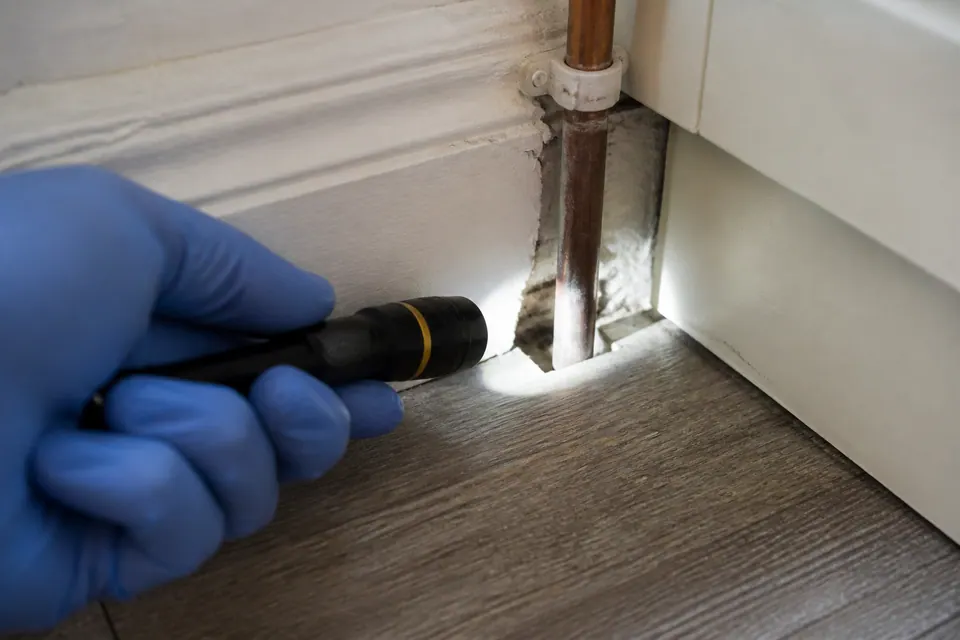
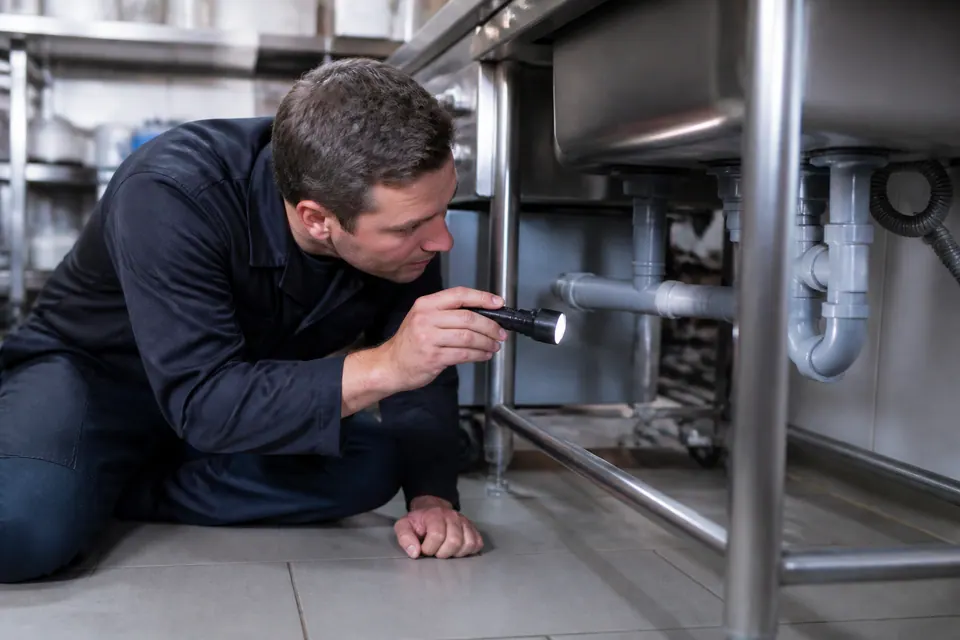
The illustrations are not a Potters Bar multi-building case or verified outcome.
ADDRESS AND AVAILABILITY
Send the postcode with the structures you want considered.
Coverage and scope need confirmation. Explain separate access rather than relying on the map to describe the property.
Open Potters Bar in Google Maps ↗13 / CLEAR EXPECTATIONS
The programme should state the included buildings.
Occupancy affects practical instructions.
Keys and permission must be arranged for the requested areas.
POTTERS BAR / QUESTIONS
Only expressly agreed areas should be expected.
Yes, with its use, evidence and access details.
No. The actual areas and programme determine the scope.
Avoid speculative transfer; follow appropriate preparation advice.
Identify the responsible owner or manager.
No. Keep the observations in each structure distinct.
Yes, practical guidance needs to reach the people using the space.
Request a review of inclusion and price before attendance.
Repairs are separate unless specifically agreed.
Give the building, exact location, date and type of sign.
15 / TAKE THE NEXT STEP
Check coverage and describe the dwelling and separate areas individually. Agree inclusion rather than adding assumptions to the visit.
