
An external door edge
State whether activity was seen crossing it.
PEST CONTROL / MAIDENHEAD
Following up on a suspected entry point.
A building gap and a confirmed pest route are different things.
A suspected opening should remain a question until assessed alongside activity. Describe its location, accessibility and any repair advice already received before deciding what work belongs in the control plan.
04 / AT A GLANCE
05 / PROPERTY BRIEF
State whether activity was seen crossing it.
Describe accessible evidence without interfering with utilities.
Explain ownership and access limitations.
Separate its repair and pest concerns from the main home.
Commercial suitability and repair responsibility need specific confirmation.
Check the premises requirements01 / START WITH THE EVIDENCE
Do not select a pest service from the size of a gap alone.
Traces or chewing near a specific location.
Mice controlA sighting or suspected larger rodent evidence.
Rats controlVisible signs around sleeping furniture.
Bed bug treatmentRecurring activity near indoor fittings.
Cockroaches controlName both the evidence and nearby building feature.
Say whether movement through the opening was actually seen.
Keep furniture findings distinct from an unrelated wall defect.
Explain repetition without opening appliances or panels.
MAIDENHEAD / PROPERTY CONTEXT
For a Maidenhead enquiry, provide the postcode and check the requested service before arranging related trades.
A damaged seal, opening or worn fitting may deserve attention, but its existence alone does not prove pest entry. Describe observed activity separately.
Do not close every suspected opening before the situation is assessed. Ask how any recommended proofing or repair should be coordinated.
The proposal should identify whether building work is included, separately quoted or outside scope. A pest starting price is not an unspecified repair allowance.
07 / SCOPE BEFORE A QUOTE
The pest response and any building recommendation should be understandable as distinct parts of the proposal.
from £120
See published service pricingfrom £150
See published service pricing| Service | Pricing basis | Price |
|---|---|---|
| Mice control | Activity, access and programme | Quote after assessment |
| Rat control | Internal / external routes and visits | Quote after assessment |
| Proofing / repairs | Surveyed openings and separate work | Quoted separately |
Guides checked 27 August 2026. Verify coverage and current charges. Repairs, proofing, drainage and other trades are not automatically included.
03 / OBSERVATION CHECKLIST
The distinction between observed and suspected helps avoid an overconfident account.
Do not dismantle fixtures, handle contamination or enter unsafe spaces to test a theory.
Report the direction only if it was seen.
Describe the marks and exact position without assigning their cause.
Name the item and its distance from the suspected feature.
Give timing and room; the hidden route remains uncertain.
State physical evidence independently of building defects.
Explain whether sightings recur at the same accessible point.
06 / SIGNS → LOCATION → NEXT STEP
| Pest problem | Signs to describe | Areas to mention | Next step |
|---|---|---|---|
| Mice | Possible small-rodent traces | Beside a named feature | Distinguish proximity from observed entry |
| Rats | Larger animal sighting | Exact outside or inside point | Report the movement actually seen |
| Bed bugs | Bedroom physical signs | Specific furnishing | Avoid linking unrelated defects automatically |
| Cockroaches | Repeated insects | Accessible kitchen fitting | Disclose prior products and keep equipment closed |
MAKE THE ENQUIRY SPECIFIC
Report the gap as a feature, not a confirmed entrance.
Explain the proposed work so timing can be discussed.
Do not open the surface simply to test the theory.
Clarify permissions and responsibility before including work.
08 / THE CONTROL PLAN
A practical plan need not pretend every visible defect is a proven route.
Record signs and the nearby feature independently.
Clarify pest work versus repair recommendations.
Discuss timing and responsibility for any separate work.
09 / FROM FIRST CONTACT
Avoid starting several uncoordinated tasks from one uncertain observation.

Check suitability for the requested service.
Use an accessible fixed reference.
Separate sightings from sounds and assumptions.
Mention repairs already booked or completed.
Ask who is responsible for each proposed task.
Report changes without assuming repair alone proves resolution.
10 / PROBLEM → TREATMENT → CONTROL
The evidence should guide intervention and any separate building recommendation.
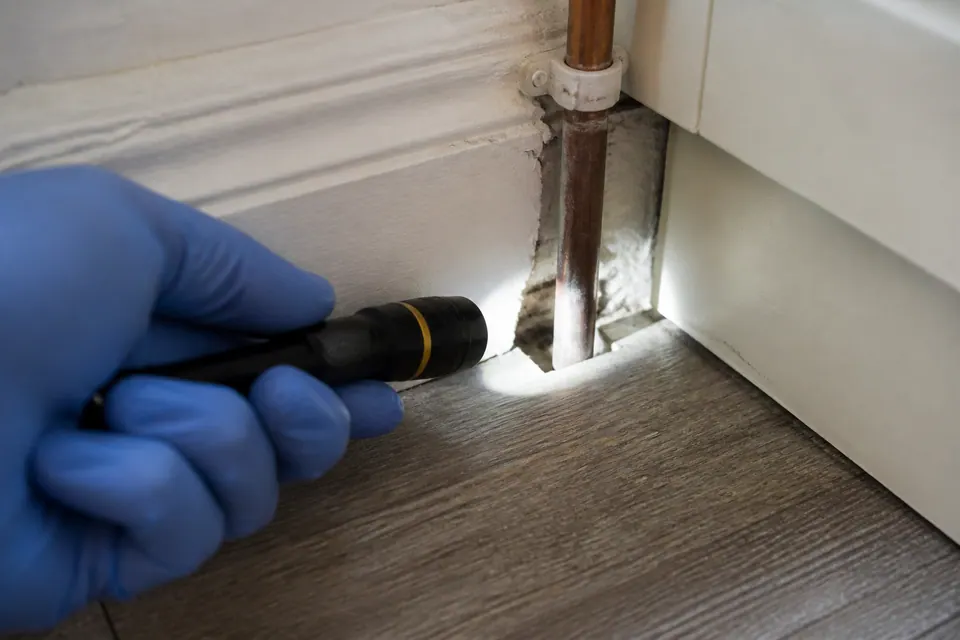
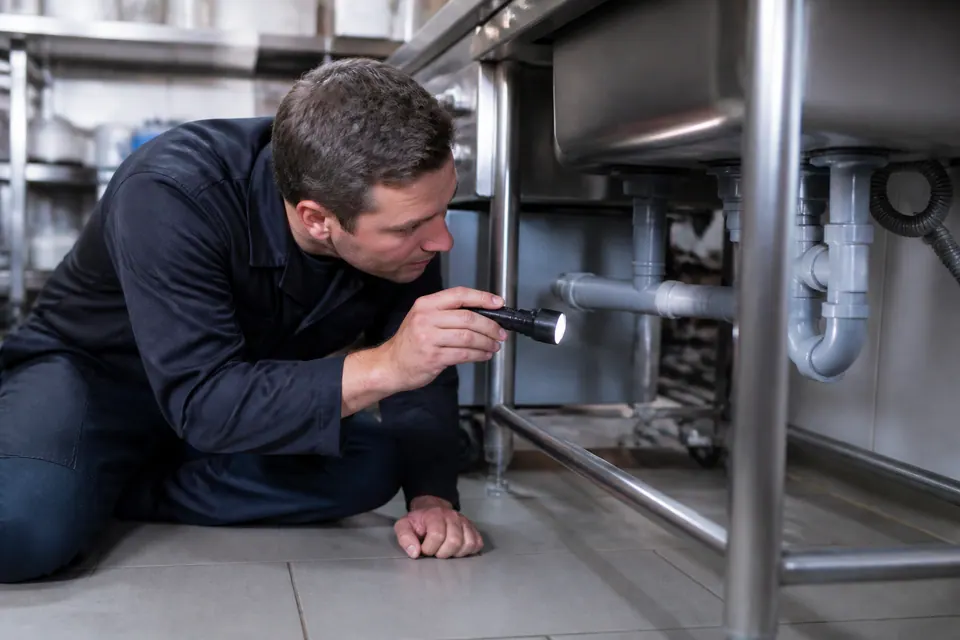
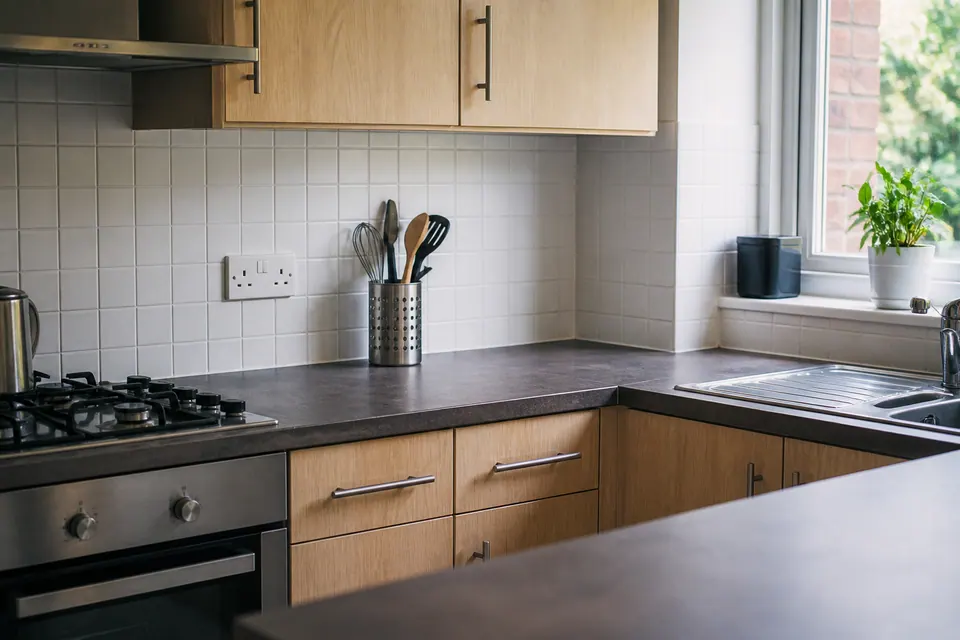
These illustrative stages are not photographs documenting a Maidenhead repair or treatment result.
13 / CLEAR EXPECTATIONS
Do not substitute a plausible route for something actually seen.
Different tasks may need different approvals or trades.
Ask for clarity before treating proofing as included.
ADDRESS AND AVAILABILITY
Check the complete postcode before coordinating pest attendance and any separate trade.
A location map cannot establish the cause of a building defect or define repair inclusions.
Open Maidenhead in Google Maps ↗MAIDENHEAD / QUESTIONS
No. Describe any directly observed activity separately.
Ask for advice based on the findings rather than sealing on assumption.
Do not interfere with utility equipment or inaccessible spaces.
Do not assume so; request explicit inclusions and any separate price.
Explain the planned tasks and dates so coordination can be discussed.
No. Report the room and timing without claiming a hidden path.
Only after access, authority and scope are clarified.
Yes, especially where they change the current condition or access.
Not by itself. Follow the agreed monitoring or review advice.
Pest assessment, intervention, repair recommendations, responsibility and any further attendance.
15 / TAKE THE NEXT STEP
Explain what was seen, what is suspected and what work is already planned before agreeing the next step.
