
It disappeared behind a fence
Report the last visible point without claiming the route beyond it.
PEST CONTROL / STAINES-UPON-THAMES
Outdoor activity and uncertain species.
Something outside is not yet an indoor diagnosis.
An animal seen briefly outside may not belong to the pest services offered. Describe the observation without approaching it, then confirm the appropriate route before asking for treatment.
MAKE THE ENQUIRY SPECIFIC
Report the last visible point without claiming the route beyond it.
Keep the sound separate unless its source was observed.
Describe that damage as an additional finding.
Identify it as a second-hand report, not evidence you personally saw.
06 / SIGNS → LOCATION → NEXT STEP
| Pest problem | Signs to describe | Areas to mention | Next step |
|---|---|---|---|
| Mice | Small animal seen | Fixed outside reference | Describe appearance and uncertainty |
| Rats | Larger traces or sighting | Private or shared boundary | Clarify ownership and repeat activity |
| Bed bugs | Bedroom spotting | Named furniture | Report physical evidence rather than bites alone |
| Cockroaches | Recurring kitchen insect | Indoor fitting | Explain frequency and previous products |
09 / FROM FIRST CONTACT
A clear account can remain useful even when identification is incomplete.
Start with the full Staines postcode.
Use a door, fence or store as a reference.
Say which features were actually visible.
Name rooms individually rather than inferring entry.
Clarify preparation, cost and access restrictions.
Keep later observations distinct from the original event.
08 / THE CONTROL PLAN
Do not turn an uncertain species or route into a fixed booking assumption.
Give the position, time and degree of certainty.
Discuss suitable work only after the concern and practical scope are understood.
Report further activity against the same references so changes can be interpreted.
05 / PROPERTY BRIEF
Give the actual sighting point rather than the whole garden.
Explain who controls access before including it in requested work.
Identify it separately from the dwelling.
Describe evidence here independently of outside activity.
Mention children, pets and other relevant restrictions during assessment.
Discuss your homeCommercial suitability and scope must be checked separately.
Check the premises requirementsADDRESS AND AVAILABILITY
Confirm service coverage for the full address before expecting attendance.
The map supplies geographic context; it does not establish ownership, entry routes or affected land.
Open Staines-upon-Thames in Google Maps ↗07 / SCOPE BEFORE A QUOTE
An outside sighting does not by itself establish the treatment area, method or price.
from £120
See published service pricingfrom £150
See published service pricing| Service | Pricing basis | Price |
|---|---|---|
| Mice control | Activity, access and programme | Quote after assessment |
| Rat control | Internal / external routes and visits | Quote after assessment |
| Proofing / repairs | Surveyed openings and separate work | Quoted separately |
Published guides checked 27 August 2026. Confirm current coverage and inclusions; land beyond the property, repairs and clearance are not automatically covered.
STAINES-UPON-THAMES / PROPERTY CONTEXT
For a Staines enquiry, first establish the precise postcode and whether the requested service is available.
An animal crossing a patio does not demonstrate entry into the house. Keep the observed point and suspected route as separate facts.
If something also appears indoors, identify that room independently. Do not join observations into a route that nobody saw.
Boundaries may belong to someone else. Explain ownership and permission rather than assuming nearby land can be included.
03 / OBSERVATION CHECKLIST
Timing and position often make a short description more useful than a confident but uncertain label.
Do not handle suspect material or enter unsafe areas to improve a photograph.
Record what could be seen and what remained unclear.
Use the same fixed reference for each observation.
Describe their location without touching or identifying them by assumption.
Name the affected object; damage alone does not establish the culprit.
State the furniture location and any physical findings.
Separate indoor repetition from a single insect seen outside.
01 / START WITH THE EVIDENCE
Describe size, movement and position without choosing a species solely from the setting.
Possible small-rodent evidence in a named place.
Mice controlA directly observed animal or suspected larger traces.
Rats controlPhysical findings on bedroom furniture.
Bed bug treatmentRecurring insects around indoor fittings.
Cockroaches controlMention the nearest fixed reference and whether activity repeated.
Distinguish your property from a shared or neighbouring boundary.
Keep marks on furniture separate from bites or irritation.
Report its appearance and timing; identification may need assessment.
04 / AT A GLANCE
10 / PROBLEM → TREATMENT → CONTROL
Assessment can distinguish a report from a confirmed treatment need.
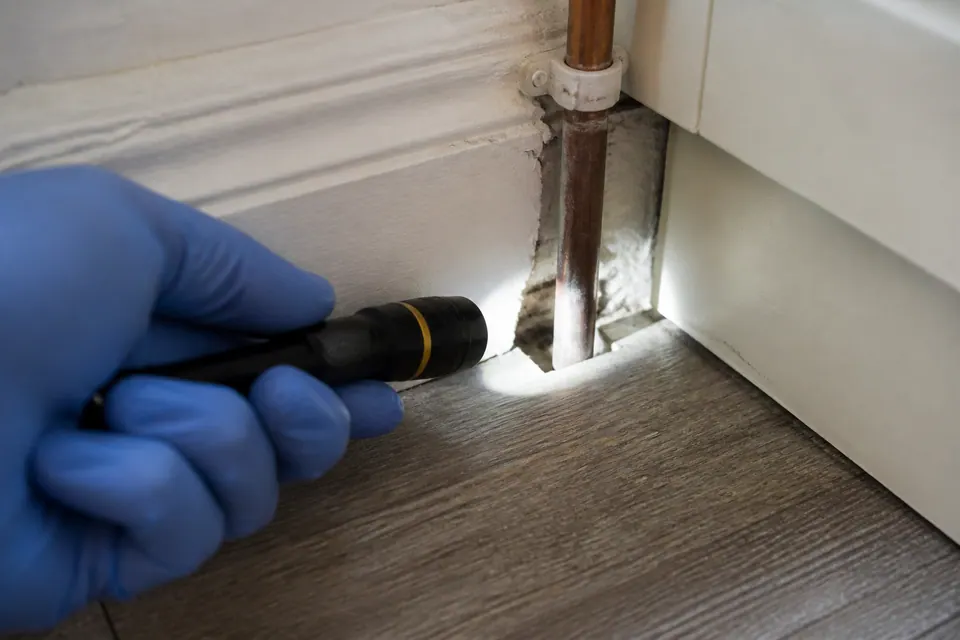
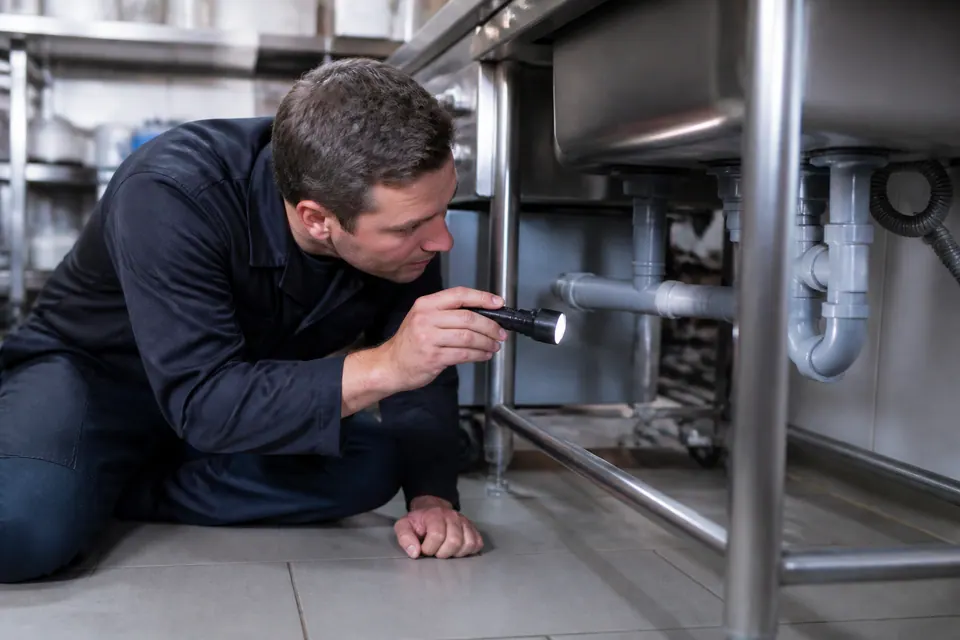
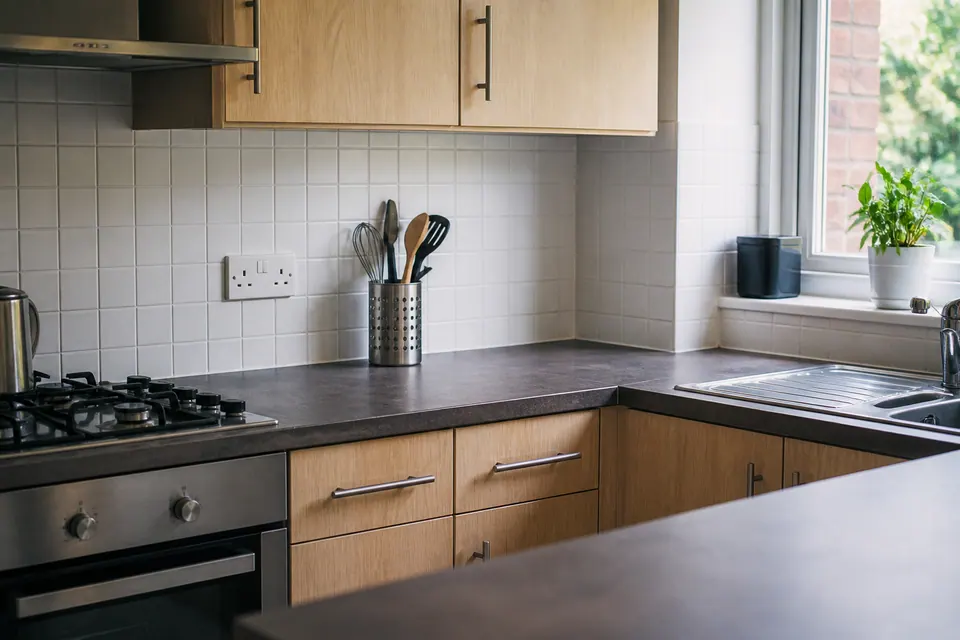
Illustrative scenes show the general stages, not a documented Staines customer job.
13 / CLEAR EXPECTATIONS
Appearance and location are more useful than an invented identification.
Shared land needs its own access discussion.
An assessment should distinguish known findings from possibilities.
STAINES-UPON-THAMES / QUESTIONS
No. Report any indoor evidence separately.
Do not enter unsafe or inaccessible areas to pursue it.
Describe visible features and the uncertainty.
Only after ownership, permission and proposed scope are clarified.
Label it as second-hand information rather than your own observation.
Do not assume immediate sealing is the appropriate response; seek advice for the actual finding.
Give the location and time without claiming a species.
An existing clear image may help, but do not disturb the animal to obtain one.
The guide is not a promise of unspecified outdoor work. Confirm the actual proposal.
Use consistent location references and distinguish new observations from remembered ones.
15 / TAKE THE NEXT STEP
Send a concise account of the sighting and any separate indoor evidence, then discuss availability and an appropriate scope.
