
Mice
Traces or chewing in a specific place.
Mice controlPEST CONTROL / OXFORD
A clear brief for an Oxford property.
An Oxford property needs its own suitability check.
An Oxford address should be assessed as its own enquiry, not treated as a London neighbourhood booking. Explain the evidence and property use, then confirm coverage before planning access or preparation.
01 / START WITH THE EVIDENCE
A concise description can identify the right question without pretending to be a diagnosis.
Traces or chewing in a specific place.
Mice controlAn animal seen or larger suspected traces.
Rats controlFindings around a bed or nearby furniture.
Bed bug treatmentRecurring insects beside indoor fittings.
Cockroaches controlState what was visible and which room it belongs to.
Explain whether the animal was directly observed.
Keep furniture evidence distinct from irritation or bites.
Describe recurrence and disclose earlier products.
OXFORD / PROPERTY CONTEXT
Give the complete Oxford address and confirm whether the requested service can be offered there. Coverage is not established by this page.
Describe how the premises are used: private household, rented accommodation or a different arrangement. The correct scope depends on that information, not a generic property label.
Record the observations in plain language. An uncertain species can remain uncertain while suitability is discussed; there is no need to choose a treatment from photographs.
Keep access and preparation provisional until the enquiry has been accepted and instructions supplied. Information about another location does not establish an Oxford appointment.
03 / OBSERVATION CHECKLIST
Separate what you saw, what you heard and what someone else reported.
Do not disturb suspect contamination, dismantle furniture or enter unsafe areas to complete the account.
Name the cupboard and visible material.
Describe the object and when damage was noticed.
Give the location while leaving the source uncertain.
Identify the furniture surface and physical findings.
Explain whether sightings repeat at one fitting.
Report the visible position without assuming entry indoors.
04 / AT A GLANCE
05 / PROPERTY BRIEF
Identify the affected rooms and relevant occupants.
Explain shared facilities and access responsibility.
Clarify who can approve work and admit a visitor.
Describe the arrangement accurately before choosing a service.
Ask explicitly; no business programme is promised by a household guide.
Check the premises requirements06 / SIGNS → LOCATION → NEXT STEP
| Pest problem | Signs to describe | Areas to mention | Next step |
|---|---|---|---|
| Mice | Possible small-rodent signs | Named storage location | Describe evidence without choosing a product |
| Rats | Larger animal or traces | Actual sighting position | Separate direct and second-hand reports |
| Bed bugs | Physical bedroom findings | Specific bed or furnishing | Explain occupancy and visible signs |
| Cockroaches | Recurring insects | Named kitchen fitting | Disclose previous products and frequency |
07 / SCOPE BEFORE A QUOTE
A guide cannot establish geographic availability or the full price for a property that has not been discussed.
from £120
See published service pricingfrom £150
See published service pricing| Service | Pricing basis | Price |
|---|---|---|
| Mice control | Activity, access and programme | Quote after assessment |
| Rat control | Internal / external routes and visits | Quote after assessment |
| Proofing / repairs | Surveyed openings and separate work | Quoted separately |
Guides checked 27 August 2026. Confirm current address coverage and terms. Building work, clearance and unspecified further attendance are not implied.
08 / THE CONTROL PLAN
The enquiry should stand on its own details rather than borrowing assumptions from another area.
Give the address, occupation and access arrangement.
Distinguish visible findings from theories about cause.
Review availability, scope and instructions before making dependent plans.
09 / FROM FIRST CONTACT
A clear brief avoids premature decisions about treatment or preparation.

Check location coverage first.
Describe the actual residential or other arrangement.
Keep room references consistent.
Clarify permission and the person who can provide entry.
Confirm the relevant service and proposed terms.
Do not apply instructions intended for a different property or method.
10 / PROBLEM → TREATMENT → CONTROL
Assessment and availability determine the proposal; a location heading is not a service confirmation.
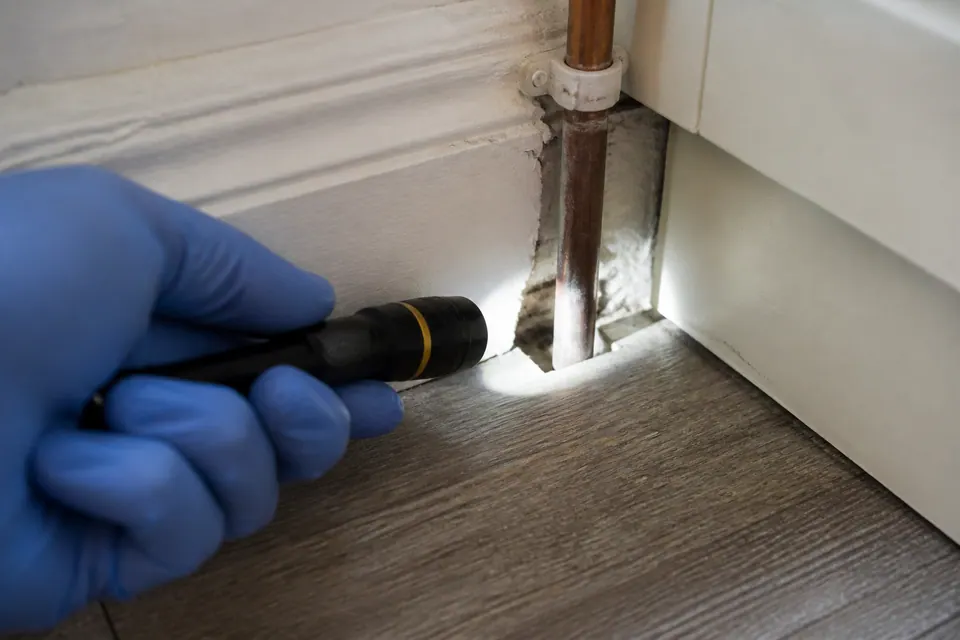
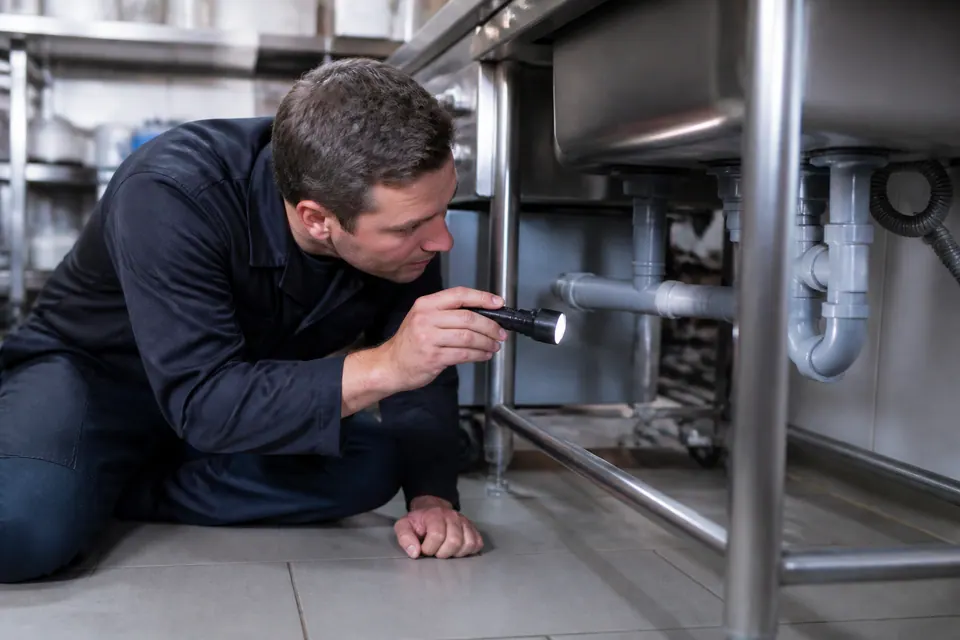
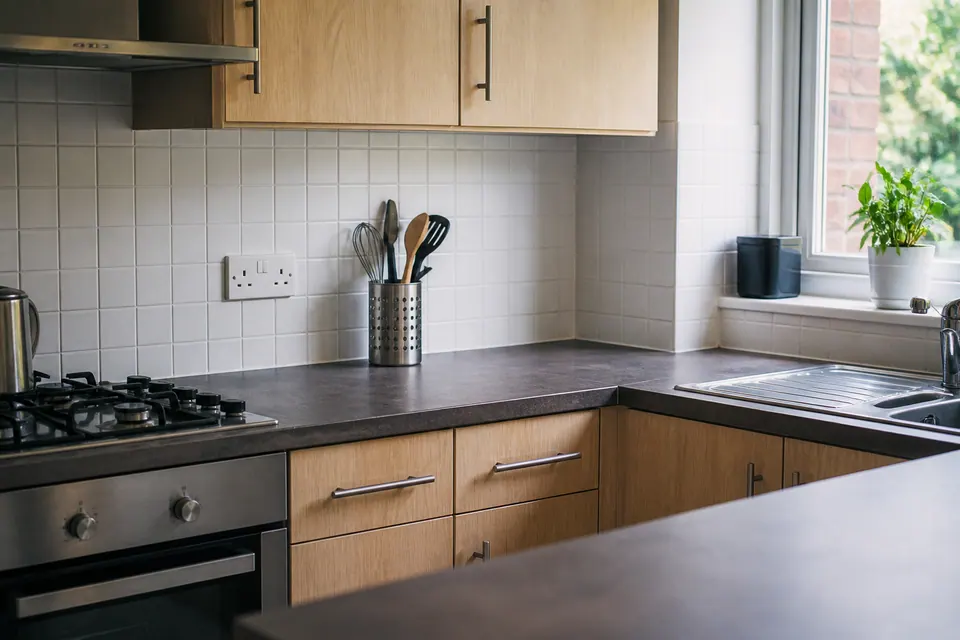
Illustrative scenes are not photographs of an Oxford customer treatment.
MAKE THE ENQUIRY SPECIFIC
Describe the observation without guessing a method.
Explain the arrangement and responsible contacts.
Confirm authority before proposing attendance.
Do not treat it as instructions for this property.
ADDRESS AND AVAILABILITY
Oxford is a separate location enquiry; confirm coverage for the requested work.
The map provides geographic orientation, not proof of an office, availability or accepted booking.
Open Oxford in Google Maps ↗13 / CLEAR EXPECTATIONS
The arrangement should be described as it exists.
A report can be useful without a confident species label.
Rely on terms given for the actual address.
OXFORD / QUESTIONS
No. Confirm the Oxford address as its own enquiry.
No. Describe what you observed and any uncertainty.
It affects suitability, responsibility and the proposed scope.
It may help describe evidence, but do not select treatment on that basis alone.
Yes, clarify access and the relevant occupants.
Wait for instructions specific to the agreed work.
No. Availability and pricing are separate confirmations.
Identify the responsible contact before arrangements are assumed.
Include them as uncertain or second-hand rather than presenting them as fact.
After availability, scope and the appointment have been confirmed.
15 / TAKE THE NEXT STEP
Explain the address, use and observations to check whether a suitable service can be offered.
