
A further sighting
Give the new date and position. Preserve the earlier account rather than replacing it with an undated description of a worsening problem.
PEST CONTROL / CRAWLEY
From enquiry to an agreed appointment.
Start with a clear account.
For a Crawley property, the first step is to establish coverage and the nature of the concern. Access planning and treatment preparation should follow a confirmed proposal rather than precede it.
CRAWLEY / PROPERTY CONTEXT
A household can make substantial changes before learning whether a proposed visit is suitable. Establish what is being arranged before cancelling plans, moving possessions or clearing rooms.
Begin with the Crawley postcode, the suspected problem and a coverage check. Neither a guide page nor an enquiry establishes that a particular date has been accepted.
Once a proposal is being considered, explain commitments that affect access or room use. The team needs those restrictions before the method and preparation are agreed.
If something changes after the conversation, update the booking contact. A room becoming unavailable or another product being used can alter the circumstances on which instructions were based.
03 / OBSERVATION CHECKLIST
Keep the team’s understanding current instead of arriving at the appointment with a different situation from the original report.
Avoid creating access by disturbing suspect material, entering unsafe areas or dismantling fittings.
Give the new date and position. Preserve the earlier account rather than replacing it with an undated description of a worsening problem.
Explain the restriction promptly. A proposal based on access to that space may need reconsideration before attendance.
Provide the details and timing. Even an action intended to help should not be left out of the treatment history.
State the original and new positions if relevant. Moving belongings may change where assessment is needed or what can be observed.
Mention planned appliance, plumbing or building work. Those tasks are separate from pest control but may affect access or the proposed sequence.
Confirm that the contact understands the agreed spaces and can reach the responsible customer. A last-minute key change can lose important information.
06 / SIGNS → LOCATION → NEXT STEP
| Pest problem | Signs to describe | Areas to mention | Next step |
|---|---|---|---|
| Mice | Possible rodent damage in stored supplies | The affected cupboard and safely visible surrounding area | Discuss access before clearing unrelated storage |
| Rats | An outside sighting near a visible gap | Separate locations for the sighting and the opening | Coordinate assessment before deciding on closure work |
| Bed bugs | Bedroom marks noticed near furniture | The original resting place and any moved belongings | Seek instructions before transferring bedding |
| Cockroaches | Insects appearing beside connected equipment | The accessible kitchen edge and fixed services | Explain restrictions instead of pulling appliances out |
08 / THE CONTROL PLAN
The practical plan should evolve with the evidence and the selected service rather than starting from a fixed expectation of how treatment must happen.
Coverage, scope and access are separate points to confirm. A preferred appointment is not a complete agreement until those questions are resolved.
Preparation relates to the method and restrictions discussed. If it cannot be completed, raise the issue rather than improvising an alternative.
Subsequent sightings or changes should follow the supplied reporting guidance. A quiet interval alone is not a universal measure of completion.
09 / FROM FIRST CONTACT
Open the steps to see what needs confirmation. They do not promise a response time, treatment duration or fixed number of visits.

Provide the address and the concern so the available service can be checked. Do not organise around an assumed appointment.
Tell the team about rooms that must remain in use, fixed equipment and relevant occupants before preparation is selected.
Clarify the assessment or treatment scope, entry contact and any outstanding question. An enquiry should not be mistaken for confirmation of all details.
Follow the supplied requirements, and ask if a step is unclear or cannot be met. Do not compensate by adding an unrequested product.
Make sure the people using the space receive the specific aftercare and return guidance. Do not rely on memory of a different service.
Record dates and places if activity is noticed later. Explain changes to the space so review can consider the actual circumstances.
01 / START WITH THE EVIDENCE
Different findings can call for different arrangements. Treat an enquiry as a conversation about the next step, not an instruction to prepare for a guessed method.
Suspected damage among kitchen or household storage.
Mice controlRodent observations around accessible parts of the property.
Rats controlPhysical traces around a bed or resting furniture.
Bed bug treatmentInsects returning near kitchen units or equipment.
Cockroaches controlDescribe which storage contains the signs. The agreed approach determines what access is needed; wholesale clearing may be unnecessary or inappropriate.
Report visible gaps and any actual activity separately. Maintenance should be coordinated with the assessment rather than used to pre-empt it.
Mention the affected furniture and occupants. Obtain relevant advice before transferring bedding or belongings through other rooms.
Explain fixed connections and available working space. Preparation is not permission for unsafe appliance movement or unplanned technical work.
07 / SCOPE BEFORE A QUOTE
A useful quote should correspond to a service that can be provided at the address and a preparation plan the household understands.
from £120
See published service pricingfrom £150
See published service pricing| Service | Pricing basis | Price |
|---|---|---|
| Mice control | Activity, access and programme | Quote after assessment |
| Rat control | Internal / external routes and visits | Quote after assessment |
| Proofing / repairs | Surveyed openings and separate work | Quoted separately |
Check the total, relevant rooms and review arrangements before committing. Guide figures were checked on 27 August 2026; they do not include every possible follow-on visit or repair by assumption.
05 / PROPERTY BRIEF
Explain the requirement before accepting preparation. It may affect what can be proposed; it should not be treated as an inconvenience to disclose at arrival.
If another trade is scheduled, mention the relevant work and timing. Do not assume pest treatment includes their repairs or can proceed around every alteration.
Ensure instructions reach the resident as well as any person arranging entry. Household preparation should not depend on a partial forwarded message.
Name units that cannot be moved safely. An accessible doorway does not necessarily provide the working access needed beside equipment.
Include relevant occupant and animal information early. Arrangements for room use must follow the chosen method, not a generic idea of a domestic visit.
Discuss your homeDescribe the use and ask whether it can be considered. A residential enquiry does not confirm commercial service, documentation or a business-specific programme.
Check the premises requirements04 / AT A GLANCE
MAKE THE ENQUIRY SPECIFIC
Explain the obstacle instead of skipping the step silently. The proposed approach may need a different arrangement or further discussion.
Give the product details and timing. Leaving it unreported makes the household history incomplete even if it was intended as a temporary measure.
Update the access information before attendance. A room that was available during the enquiry may no longer support the agreed proposal.
Pass the actual guidance to those using the property and clarify questions. A brief recollection from someone else may omit an important restriction.
10 / PROBLEM → TREATMENT → CONTROL
The day of attendance marks an intervention or assessment, not automatic proof of clearance. Review decisions depend on the problem and the evidence that follows.
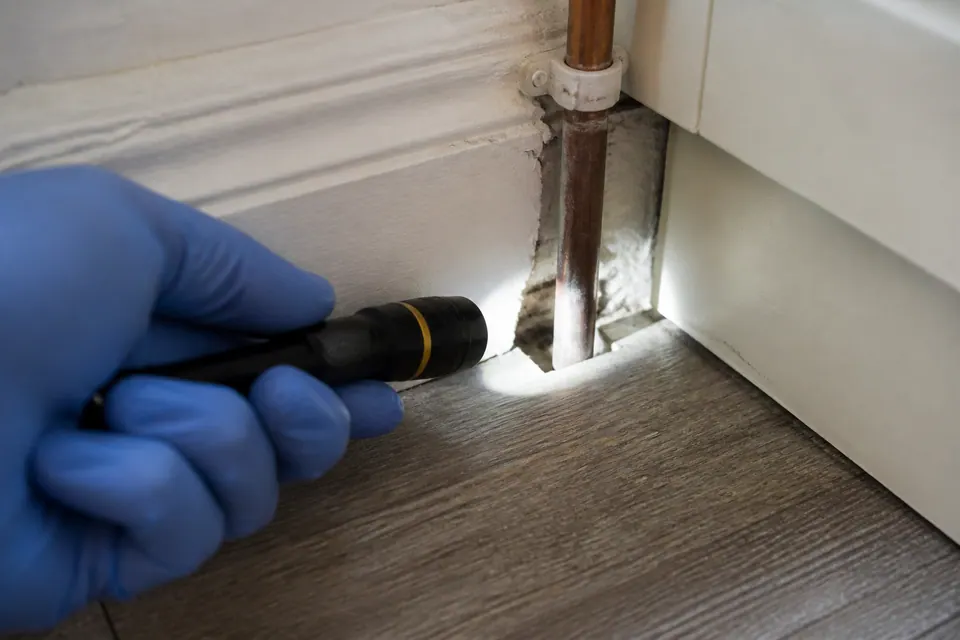
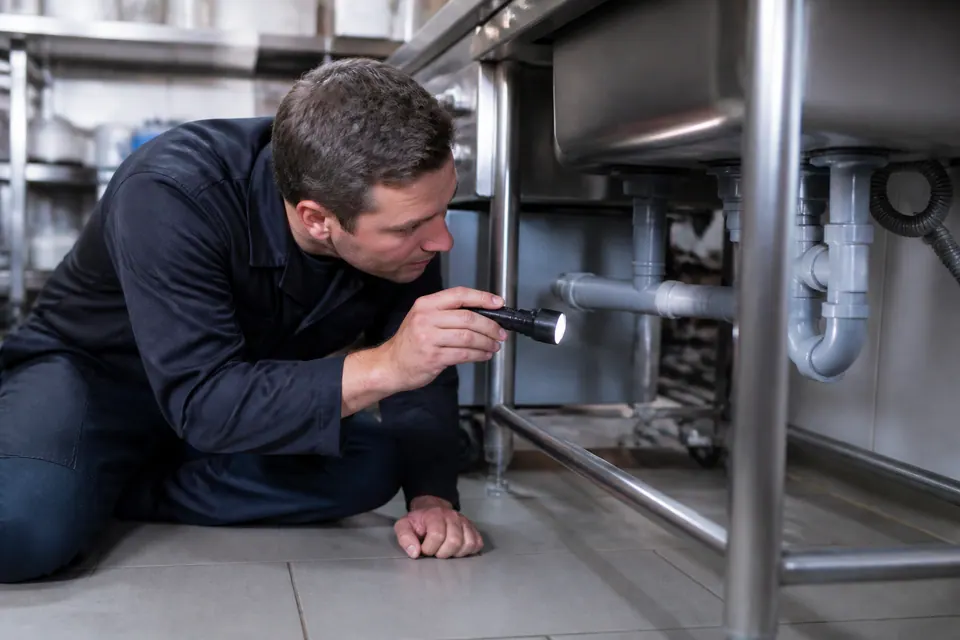
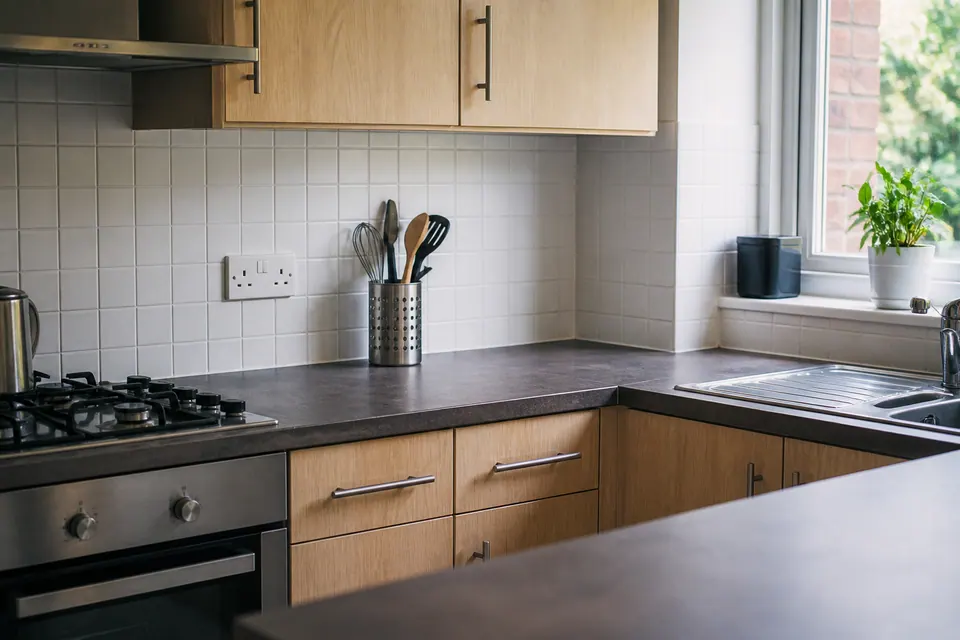
These are illustrative scenes, not Crawley job photographs or a visual guarantee of the result of a visit.
ADDRESS AND AVAILABILITY
Check the postcode with the team before relying on service availability, then agree the practical entry contact for the property.
Use the map for area context only. Arrival details, room access and an accepted appointment need direct confirmation rather than assumptions from the location shown.
Open Crawley in Google Maps ↗13 / CLEAR EXPECTATIONS
Preparation should be understood and achievable for the agreed method. Restrictions need to be discussed before they prevent the proposed work.
New sightings, access limits or product use should be passed on rather than left to emerge during attendance.
Anyone using the relevant rooms needs the applicable guidance, including instructions that affect return or subsequent observations.
CRAWLEY / QUESTIONS
Wait for relevant instructions. Clearing before the service and method are agreed may be unnecessary and can change the situation being assessed.
Explain that constraint and ask what is available. A preferred day does not establish coverage or guarantee that attendance can be arranged then.
Raise the requirement before agreeing the method. Continued use cannot be assumed compatible with every preparation or treatment arrangement.
Ask for clarification rather than substituting something you think is equivalent. Guidance is tied to the proposed approach and household circumstances.
Yes, where their work affects access, fittings or the relevant space. Their repairs remain separate from the pest-control service.
Do not add an unreported intervention as preparation. If something has already been used, supply its details so the current history is accurate.
Notify the team and ensure the new contact understands the agreed entry and spaces. They should know how to reach the responsible customer.
No. Assessment, treatment and confirmation of progress are different stages. Monitoring or additional attendance may be needed according to the findings.
Distinguish new evidence from the earlier images and date both clearly. Otherwise a review may not be able to tell whether a finding is fresh.
The household members using affected areas need access to it. Keep the specific instructions available rather than relying on a generic summary of pest treatment.
15 / TAKE THE NEXT STEP
Check availability with the postcode and a clear account of the concern. Bring household restrictions into the conversation before making changes for a proposed visit.
