
Before removal
Describe any signs noticed before the work rather than assuming the area had no previous activity.
PEST CONTROL / DALSTON
Kitchen sightings after equipment changes.
Start with a clear account.
An appliance change may expose old signs or alter what can be seen. Tell the assessor what moved and when, and distinguish that history from evidence of current activity.
03 / OBSERVATION CHECKLIST
A short sequence keeps installation events separate from physical evidence.
Do not disconnect or pull out equipment solely to improve the pest report.
Describe any signs noticed before the work rather than assuming the area had no previous activity.
Identify the actual surface or item on which evidence was found.
Explain what now blocks the position and whether the original finding can still be viewed.
Give independent dates after the work instead of counting repeated photographs of the same mark.
Mention known restrictions that prevent safe access; a movable-looking unit may still be connected.
Include actions by installers or occupants where known, without inventing details of an unknown product.
DALSTON / PROPERTY CONTEXT
Removing a unit can reveal a previously hidden edge. The discovery date records when it became visible, not necessarily when the underlying marks developed.
Confirm the Dalston postcode and requested service directly before relying on an appointment. Explain whether equipment is now installed or the position remains open.
Name the removed and replacement items only where relevant, with the work date if known. The assessment needs the current access conditions as well as the earlier finding.
If another trade is still working, describe those arrangements separately. Pest treatment does not include their installation, disconnection or repair tasks by assumption.
04 / AT A GLANCE
08 / THE CONTROL PLAN
A clear timeline avoids blaming the new equipment simply because discovery occurred near the change.
Record when the surface became visible and what was actually observed there.
Fresh sightings and accessible signs inform the next step; hidden areas remain limitations.
Any proposed movement, repair or technical work needs its own appropriate arrangement rather than being assumed treatment preparation.
10 / PROBLEM → TREATMENT → CONTROL
Replacement can change access and appearance without answering whether the original concern remains. Review the findings rather than the equipment’s age.
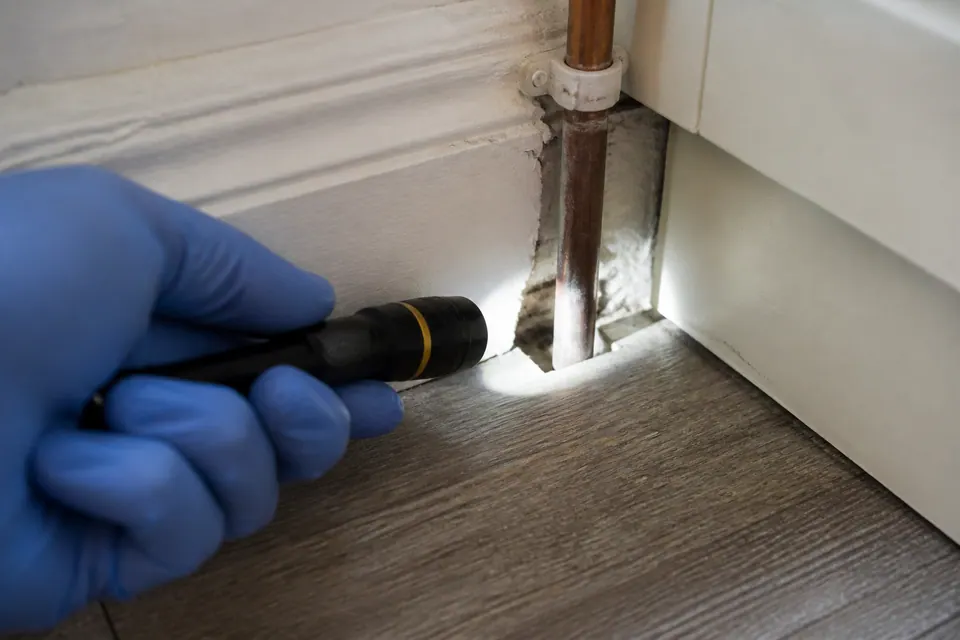
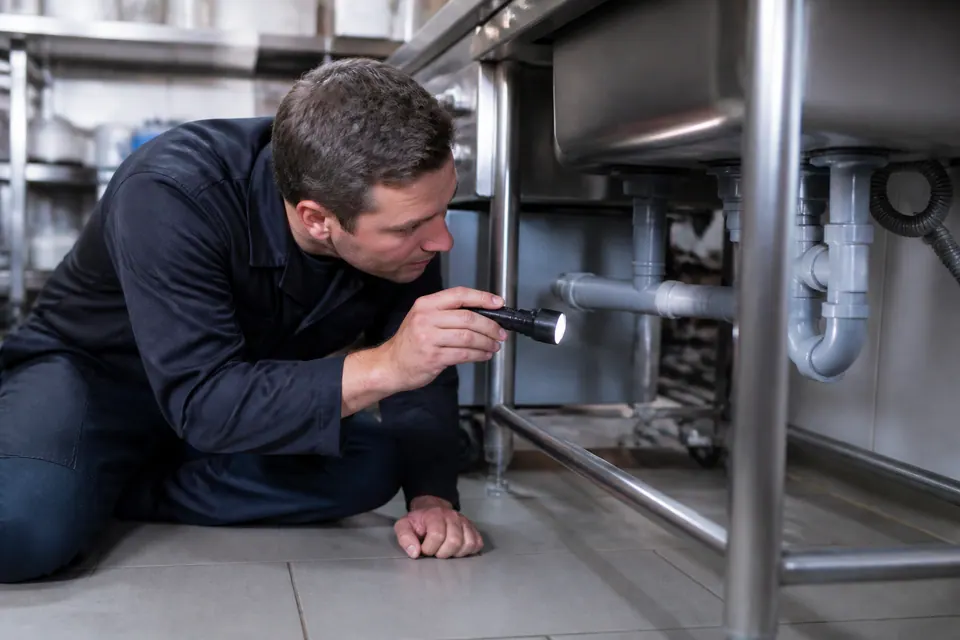
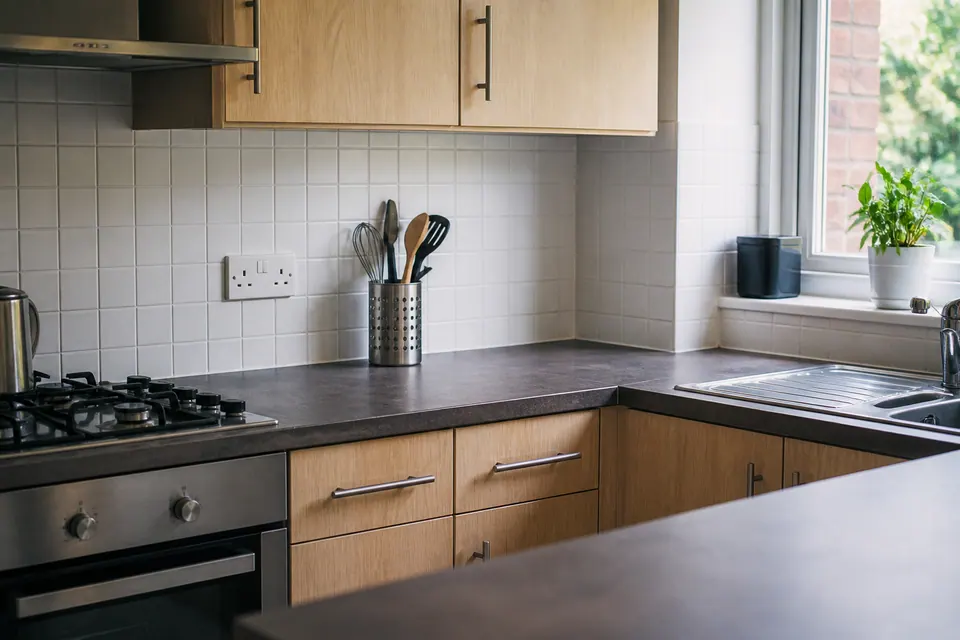
These are illustrative scenes, not Dalston installation records or proof of customer treatment outcomes.
07 / SCOPE BEFORE A QUOTE
A Dalston proposal needs the actual findings and current access, not merely the fact that a kitchen unit has been replaced.
from £120
See published service pricingfrom £150
See published service pricing| Service | Pricing basis | Price |
|---|---|---|
| Mice control | Activity, access and programme | Quote after assessment |
| Rat control | Internal / external routes and visits | Quote after assessment |
| Proofing / repairs | Surveyed openings and separate work | Quoted separately |
Confirm the service and inclusions directly. Guides checked 27 August 2026; installation, disconnection and repairs are not automatic parts of pest treatment.
01 / START WITH THE EVIDENCE
The appliance change supplies a timeline, not a diagnosis. Newly visible marks and fresh activity should remain distinct.
Material damage uncovered when kitchen equipment was removed.
Mice controlSounds perceived near a recently changed unit.
Rats controlPhysical bedroom findings reported separately from the kitchen work.
Bed bug treatmentInsects repeatedly noticed around the new or exposed fitting.
Cockroaches controlState whether the finding was on the appliance or the wall behind it. Its age may remain unknown.
Describe timing and direction without treating the replacement as proof of the animal or cause.
Keep evidence around resting places independent; the kitchen change does not identify a bed bug concern.
Give separate dates for sightings since the work, including any product applied to the exposed space.
05 / PROPERTY BRIEF
Describe what is visible without reaching into unsafe or restricted service areas.
Explain that the earlier surface may be concealed again, rather than promising the same access as during installation.
Name fixed panels or connections that restrict inspection. Dismantling is not assumed within pest work.
Identify the relevant contact for any alteration or access question concerning the installation.
Disclose the occupants and practical use restrictions before the proposed method is agreed.
Discuss your homeCheck suitability separately; residential pest guides do not establish commercial provision or technical appliance work.
Check the premises requirements06 / SIGNS → LOCATION → NEXT STEP
| Pest problem | Signs to describe | Areas to mention | Next step |
|---|---|---|---|
| Mice | Material damage behind the removed item | Actual wall or storage position | Discuss evidence without assigning its age from the work date |
| Rats | Noise perceived after replacement | Listening position and observed timing | Avoid treating sequence as proof of cause or species |
| Bed bugs | Independent physical bedroom signs | The resting-area location | Assess separately from the kitchen installation account |
| Cockroaches | Repeated insects beside equipment | Accessible fitting and dates since the change | Disclose products and current connection limits |
MAKE THE ENQUIRY SPECIFIC
Discovery can reveal older concealed evidence; keep its age qualified.
A sequence is not proof of origin. Describe any known item history without assuming the cause.
Later evidence and review matter more than the removal itself.
Technical installation and pest control are different scopes and require their own agreement.
09 / FROM FIRST CONTACT
This sequence organises information, not a universal treatment programme or promised completion time.

State which equipment moved and when, if known.
Distinguish an item finding from something on the exposed wall or floor.
Separate new sightings from repeated inspection of old marks.
Mention reinstalled equipment, fixed fittings and any outstanding work by another trade.
Do not substitute appliance movement or another product for the preparation provided.
Retain the current room position and date so review can compare evidence accurately.
13 / CLEAR EXPECTATIONS
The work date should not become an invented date for the start of pest activity.
A surface exposed briefly during installation may not still be reachable.
Pest proposals should not silently include electrical, plumbing or fitting work.
ADDRESS AND AVAILABILITY
Check the postcode and requested service, then explain the equipment position relevant to the finding.
The map provides area context only and cannot establish availability or the cause of signs found during work.
Open Dalston in Google Maps ↗DALSTON / QUESTIONS
No. Record when they became visible while leaving their earlier age uncertain.
Yes, where they explain the location and current access, without assuming either caused the problem.
No. Timing alone does not establish origin or responsibility.
State the new restriction rather than promising access available only during the work.
Do not disconnect it for the enquiry. Discuss appropriate access arrangements.
Yes, attributed to the observer and the surface they actually saw.
Supply the product and timing if known; the history should include that action.
Do not assume technical repairs form part of treatment; clarify separate work.
They can support the timeline when labelled with their date and actual surface.
Give independent dates and locations, separate from unchanged marks uncovered earlier.
15 / TAKE THE NEXT STEP
Explain the equipment change, original observation and current access. Let the evidence shape the proposal rather than an assumption about the appliance.
